


By Editorial Staff
16 July 2026
With exactly two years remaining until the opening ceremony of the 2028 Summer Olympic Games in Los Angeles, the city finds itself at a precarious crossroads. While the International Olympic Committee (IOC) and local organizers have long touted the "LA28" vision as a blueprint for a modern, sustainable, and climate-resilient global event, a mounting political reality threatens to stifle these ambitions. Corporate partners—the lifeblood of Olympic financing—are increasingly hesitant to publicly align with environmental, social, and governance (ESG) goals, fearing the ire of President Donald Trump’s administration and the broader anti-ESG sentiment currently sweeping through American corporate boardrooms.
The Core Conflict: Sustainability vs. Political Caution
The central tension of the LA28 Games is not merely technical or logistical, but ideological. On paper, the master plan for the 2028 Games is one of the most ambitious in history. The vision document promises a "no-new-permanent-venues" model, relying on existing infrastructure to minimize the carbon footprint associated with construction. Furthermore, the city has committed to expansive "green corridor" projects, increased public transit connectivity, and massive tree-planting initiatives designed to combat the urban heat island effect in Southern California.
However, as the countdown clock ticks toward July 2028, these objectives are clashing with a stark political landscape. Following a shift in the federal administration, the political climate has turned sharply against what proponents call "sustainable development" and critics label "woke corporate activism." Major corporate sponsors, which have historically been eager to market their commitment to net-zero goals, are now quietly scrubbing their promotional materials of explicit climate rhetoric to avoid becoming targets of regulatory or social media backlash.
Chronology: The Path to the 2028 Games
The journey toward the 2028 Games has been marked by significant shifts in both public policy and global expectations.
- September 2017: The IOC officially awards the 2028 Games to Los Angeles after a unique dual-award process that secured Paris for 2024. At this time, the focus was on "fiscal responsibility" and utilizing existing infrastructure.
- 2020-2022: The COVID-19 pandemic and the subsequent global focus on climate change repositioned the "green legacy" as a central selling point for the LA28 brand.
- 2024: The U.S. presidential election results signaled a pivot in federal environmental policy, emphasizing deregulation and a distancing from international climate agreements.
- 2025: Corporate ESG initiatives began to face intense legal and political scrutiny, leading to a "great retreat" by major firms from public environmental pledges.
- July 2026: With two years to go, the tension between the Games’ sustainability mandates and the political environment reaches a boiling point. Organizers are now forced to navigate a landscape where "green" is no longer a universally lauded objective.
Supporting Data: The Environmental Stakes
The physical reality of Los Angeles remains unchanged by political winds. The region is increasingly susceptible to extreme heat waves, water scarcity, and drought. Data from the Los Angeles Bureau of Engineering indicates that the city’s urban heat island effect has increased temperatures in some neighborhoods by as much as 10 degrees Fahrenheit compared to surrounding undeveloped areas.
For the Olympic Games, this presents a logistical crisis. Outdoor events, particularly in track and field and marathon disciplines, require rigorous heat management protocols. To meet international safety standards, organizers have proposed:
- Urban Cooling Infrastructure: The planting of 20,000 mature trees by 2028 to provide canopy cover for spectators.
- Transit Expansion: The "28 by ’28" initiative, a series of infrastructure projects aimed at improving public transit access to minimize the carbon impact of spectator travel.
- Water Reclamation: Utilizing advanced recycled water systems for cooling at venues and for irrigation of green spaces.
Despite these plans, independent climate analysts suggest that if corporate sponsors withdraw their financial support for these specific "green" projects, the city may be forced to rely on public funding or scale back its ambitions significantly, potentially leaving the city with a legacy of half-finished transit lines and unmaintained cooling infrastructure.
Official Responses and Stakeholder Perspectives
The silence from major sponsors has been deafening. When approached for comment regarding their commitment to the LA28 sustainability goals, several multinational corporations—many of whom hold "Worldwide Olympic Partner" status—offered only boilerplate statements emphasizing their commitment to "providing a world-class experience for athletes and fans."
The Los Angeles Organizing Committee (LAOC), for its part, continues to maintain a neutral stance. In recent briefings, organizers have emphasized that the Games are a "neutral platform" intended to bring the world together, rather than a forum for domestic political debate. This strategy of "strategic silence" is designed to keep the Games above the fray of the current "culture wars."
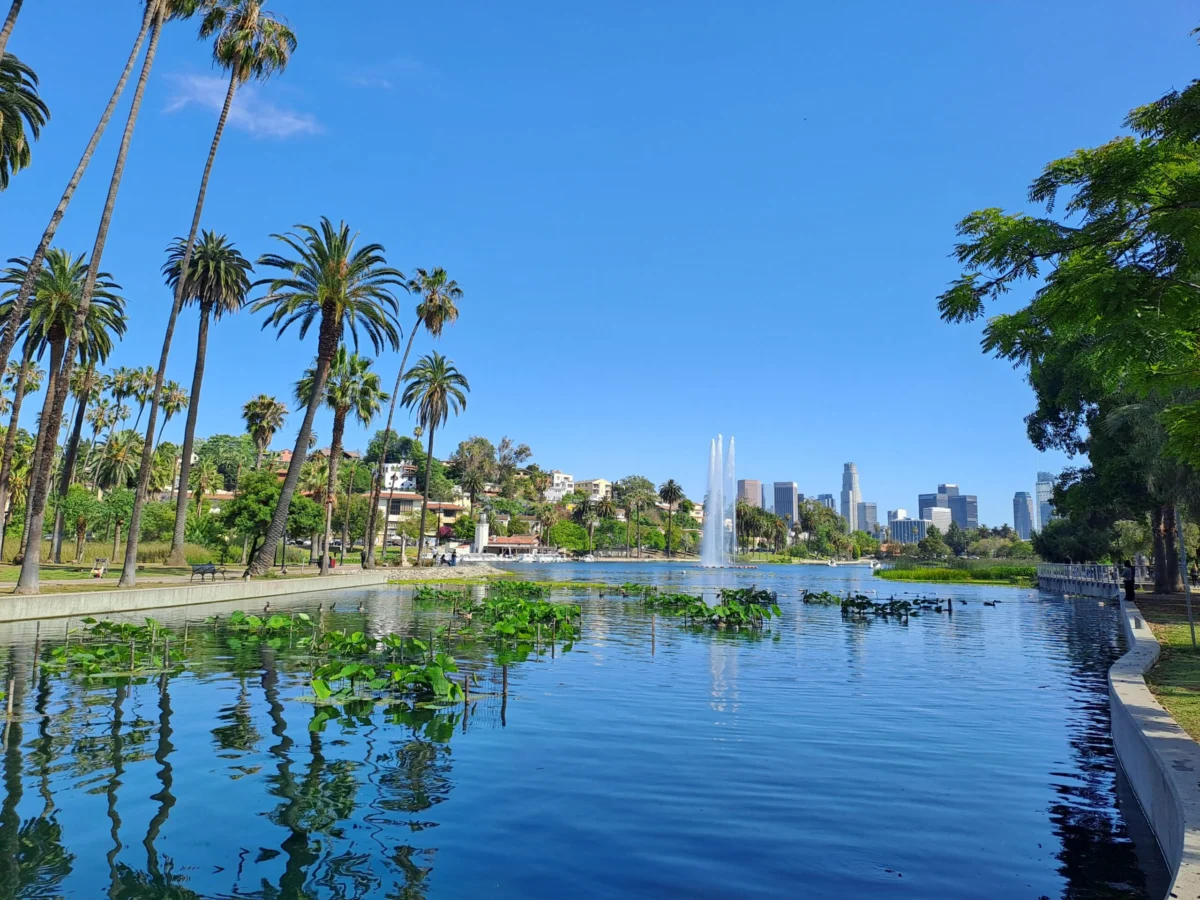
Meanwhile, local environmental groups in Los Angeles are growing increasingly vocal. "The Olympics were sold to us on the promise of a greener, more accessible city," says Maria Hernandez, an urban planning advocate based in Echo Park. "If the corporate money that was supposed to fund our shade trees and bus lanes vanishes because of a political shift in D.C., then the people of Los Angeles are the ones who pay the price for decades to come."
The Implications of a "Quiet" Games
The implications of this retreat from sustainability are far-reaching. If LA28 fails to deliver on its green promises, the global reputation of the Olympic movement may suffer. The IOC has increasingly tied the future of the Games to the ability of host cities to demonstrate climate leadership. If the most high-profile Games in a generation cannot manage to marry commercial success with environmental responsibility, the pipeline for future bidders could shrink significantly.
1. The Financial Impact
Corporate sponsorship is the engine of the Olympics. If sponsors decide that the risk of "greenwashing" accusations or political retaliation outweighs the brand benefit of sustainability, the Games face a potential funding shortfall. This could lead to higher ticket prices or a heavier reliance on municipal taxpayers to fill the gap.
2. The Legacy Trap
The "legacy" of the Olympics is the primary justification for the massive public spending required to host them. If the infrastructure projects—particularly those tied to public transit and green space—are deprioritized in favor of more "politically palatable" but less impactful upgrades, the long-term benefit to Los Angeles residents will be significantly diminished.
3. The Future of Global Sporting Events
The situation in Los Angeles serves as a test case for future international events. Can a city host a global spectacle in a politically polarized environment without sacrificing its social and environmental commitments? If LA28 proves that it can, it may set a new, pragmatic standard. If it fails, it may signal the end of the era of "purpose-driven" mega-events.
Conclusion: A Delicate Balance
As the clock winds down to 2028, the organizers of the Los Angeles Games face a challenge that transcends sport. They must balance the high-minded ideals of the Olympic Charter with the gritty, often hostile realities of American domestic politics. The success of these Games will not be measured solely by the medal counts or the efficiency of the shuttle buses, but by whether the city can maintain its vision of a cooler, greener, and more connected future in the face of intense pressure to abandon those very ideals.
The world will be watching Los Angeles in 2028. Whether they see a triumph of sustainable urban development or a capitulation to political caution remains to be seen. For now, the city is left to navigate the narrow path between the promise of a legacy and the shadow of the present.
