





In an era defined by rapid digital acceleration and an increasing focus on personal health metrics, the boundary between innovation and misinformation is becoming dangerously thin. As technology permeates every facet of our lives—from the algorithms that dictate our social feeds to the medical trackers monitoring our biological rhythms—the need for critical discernment has never been higher. Today’s briefing examines the intersection of medical hype and the geopolitical seismic shifts occurring in the artificial intelligence sector.
I. The Perimenopause Paradox: Navigating Medical Misinformation
The conversation surrounding perimenopause—the transitional phase leading up to menopause—has undergone a radical transformation. Once shrouded in silence and social taboo, it is now a trending topic on platforms like TikTok and Instagram. However, this increased visibility has birthed a secondary crisis: the proliferation of wellness-industry misinformation.
The Myth of the "Perimenopause Test"
Despite aggressive marketing campaigns from home-test kit companies and wellness influencers, the medical consensus remains clear: there is no clinically validated test to diagnose perimenopause. While hormone levels naturally fluctuate during this life stage, these levels are notoriously volatile, making them poor indicators for a definitive diagnosis. Relying on such tests can lead to unnecessary anxiety or, conversely, a false sense of security.
Addressing Symptomatic Reality
The lack of a diagnostic test does not invalidate the very real symptoms many women face. However, the current "solution" space is saturated with unproven supplements and hormone protocols that lack rigorous peer-reviewed backing. Furthermore, clinicians caution that midlife symptoms—such as fatigue, mood changes, and cognitive "brain fog"—are often reflexively attributed to hormones. This diagnostic narrow-mindedness can lead to the neglect of underlying conditions like thyroid disorders, vitamin deficiencies, or chronic stress, which may be the true culprits. Women are encouraged to consult with healthcare professionals who rely on evidence-based medicine rather than social media trends.
II. China’s AI Leap: Closing the Gap
On the geopolitical front, the artificial intelligence race has reached a new, high-stakes juncture. A Chinese startup has recently unveiled what is being hailed as the world’s largest open-source AI model, a move that experts suggest significantly narrows the technological divide between Beijing and Silicon Valley.
Chronology of the Shift
- Early 2026: China intensifies its investment in open-source AI frameworks to accelerate domestic development.
- July 2026: The release of a "moonshot" AI model from a Chinese startup sends shockwaves through global financial markets, impacting semiconductor stocks and raising alarms among Western competitors.
- Present Day: Chinese firms are increasingly pivoting to indigenous alternatives to Nvidia hardware, signaling a push toward total technological self-sufficiency.
The Implications for Global Hegemony
The launch of this model is not merely a technical milestone; it is a strategic maneuver. By championing open-source development, China is positioning itself as a primary partner for the developing world, offering an alternative to the "walled garden" approaches favored by US-based titans like OpenAI and Anthropic. President Xi Jinping has explicitly framed China’s AI roadmap as a global initiative, emphasizing that the nation aims to set the international standards for AI safety and integration.
III. Emerging Frontiers: Medicine, Space, and Privacy
Beyond AI and health, the technological landscape is shifting across multiple domains, from the depths of the human brain to the farthest reaches of the galaxy.
Neuro-Innovation
Medical history was made this week as a patient with a paralyzed hand regained functional sensation and motor control through a pioneering brain implant. The procedure, which effectively created a "neural bypass," allowed the patient to perform daily tasks like drinking from a cup and feeding himself. Critically, researchers noted that the neurostimulation effects persisted even after the devices were powered down, suggesting a potential for long-term neurological retraining.
Cosmic Exploration
In a breakthrough for astrobiology, astronomers have identified an atmosphere on a nearby Earth-like exoplanet. This discovery marks the first time a potentially habitable world has been confirmed to host a gaseous layer, instantly elevating it to a top-tier candidate in the search for extraterrestrial life.

Privacy and Digital Rights
As technology advances, so do the methods for reclaiming privacy. "Adversarial clothing"—garments specifically designed to confuse facial recognition algorithms—is moving from a niche subculture to a broader design trend. This reflects a growing public unease regarding the normalization of surveillance. Concurrently, the European Union has taken a hardline stance against Google, mandating that the tech giant share search data and open its Android ecosystem to competing AI bots, effectively attempting to force a more competitive digital market.
IV. Supporting Data and Industry Analysis
The economic ripple effects of these developments are profound. The recent surge in Chinese AI capabilities resulted in a notable decline in semiconductor and AI-related stocks in the US, highlighting the market’s sensitivity to shifts in the technological balance of power.
| Sector | Key Development | Market Impact |
|---|---|---|
| Artificial Intelligence | Open-source model launch | High volatility in chip stocks |
| Biotech | Neural bypass implants | Increased R&D funding for neuro-tech |
| Consumer Tech | EU antitrust mandates | Structural pressure on Google’s market share |
Analysts at The Asia Group note that the rhetoric from Beijing is unambiguous: "China is not going to follow anyone on AI technology and standards. Instead, China is going to lead the world in both aspects." This sentiment underscores a fundamental pivot in global power dynamics.
V. The "Circular" Future: Waste as a Resource
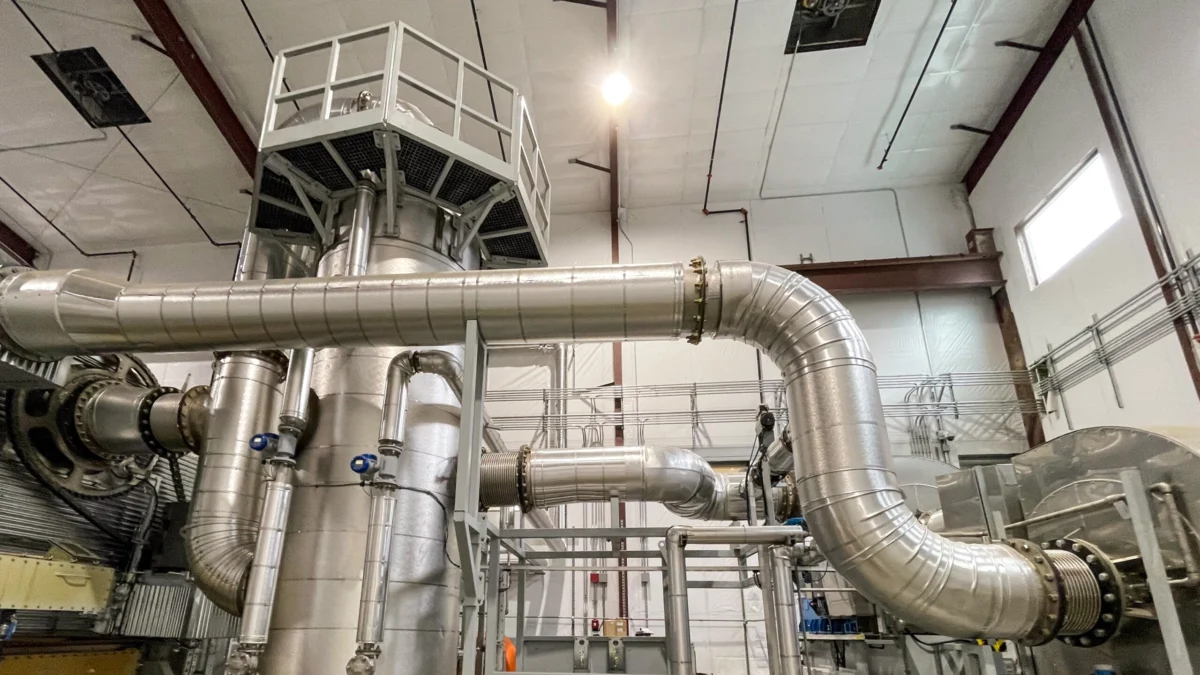
In a fascinating intersection of environmentalism and industrial tech, researchers are reframing human and agricultural waste as a critical resource. A new facility in Seattle is pioneering methods to treat fecal matter to recycle phosphorus and nitrogen—nutrients essential for industrial agriculture that are currently facing a global supply crunch. By transforming what was once "waste" into a high-value agricultural input, these companies are demonstrating that sustainable, energy-efficient infrastructure is not just a climate goal, but a practical economic necessity.
VI. Conclusion: The Path Forward
Whether we are discussing the necessity of scientific skepticism in the wellness space, the rapid maturation of Chinese AI, or the recovery of sensory function through brain-computer interfaces, one theme remains constant: the pace of change is accelerating.
For the general public, the lesson is clear: remain skeptical of hype, stay informed about the geopolitical realities of our digital tools, and look toward innovative, circular solutions for the world’s most pressing resource shortages. As we look ahead, the integration of these technologies into our daily lives will require a delicate balance—one where we embrace the convenience and capability of modern science while vigilantly protecting our privacy, our health, and our critical infrastructure.
Quick Look: The Week’s Must-Reads
- The Tesla Investigation: Investigators have concluded that a fatal crash in Texas occurred because the driver intentionally overrode the Full Self-Driving (FSD) system by forcing the accelerator to 100%.
- The Data Privacy Crisis: New reports highlight that popular period-tracking applications are frequently sharing sensitive user health data with third-party advertisers, sparking calls for stricter regulatory oversight.
- The Stealth Drone: Engineering firms have developed a drone capable of spinning at such high speeds that it becomes visually indistinct, though developers admit it remains audibly detectable.
- Space Physiology: A study on the International Space Station has revealed that microgravity impairs mitochondrial function in astronauts, providing a biological explanation for muscle atrophy in long-term spaceflight.
This digest serves as a reminder that the future is being built in laboratories, legislative chambers, and even sewage treatment plants. Stay curious.
