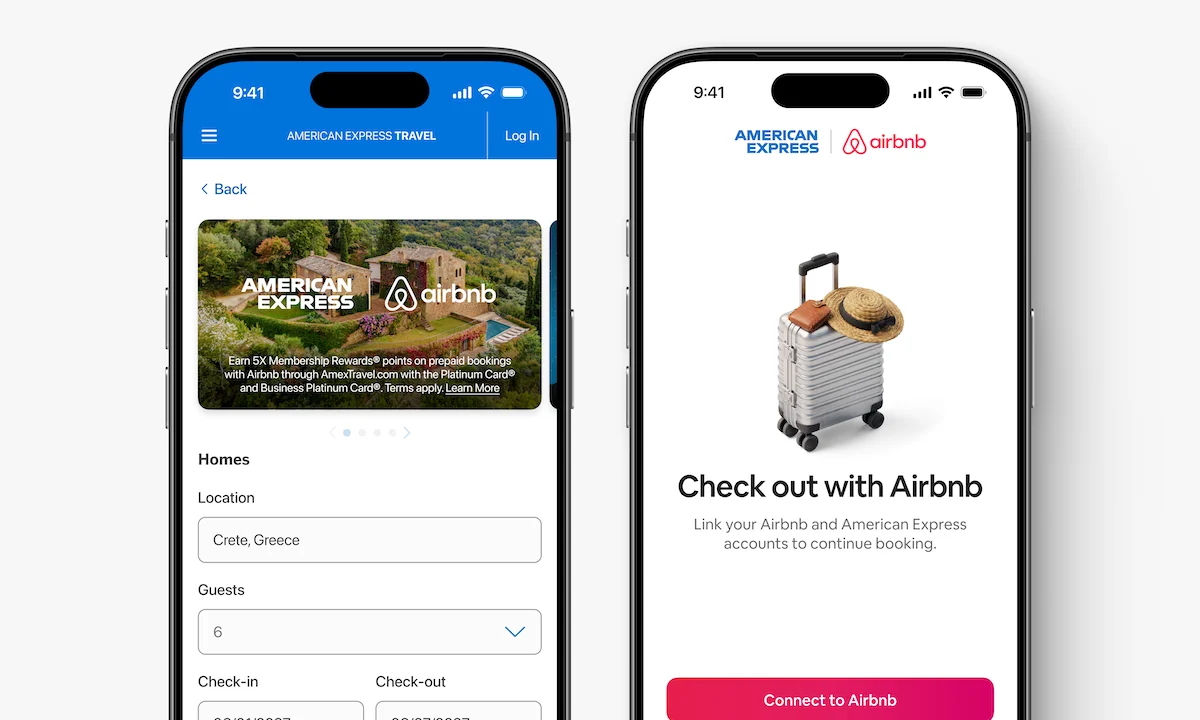





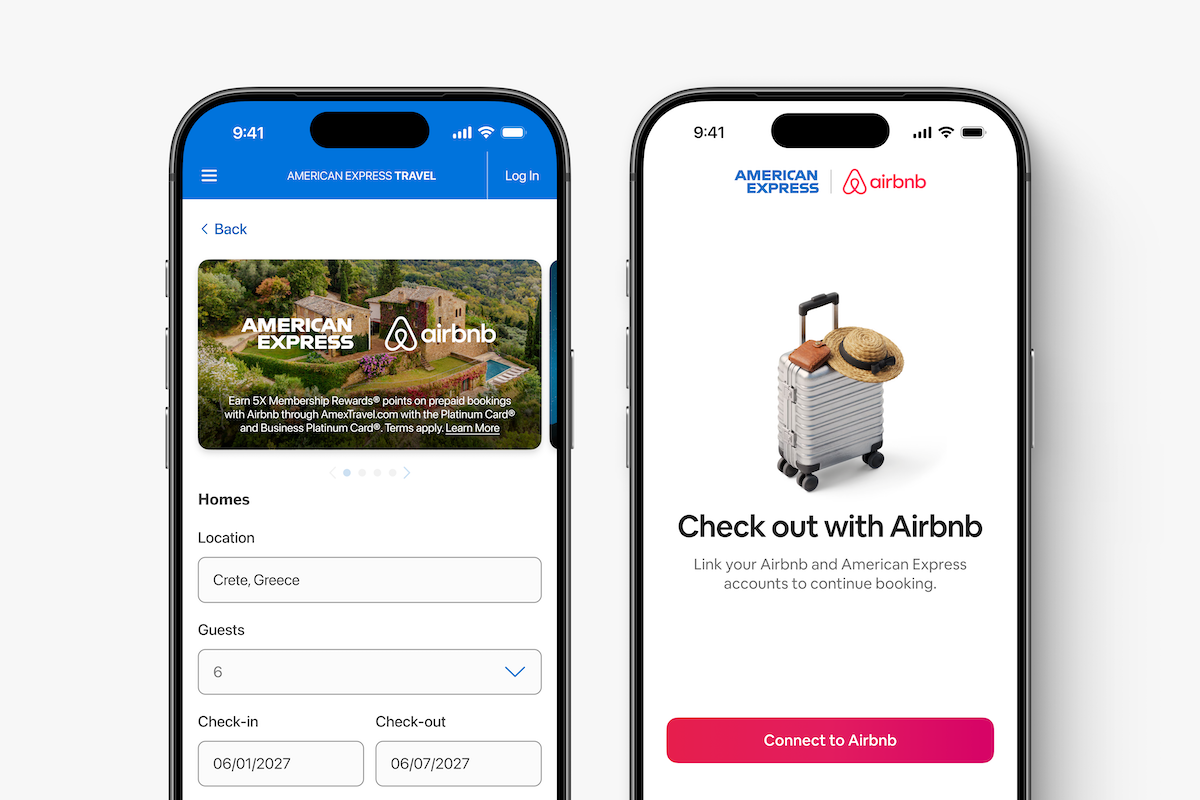
In a landscape defined by fierce competition and rapid digital integration, American Express has executed a move that recalibrates the boundaries of the travel industry. On Thursday, the financial services giant announced a landmark partnership with Airbnb, designating the platform as its exclusive vacation rental partner. This integration, which manifests as a new "Homes" tab on AmexTravel.com and the Amex Travel mobile app, grants cardholders access to over one million curated listings.
While the headline—a marriage between a premium financial institution and the world’s leading short-term rental platform—is significant, the underlying structural reality is far more complex. American Express remains deeply entrenched in a long-standing, multi-billion-dollar relationship with Expedia, which serves as the backbone for much of its flight and hotel inventory. The arrival of Airbnb does not signify an exit from the Expedia ecosystem; rather, it marks the beginning of a hybrid travel strategy designed to capture a more diverse range of consumer behaviors.
The Chronology of an Evolving Partnership
The narrative of American Express’s digital travel evolution is rooted in its 2015 pivot toward technology-enabled inventory management. When Expedia Group acquired Travelocity, it solidified its position as the premier B2B powerhouse for travel distribution. American Express, looking to streamline its digital concierge capabilities, leaned into this partnership, effectively outsourcing the heavy lifting of hotel and flight booking logistics to Expedia’s proprietary technology.
For nearly a decade, this symbiotic relationship allowed Amex to offer a seamless booking experience that leveraged Expedia’s vast inventory, while maintaining the premium service standards synonymous with the Amex brand. However, the market shifted significantly post-2020. The "work-from-anywhere" phenomenon and the surge in demand for extended-stay, residential-style accommodations created a gap in the traditional hotel-centric booking model.
By 2024, internal data at American Express suggested that cardholders were increasingly bypassing the Amex Travel portal to book short-term rentals directly through platforms like Airbnb and Vrbo. Recognizing the "leakage" of travel spend to third-party sites, Amex began negotiations to bring a specialized rental partner into the fold. The result, announced this week, is the formal integration of Airbnb into the Amex Travel ecosystem, effectively bridging the gap between traditional hotel travel and the experiential vacation rental market.
Supporting Data: The Convergence of Markets
The shift in consumer preference toward home-sharing is not merely anecdotal; it is backed by a seismic shift in travel expenditure. According to industry analysts, the short-term rental market has matured from a niche alternative to a primary preference for affluent travelers—the exact demographic American Express seeks to retain.
- Market Penetration: The partnership introduces over one million Airbnb listings to the Amex platform, targeting users who prioritize space, kitchens, and local neighborhood immersion over the traditional hotel experience.
- Customer Retention Metrics: Loyalty programs are the lifeblood of American Express. By integrating Airbnb, Amex is ensuring that cardholders no longer need to split their travel spending across different platforms to earn points or redeem credits. This consolidation is a direct play to increase "share of wallet."
- Expedia’s B2B Dominance: Despite the Airbnb news, Expedia remains a titan in the travel tech space. Expedia’s B2B division currently powers travel inventory for hundreds of partners, including financial institutions, airlines, and large-scale travel agencies. The revenue generated through these B2B channels accounts for a significant portion of Expedia’s annual growth, proving that the tech-provider model remains highly resilient.
Official Responses and Corporate Positioning
The primary tension surrounding this announcement involves the future of the American Express-Expedia alliance. In an attempt to quell industry speculation, an American Express spokesperson addressed the move with calculated precision:
"There’s no change to our existing business with Expedia. The Airbnb partnership is focused on expanding our short-term rental offering and giving cardholders more flexibility to choose the type of accommodation that best fits their travel style."
This statement reinforces the strategy of "multi-sourcing." For American Express, this is not an "either-or" scenario; it is an "and" strategy. Expedia continues to handle the high-volume, standardized inventory of global hotel chains and international airline ticketing, while Airbnb provides the specialized, high-margin experiential inventory that has become essential to modern luxury travel.
From the perspective of Airbnb, this partnership is a significant victory in its ongoing effort to attract the high-net-worth traveler. By gaining visibility within the Amex ecosystem, Airbnb is essentially receiving an endorsement from one of the most trusted brands in the financial world, potentially softening the brand perception among older or more traditional travelers who previously gravitated exclusively toward hotel brands.
Implications for the Future of Travel Distribution
The integration of Airbnb into Amex Travel serves as a harbinger for the future of travel distribution. We are entering an era where the "Super-App" model—the consolidation of all travel needs into a single interface—is becoming the industry standard.
1. The Disruption of the Traditional OTA Model
Online Travel Agencies (OTAs) have long enjoyed a dominant position by controlling the flow of information between hotels and travelers. However, the move by Amex suggests that even the largest players are willing to circumvent a single provider to curate a "best-in-breed" portfolio. By mixing direct relationships (Airbnb) with white-label aggregators (Expedia), American Express is setting a new precedent for how credit card portals function.
2. Loyalty and Financial Integration
The true value of this partnership lies in the points ecosystem. When a traveler books an Airbnb through the Amex portal, they are not just booking a home; they are interacting with the American Express loyalty architecture. This incentivizes the cardholder to use the Amex ecosystem for every stage of the journey, from booking the flight (via Expedia) to securing the accommodation (via Airbnb) and paying for dining and experiences on the ground.
3. The "Hybrid" Travel Professional
Travelers are increasingly blurring the lines between business and leisure—a trend often referred to as "bleisure." A business traveler might stay at a luxury hotel for a conference but choose an Airbnb for a subsequent long weekend in the same city. By housing both options under one roof, American Express is capturing the full lifecycle of the traveler, regardless of the purpose of their trip.
Challenges and Roadblocks
While the synergy appears strong, the implementation is not without risks. Managing the customer service expectations of a high-end Amex cardholder—who expects a seamless concierge-style experience—with the decentralized nature of Airbnb hosting could present friction.
Unlike a hotel, where service standards are standardized by the brand, Airbnb hosts vary significantly. American Express will likely need to implement rigorous quality control measures or "curation filters" to ensure that the listings appearing on its portal meet the expectations of its premium clientele. Failure to maintain these standards could lead to brand dilution for American Express, despite the convenience the new portal offers.
Conclusion: A New Equilibrium
The partnership between American Express and Airbnb is a calculated adjustment to a changing market, rather than a radical departure from established tech alliances. By leveraging Expedia’s robust technological backbone for traditional travel needs while embracing Airbnb for the burgeoning vacation rental sector, American Express is strengthening its position as the ultimate gatekeeper of the luxury travel experience.
As travel becomes increasingly personalized, the winners in this space will be those who can provide the widest range of options without compromising the ease of the booking process. American Express has clearly signaled that its future strategy is one of diversification. For the consumer, this means a more powerful, all-encompassing portal; for the industry, it means the continued evolution of a travel ecosystem where the lines between hotel, rental, and tech provider continue to dissolve.
As we look toward the next fiscal year, the success of this integration will be measured by adoption rates and the ability of Amex to successfully migrate its cardholders away from competitor booking sites. One thing is certain: the travel portal of 2026 looks vastly different than it did even two years ago, and the race to capture the "full-trip" spend is only just beginning.
