


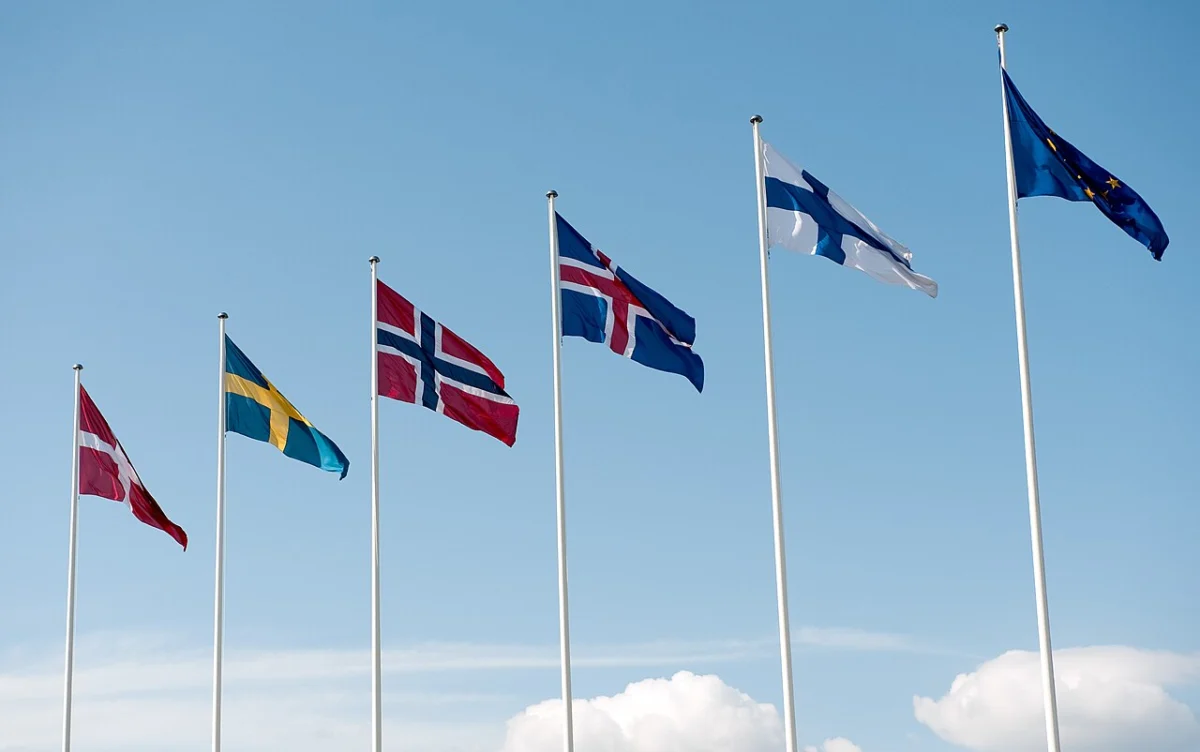
The aviation sector, long considered one of the most difficult industries to decarbonize, is facing a pivotal regulatory shift. On Friday, the European Commission unveiled a sweeping overhaul of its Emissions Trading Scheme (ETS), a legislative move that signals a hardening stance on the environmental footprint of air travel. By extending carbon-permit requirements to international flights, Brussels is attempting to pull the aviation industry into the heart of the European Green Deal. Yet, the proposal has arrived in a polarized political climate, drawing fire from both environmental crusaders who demand more radical action and industry lobbyists who argue that the economic burden is misaligned with global realities.
The Core of the Proposal: Closing the Loophole
The Emissions Trading Scheme (ETS) has long been the cornerstone of the European Union’s climate policy. Historically, the system mandated that airlines pay for the carbon they emit on flights within the European Economic Area (EEA). However, the "polluter pays" principle was largely suspended for international, long-haul journeys to avoid diplomatic friction and competitive disadvantages for European carriers.
The new proposal seeks to dismantle that wall. Under the revised framework, the Commission intends to apply carbon pricing to all flights departing from European airports, regardless of the destination. However, the legislation includes a significant—and contentious—carve-out: flights exceeding 5,000 kilometers are currently excluded.
This threshold effectively shields the most carbon-intensive routes, such as those connecting major European hubs to the United States, China, and much of the Asia-Pacific region. Furthermore, the Commission has set its sights on the private aviation sector. Under the new rules, private and business jets—a segment that has seen surging popularity but has remained largely invisible to climate reporting—will be brought under the ETS umbrella. This marks a strategic pivot to address the high per-passenger emissions of private travel, which have become a lightning rod for public criticism.
A Chronology of Climate Regulation in Aviation
The road to this proposal has been paved with years of international friction and legislative trial-and-error.
- 2008–2012: The Initial Push: The EU first attempted to include all flights landing in or departing from EU airports in its ETS. The move triggered a global backlash, with the U.S., China, and India threatening trade wars, arguing that the EU was infringing on their sovereign airspace.
- 2013: The "Stop the Clock" Compromise: Facing intense geopolitical pressure, the EU temporarily suspended the inclusion of international flights to allow the International Civil Aviation Organization (ICAO) time to develop a global market-based measure.
- 2016: The Birth of CORSIA: ICAO introduced the Carbon Offsetting and Reduction Scheme for International Aviation (CORSIA). While it was hailed as a global solution, critics argued its reliance on carbon offsets rather than direct emissions reductions made it a "toothless" instrument.
- 2020–2023: The Green Deal Acceleration: With the launch of the European Green Deal, the European Commission signaled it would no longer wait for a global consensus. The push to integrate aviation more deeply into EU climate targets intensified as part of the "Fit for 55" legislative package.
- 2024: The Current Overhaul: The proposal released this Friday represents the latest attempt to bridge the gap between regional regulation and international aviation realities, setting the stage for what is expected to be a multi-year negotiation process.
Supporting Data: The Economic and Environmental Impact
To understand the scale of the proposed change, one must look at the projected impact on both the environment and the consumer wallet. Diane Vitry, director for the advocacy group Transport & Environment (T&E), provided a granular breakdown of how these costs might translate for the average traveler.
According to T&E’s analysis, the impact on ticket prices is expected to be modest, though not negligible. For a standard intra-European flight from Paris to Madrid, passengers could see an average surcharge of approximately €10. On longer regional routes, such as Paris to Istanbul, the price increase is estimated to hit €31.
However, these figures must be balanced against the total emissions generated by these flights. Aviation accounts for roughly 2.5% of global CO2 emissions, but when accounting for non-CO2 effects—such as nitrogen oxides and contrails—the industry’s total warming impact is significantly higher. By incorporating these flights into the ETS, the Commission aims to create a financial incentive for airlines to modernize their fleets, increase the use of Sustainable Aviation Fuels (SAF), and optimize flight paths to reduce fuel consumption.
Official Responses: A House Divided
The reception of the proposal has been characterized by a profound lack of consensus, reflecting the competing priorities of different stakeholders.
The Environmental Perspective
Advocacy groups like Transport & Environment have offered a lukewarm reception. While they applaud the inclusion of private jets and the expansion of the ETS, they view the 5,000-kilometer exclusion as a massive loophole.
"The impact on passengers will remain small, but the impact on our climate goals is being severely undermined by the long-haul carve-out," Vitry noted in a recent assessment. Environmentalists argue that the exclusion of flights to the U.S. and China effectively ignores the most carbon-heavy segments of the aviation industry, allowing carriers to continue business as usual on their most profitable routes.
The Industry Stance
Conversely, aviation industry bodies have expressed deep concern regarding the competitiveness of European airlines. The primary argument is that if European carriers are forced to pay for carbon permits on long-haul routes while their non-European competitors are not, the result will be "carbon leakage." In this scenario, passengers would simply choose to transit through non-EU hubs—such as those in the Middle East or North America—to avoid the added costs, effectively shifting emissions rather than reducing them.
"We are committed to net-zero, but this must be done through a global framework," a spokesperson for a major European airline association stated. "Regional taxes and fragmented ETS systems create a distorted playing field that hurts European connectivity without delivering a meaningful impact on global warming."
Implications for the Future of Travel
The implications of this proposal extend far beyond the immediate increase in ticket prices. If enacted, this policy will likely set a new global benchmark for aviation climate regulation.
1. The Death of the "Cheap Flight" Era?
For decades, low-cost carriers have thrived on the availability of affordable air travel. The integration of carbon pricing into the cost structure of every flight is a structural shift. As the supply of free carbon permits is phased out—a process currently underway—airlines will inevitably pass these costs to the consumer. This may lead to a permanent adjustment in travel habits, particularly for short-haul travel, where high-speed rail is a viable alternative.
2. The Private Jet Reckoning
The decision to include private and business jets in the ETS is a clear signal from the European Commission that "luxury" emissions will no longer be overlooked. This is a political move as much as an environmental one, addressing growing societal anger regarding the carbon footprint of the ultra-wealthy. This segment will likely see the highest percentage increase in operational costs, potentially forcing a contraction in the private jet market.
3. Diplomatic Friction
The EU’s decision to move unilaterally risks reigniting tensions with major international partners. The U.S. and China have previously viewed the EU’s attempts to regulate international aviation as an overreach. Whether the Commission can maintain this policy without triggering retaliatory trade measures will be the primary test of its diplomatic resolve.
4. Technological Acceleration
The looming costs of the ETS are likely to accelerate the investment in Sustainable Aviation Fuel (SAF). Airlines that can transition to lower-carbon fuels faster will face lower ETS costs, providing a competitive advantage. This may create a "race to the top" in terms of fleet efficiency and energy innovation.
Conclusion: A Narrow Path Forward
The European Commission’s proposal is a classic example of the "Brussels compromise"—an attempt to exert regulatory authority while carefully navigating the constraints of economic and geopolitical reality. By carving out long-haul flights, they hope to avoid the trade wars of the past; by including private jets, they hope to appease a public increasingly concerned with climate equity.
Yet, the fundamental problem remains: aviation is an inherently global industry, and regional solutions are only ever partial fixes. As the proposal heads into the legislative chambers of the European Parliament and the Council, the debate will continue to rage between those who believe the policy is an existential threat to the aviation industry and those who believe it is a necessary, albeit insufficient, step toward a sustainable future.
For the average traveler, the message is clear: the era of "hidden" environmental costs is ending. Whether this leads to a greener sky or simply a more expensive ticket remains to be seen, but one thing is certain: the aviation industry’s relationship with the environment has been permanently altered.
