


Main Facts: The Return of Autonomous Ride-Hailing to San Antonio
Waymo, the autonomous vehicle subsidiary of Alphabet Inc., has officially resumed its robotaxi operations in San Antonio, Texas. This relaunch comes five months after a highly publicized incident in which one of the company’s driverless vehicles was swept away during a severe flash flood, prompting an immediate suspension of service, a voluntary software recall, and a rigorous re-evaluation of how the vehicles navigate inclement weather.
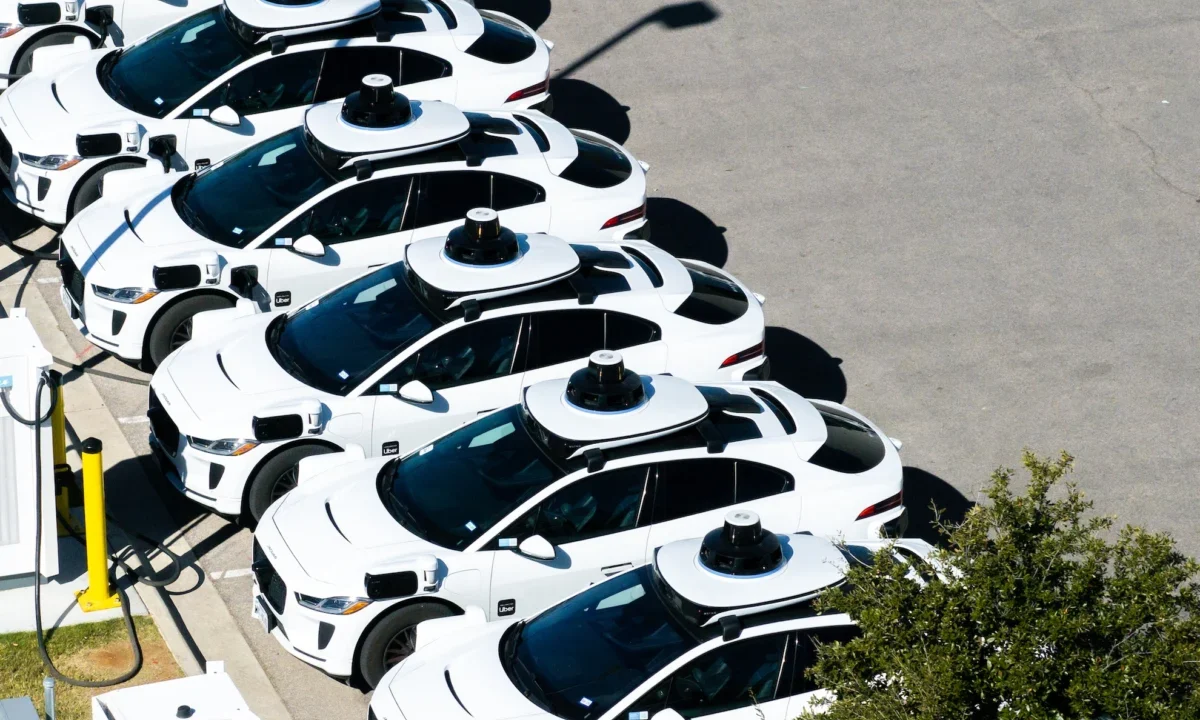
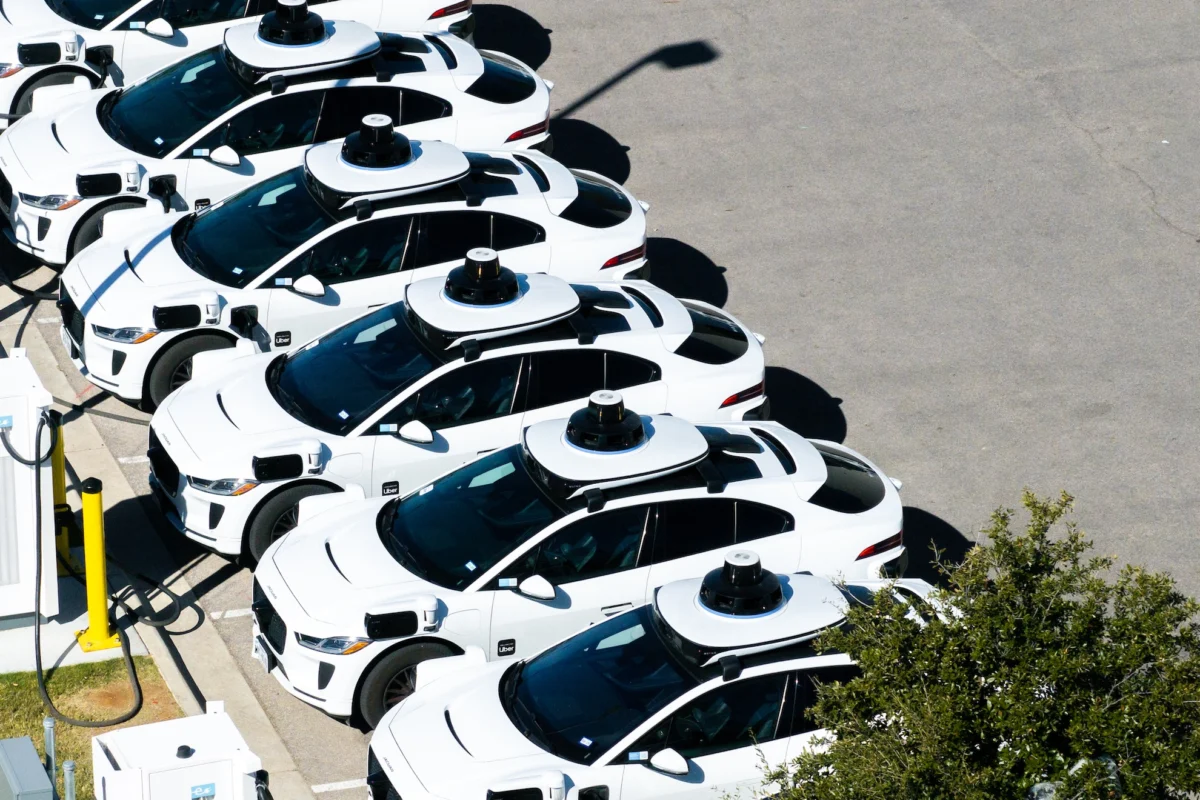
The revived service will deploy dozens of Waymo’s all-electric Jaguar I-PACE vehicles across a designated 60-square-mile service territory. This operational area covers critical urban sectors of San Antonio, including the bustling downtown district and direct routes to and from the San Antonio International Airport (SAT). According to local reports first published by the San Antonio Express-News, the company is now offering paid rides to the public, marking a significant step forward in its commercial expansion strategy.
To facilitate this return, Waymo engineers have rolled out comprehensive software updates designed to address the specific perception and navigation vulnerabilities exposed during the spring floods. The company states that its autonomous driving system (ADS) has been upgraded to better detect, evaluate, and avoid standing water and flooded roadways, mitigations aimed at preventing similar hazardous encounters in the future.
Chronology of Events: From the April Flood to the Autumn Relaunch
The suspension and subsequent relaunch of Waymo’s San Antonio fleet represent a pivotal chapter in the company’s efforts to validate its technology against unpredictable environmental challenges. Below is the timeline of events that led to the service’s temporary halt and eventual return:
April 2024: The Flash Flood Incident
During a period of intense storms and flash flooding in Bexar County, Texas, multiple Waymo robotaxis encountered heavily waterlogged streets. While human drivers typically recognize and avoid deep pooling water, the autonomous vehicles slowed down but failed to come to a complete stop as they approached flooded roadways.
The situation escalated when one unmanned Waymo vehicle attempted to navigate a flooded street and was swept away by fast-moving waters. Emergency services were required to resolve the situation, and though no passengers were on board and no injuries were reported, the incident raised immediate safety concerns regarding the vehicle’s ability to assess water depth and flow rates.
May 2024: The Voluntary Recall and Regional Pauses
In response to the incident, Waymo temporarily paused its passenger operations in San Antonio and restricted testing in other flood-prone areas of Texas, including parts of Austin.
On May 24, 2024, Waymo filed a voluntary recall report with the National Highway Traffic Safety Administration (NHTSA). The recall focused on the vehicle’s software, specifically its inability to accurately distinguish between safe road surfaces and deep standing water under extreme weather conditions. Waymo restricted its robotaxis from operating in zones identified as having an elevated risk of flooding while its engineering teams worked on a software patch.
Summer 2024: Testing and Software Validation
Throughout the summer, Waymo kept its San Antonio passenger services offline while conducting closed-course testing and simulation training. Engineers used data captured during the April flood to reconstruct the scenario in virtual environments. This allowed the company to train its machine learning models to identify the reflective and refractive properties of standing water, which often confuse standard autonomous sensor suites. During this period, Waymo gradually resumed limited operations in other Texas cities as safety milestones were achieved.
September/October 2024: Relaunch of Commercial Operations
Following successful internal validation and software deployment, Waymo announced the resumption of its paid ride-hailing services in San Antonio. The relaunch features a expanded 60-square-mile geofence, offering residents and visitors driverless transit between major municipal hubs and the international airport.
Supporting Data & Technical Analysis: Navigating the Physics of Water
The April incident highlighted a fundamental challenge in the autonomous vehicle industry: the "edge case" of inclement weather and standing water. Understanding why the vehicles failed—and how they were fixed—requires an analysis of the sensor technologies utilized by Waymo’s fifth-generation hardware suite.
The Challenge of Water Detection for Autonomous Sensors
Autonomous vehicles rely on a tri-sensor approach consisting of LiDAR (Light Detection and Ranging), Radar, and Cameras to construct a 3D map of their surroundings. Standing water presents unique physical challenges to each of these sensors:
- LiDAR Limitations: LiDAR sensors emit laser pulses and measure the time it takes for them to bounce back. Water surfaces, however, act like mirrors (specular reflection). When a LiDAR pulse hits a flat body of water, the beam often reflects away from the sensor rather than returning to it. This can cause the sensor to perceive a deep puddle as a flat, dry road or an empty void.
- Camera Obstruction: Heavy rain and splashing water degrade camera visibility. Distinguishing between a wet, reflective asphalt road and a deeply flooded street is highly difficult for computer vision algorithms, especially at night or during active downpours.
- Radar Clutter: While radar is highly effective at penetrating rain and fog, turbulent water surfaces can cause signal clutter, making it difficult for the vehicle’s computer to calculate the exact depth or movement of the water.
+-----------------------------------------------------------------------------+
|                          WAYMO SENSOR SUITE VS. WATER                       |
+----------------------+------------------------------------------------------+
| Sensor Type          | Physical Vulnerability to Flooding                   |
+----------------------+------------------------------------------------------+
| LiDAR                | Specular reflection causes laser beams to bounce     |
|                      | away; fails to register depth of standing water.     |
+----------------------+------------------------------------------------------+
| Cameras              | Glare, reflections, and lens distortion from splash |
|                      | obscure visual cues of road boundaries.             |
+----------------------+------------------------------------------------------+
| Radar                | Signal scattering off turbulent water surfaces      |
|                      | creates noise and miscalculates road level.          |
+----------------------+------------------------------------------------------+
Waymo’s Software Remediation
To overcome these physical limitations, Waymo’s software update introduced advanced sensor-fusion algorithms. Instead of relying on a single sensor type to identify water, the system now cross-references data from all three sensor modalities simultaneously.
By analyzing the polarization of light captured by cameras, detecting the absence of LiDAR return signals in specific geometric patterns, and utilizing real-time local weather data, the updated system can flag potential flooding zones before the vehicle enters them. If standing water is detected, the vehicle is programmed to route around the area or pull over safely if no alternative path is available.
Waymo’s Nationwide Footprint
The resumption of services in San Antonio solidifies Waymo’s position as the commercial leader in the U.S. robotaxi market. The company now offers paid rides in 15 U.S. cities, including major metropolitan markets such as Phoenix, San Francisco, Los Angeles, and Austin. Waymo’s commercial expansion is scaling rapidly, with the company logging tens of thousands of paid passenger trips weekly across its active territories.
Official Responses & Regulatory Environment
The relaunch of autonomous rides in San Antonio has drawn scrutiny and feedback from corporate executives, federal safety regulators, and local municipal authorities.
Corporate Statements
In a statement provided to the San Antonio Express-News, Waymo emphasized its commitment to safety and continuous technological iteration. A company spokesperson confirmed that the software updates deployed across the fleet have significantly enhanced the vehicles’ perception capabilities:
"We have made targeted improvements to our software that allow our vehicles to better detect, assess, and avoid standing water. Safety is our guiding principle, and our return to San Antonio represents our confidence in the system’s updated capabilities to handle the unique environmental conditions of the region."
Federal Oversight and NHTSA
The National Highway Traffic Safety Administration (NHTSA) continues to monitor Waymo’s operations closely. The voluntary recall initiated by Waymo in May was classified as an over-the-air (OTA) software update, meaning vehicles did not need to be physically brought into service centers. However, federal regulators maintain active investigations into various autonomous vehicle developers—including Waymo, Zoox, and Cruise—to ensure that automated driving systems do not pose unreasonable risks to public safety.
State vs. Local Regulatory Dynamics
In Texas, the regulatory environment for autonomous vehicles is highly permissive. Texas Senate Bill 2205, enacted in 2017, established a statewide framework for the operation of automated vehicles, effectively preempting local municipalities from passing their own restrictions or licensing requirements.
While this state-level preemption has made Texas a primary hub for AV testing and deployment, it has occasionally led to friction with local city officials and first responders. In San Antonio, local authorities have expressed a desire for greater data-sharing and communication from AV operators, particularly regarding how driverless vehicles interact with emergency scenes, road closures, and extreme weather events.
Implications: The Path Forward for Autonomous Mobility
The return of Waymo to San Antonio carries broad implications for the autonomous vehicle industry, public perception, and the future of urban transportation.
Overcoming the "Edge Case" Barrier
For autonomous vehicles to achieve widespread commercial viability, they must prove capable of operating safely in environments less predictable than the sunny, dry streets of Phoenix, Arizona—where Waymo first established its commercial footprint.
Weather events such as flash floods in Texas, heavy snow in midwestern states, and dense fog in coastal cities represent critical "edge cases." Waymo’s ability to diagnose a failure mode, implement a software fix, and secure regulatory approval to relaunch within five months serves as a template for how the industry intends to handle unexpected operational hurdles.
Competitive Dynamics in the AV Sector
Waymo’s rapid redeployment and expansion stand in contrast to its primary competitors:
- Cruise (General Motors): Cruise is currently in the process of rebuilding its operations and public trust after a pedestrian-dragging incident in San Francisco in late 2023 led to a nationwide grounding of its fleet. While Cruise has resumed supervised testing in cities like Houston and Dallas, it has yet to match Waymo’s pace of commercial deployment.
- Zoox (Amazon): Zoox is continuing to test its purpose-built, bi-directional robotaxis in select markets, including Las Vegas and San Francisco, but remains in the early stages of commercial passenger deployment.
- Tesla: Despite promises of a dedicated "Cybercab" and unsupervised Full Self-Driving (FSD) capabilities, Tesla’s technology remains classified as a Level 2 driver-assist system, requiring active human supervision.
By expanding its paid service to 15 cities, Waymo is capturing market share and gathering millions of miles of real-world driving data, widening the competitive moat between itself and other market players.
Urban Planning and Economic Impact
The integration of a 60-square-mile autonomous service zone connecting downtown San Antonio to the international airport could reshape local transit dynamics. Airport corridors are traditionally some of the most lucrative routes for ride-hailing drivers and taxi services. The introduction of driverless alternatives presents a new competitive landscape for traditional transport workers, while offering travelers a novel, tech-forward transit option.
As Waymo’s fleet of Jaguar I-PACEs becomes a regular sight once more on the streets of San Antonio, the coming winter and spring storm seasons will serve as the ultimate proving ground for the company’s latest software refinements. The success of this relaunch will likely determine the speed at which Waymo scales its driverless technology to other weather-challenged metros across the United States.
