

As Hungary heads to the polls on April 12, 2026, the nation’s energy landscape has morphed into a high-stakes arena for global powers. Clean Energy Wire (CLEW) is set to host a pivotal webinar on April 9 to equip journalists with the insights needed to navigate the complex intersection of climate policy, nuclear infrastructure, and foreign influence.
Executive Summary: The Energy Battleground
In the heart of Central Europe, Hungary stands at a precarious juncture. With the parliamentary elections scheduled for April 12, 2026, the discourse has shifted far beyond domestic economic issues. The nation’s energy infrastructure—a critical component of its national security—has become the primary theater for a geopolitical tug-of-war between the European Union, the United States, China, and Russia.
As the EU pushes for a unified, green energy transition and attempts to curb external interference, Hungary has carved a distinct, often contradictory path. From the massive Paks II nuclear expansion to a burgeoning electric vehicle (EV) battery manufacturing sector dominated by Chinese capital, Hungary’s energy policy is no longer just a local concern; it is a barometer for European cohesion and transatlantic security.
To help the international press decode these complexities, Clean Energy Wire (CLEW) is hosting an expert-led webinar on April 9, 2026, from 16:00 to 17:30 CEST. The session, supported by Journalismfund Europe, offers a deep dive into the intricacies of Hungarian energy policy and its implications for the broader continent.
Chronology: A Decade of Strategic Alignment
To understand the stakes of the 2026 election, one must examine the trajectory of Hungary’s energy choices over the last decade.
2014–2016: The Pivot to Nuclear
The foundation of the current energy strategy was laid with the intergovernmental agreement between Hungary and Russia for the Paks II nuclear power plant. This move signaled a long-term commitment to Russian technology and financing, a decision that has defined Hungary’s diplomatic friction with Brussels for over ten years.
2020–2023: The Chinese Industrial Surge
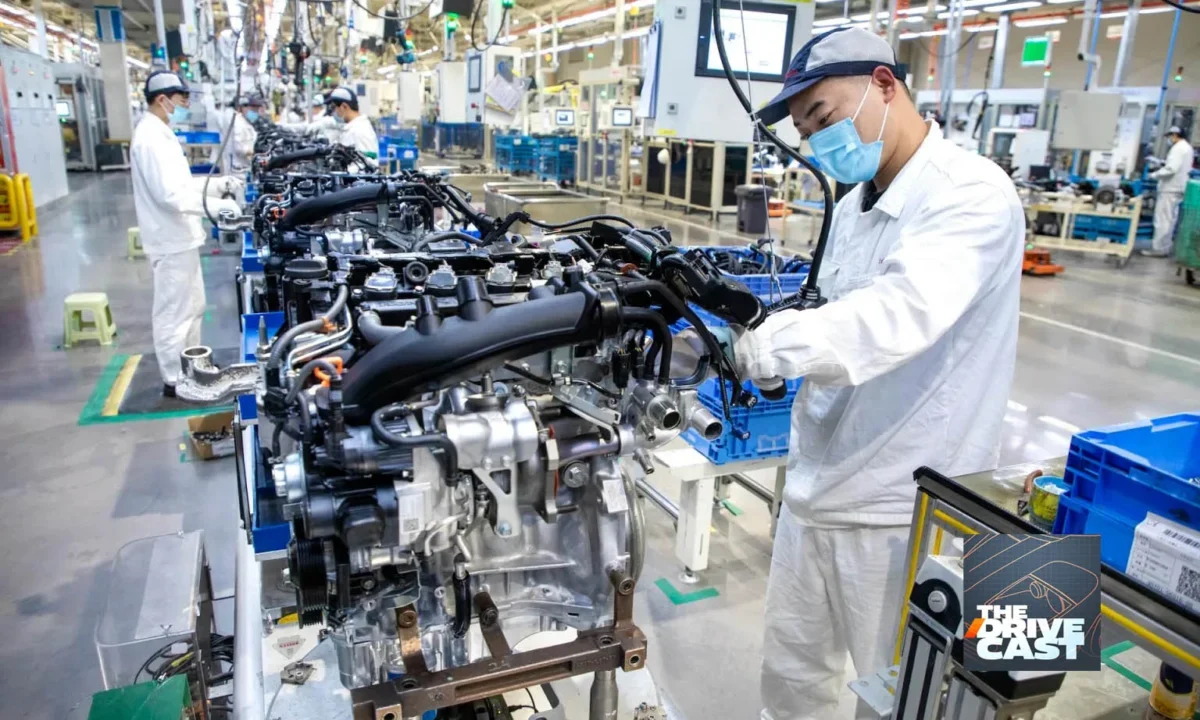
Recognizing the shift toward electrification, the Hungarian government launched an aggressive campaign to become the European hub for EV battery production. This brought massive investments from Chinese giants like CATL. While framed as an economic miracle, the move created a new dependency—this time on the East for industrial and energy-related supply chains.
2024–2025: The Regulatory Tug-of-War
As the European Green Deal accelerated, Hungary frequently found itself at odds with EU mandates. The government sought to maintain lower energy prices through state subsidies, often facilitated by non-EU partnerships, creating a regulatory standoff with the European Commission regarding state aid and market transparency.
April 2026: The Election Threshold
The upcoming election serves as a referendum on this "multi-vector" foreign policy. Voters are faced with a choice: double down on current partnerships that prioritize cheap, foreign-backed energy, or pivot toward a more integrated, EU-aligned energy strategy that emphasizes long-term sustainability and reduced dependency on autocratic regimes.
Supporting Data: The Infrastructure of Influence
The stakes for the 2026 election are quantified by the scale of investment flowing into the Hungarian energy sector.
The Nuclear Variable
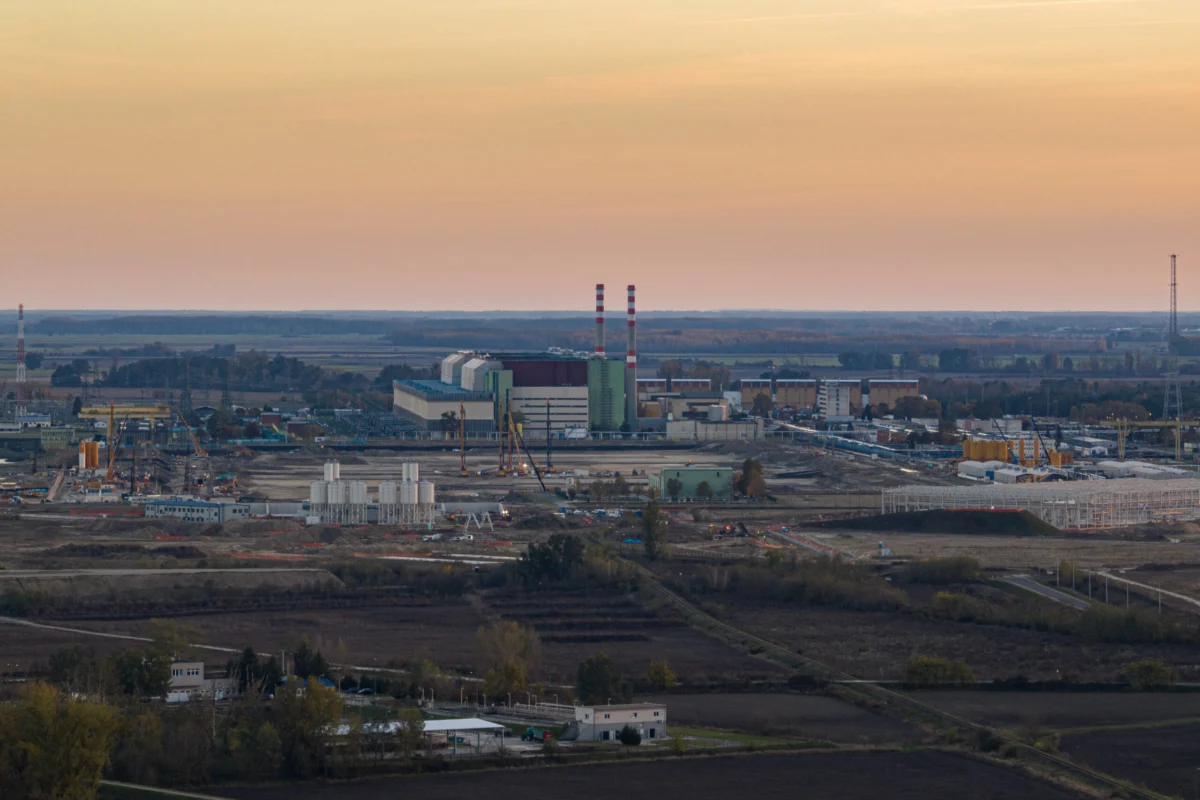
The Paks II project, currently under construction, represents a multi-billion euro investment that anchors Hungary’s grid to Russian nuclear expertise. According to industry reports, once fully operational, Paks II is expected to provide roughly 40% of the country’s electricity, effectively locking in a Russian-centric model for the next 60 years.
The Battery Manufacturing Boom
Hungary has positioned itself as the second-largest battery production hub in Europe. The economic data suggests that nearly 15% of the country’s GDP growth in the last three years has been directly or indirectly linked to Chinese-funded battery manufacturing sites. However, this growth has come at a cost, with massive energy demands placing a strain on the national grid and necessitating increased imports.
External Interference Metrics
Independent monitors have tracked a marked increase in lobbying activity from Chinese and Russian state-owned enterprises within the Hungarian Ministry of Energy. Simultaneously, the U.S. has ramped up diplomatic pressure, urging Hungary to diversify its supply chains and move away from "high-risk" technology vendors, citing national security concerns regarding the integration of smart-grid technology.
Official Responses and Political Stances
The Government Position
The incumbent administration maintains that its energy policy is purely pragmatic. By sourcing technology and financing from a diverse array of global partners, they argue that Hungary is protecting its citizens from the volatile energy prices that have plagued other EU member states. They characterize the criticism from Brussels as an infringement on national sovereignty.
The Opposition Perspective
Opposition parties have framed the energy sector as a "captured state" project. They argue that the reliance on Paks II and Chinese battery factories has eroded Hungary’s leverage within the EU. Their campaign platform centers on the "Europeanization" of energy policy, proposing a rapid expansion of renewables (solar and wind) and a transition away from the "geopolitical blackmail" inherent in their current energy mix.
The Brussels Viewpoint
The European Commission has been clear: energy security is indivisible from European security. While the EU supports Hungary’s right to a diverse energy mix, it has voiced consistent concerns regarding the transparency of the Paks II financing and the potential for the Chinese battery sector to undermine EU standards for labor and environmental impact.
Implications: A Continent at Risk?
The outcome of the April 12 election will send shockwaves far beyond the borders of Hungary.
1. The Future of the European Energy Union
If the election results in a continuation of the status quo, the EU faces a significant challenge in maintaining a unified energy front. Hungary’s unique positioning could serve as a model for other populist movements in Europe, potentially fracturing the EU’s climate goals.
2. Transatlantic Security
The U.S. has invested heavily in Central European stability through NATO. A Hungary that is deeply entangled with Russian energy infrastructure and Chinese digital technology creates a "weak link" in the alliance. The election will determine whether Hungary remains a reliable partner in the Western security architecture.
3. The Green Transition
The global climate community is watching closely. Hungary’s pivot to battery manufacturing is vital for the European EV market. However, if that manufacturing is powered by a grid heavily reliant on foreign-funded nuclear or fossil-fuel-intensive imports, the net-zero claims of the industry are called into question.
Call to Action: Join the CLEW Webinar
The complexities of these issues require more than surface-level reporting. To ensure your coverage of the Hungarian elections is grounded in fact and context, Clean Energy Wire (CLEW) invites all international journalists to register for our upcoming expert-led webinar.
Event Details:
- Date: 9 April 2026
- Time: 16:00 – 17:30 CEST
- Format: Online
- Objective: To prepare journalists for the nuances of the 12 April elections, covering the intersections of energy security, foreign policy, and climate goals.
This session will feature analysts specializing in Central European energy markets, offering attendees the opportunity to engage in a deep dive into the implications of these elections for the broader European project.
This webinar is proudly supported by Journalismfund Europe.
Conclusion
As the sun sets on the construction site of Paks II—a symbol of the industrial and geopolitical weight of this election—the world watches Hungary. Whether the country emerges as a bridge between East and West or a barrier to European integration will be decided at the ballot box. For the press, the responsibility is clear: to look past the rhetoric and report on the infrastructure that will define the future of the continent for decades to come.
Register today via the CLEW portal to secure your place in this critical pre-election briefing.
