
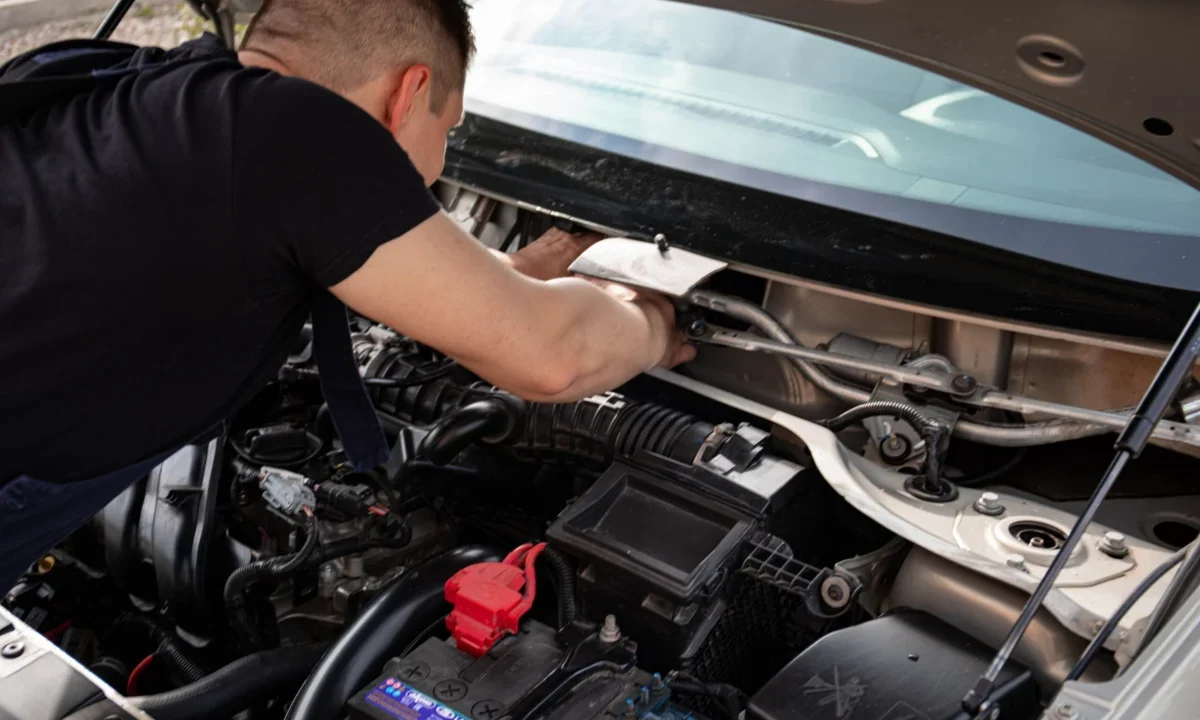

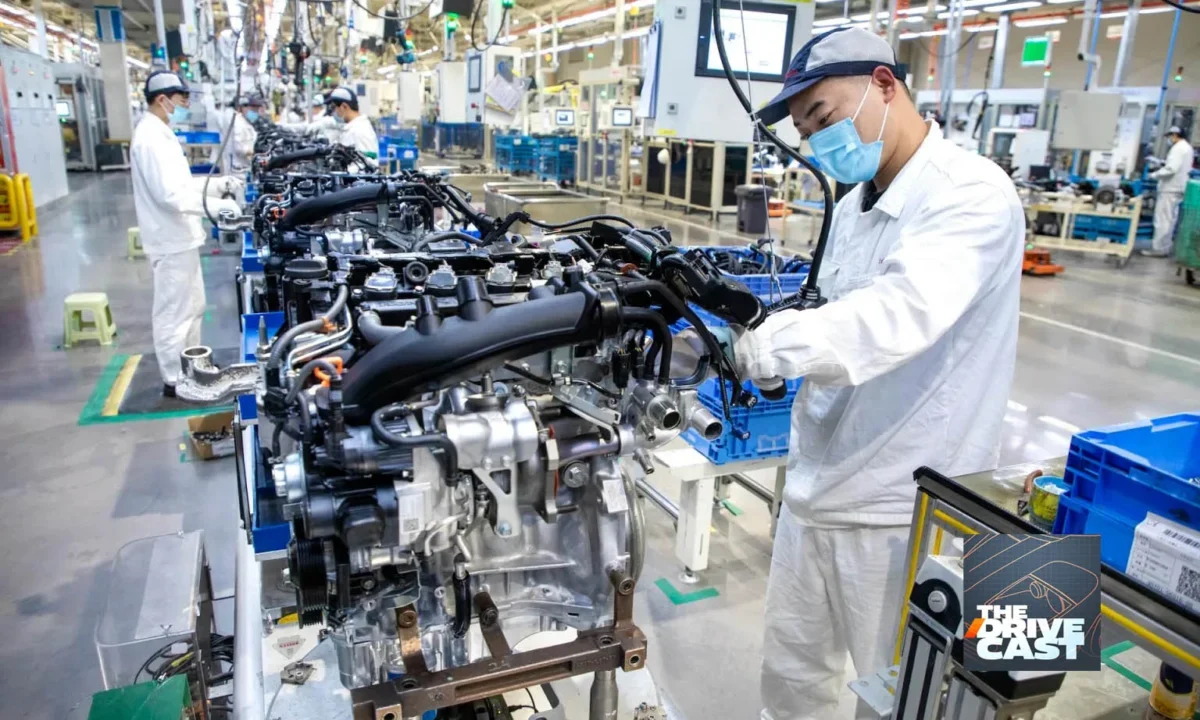

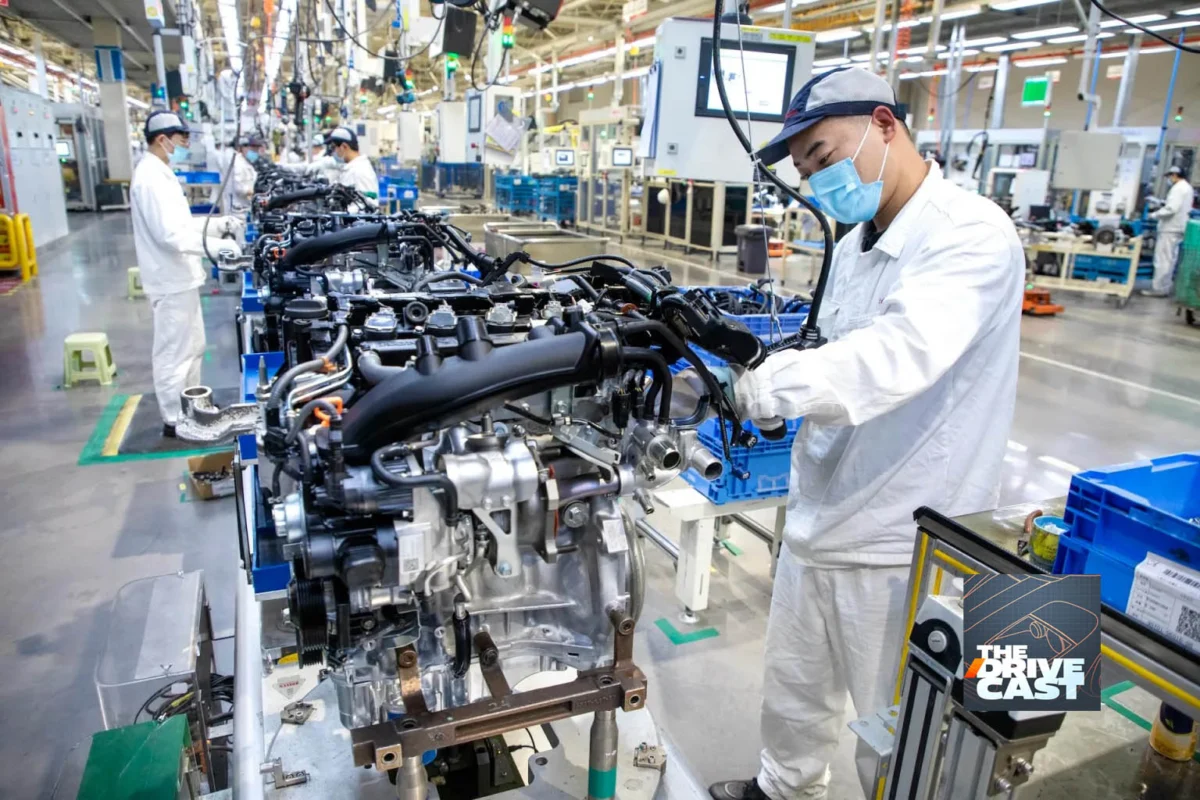
In the high-stakes world of global automotive manufacturing, reputation is a currency that takes decades to earn and only moments to devalue. For years, Japanese automakers Honda and Toyota have stood as the gold standard for "bulletproof" reliability—a promise that resonated with millions of buyers worldwide. However, as the industry shifts toward aggressive electrification, complex software integration, and the relentless pressure of "speed-to-market," that reputation is facing its most significant stress test in history.
The recent, highly publicized struggles surrounding Toyota’s latest-generation twin-turbo V6 engines—which have resulted in widespread recalls and questions regarding the brand’s legendary durability—have sent shockwaves through the industry. For Honda, these events are not merely news; they are a cautionary tale that is currently occupying the minds of the company’s highest-ranking executives.
The Changing Landscape of Automotive Engineering
The modern automobile has evolved from a primarily mechanical machine into a sophisticated software-defined platform. This shift brings immense benefits in terms of efficiency, safety, and performance, but it also introduces vulnerabilities that were unheard of two decades ago.
As cars become more complex, the margin for error has narrowed. During a recent episode of The Drivecast, Honda’s leadership—including Executive Vice President of Honda Motor, Noriya Kaihara, and American Honda President and CEO, Eiji Fujimura—offered a rare, behind-the-scenes look at how the company is evolving its quality control systems to navigate this turbulent era.
The primary challenge is no longer just ensuring a piston moves correctly or a transmission shifts smoothly. Today, engineers must account for millions of lines of code, complex sensor arrays for Advanced Driver Assistance Systems (ADAS), and the integration of hybrid power units. This shift has forced Honda to fundamentally rethink its approach to the vehicle development lifecycle.
Chronology of Quality: From Reactive to Proactive
Historically, automotive quality control was a "gatekeeper" process. A team would develop a product, and a separate quality assurance department would test it, identify flaws, and force revisions before production. While effective for mechanical components, this linear process is proving too slow for the rapid pace of the 2026 market.
Mr. Kaihara, who served as Honda’s global lead for quality control for over a decade, emphasized that the company has moved to a model of "concurrent quality." Instead of waiting for a prototype to be finished before testing it, quality control protocols are now baked into the development phase from Day One.
By integrating these teams during the design and R&D stages, Honda aims to catch "software glitches" or "mechanical interference" before they become structural issues. This not only mitigates the risk of catastrophic failures but also aids in the company’s objective of increasing its speed-to-market—a necessity when competing with the rapid iteration cycles seen in manufacturing superpowers like China and India.
The Pillars of Modern Manufacturing: China, Software, and Precision
During discussions with The Drive, the Honda executive team identified three core pillars that define the current automotive environment: China, manufacturing, and software.
The influence of China cannot be overstated. A few years ago, the flow of knowledge was primarily from Japan to China. Today, the roles have reversed in many sectors, with Chinese manufacturers leading the charge in battery innovation, rapid software updates, and manufacturing agility. Honda is actively engaging with these trends, learning from the rapid-pace development cycles abroad while striving to maintain the traditional Japanese engineering ethos that prioritizes long-term reliability.
Software, however, remains the "wild card." Whether it is the engine management system or the backup camera, everything in a modern vehicle runs on software. As the industry has learned through various recalls across multiple manufacturers, software bugs can be as damaging to a brand’s reputation as a failing head gasket. Honda’s strategy is to treat software with the same rigor as safety-critical hardware, ensuring that code is as "bulletproof" as the legendary naturally aspirated engines that built the company’s name.
Balancing Performance and Reliability: The Naturally Aspirated Holdout
Perhaps the most fascinating aspect of Honda’s current strategy is its divergence from its rivals regarding powertrain architecture. While Toyota has leaned heavily into turbocharging for its larger body-on-frame vehicles (like the Tundra and Sequoia), Honda has chosen a more measured path.
For its high-volume, "heavy-duty" vehicles—the Odyssey, Pilot, Passport, Ridgeline, and Acura MDX—Honda is sticking with a clean-sheet, naturally aspirated V6 engine, augmented by a sophisticated hybrid system. By avoiding the extreme thermal stresses and complexity of turbochargers in these large, high-load applications, Honda is betting that a more traditional, refined approach will yield greater long-term dividends in reliability.
This is not to say Honda is ignoring turbos. The company continues to utilize turbocharged four-cylinder engines in its smaller, lighter vehicles like the Civic and CR-V. However, the distinction is clear: Honda is segmenting its risk. By keeping its flagship family haulers on naturally aspirated foundations, the company is effectively insulating its most loyal customer base from the "turbo-growing pains" that have plagued some of its competitors.
Official Responses and Corporate Philosophy
When asked about the potential for error, the leadership team was refreshingly candid. They do not claim that Honda is immune to mistakes. They acknowledge that failures—whether they be minor wiring issues or more significant mechanical recalls—are an inevitable part of mass manufacturing.
However, the defining difference, according to Mr. Fujimura, is the speed and transparency of the response. "When we want to compete," Fujimura noted, "we first need to look inward and ask, ‘Who is Honda?’" The corporate philosophy centers on "quick action." When an issue is identified, the company’s mandate is to develop a countermeasure and deploy it as quickly as possible to protect the customer.
This culture of "national pride" and professional ownership is what the company believes will keep it ahead of the curve. It is a philosophy that views a recall not as an admission of failure, but as a commitment to maintaining the standard of the product.
The Implications for the Future
As the automotive industry moves toward 2030, the battle for the consumer will be fought on two fronts: technological innovation and sustained reliability.
Toyota’s current struggle serves as a warning that even the most well-intentioned innovation can backfire if the testing phase is rushed. Honda’s strategy of "measured evolution"—integrating new technology only when it meets the internal standard of reliability—appears to be a calculated response to the volatility of the current market.
For the consumer, the implications are clear: the "car as a computer" era is here to stay. While the complexity of our vehicles will continue to grow, the manufacturers that survive will be those that manage to marry the speed of modern software development with the painstaking, traditional engineering discipline that prevents a vehicle from becoming a liability.
Ultimately, Honda is betting that by keeping its "feet quick" and its quality standards uncompromising, it can navigate the complexities of the future without losing the soul of the brand that has kept families on the road for generations. Whether these new, complex hybrid systems will hold up to the 200,000-mile test remains to be seen, but the company’s focus on proactive quality suggests that they are not planning to leave their reputation to chance.
