
By Kelly Stroh | August 3, 2026
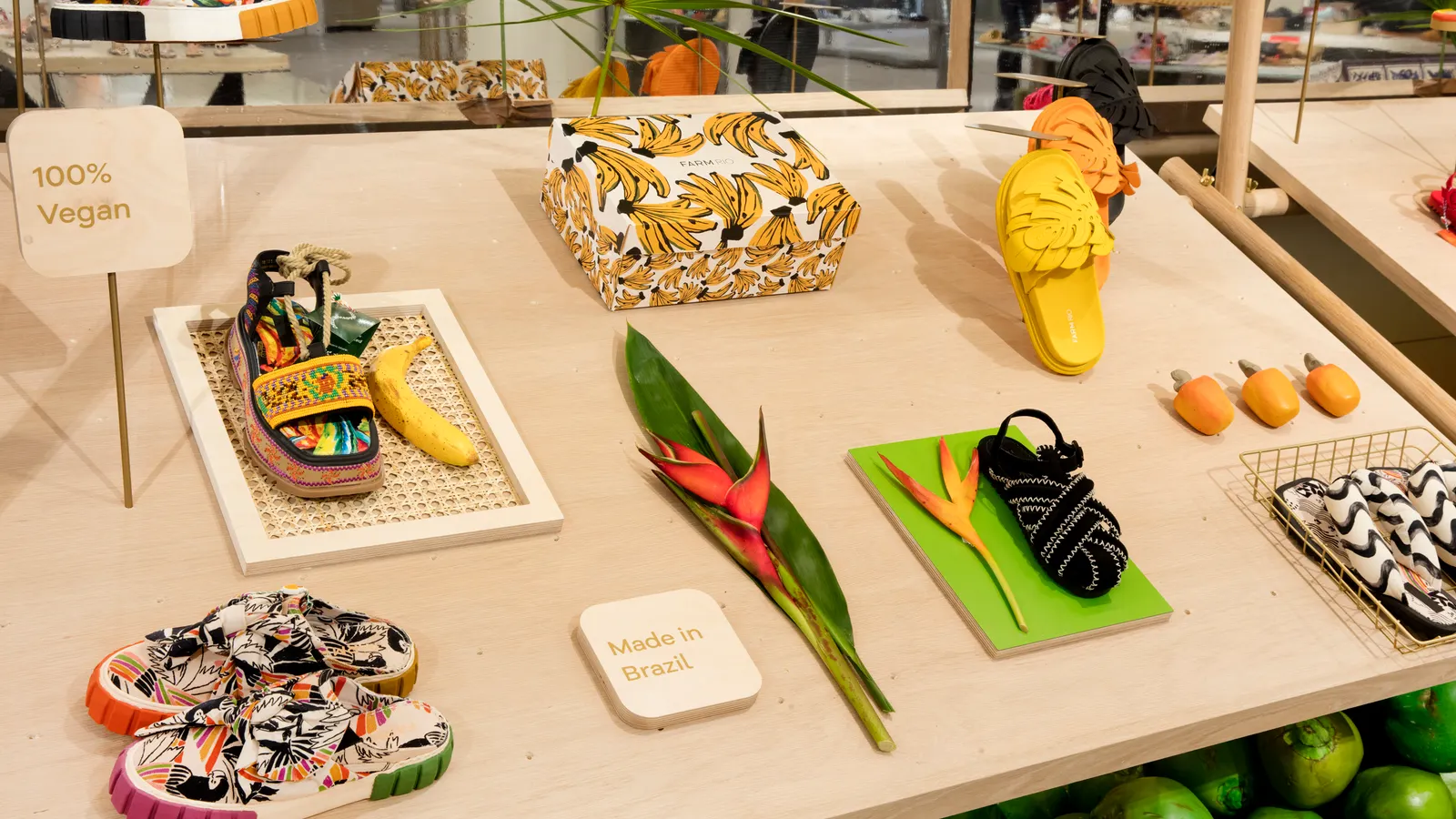
In an era where fashion retailers are increasingly under the microscope for their environmental footprint and ethical sourcing practices, Brazilian apparel powerhouse Farm Rio has taken a decisive step toward operational maturity. The company, known for its vibrant, nature-inspired patterns and rapidly expanding international presence, announced on July 28 that it has selected Inspectorio’s artificial intelligence-powered platform to overhaul its supply chain infrastructure. This digital transformation aims to replace fragmented legacy systems with a unified, data-driven ecosystem capable of supporting the brand’s ambitious global growth trajectory.
As the retail industry faces mounting pressure from both consumers and regulatory bodies—particularly regarding forced labor and sustainability reporting in the United States and Europe—Farm Rio’s move represents a broader trend of mid-to-large-sized apparel brands investing in high-tech "supply chain resilience" to maintain their market position.
The Core Strategic Shift: Moving Beyond Fragmentation
For years, as Farm Rio transitioned from a regional Brazilian favorite to a global household name, it relied on a patchwork of platforms to manage its logistics and quality control. This operational model, while sufficient for a smaller scale, eventually became a liability. The company reported that its previous reliance on disjointed, single-platform solutions led to "fragmented operations," creating silos of information that hindered real-time decision-making and compliance oversight.
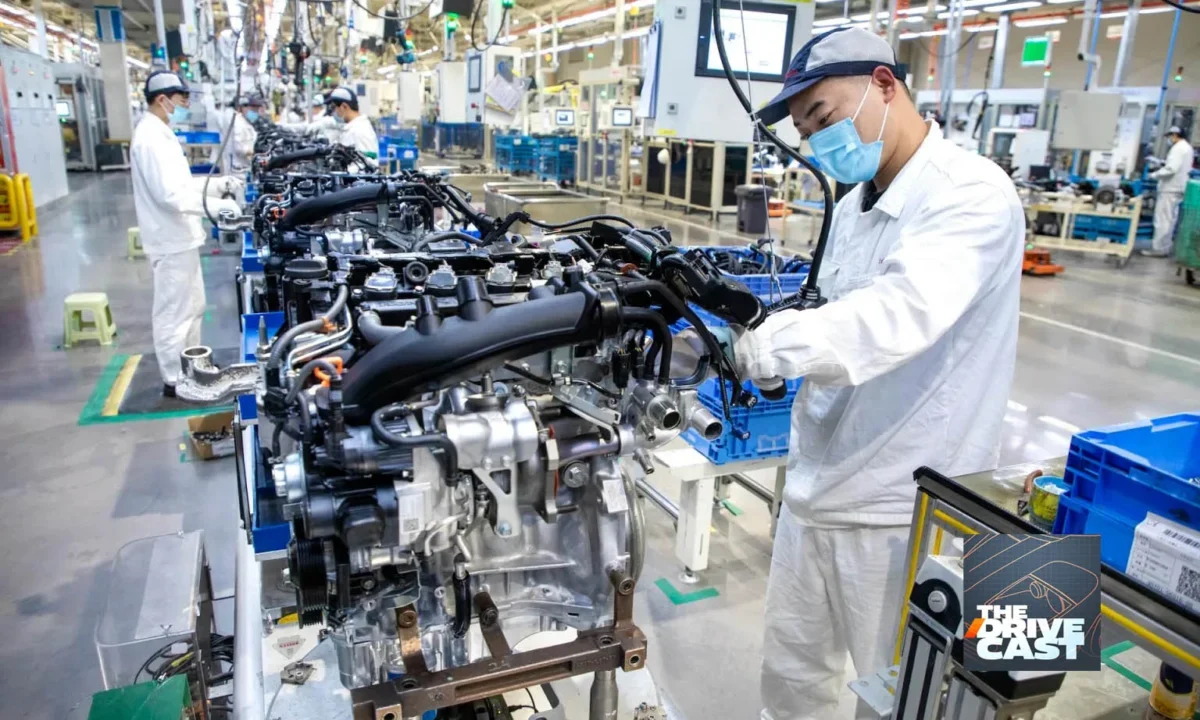
By integrating Inspectorio’s comprehensive software suite, Farm Rio intends to achieve a 360-degree view of its global operations. The partnership focuses on three primary pillars: quality risk management, lab test management, and end-to-end traceability. This transition is not merely an IT upgrade; it is a fundamental shift in how the brand interacts with its tier-one and sub-tier suppliers.
Chronology of Digital Integration
The decision to partner with Inspectorio follows a period of rapid international scaling for the brand. To understand the gravity of this move, it is necessary to look at the timeline of the company’s recent operational evolution:
- Early 2024: Farm Rio identifies significant bottlenecks in its international expansion as manual reporting and disconnected data sources begin to delay product launches and complicate regulatory compliance audits.
- Late 2024: The company begins an audit of its existing digital architecture, recognizing that its current tools lack the necessary scalability to meet the strict "due diligence" requirements mandated by the EU and the U.S.
- Mid-2025: Farm Rio initiates a pilot program with Inspectorio, testing its quality risk management modules within its primary manufacturing hubs.
- July 28, 2026: Official announcement of the comprehensive partnership. Farm Rio confirms the deployment of AI-driven compliance tools, marking the end of its fragmented legacy period.
- Q3 2026 and Beyond: Implementation phases are scheduled to roll out across all global operations, with a focus on integrating real-time document translation and automated data collection by early 2027.
Technical Capabilities and Supporting Data
Inspectorio’s platform is designed to act as a "single source of truth" for complex global supply chains. For Farm Rio, the benefits are categorized into specific technical workflows:
Quality Risk Management
The brand is shifting from reactive to proactive quality control. By standardizing inspection workflows, Farm Rio can now schedule, conduct, and report on quality audits using a unified system. This ensures that a factory in Southeast Asia is evaluated using the exact same metrics as a production partner in South America, reducing the risk of "quality drift."
Lab Test Management
One of the most tedious aspects of the garment industry is the management of lab results for material safety and performance. Farm Rio’s new system centralizes all lab test requests and results, creating an "audit-ready" repository. This is critical for meeting stringent chemical safety standards and fiber composition regulations in diverse global markets.
Traceability and Transparency
Perhaps the most significant addition is the traceability system. This module automates data collection and document validation, effectively removing the human error associated with manual paperwork. The inclusion of real-time document translation is a game-changer for a brand dealing with suppliers who speak dozens of different languages, ensuring that compliance documentation is accurately interpreted and validated instantly.

The Industry Context: A Wave of Digital Transformation
Farm Rio is far from alone in this transition. The apparel industry has seen a massive influx of investment into supply chain software as the "black box" of manufacturing is forced open by consumer demand for transparency.
Gap, for instance, has been working with Inspectorio to advance its data collection efforts, acknowledging that the complexity of modern supply chains requires AI to parse through the sheer volume of compliance data. Similarly, Spanish retailer Mango adopted Inspectorio’s lab test management tools in 2025 to inform its sourcing decisions.
The move by Renfro Brands—a leader in the legwear sector—to expand its partnership with Inspectorio to include responsible sourcing and regulatory compliance underscores the industry’s shift toward "integrated compliance." These brands are all moving away from treating "compliance" as a secondary task and instead embedding it into the core manufacturing process via AI.
Official Responses and Strategic Implications
While Farm Rio has not publicly disclosed the specific financial terms of the deal, the move is widely seen by industry analysts as a necessary investment for any brand wishing to maintain its "premium" status. In a market where a single scandal regarding forced labor or environmental mismanagement can erase years of brand equity, digital transparency is no longer optional—it is a competitive necessity.
The implications of this partnership are threefold:

- Regulatory Preparedness: With the EU’s Corporate Sustainability Due Diligence Directive (CSDDD) and the U.S. Uyghur Forced Labor Prevention Act (UFLPA) setting a high bar for documentation, Farm Rio is effectively "future-proofing" its supply chain against legal and trade risks.
- Scalability: By automating administrative tasks, Farm Rio’s internal teams can shift their focus from checking paperwork to building better relationships with suppliers and refining product designs.
- Brand Integrity: For a brand that thrives on colorful, vibrant designs inspired by the natural world, the irony of a dirty supply chain would be catastrophic. By leveraging technology to ensure ethical production, Farm Rio is aligning its internal operations with the values it projects to its customers.
Looking Ahead: The Future of the "Transparent Garment"
As Farm Rio begins the full-scale integration of the Inspectorio platform, the industry will be watching closely to see how the brand balances rapid growth with rigorous oversight. The shift from a fragmented system to an AI-powered, centralized model marks the transition of Farm Rio from a "fast-growing label" to a "globally mature retailer."
The success of this implementation will depend on how effectively the brand can onboard its diverse network of global suppliers to the new platform. If successful, the move will provide a blueprint for other mid-sized brands that find themselves struggling to maintain compliance while managing the complexities of international trade.
In the final analysis, Farm Rio’s investment is an acknowledgment of a new reality in the fashion industry: the product is no longer just the clothing on the rack—it is the entire story of how that garment was made, from the initial fiber to the final stitch. By digitizing that story, Farm Rio is ensuring that it can continue to expand its footprint with confidence, knowing that its operations are as vibrant and well-constructed as the designs for which it is famous.
