


As the global sporting community sets its sights on Los Angeles for the 2028 Summer Olympic Games, the spectacle carries a weight far greater than the mere pursuit of athletic gold. With an estimated audience of over five billion people—the largest human gathering in history—the 2028 Games arrive at a precarious intersection of mega-event ambition and environmental necessity.
Los Angeles, a sprawling metropolis that has frequently served as the front line of the climate crisis, is currently navigating a complex recovery from devastating wildfires. This backdrop forces an uncomfortable but essential question: Can the world’s most prestigious sporting event be a catalyst for urban resilience and sustainable policy, or is the inherent carbon footprint of such a global spectacle fundamentally incompatible with a warming planet?
To address these pressing concerns, a high-level webinar—part of the official London Climate Action Week programming—is scheduled for 23 June 2026. The event aims to dissect the intersection of urban planning, disaster recovery, and the future of global sports.
Main Facts: The 2028 Challenge
The Los Angeles 2028 Organizing Committee (LA28) has made bold promises to transform the Olympic model. Unlike many previous hosts, which invested billions into the construction of brand-new, often underutilized "white elephant" stadiums, LA28 has pledged to rely exclusively on existing or temporary venues.
Key takeaways for the upcoming webinar:
- Event Date: 23 June 2026, 16:00–17:00 CEST (15:00–16:00 BST).
- Format: Global Webinar.
- Audience: Open to the public, policymakers, urban planners, and environmental advocates.
- The Core Conflict: Balancing the immense logistical pressure of hosting a "standout global show" with the urgent need to rebuild a city ravaged by fire and prone to future climate-related instability.
Chronology: A City in Transition
To understand the stakes of 2028, one must look at the timeline of Los Angeles’ recent history and its path toward the opening ceremony.
2017–2021: The Bid and the Vision
Following the official award of the Games to Los Angeles, the narrative centered on the "New Games" model. By committing to zero new permanent venue construction, organizers sought to minimize the carbon-intensive concrete and steel production usually associated with the Olympics.
2022–2025: The Climate Reality Check
The intervening years have been marked by catastrophic wildfire seasons. The psychological and physical toll on the city’s infrastructure has forced planners to pivot. The focus shifted from "hosting a show" to "building a city that can survive the show."
2026: The Critical Junction
The 2026 London Climate Action Week session serves as a mid-point diagnostic. With two years remaining until the Games, the discussion will center on whether the pledges made during the bidding phase have been codified into actionable policy or if they remain optimistic rhetoric.
2027–2028: The Implementation Phase
The final lead-up will test whether the city’s new "mobility patterns"—designed to reduce car reliance—can hold up under the pressure of millions of international tourists.
Supporting Data: The Environmental Footprint of Mega-Events
The challenge for LA28 is supported by sobering data regarding the environmental impact of large-scale events.
Carbon Intensity of Travel
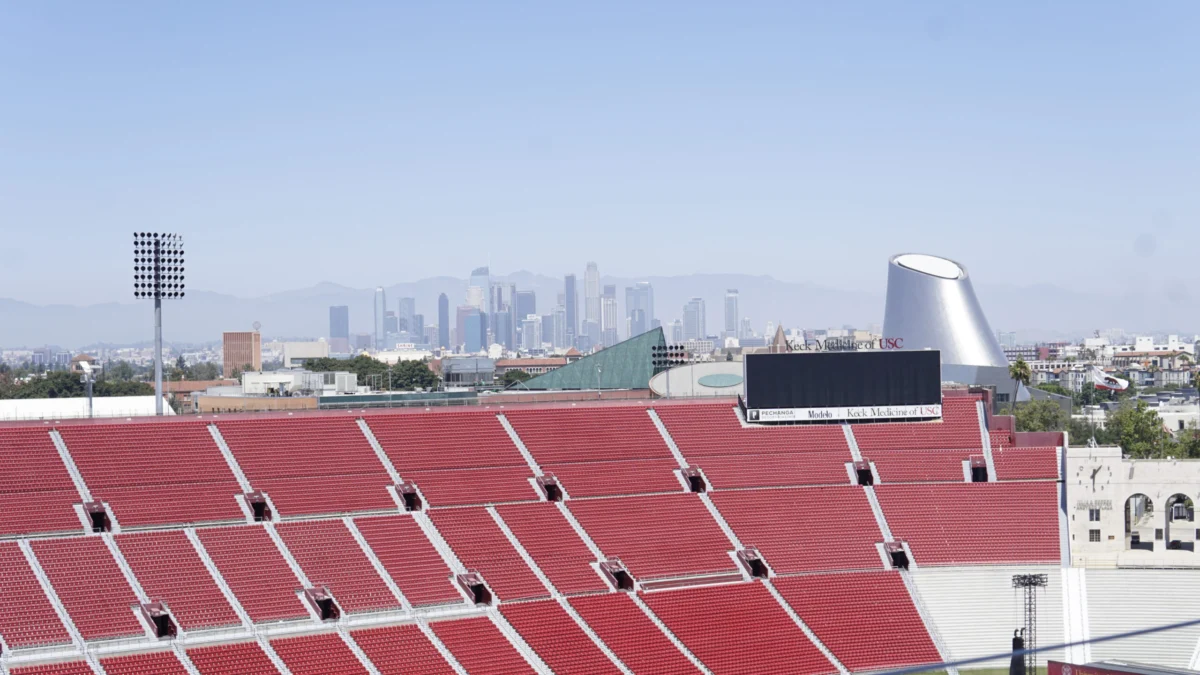
Research suggests that approximately 70–80% of the carbon footprint of an Olympic Games stems from spectator travel and the construction of facilities. By utilizing existing infrastructure like the Los Angeles Memorial Coliseum and various university facilities, LA28 is attempting to eliminate the "construction debt" that burdened hosts like Athens 2004 or Sochi 2014.
Urban Heat and Wildfire Resilience
Los Angeles faces a unique set of hazards:
- Urban Heat Island Effect: As temperatures rise, the concentration of spectators in asphalt-heavy urban centers poses a public health risk.
- Wildfire Risk: Urban-wildland interfaces in Southern California are increasingly flammable. The 2028 infrastructure plan must account for smoke-impacted air quality, which could potentially pause outdoor events.
Mobility Shifts
Los Angeles is famously car-centric. To achieve a sustainable Games, the city is betting on a massive expansion of its public transit network, specifically the "Twenty-Eight by ’28" initiative, which aims to complete 28 major transit projects before the Olympics begin.
Official Responses and Strategic Shifts
The International Olympic Committee (IOC) and the LA28 Organizing Committee have issued several statements emphasizing a "New Norm" for Olympic hosting.
The Sustainability Pledge
Organizers have stated that the goal is to set a "model for what a more sustainable global event can look like." This involves:
- Circular Economy: Implementing zero-waste policies at all venues.
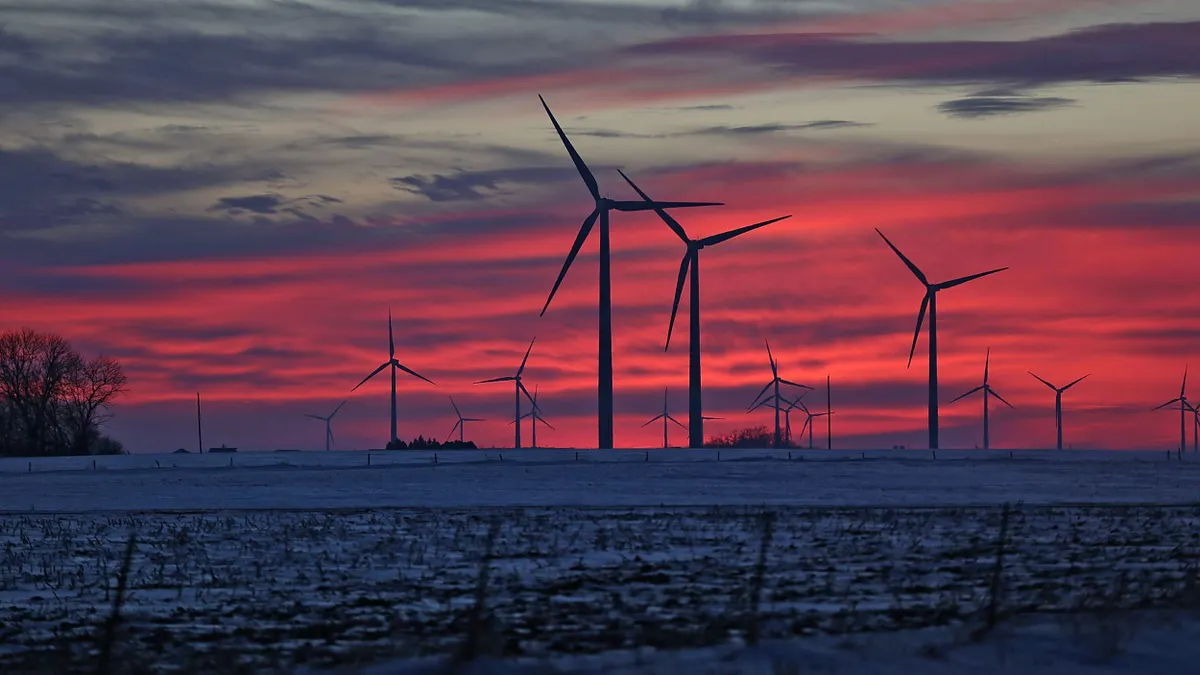
- Renewable Energy: Leveraging California’s robust solar and wind grid to power the Games.
- Public Transit Focus: Minimizing individual car use through a massive, event-specific public transportation coordination plan.
Addressing the Skeptics
Critics argue that "temporary venues" still require significant carbon-intensive logistics, such as the transport and assembly of grandstands and lighting rigs. Furthermore, skeptics question if the influx of five billion viewers’ worth of media equipment and global travel can ever be truly "green." The webinar will provide a platform for these critical perspectives, moving beyond the official press releases to ask: Are these efforts sufficient?
Implications: A Blueprint for the Future?
The implications of the Los Angeles 2028 Games extend far beyond the United States. If Los Angeles can demonstrate that a city can recover from natural disaster while simultaneously hosting the world’s largest event with a minimal carbon footprint, it will change the criteria for all future Olympic hosts.
Redefining Urban Policy
The Games are being used as an accelerator for policy changes that might otherwise take decades. Improvements in water management, public transit, and disaster-response protocols are being "fast-tracked" under the Olympic mandate. The question for urban planners is whether these benefits will remain once the last athlete has left the city.
The Future of Athletic Prowess
Can the Olympics continue to provide a stage for athletic excellence in a world of climate volatility? The 2028 Games may represent the end of the "gigantic" era of sports. Future iterations may need to be smaller, more regional, or more distributed to remain ethical.
The Human Element
Finally, the interaction between wildfire recovery and the "show" is a deeply human concern. The webinar will explore how the resilience of a local population is affected when their home is transformed into a global stage. Does the pride of hosting outweigh the disruption, or does the pressure to perform exacerbate the trauma of recent climate events?
Conclusion: The Path Forward
The upcoming webinar during London Climate Action Week is more than an academic exercise; it is an interrogation of the modern Olympic philosophy. As we look toward 2028, the narrative is shifting from "faster, higher, stronger" to "smarter, cleaner, more resilient."
Whether Los Angeles succeeds in this transition will depend on the transparency of its data, the strength of its public-private partnerships, and the city’s ability to put its own citizens’ resilience ahead of the spectacle. Join the conversation on 23 June 2026 to hear from the experts navigating these complex waters.
For those interested in the future of urban environments and the survival of global culture, this event marks a critical milestone in the journey toward a more sustainable, albeit challenging, future for international sport.
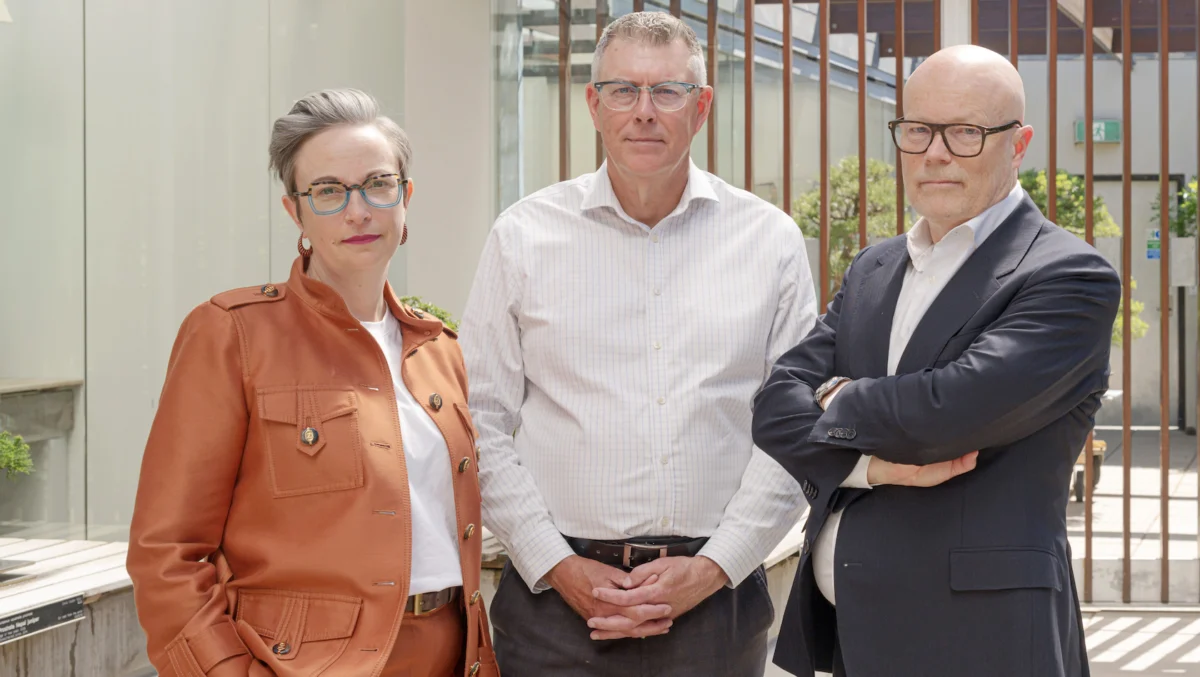
For more information on the webinar or to register, please visit the event organizers’ official portal. The session will feature a panel of experts in urban climatology, sports management, and disaster recovery.
