



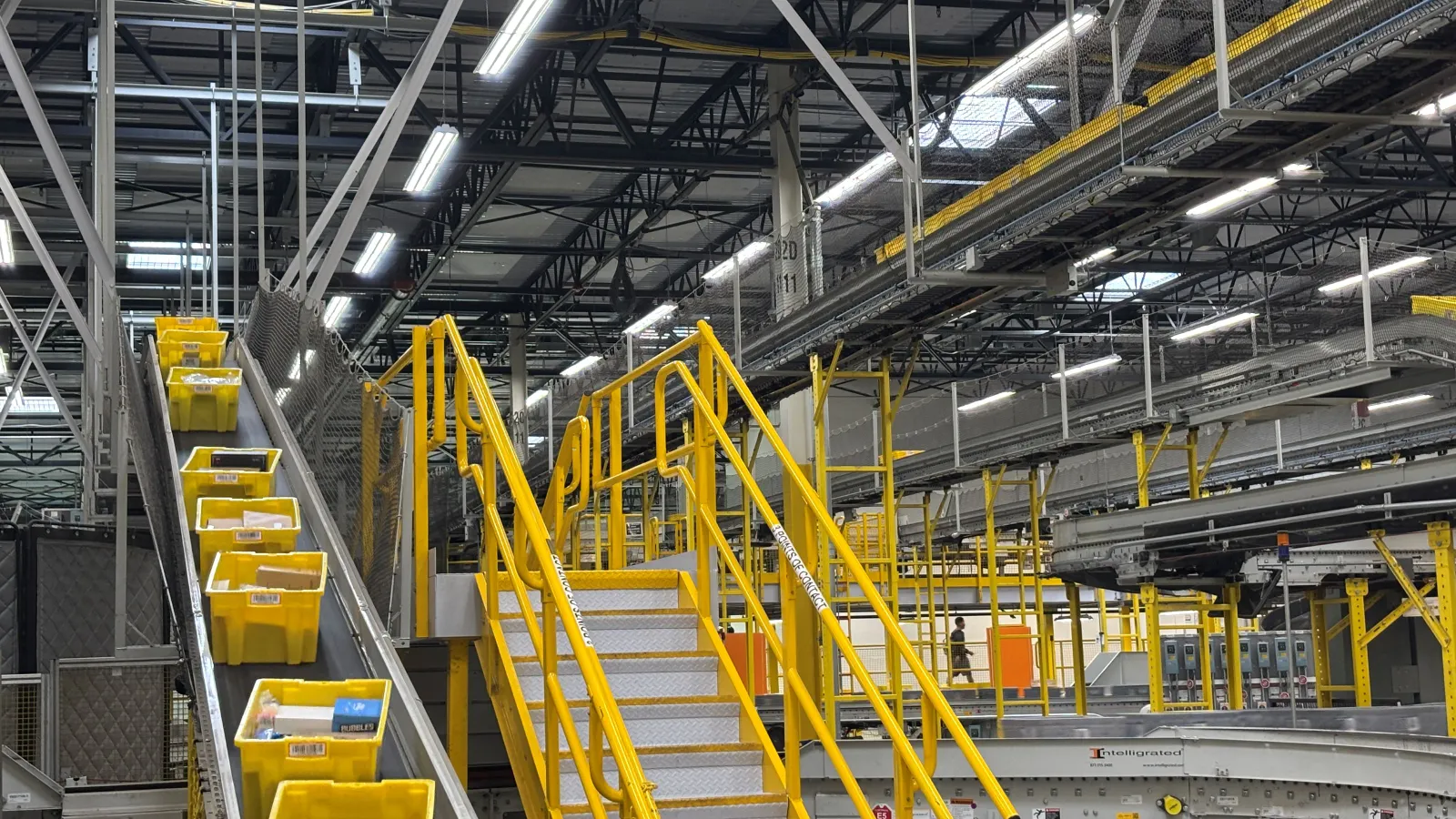
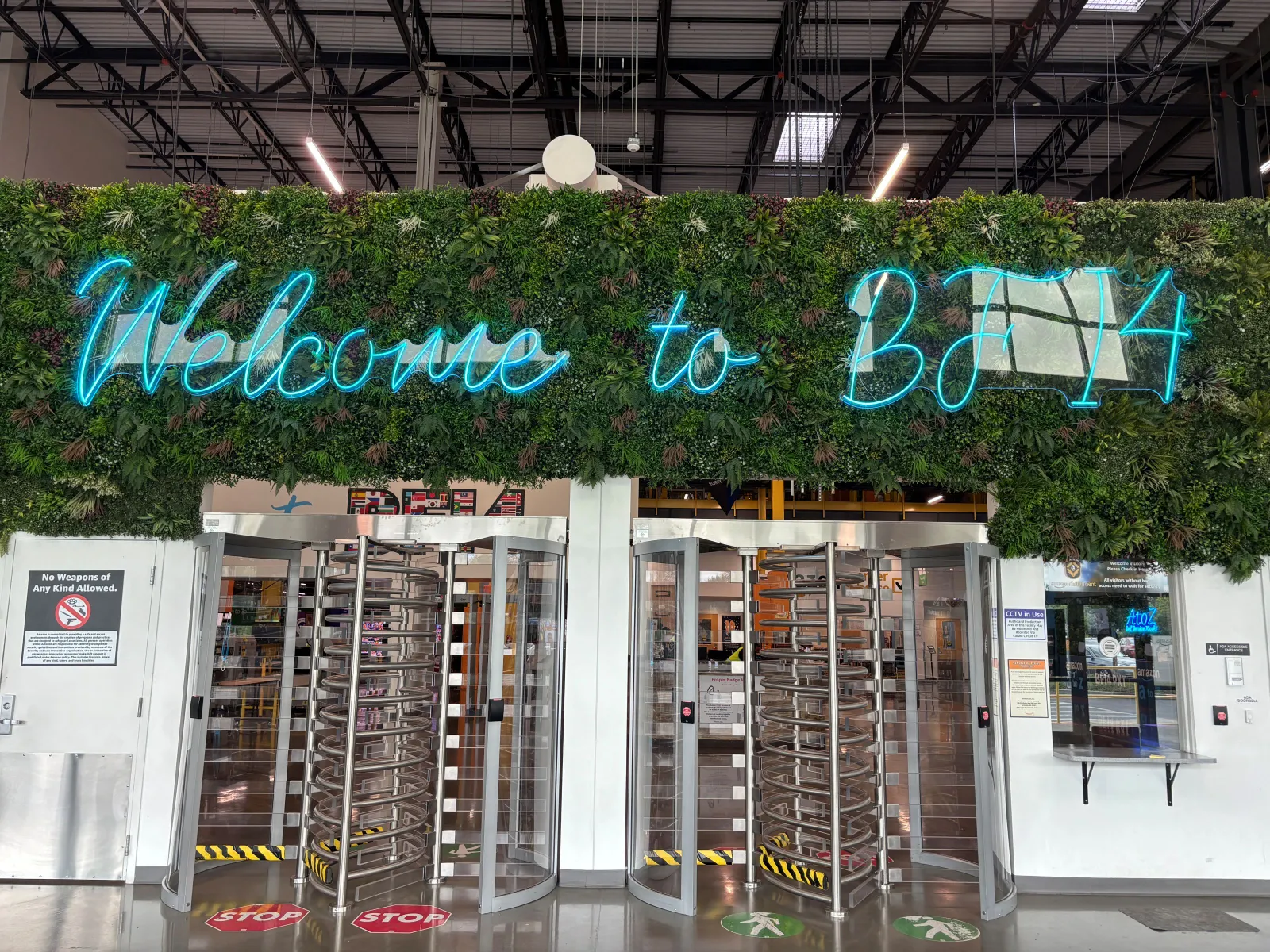
In the high-stakes world of modern e-commerce, the distance between a "Buy Now" click and a package appearing on a porch is measured in milliseconds of data processing and miles of internal logistics. Nowhere is this more apparent than at Amazon’s BFI4 fulfillment center in Kent, Washington. As one of the crown jewels in the e-commerce giant’s sprawling North American infrastructure, this facility serves as a blueprint for the future of industrial logistics, capable of processing over one million items every single day.
By synthesizing human intuition with a complex ecosystem of robotics, sensor-laden workstations, and algorithmic pathfinding, BFI4 represents a radical departure from the traditional, static warehouse model. This is an exploration of how a facility of this magnitude operates, the technology driving its efficiency, and the broader implications for the global supply chain.
The Anatomy of a Logistics Giant
Since its inception in 2016, BFI4 has been a pioneer in the integration of high-density automation. Occupying a massive footprint, the facility is designed to optimize every cubic foot of storage space. The site employs approximately 3,500 associates who work in tandem with thousands of autonomous mobile robots (AMRs).
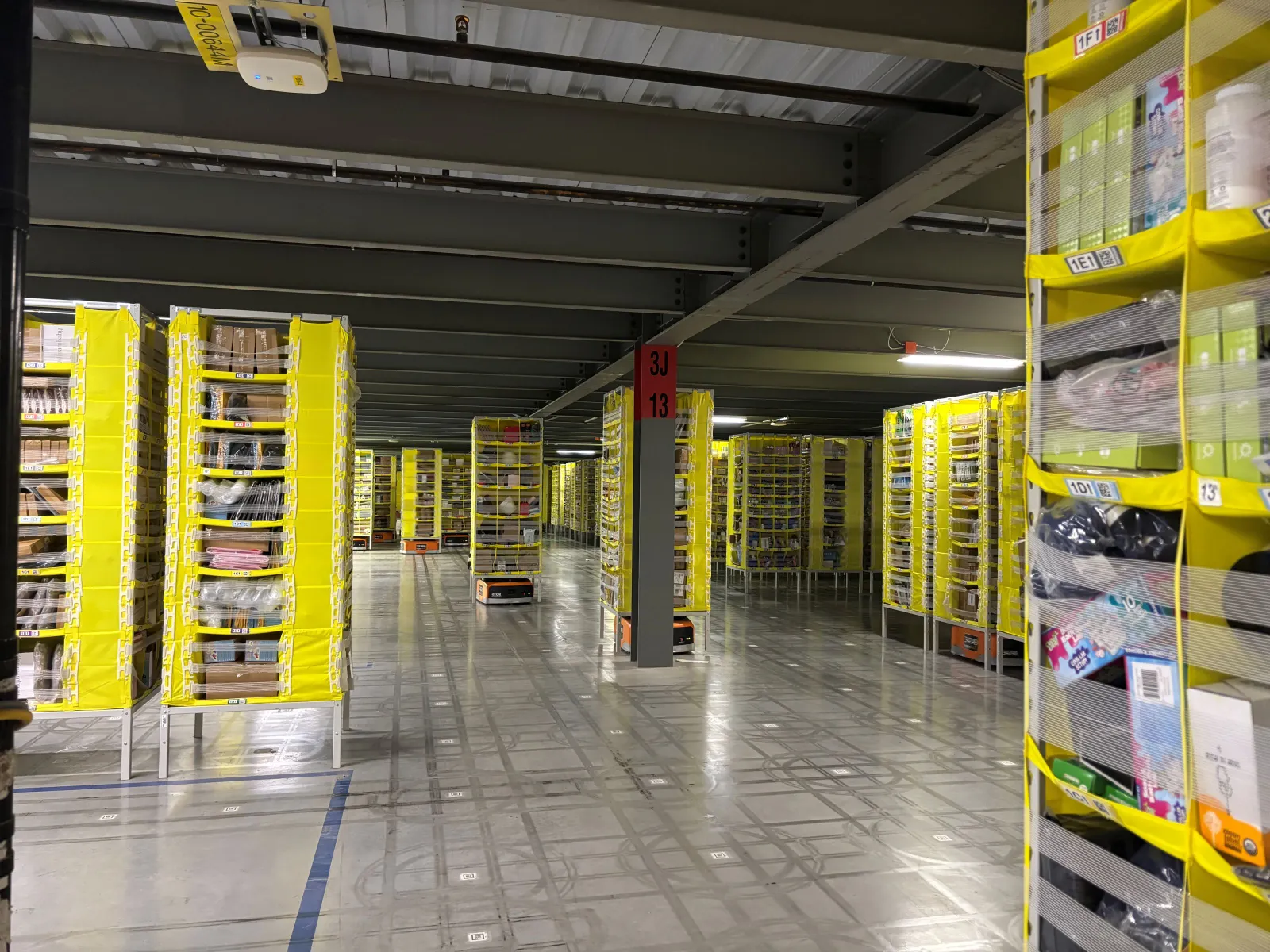
The core philosophy at BFI4 is "goods-to-person" logic. Rather than requiring human workers to traverse the warehouse floor to find products, the warehouse brings the products to the workers. This shift reduces the physical strain on employees, increases picking accuracy, and drastically improves the velocity of inventory turnover.
A Chronology of the Order: From Truck to Porch
To understand the complexity of BFI4, one must follow the life cycle of a parcel as it travels through the facility’s veins.
1. Inbound Processing
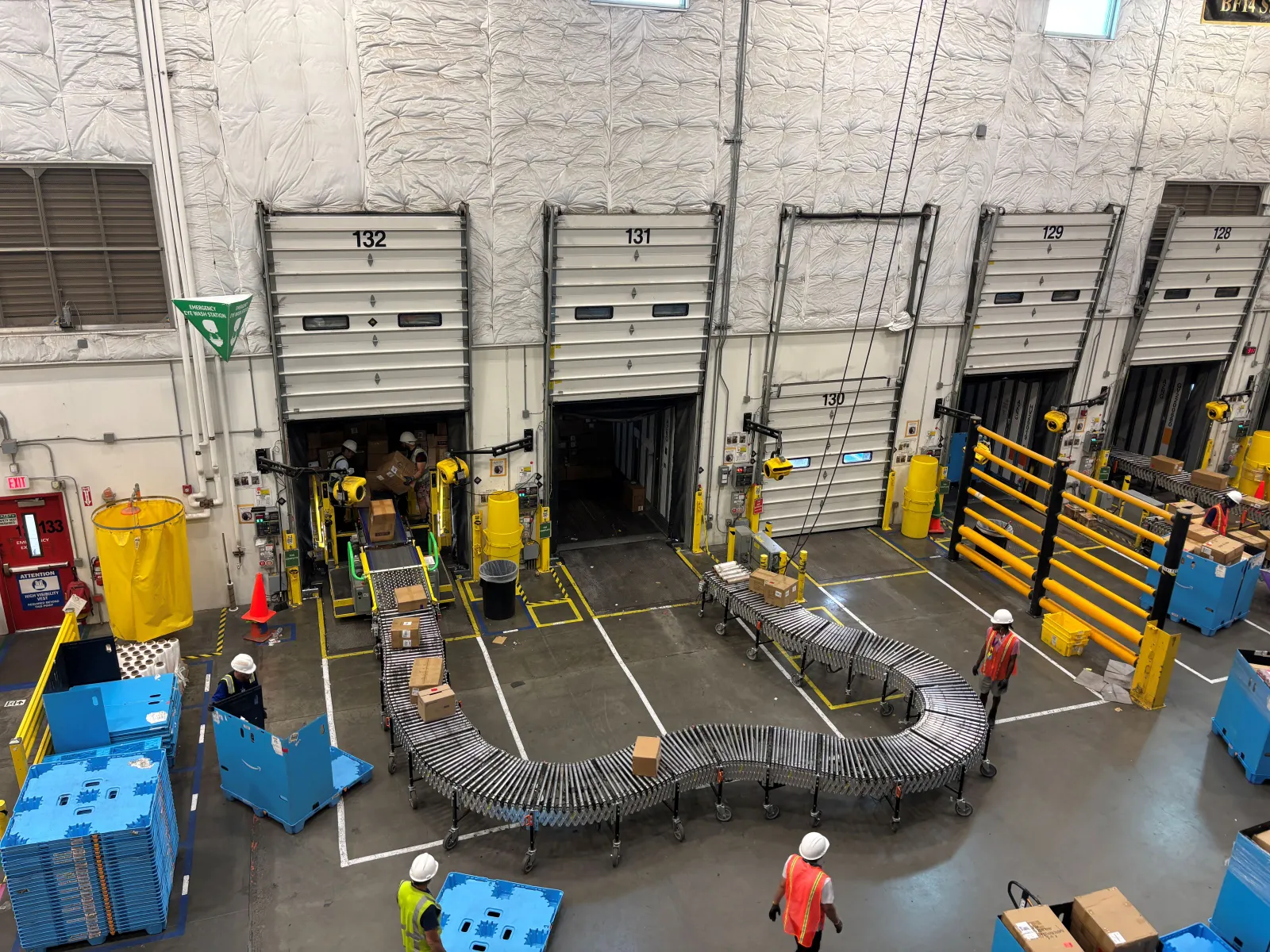
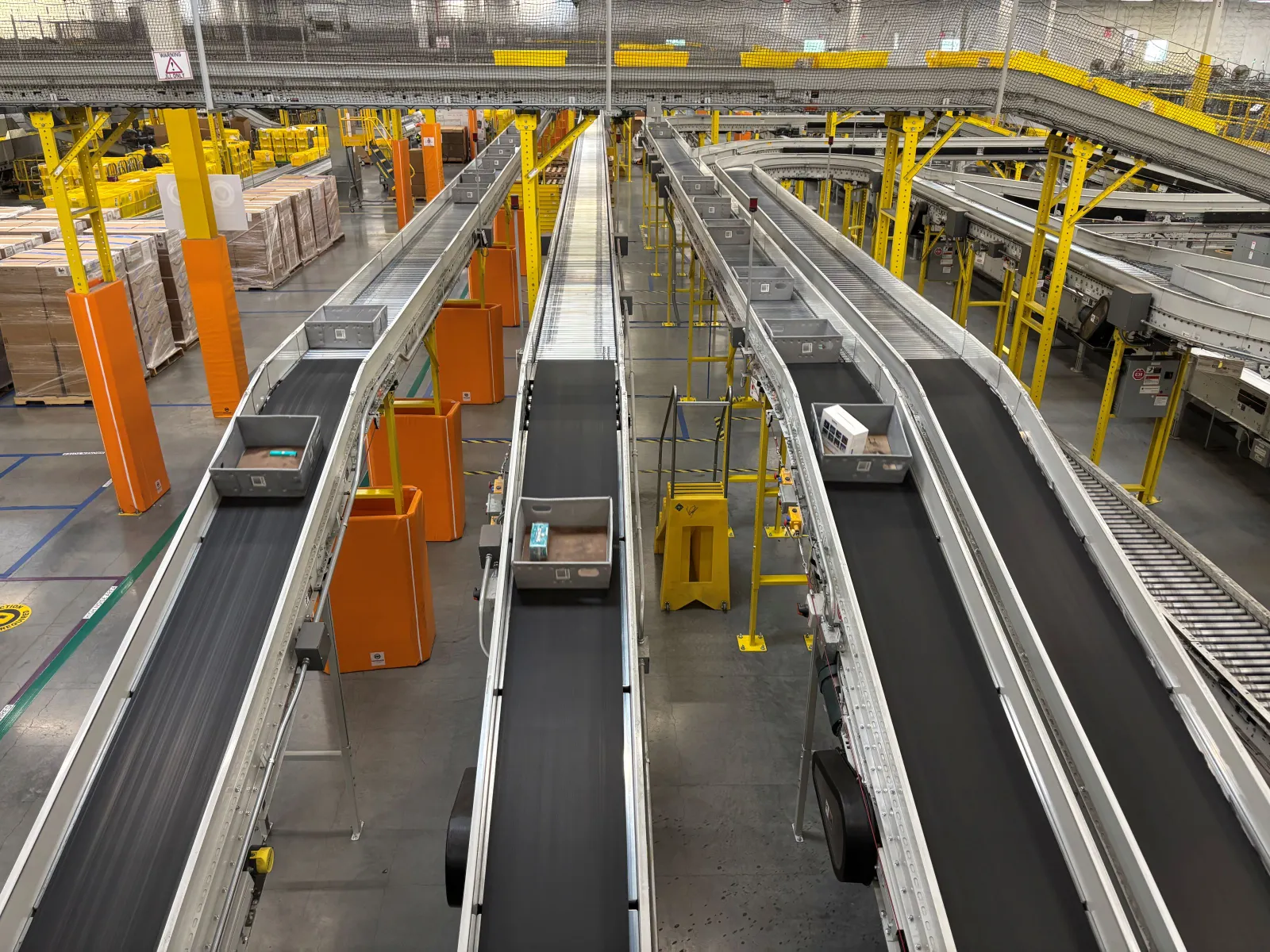
The journey begins at the loading docks, where tractor-trailers arrive daily. Associates unload goods onto high-speed conveyor systems. These items are then transported to "Universal Stations." At these ergonomic hubs, employees stow inventory onto proprietary "pods"—tall, vertical shelving units that serve as the fundamental unit of storage.
2. The Robotics Dance
Once stowed, the pods are lifted and transported by Hercules robots—the workhorses of the Amazon fleet. These robots navigate a dedicated, fenced-off zone within the warehouse, utilizing a sophisticated grid system to bring inventory to picking stations. If a robot encounters an obstruction or a technical glitch, "Amnesty Floor Monitors" are deployed to resolve the issue, ensuring that the rhythm of the floor remains uninterrupted.
3. Precision Picking
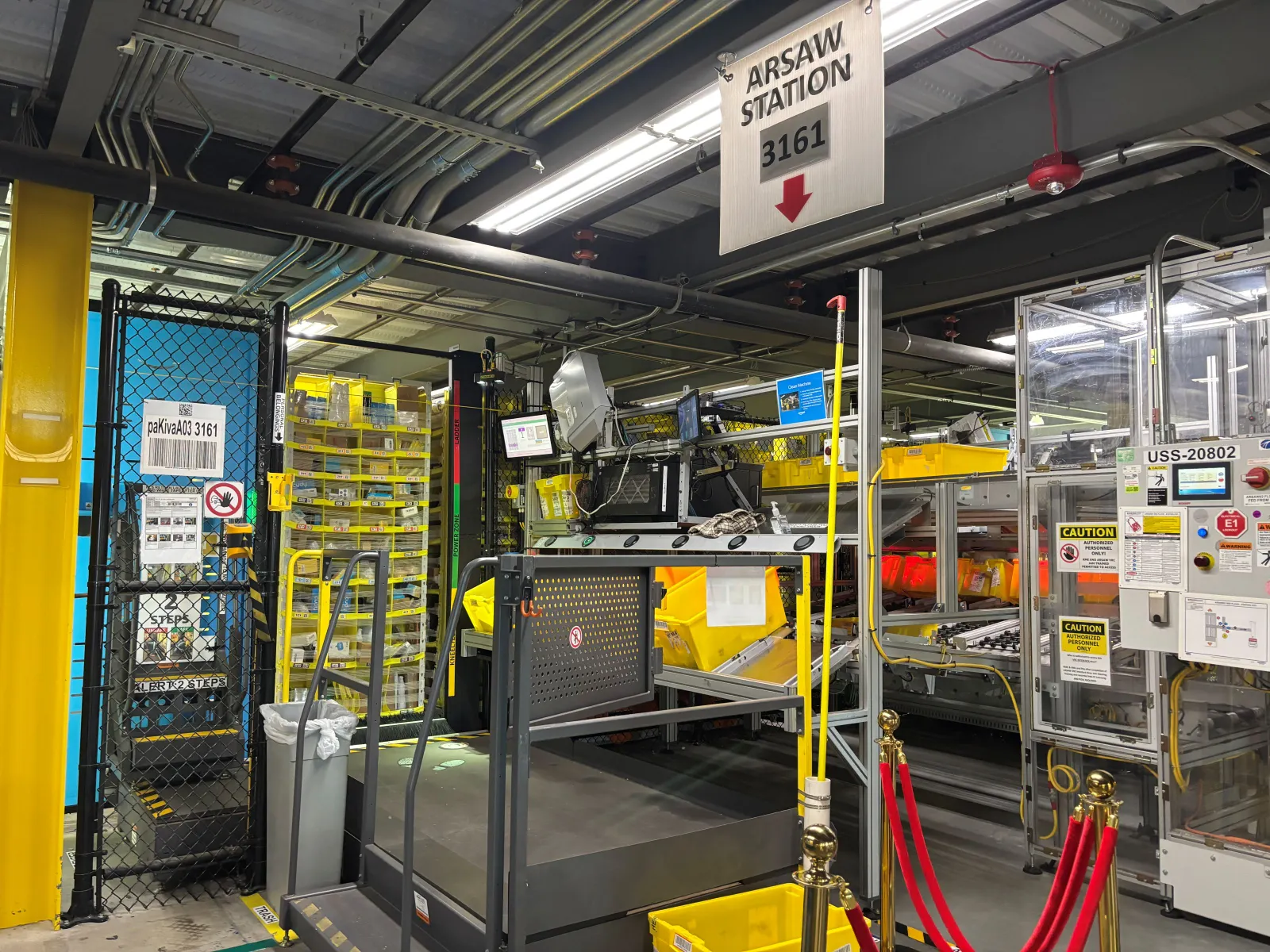
When a customer places an order, the system signals the Hercules robots to retrieve the specific pod containing the required item. The pod arrives at an Amazon Robotics Semi-Automated Workstation (ARSAW). Here, technology-enhanced systems use overhead projectors to highlight the exact shelf and product, eliminating the "search time" associated with traditional warehousing. The associate picks the item and places it into a tote, which is then whisked away by a secondary conveyor network.
4. Smart Packing
The final stage is the most technologically impressive. The system routes totes based on order complexity. Single-item orders and multi-item orders follow separate, automated paths. For single items, the CW1000 packaging machine takes over. Using advanced sensors, it measures the item in real-time and cuts custom-sized cardboard, applying only the necessary amount of protective wrap. This minimizes waste and ensures shipping efficiency. For complex, multi-item orders, manual packing stations are used, where human dexterity is augmented by systems that dictate box size and provide automated tape dispensing.
5. Outbound Logistics
Once sealed, the packages are sorted by destination and loaded onto trailers. These trailers depart for regional sorting centers or final-mile delivery stations, marking the end of the facility’s role in the supply chain.
Supporting Data and Technical Infrastructure
The sheer scale of BFI4 is supported by a robust data infrastructure. The facility operates on a "predictive inventory" model, where machine learning algorithms analyze historical buying patterns to determine which items should be stored closer to the picking stations.
- Daily Capacity: 1,000,000+ parcels.
- Workforce: ~3,500 associates.
- Storage Density: Four floors of inventory pods.
- Automation Ratio: High, with robotics handling 100% of internal pod transport.
The use of the CW1000 machine is particularly notable for environmental metrics. By rightsizing packaging, Amazon reduces the volume of air shipped, allowing more packages to fit on a single truck. This reduces the carbon footprint per parcel and lowers overall transportation costs—a critical factor in the company’s "Climate Pledge" initiatives.
Official Perspective: The Human-Machine Partnership
Amazon maintains that the goal of this automation is not to replace the human element, but to enhance it. The "Universal Station" and ARSAW configurations are designed with ergonomics at the forefront, aiming to reduce repetitive motion injuries and the fatigue associated with walking miles per shift.
"Our technology is designed to work with our associates to make their jobs safer and more efficient," a spokesperson noted. The company emphasizes that the role of the associate has evolved from "picker" to "process manager." Associates at BFI4 are trained not just in manual labor, but in managing the software and robotics systems that power their stations. This upskilling is a central component of Amazon’s broader labor strategy, aimed at creating a more tech-literate workforce capable of navigating an increasingly automated industrial landscape.
Implications for the Global Supply Chain
The BFI4 model serves as a bellwether for the future of industrial real estate and supply chain management. The implications of this technological integration are threefold:
1. The Rise of the "Micro-Fulfillment" Concept
BFI4 proves that high-density automation allows companies to process immense volumes in relatively compact footprints. This encourages retailers to move fulfillment centers closer to urban cores, shortening the "last mile" and enabling same-day or next-day delivery promises that have become the industry standard.
2. Labor Market Shifts
As warehouses transition from manual labor sites to tech-driven environments, the demand for warehouse labor is shifting toward technical maintenance, robotics troubleshooting, and data analytics. This necessitates a change in how logistics companies approach recruitment and vocational training.
3. Sustainability Through Automation
The integration of sensor-driven packaging machines at BFI4 underscores how automation can be a tool for environmental stewardship. By optimizing material usage, Amazon demonstrates that efficiency and sustainability are not mutually exclusive; rather, they are two sides of the same logistical coin.
Conclusion: The Horizon of Logistics
Standing on the floor of BFI4, watching the quiet, coordinated ballet of Hercules robots and the rhythmic movement of goods through automated scanners, it becomes clear that the warehouse of the past is gone. In its place is a highly responsive, data-informed ecosystem that operates with a level of precision that was unimaginable two decades ago.
As consumer expectations for speed and accuracy continue to climb, facilities like BFI4 will remain the bedrock of the modern economy. While the technology behind these walls will undoubtedly continue to evolve—likely incorporating more advanced AI and perhaps autonomous packing arms—the core mission remains unchanged: to bridge the gap between global supply and individual demand with unprecedented efficiency. BFI4 is not just a building in Kent, Washington; it is a prototype for the next generation of global commerce.
