


The global food system is teetering on the edge of a systemic collapse as a convergence of extreme climate phenomena and persistent geopolitical volatility drives up the cost of basic nutrition. In a sobering report released this past Friday, the United Nations Food and Agriculture Organization (FAO) revealed that the cost of staple foods surged in July 2026, marking a significant reversal of the downward trends observed throughout the previous year. As millions of people teeter on the brink of starvation, the intersection of record-breaking heatwaves, energy market instability, and disrupted supply chains has created a "perfect storm" for global food security.
Main Facts: The July Price Surge
According to the latest data from the FAO’s Food Price Index (FPI), the average cost of a basket of staple goods reached 131.1 points in July 2026. This represents a tangible one-percent increase compared to 2025 figures, a shift that may seem marginal in macroeconomic terms but translates to life-altering hardship for the world’s most vulnerable populations.
The volatility is primarily concentrated in essential dietary categories. The cereal price index, in particular, saw a sharp 3.4 percent jump from June levels. Wheat, the cornerstone of global caloric intake, saw a staggering 5.8 percent price increase, fueled by persistent disruptions to Black Sea exports—a direct consequence of the ongoing conflict between Ukraine and Russia. Simultaneously, the vegetable oil index climbed to its highest valuation since 2022, driven by a combination of tightening supplies and a surge in demand from the Indonesian biodiesel sector, which is increasingly competing with food production for land and resource allocation.
A Chronology of Instability: How We Reached This Point
The current crisis is not a sudden anomaly but the culmination of several years of mounting pressures:
- Early 2025: Initial signs of a stabilization in food prices provided a brief window of hope, as agricultural markets adjusted to post-pandemic shifts.
- Late 2025 – Early 2026: Geopolitical tensions in the Middle East and Eastern Europe intensified, leading to an oil price crisis that inflated the costs of fertilizers and mechanical farming operations.
- Spring 2026: The onset of a powerful El Niño event began to materialize, threatening crop yields in the Southern Hemisphere and Southeast Asia.
- June 2026: The UN issued a dire warning regarding the health of the world’s oceans, noting that marine degradation was beginning to impact global biodiversity and, by extension, food security.
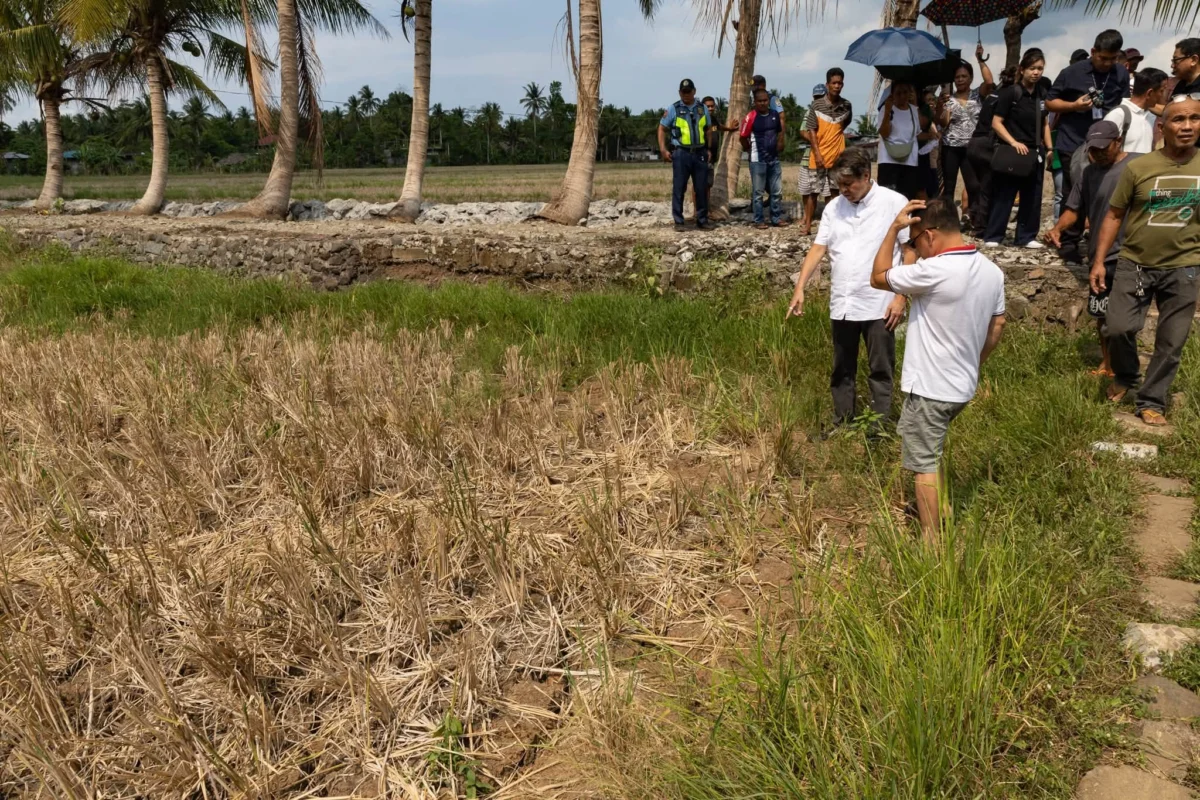
- July 2026: A series of record-shattering global heatwaves transformed agricultural landscapes into dust bowls, triggering the FAO’s latest spike in the FPI.
- August 6, 2026: In a rare display of regional cooperation, five South American nations launched a major crackdown on environmental crime, arresting hundreds linked to illicit mining and livestock operations—activities that further undermine local food security.
Supporting Data: The Anatomy of Hunger
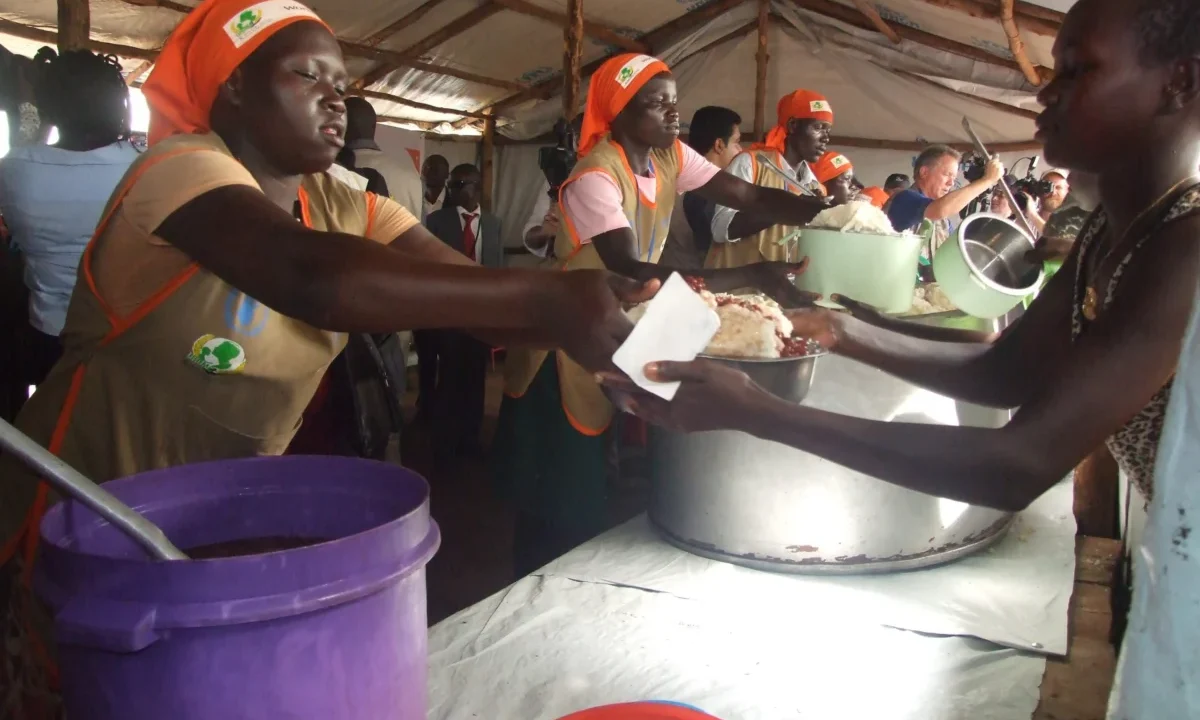
The raw numbers behind the current crisis paint a harrowing picture of human suffering. Despite localized improvements in harvests in regions like Malawi, the UN reports that nearly 1.9 million people remain trapped in "Phase 3" of the Integrated Food Security Phase Classification (IPC), signifying crisis levels of acute food insecurity.
The link between energy prices and food costs is increasingly inextricable. Because modern industrial agriculture relies heavily on fossil-fuel-derived fertilizers and diesel-powered machinery, the recent energy price hikes have created a cost-push inflation scenario that farmers cannot absorb. When crude oil prices rise, the cost of bringing a loaf of bread to market rises in tandem.
Furthermore, the environmental cost of technological advancement is coming into sharper focus. The massive energy and water requirements of the rapidly expanding Artificial Intelligence (AI) sector have placed an additional strain on global resource distribution. In a world already grappling with severe water scarcity, the allocation of these precious resources toward cooling server farms rather than irrigating crops is sparking a contentious debate regarding the ethics of technological growth versus basic human survival.
Official Responses and Human Rights Imperatives
International organizations have shifted their rhetoric, moving from describing food insecurity as a logistical issue to labeling it a "human rights emergency." Amnesty International and various UN agencies have categorized the current cycle of extreme heat as a direct violation of the right to life and health.
The UN has emphasized that accountability is no longer optional. Following the adoption of a landmark resolution confirming that member states have a binding obligation to combat climate change, legal pressure is mounting against both states and non-state actors. The recent law enforcement operations in the Amazon rainforest—which resulted in the seizure of illicit minerals and livestock—serve as a signal that the international community is beginning to connect environmental degradation with global economic instability.
However, the response remains uneven. Countries like Djibouti, Afghanistan, and Honduras are bearing the brunt of these disruptions, with their domestic markets suffering from a lack of imported supplies and the local collapse of traditional farming methods due to shifting rainfall patterns.
Implications: A Precarious Future
As the world looks toward the 2026-2027 rainy season, the forecast remains grim. Meteorologists are predicting continued El Niño-related anomalies, which are expected to produce erratic weather patterns that could further suppress staple production.
The implications of this trajectory are profound:
- Macroeconomic Inflation: Food is a primary driver of inflation. Persistent, high food prices will likely force central banks to maintain higher interest rates, which in turn stifles economic growth in developing nations.
- Geopolitical Migration: History has shown that food insecurity is a primary driver of mass migration. As local livelihoods in countries like Honduras become untenable, the resulting demographic pressure will likely challenge regional stability.
- Increased Conflict: When the price of bread reaches a breaking point, social cohesion often dissolves. The UN warns that if the current inflationary trend continues, it could lead to civil unrest in nations already suffering from governance fragility.
- The Energy-Food Nexus: The competition for water and energy between the digital economy (AI) and the agricultural sector will become the defining resource battle of the late 2020s.
Conclusion: The Need for Global Vigilance
The UN’s warning serves as a clarion call for a fundamental rethinking of the global food supply chain. Moving forward, the focus must shift from reactive humanitarian aid to proactive structural reform. This includes diversifying supply chains to reduce reliance on vulnerable regions, transitioning to climate-resilient crop varieties, and enforcing stricter environmental regulations to prevent the destruction of natural carbon sinks.
The crisis of 2026 is a mirror reflecting the inherent weaknesses of a globalized, fossil-fuel-dependent economy. Whether the international community can pivot toward a more sustainable and equitable model will determine the fate of millions currently living in the shadow of hunger. As the climate continues to evolve, the ability to secure food is no longer merely a matter of economics—it is the ultimate measure of humanity’s survival.
