



Introduction: A Fragile Democratic Victory Under Siege
Three years after millions of Ecuadorian citizens cast their ballots in a historic referendum to safeguard the Yasuní National Park—a globally significant biodiversity hotspot—the celebration of that democratic milestone has soured into a bitter legal confrontation. Amnesty International has issued a stark warning to the Ecuadorian government, condemning the ongoing harassment of the activists who championed the protection of the Amazon.
The human rights watchdog has formally called on the administration of President Daniel Noboa to drop all legal and financial penalties levied against the members of YASunidos, the grassroots collective that spearheaded the movement. At the heart of the dispute is a series of fines totaling $18,000, triggered by what critics describe as a pedantic and politically motivated investigation into the campaign’s financial records. As the international community watches, the case has become a lightning rod for broader concerns regarding the systematic erosion of civic space and the suppression of environmental dissent in Ecuador.
Chronology of a Conflict: From Global Hope to Legal Retribution
The Birth of the Yasuní-ITT Initiative (2007–2016)
The struggle for the Yasuní dates back to 2007, when the Ecuadorian government launched the ambitious Yasuní-ITT Initiative. It proposed a radical global bargain: the international community would contribute $3.6 billion to a trust fund, compensating Ecuador for the economic loss of leaving 1.7 billion barrels of crude oil untapped beneath the rainforest floor. The initiative was praised as a visionary model for climate mitigation and indigenous rights. However, the lack of international financial support led the government to abandon the project in 2013, eventually authorizing oil drilling within the park boundaries by 2016.
The Rise of YASunidos and the 2023 Referendum
Following the commencement of drilling, civil society groups—led by the collective YASunidos—mobilized to challenge the government’s extractivist agenda. Through years of grassroots organizing, petitioning, and legal challenges, they successfully forced a national referendum in 2023. In an overwhelming display of public will, the Ecuadorian electorate voted to end all oil extraction in the Yasuní National Park within one year. This result was heralded by environmentalists worldwide as one of the most formidable victories for climate justice in Latin American history.
The Post-Referendum Backlash (2024–2026)
Despite the clear mandate, oil operations in the park have continued with little interruption. In 2025, the situation escalated when Ecuadorian election authorities initiated proceedings against YASunidos. Citing a discrepancy of merely 39 cents in the campaign’s financial filings, the state moved to impose heavy fines. This move, now being challenged by the organization in the Constitutional Court, is widely viewed by human rights observers as a strategic attempt to silence the group and bankrupt those who dared to challenge the state’s economic interests.
Supporting Data: Biodiversity and the Stakes of Extraction
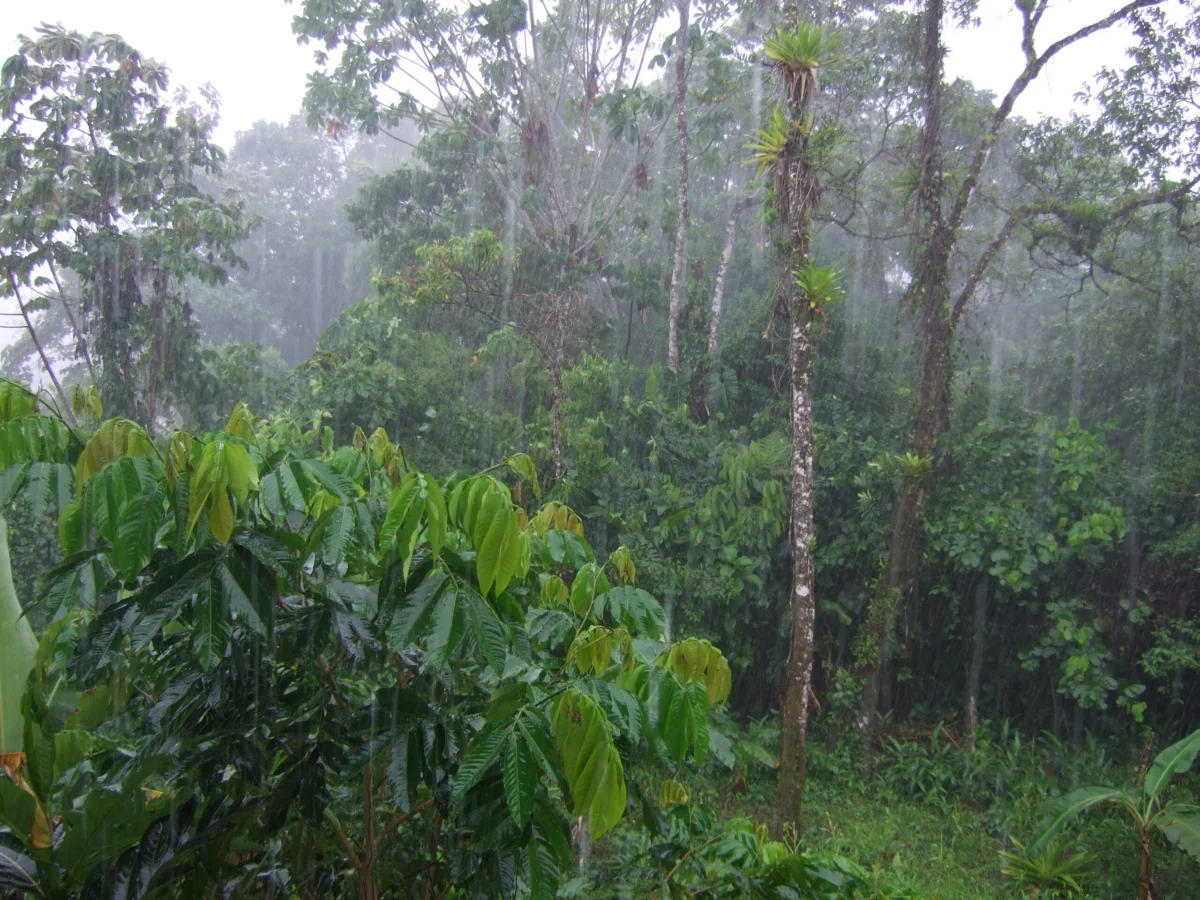
The Yasuní National Park is not merely a political symbol; it is an ecological treasure house. Located at the intersection of the Andes, the Equator, and the Amazon, it is one of the most biologically diverse regions on Earth. A single hectare of Yasuní is estimated to contain more tree species than all of North America combined.
Beyond its flora and fauna, the park serves as a sanctuary for some of the world’s last remaining uncontacted indigenous tribes, including the Tagaeri and Taromenane. The continued push for oil extraction—despite the 2023 referendum—threatens the fragile ecosystems that these communities rely on for survival. The financial focus of the state’s crackdown on YASunidos stands in stark contrast to the environmental and human costs associated with the continued industrialization of the rainforest, which critics argue is occurring in direct violation of the democratic will of the Ecuadorian people.
Official Responses and the Stance of Amnesty International
The international outcry against the Ecuadorian government has been sharp and immediate. Ana Piquer, Amnesty International’s Americas Director, characterized the state’s actions as "clear harassment of civil society."
"Three years ago, millions of people made history by voting to protect Yasuní," Piquer stated in a recent press briefing. "Today, those who dedicated years of their lives to securing the park’s protection are facing fines of $18,000. This is not about accounting; it is about the weaponization of the legal system to punish environmental defenders."
While the Ecuadorian government maintains that the sanctions are a procedural matter regarding campaign finance compliance, Amnesty International argues that the timing and nature of the penalties indicate a broader, more sinister trend. The organization has documented a "long pattern" of President Noboa’s administration attacking civil society organizations. This strategy, characterized by the rolling back of rights, the stigmatization of human rights defenders, and the imposition of crippling fines, has created a chilling effect that has permeated the nation’s NGO sector.
Implications: The Erosion of Civic Space in Ecuador
The persecution of Yasuní defenders is symptomatic of a larger democratic crisis in Ecuador. By targeting the very organizations that hold power to account, the state is effectively narrowing the civic space necessary for a healthy democracy.
The Chilling Effect on Dissent
When environmental activists are treated as criminals for minor administrative discrepancies, the message sent to the public is clear: dissent will be met with state retaliation. This atmosphere of fear has led to a decline in NGO activity, as groups become increasingly wary of the legal costs and personal risks associated with challenging government policy. Experts warn that if the state successfully bankrupts YASunidos, it will set a dangerous precedent that could embolden the government to further suppress environmental and social movements.
Democratic Integrity and the Rule of Law
Amnesty International has called on President Noboa to restore full legal protections for NGOs and to honor the mandate of the 2023 referendum. The failure to do so, they argue, is a "non-negotiable test of democratic integrity." If the Ecuadorian Constitutional Court fails to uphold the rights of YASunidos and allows the government to continue ignoring the referendum results, it could signal a significant departure from the rule of law in Ecuador.
For the international community, the Yasuní case is a litmus test for how nations balance economic development with environmental commitments. The "Yasuní precedent" could either serve as a beacon of hope for global environmental movements or a cautionary tale about the vulnerability of grassroots democratic victories in the face of state-backed extractivism.
Conclusion: A Call for Accountability
As the legal battle continues in the Constitutional Court, the eyes of the world remain fixed on Ecuador. The case of the Yasuní defenders is no longer just about a parcel of land or a campaign finance report—it is a fundamental struggle over the future of the Amazon and the health of Ecuador’s democracy.
The demand from Amnesty International is unequivocal: the Ecuadorian government must cease the harassment of YASunidos, respect the environmental mandates established by its own citizens, and foster a political environment where activists can operate without the fear of state-sponsored retribution. Whether the Noboa administration chooses to embrace this call for accountability or further deepen the divide between the state and its civil society remains the defining question of the current political era in Ecuador. Failure to act, warns the international community, will not only jeopardize the future of the Yasuní but will leave a permanent scar on the nation’s democratic legacy.
