





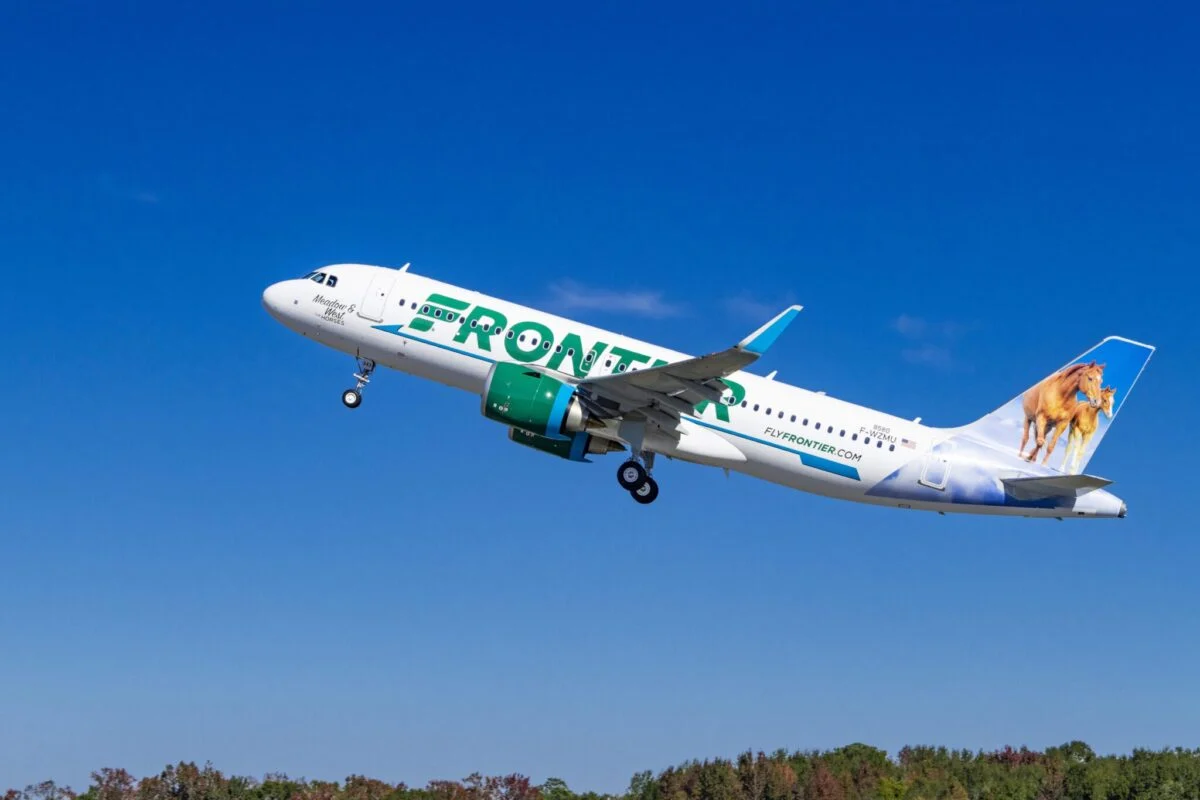
The landscape of American aviation is currently characterized by a stark dichotomy: while demand for travel remains robust, the operational costs of maintaining a flight schedule have spiraled to levels that threaten the very existence of the ultra-low-cost carrier (ULCC) model. Facing the dual pressures of persistent inflation and volatile energy markets, a coalition of budget airlines is intensifying its efforts to secure federal intervention.
The Association of Value Airlines (AVA)—which represents key industry players including Allegiant Air, Frontier Airlines, Avelo Air, and Breeze Airways—has launched a renewed lobbying campaign in Washington, D.C. The group is urging lawmakers to consider a temporary tax holiday on jet fuel, a move they argue is essential to preserving the affordability of domestic air travel for millions of Americans.
Main Facts: The Case for a Tax Holiday
At the heart of the AVA’s proposal is the contention that the current federal excise tax on jet fuel—which contributes to the Airport and Airway Trust Fund—places a disproportionate burden on carriers whose business models rely on razor-thin margins and high-volume, low-fare pricing.
Jet fuel represents the single largest variable cost for any airline. Unlike full-service legacy carriers that can often hedge fuel prices or pass costs onto business travelers with less price sensitivity, ULCCs operate on a model that necessitates keeping base fares at a minimum to stimulate demand. As fuel prices have fluctuated wildly over the past 24 months, these carriers have seen their profitability eroded, forcing them to choose between raising ticket prices—thereby alienating their core demographic—or absorbing the costs and potentially jeopardizing their long-term financial stability.
The proposal, while still in its nascent stages of discussion, seeks a reprieve from these federal levies. The AVA argues that such a holiday would not only stabilize the industry but also act as a consumer protection mechanism, effectively lowering the cost of travel during a period of significant macroeconomic uncertainty.
Chronology: A History of Volatility and Outreach
The relationship between the aviation industry and fuel pricing has been a central theme in domestic policy for decades, but the current initiative follows a specific timeline of recent economic pressures:
- Early 2022: Following the geopolitical instability triggered by the conflict in Ukraine, global oil prices surged to record highs. Airlines saw their fuel expenditures spike by over 40% in a single quarter.
- Late 2022 to Mid-2023: Budget carriers began internal discussions regarding federal relief. While the industry saw a post-pandemic "revenge travel" boom, the inflationary environment began to offset revenue gains.
- January 2024: The AVA intensified its outreach, formalizing its position as a cohesive lobbying unit. The group began meeting with congressional staffers to present data on the impact of fuel costs on regional connectivity.
- Current Status: As of this writing, the AVA has reached out to several key congressional offices. However, the reception has been lukewarm. Despite the group’s insistence that the measure is a matter of "consumer affordability," there has been no formal indication that the House Transportation and Infrastructure Committee or the Senate Committee on Commerce, Science, and Transportation is prepared to introduce legislation for a tax holiday.
Supporting Data: The Economics of Low-Cost Aviation
To understand the urgency behind the AVA’s request, one must look at the structural economics of the ULCC model. According to industry data, fuel costs can account for anywhere between 20% and 35% of a budget airline’s total operating expenses.
The Impact on Ticket Pricing
The "ultra-low-cost" model is built on the principle of price elasticity. For every dollar increase in fuel costs, the cost per available seat mile (CASM) rises. Unlike larger carriers that benefit from diversified revenue streams—such as premium seating, international cargo, and loyalty program co-branded credit cards—ULCCs have a more limited toolkit to offset fuel hikes.
Regional Connectivity
Data suggests that ULCCs are responsible for maintaining vital connectivity to secondary and tertiary airports. Many of these routes would be deemed unprofitable by larger legacy carriers. If budget airlines are forced to cut routes or exit markets due to sustained high fuel costs, the economic fallout would extend to smaller communities that rely on these airlines for tourism and business travel.
Market Volatility
The volatility of the Brent and WTI crude benchmarks has created a "predictability crisis" for smaller airlines. Without the capital reserves of major carriers, these airlines struggle to hedge effectively against sudden spikes in energy prices, making them more vulnerable to the whims of the global oil market.
Official Responses: Washington’s Silence
The response from Capitol Hill has been characterized by a notable lack of momentum. When reached for comment, the House Transportation and Infrastructure Committee did not provide a statement, reflecting a broader hesitation in Washington to interfere with aviation fuel taxes.
Jonathon Freye, the executive director of the AVA, remains undeterred but realistic. In recent conversations with Skift, Freye articulated that the push is not merely about protecting the bottom lines of the airlines, but about the broader implications for the American public.
"There’s clearly a sort of concern about the affordability of transportation, and I think for a lot of our customers and the big carriers, too," Freye stated. The strategy is to frame the tax holiday as a "cost-of-living" initiative. By reducing the tax burden on fuel, the AVA hopes to provide a tangible mechanism for carriers to keep airfares suppressed, thereby supporting the broader economy by maintaining consumer mobility.
However, political analysts point to the legislative complexity of the request. The Airport and Airway Trust Fund is a critical source of revenue for the Federal Aviation Administration (FAA) to fund air traffic control modernization, airport infrastructure projects, and safety programs. Any move to divert or eliminate these tax revenues would face stiff opposition from fiscal conservatives and proponents of infrastructure investment who argue that the tax is essential for the long-term safety and efficiency of the National Airspace System.
Implications: What a Tax Holiday Could Mean
If the AVA were to succeed—an outcome that remains unlikely in the current political climate—the implications would be profound.
1. Consumer Impact
The most immediate effect would likely be a stabilization of base fares. While fuel surcharges are often masked within the total cost of a ticket, a reduction in the fuel tax would provide airlines with the breathing room to keep headline fares low, which is the primary driver of travel decisions for budget-conscious consumers.
2. Competitive Landscape
A federal tax holiday could inadvertently skew the competitive landscape. If the relief is not structured carefully, it could be perceived as a subsidy for a specific business model. Legacy carriers, which also pay these taxes, might lobby for similar relief or, conversely, oppose the measure as an unfair market distortion that gives ULCCs an unearned cost advantage.
3. Infrastructure Funding Risks
The most significant long-term risk involves the integrity of the Airport and Airway Trust Fund. If tax revenues decline, the FAA would be forced to seek alternative funding mechanisms or reduce investment in critical areas such as runway expansions, terminal modernizations, and the NextGen air traffic control system. Critics of the AVA proposal argue that the trade-off—lower fares today for degraded infrastructure tomorrow—is a losing proposition for the traveling public.
4. Environmental Considerations
Critics also point to the climate impact. Some environmental groups argue that any policy designed to lower the cost of flying is counterproductive to national and global goals regarding carbon emissions. By making jet fuel cheaper, the tax holiday could effectively incentivize increased flight frequency and fuel consumption, running contrary to the aviation industry’s stated goals of achieving net-zero emissions by 2050.
Conclusion: A Difficult Takeoff
The lobbying effort by the Association of Value Airlines highlights a critical friction point in the modern American economy: the struggle to balance the affordability of essential services with the necessity of infrastructure funding.
As the AVA continues to engage with congressional offices, the debate will likely shift toward finding a middle ground. While a full-scale tax holiday remains a long shot, there may be room for discussions regarding more targeted relief, such as temporary exemptions during periods of extreme price spikes or the implementation of a price-indexed tax system.
For now, however, the aviation industry remains in a holding pattern. The carriers are bracing for a future defined by high costs and slim margins, and their plea to Washington serves as a stark reminder that in the high-stakes world of commercial aviation, the difference between profitability and insolvency is often measured in cents per gallon. Whether Congress chooses to heed this call remains one of the most significant open questions in the current legislative session, with far-reaching consequences for the future of affordable air travel in the United States.
