





By [Author/Editorial Staff]
Date: August 31, 2026
As artificial intelligence (AI) continues its rapid integration into the global economy, the specter of widespread, automated job displacement looms larger than ever. While we have yet to see a catastrophic collapse of the labor market directly attributable to AI, the warnings are clear. Experts argue that we are currently standing on the precipice of a significant economic shift—one that our current social safety net is woefully ill-equipped to handle.
For decades, the United States has relied on an Unemployment Insurance (UI) system that was designed for a 20th-century economy. As the labor landscape evolves, the urgency to modernize this critical lifeline has moved from a policy preference to an existential necessity. According to Michele Evermore, Senior Policy Fellow for Economic Security at the National Employment Law Project (NELP), waiting for the crisis to arrive before we act is a dangerous gamble that we have historically failed to win.
Main Facts: A System in Need of Reform
The fundamental purpose of the Unemployment Insurance system is threefold: to provide income stability for displaced workers, to facilitate the search for high-quality re-employment, and to act as a countercyclical stabilizer during economic downturns. Historically, every dollar injected into the economy through UI benefits generates nearly two dollars of local economic activity.
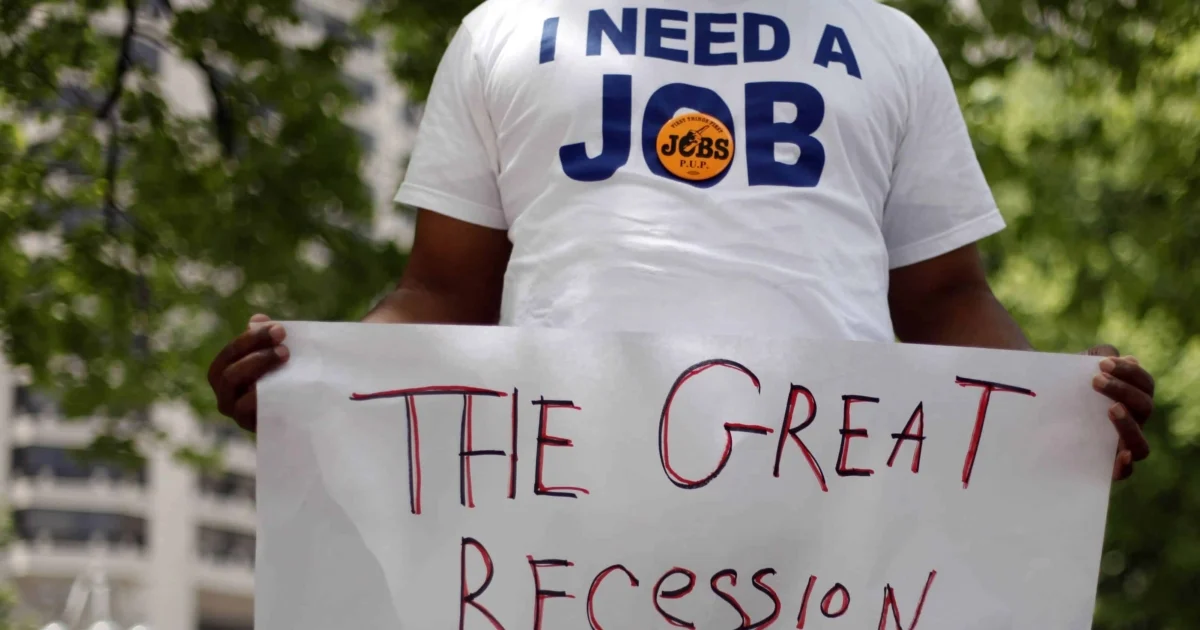
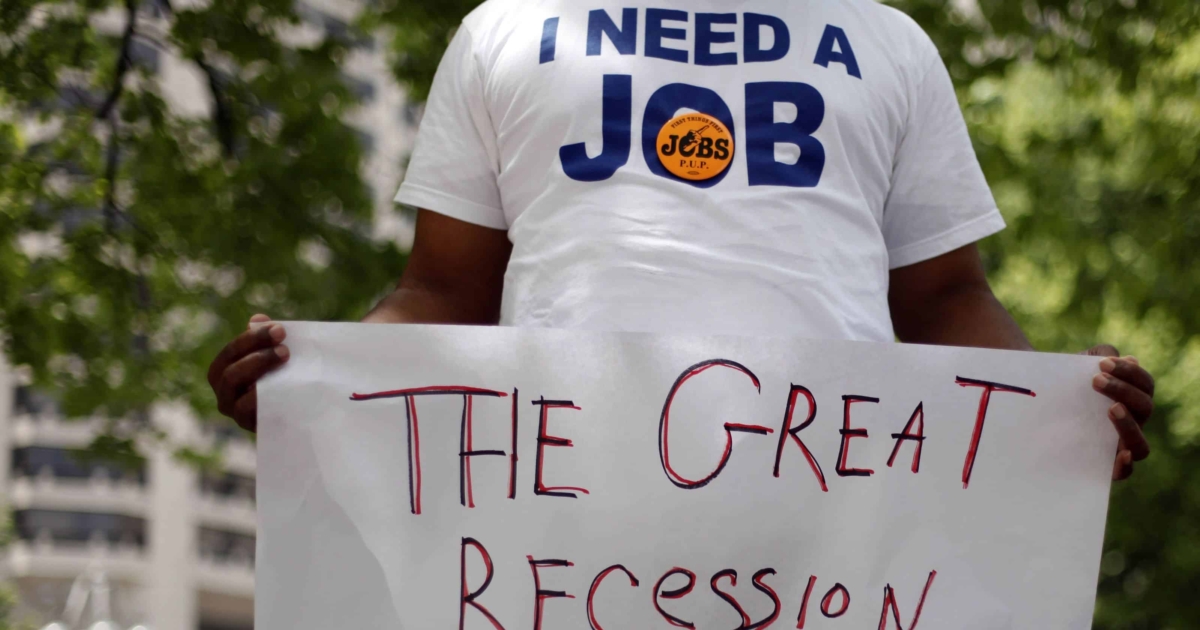
However, in many states, these objectives are currently failing. Since the Great Recession of 2008, a "race to the bottom" has characterized state-level UI administration. Policymakers have systematically reduced the percentage of income replaced, tightened eligibility criteria, and slashed the duration of benefits. The result is a hollowed-out system that offers little protection to the workers it was designed to serve.
The contemporary labor market presents its own unique hurdles. Job seekers today face a digital wall: an estimated one in three job postings are now considered "fake" or "ghost" listings, leading to a landscape where candidates send hundreds of resumes into a vacuum of silence. This trend has contributed to a rise in long-term unemployment and record-low labor force participation rates, as workers become increasingly discouraged by a system that seems rigged against them.
Chronology: A History of Neglect
To understand why our current infrastructure is so fragile, one must look at the timeline of administrative neglect that has defined the last half-century.
- 1980–1996: Bipartisan commissions begin issuing formal recommendations to modernize the UI system. These suggestions focus on increasing federal standards and ensuring that benefits remain robust enough to weather economic shifts. These recommendations are largely ignored.
- 2008–2009: The Great Recession highlights deep cracks in the system, but state-level austerity measures lead to further reductions in benefit duration and accessibility.
- 2020: The COVID-19 pandemic strikes. The sudden surge of millions of unemployment claims exposes a system suffering from 50 years of chronic underfunding. Congress is forced to scramble, creating three brand-new, temporary programs on the fly to meet the unprecedented demand.
- 2020–2022: Because of antiquated technology and skeleton staffing—exacerbated by a lack of investment—state agencies struggle to launch these new programs. As agencies scramble to process payments, organized criminal syndicates exploit the technical vulnerabilities, resulting in massive fraud losses.
- 2025–2026: As the impact of AI on the workforce begins to manifest, lawmakers, including Senators Ron Wyden and Michael Bennet, alongside Congressman Don Beyer, reintroduce comprehensive bicameral legislation aimed at structural reform, finally codifying the lessons from the 1980 and 1996 commissions.
Supporting Data: The Cost of Inaction
The data paints a grim picture of a system that has been systematically dismantled. Funding for the Employment Service—the division of the Department of Labor tasked with helping people find work—has been at a 50-year low. This divestment has left job seekers without the coaching, training, and placement services they need to navigate a rapidly changing economy.
Furthermore, the "ghost job" phenomenon is more than an inconvenience; it is a signal of a broken recruitment ecosystem. When long-term unemployment rises, the multiplier effect of UI benefits diminishes. If a worker is not being placed back into the workforce, they eventually exhaust their benefits and drop out of the labor force entirely. This represents a permanent loss of productivity and tax revenue, costing the national economy billions of dollars annually.
Studies cited by NELP indicate that the lack of federal standards has created a "geographic lottery." A worker laid off in one state may receive benefits that are twice as high and last twice as long as a worker in a neighboring state, despite both paying into the same federal-state unemployment tax pool. This disparity violates the spirit of a national safety net and leaves entire regions vulnerable to economic shocks.
Official Responses and Legislative Solutions
The current legislative effort, championed by Senator Ron Wyden and his colleagues, represents the most significant attempt to overhaul UI since its inception. The proposed legislation seeks to:
- Establish Federal Minimums: Mandate that states provide a minimum level of benefit duration and wage replacement, preventing the race to the bottom.
- Modernize Technology: Provide federal grants to upgrade state IT systems, which are currently running on decades-old code that is incapable of handling high-volume surges or modern fraud-detection algorithms.
- Restore the Employment Service: Reinvigorate local Department of Labor offices. The goal is to move beyond mere check-processing to active re-employment services, providing human support to those displaced by automation.
Legislative proponents argue that these changes are not just about helping individuals; they are about maintaining national economic stability. By building a system that is "ready to go" rather than "built in a panic," the government can avoid the administrative chaos and fraud that defined the pandemic era.
Implications: Preparing for the AI Era
The arrival of AI in the workplace is not merely an IT upgrade; it is an industrial revolution. Unlike previous shifts, which tended to favor human labor in specific sectors, AI has the potential to impact both white-collar and blue-collar roles simultaneously. If the economy undergoes a sudden, large-scale transition, the UI system will be the first line of defense against social unrest and widespread poverty.
The Human Cost of Delay
When we delay, we aren’t just delaying a policy update; we are failing a generation of workers. Discouragement is a silent contagion. When millions of workers believe that the system is broken—and that their efforts to find work are ignored by algorithms and ghost listings—the social contract begins to fray.
The Economic Imperative
From a macroeconomic perspective, a robust UI system acts as an "automatic stabilizer." When people have money to spend, they keep local businesses afloat. If AI leads to mass displacement, the velocity of money will drop unless those workers are supported. A modernized system that includes robust retraining programs and effective job placement is the only way to ensure that the transition to an AI-driven economy is inclusive rather than exclusionary.
A Call to Action
The history of our UI system is a history of waiting until the fire starts before buying a fire extinguisher. We have the policy blueprints; they have existed for nearly half a century. The recommendations from the 1980 and 1996 commissions are still valid, perhaps more so today than when they were first written.
As Michele Evermore notes, "We shouldn’t wait for AI-driven job losses to force our hand." We have the tools to ensure that when the next wave of economic displacement hits, the system is a bridge to new opportunity, rather than a bureaucratic maze that leaves millions behind. The time to break the habit of crisis-driven governance is now. By passing the pending federal legislation and restoring the Employment Service to its full capacity, we can ensure that the future of work is something we build with intention, rather than something we fear with despair.
