


In the shifting landscape of global press freedom, Mexico is witnessing a profound and chilling evolution in the tactics used to muzzle the media. Once characterized by the crude violence of cartels and the raw power of political bribery, the frontline of censorship in 2025 has migrated into the courtroom. According to data from Article 19, a prominent press freedom watchdog, a new lawsuit against journalists or media outlets was filed every six days throughout 2025. With 69 documented cases in a single year—a figure that triples the output of 2024—the judicial system has become the weapon of choice for a political class desperate to insulate itself from scrutiny.
Jan-Albert Hootsen, the Mexico representative for the Committee to Protect Journalists (CPJ), characterizes this shift with stark clarity: "Politicians have discovered that lawsuits are a much more effective way to silence the press because they give the impression of legality." By cloaking their efforts to suppress criticism in the robes of civil and criminal litigation, officials can effectively neutralize investigative outlets without the international outcry that follows physical attacks.
The Death of a Legacy: The Case of Tribuna
The transformation of the media landscape is nowhere more visible than in the southeastern state of Campeche. For half a century, the daily newspaper Tribuna served as a pillar of the state’s political architecture, flourishing under the long-standing hegemony of the Institutional Revolutionary Party (PRI). However, the 2021 gubernatorial election, which brought Layda Sansores of the Morena party to power, signaled the end of an era.
The friction began almost immediately. Sansores moved to dismantle the financial foundations of the outlet by pulling government advertising—a lifeblood for many regional Mexican newspapers. She further weaponized the public discourse by launching a state-sponsored television program dedicated to promoting her administration while systematically demeaning local journalists. In a performance that drew international condemnation, she began awarding “Golden Pinocchio” trophies to reporters she categorized as the “biggest liars” in the state.
As Tribuna countered with biting columns that occasionally crossed the line into personal, gender-specific, and homophobic attacks, the conflict devolved into open warfare. Starved of revenue and crippled by mounting legal pressure, the paper was forced to cease its print operations in 2024. While it survived as an online entity, it remained under the crosshairs of the administration.
Sansores initiated a series of civil and criminal complaints against Jorge Luis González, Tribuna’s editor of three decades, alleging moral damage, gender-based political violence, and hate speech. The situation reached a nadir in mid-2025 when a judge ruled in favor of the administration, barring González from practicing journalism for two years and, perhaps most alarmingly, mandating that a judicial censor review all of Tribuna’s online content before publication. While the decision was temporarily suspended following an appeal, it stands as a harrowing precedent for the future of editorial independence in Mexico.
The Global Weaponization of Law
The crisis in Mexico is not an isolated anomaly but part of a broader, alarming trend identified by Reporters Without Borders (RSF). Across the Americas and beyond, governments are increasingly utilizing the legal system to harass and bankrupt independent media.
This "lawfare" is often coupled with administrative retaliation. In the United States, the administration of President Donald Trump has escalated tensions by banning specific news outlets from the White House. The Associated Press, for instance, is currently locked in a legal battle with the administration over the exclusion of its reporters from the Oval Office and Air Force One—a move the AP alleges is direct retaliation for the outlet’s refusal to adopt the president’s preferred nomenclature for the Gulf of Mexico.
This environment of legal hostility is compounded by an uptick in physical danger. CPJ reports that seven journalists were killed in Mexico in 2025, with five of those deaths occurring in less than three months—marking one of the most violent periods for the press in over a decade. The juxtaposition of lethal violence and systemic legal persecution has created a "double-squeeze" on the industry. Veracruz crime reporter Rafael León, who survived a brush with state-level terrorism charges only after federal intervention by President Claudia Sheinbaum, admits the toll is psychological: "I report less, and I work in fear."
Regulatory Creep and the Shadow of 2027
While President Sheinbaum has largely abandoned the combative, daily vitriol favored by her predecessor, Andrés Manuel López Obrador, the institutional threats to the press have shifted in nature rather than intensity. The government’s recent introduction of a federal regulation regarding "audiences’ rights" has sent shockwaves through the press freedom community.
The administration insists the regulation is a consumer-protection measure, designed to allow the public to voice grievances against media coverage. However, critics argue the timing and the vague language of the decree provide a loophole for the state to intervene in editorial disputes. With the 2027 mid-term elections on the horizon, many fear the regulation will be used to silence opposition voices under the guise of protecting the public interest.
The Danger of Vague Legislation
Leopoldo Maldonado, the U.N. special rapporteur on freedom of expression, warns that the current trend of governments positioning themselves as "arbiters of truth" is a recipe for authoritarian overreach. "Laws that turn the state and judges into the ultimate judges of what constitutes ‘fake news’ or ‘hate speech’ generally end very badly," Maldonado stated.
He points to a dangerous contagion of legislation across the globe. From the use of anti-terrorism laws to silence opposition in the Sahel to the adoption of "foreign agent" designations in Russia and increasingly in the Americas, the toolkit of modern autocracy is becoming standardized. Maldonado emphasizes that when laws rely on vague concepts—such as "moral damage" or "political violence"—they inevitably become tools for the powerful to insulate themselves from accountability.
Implications for the Future
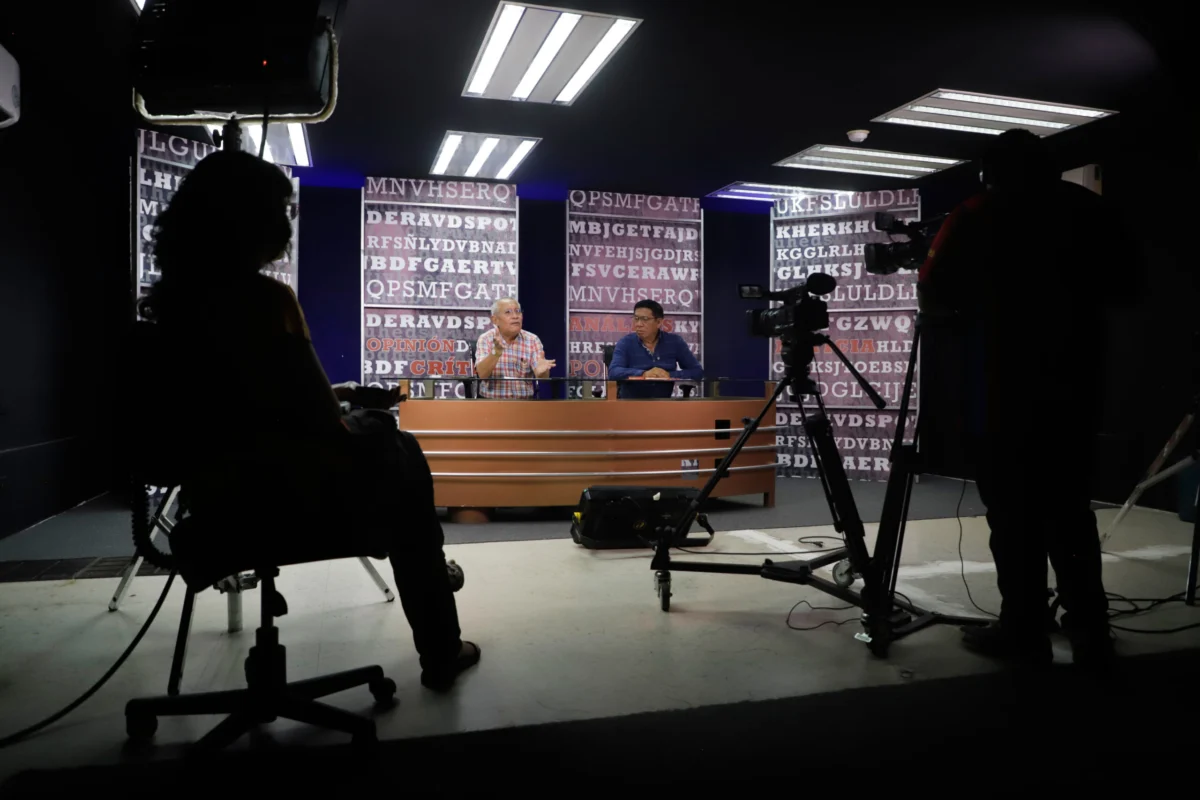
In Campeche, the physical evidence of this struggle is laid bare in the empty offices of Tribuna. Boxed-up computers and silent printing presses serve as a monument to the cost of independent inquiry. Despite the silence of the presses, Jorge Luis González continues his work, recording his weekly political commentary in a modest home studio.
The question remains whether the Mexican legal system will serve as a shield for democracy or a sword for the powerful. As the Human Rights Commission in Campeche and various activists push for legislation to protect journalists, the conflict between legal accountability and political censorship continues to escalate.
The precedent being set is clear: if the press can be silenced not by the gun, but by the gavel, the cost of speaking truth to power may soon become a price few can afford to pay. As Mexico moves toward the 2027 electoral cycle, the battle for the freedom of the press will likely be fought not in the streets, but in the sterile, high-stakes corridors of the judiciary—where the definition of "truth" is becoming as contested as the power it seeks to hold to account.
