




In the high-stakes world of automotive manufacturing, the difference between a market-leading crossover and a sales-floor disappointment often comes down to a few inches of steel and a fraction of a second. While the National Highway Traffic Safety Administration (NHTSA) serves as the federal baseline for automotive safety in the United States, its mandate is often constrained by the rigid, slow-moving machinery of the legislative process and limited budgetary appropriations.
In this regulatory vacuum, the Insurance Institute for Highway Safety (IIHS) has emerged as the industry’s most formidable—and unpredictable—arbitrator. Funded by insurance companies, the nonprofit organization is not bound by the same political gridlock as federal agencies. This allows them to rapidly iterate their testing protocols, creating a "moving target" that forces automakers to innovate or face public scrutiny. The latest round of IIHS testing results, released in October 2026, serves as a stark reminder of this dynamic, revealing how a single, updated crash test can upend the reputation of even the most established automotive giants.
The Evolution of the Moderate Overlap Front Test
To understand why the latest batch of crossover ratings sent shockwaves through the industry, one must look at the specific mechanism of the failure: the updated moderate overlap front crash test.
For years, the industry focused heavily on protecting front-seat occupants. However, as data regarding rear-seat injuries began to mount, the IIHS recalibrated its standards in 2022. This updated test simulates a high-speed collision where a vehicle strikes a barrier with only a portion of its front end. Crucially, the test now includes a crash-test dummy in the rear seat to measure the forces exerted on second-row passengers.
Since the introduction of these more stringent parameters, the test has proven to be a "litmus test" for modern vehicle engineering. It is no longer enough for a vehicle to be safe for the driver; it must now protect all occupants with equal rigor. The recent results involving the 2026 Nissan Kicks, Audi Q3, Chevrolet Trailblazer, and Toyota RAV4 highlight how difficult this shift has been for even the most sophisticated engineering teams.
A Tale of Two Outcomes: The Nissan Kicks Success Story
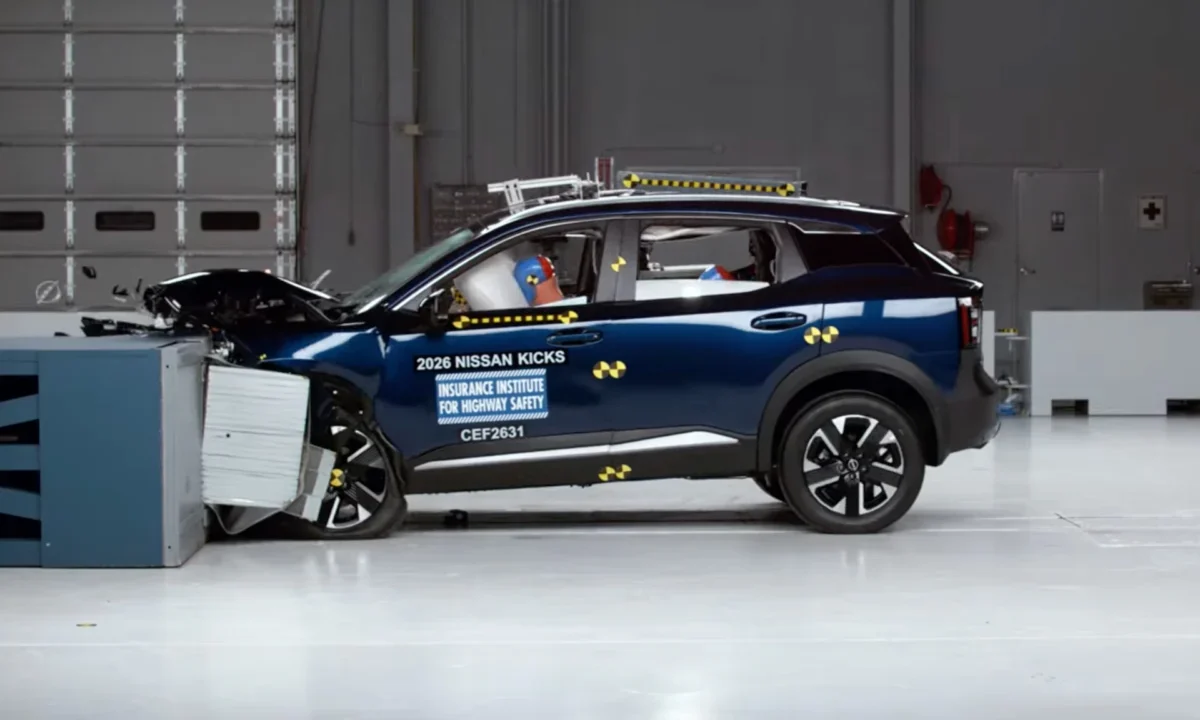
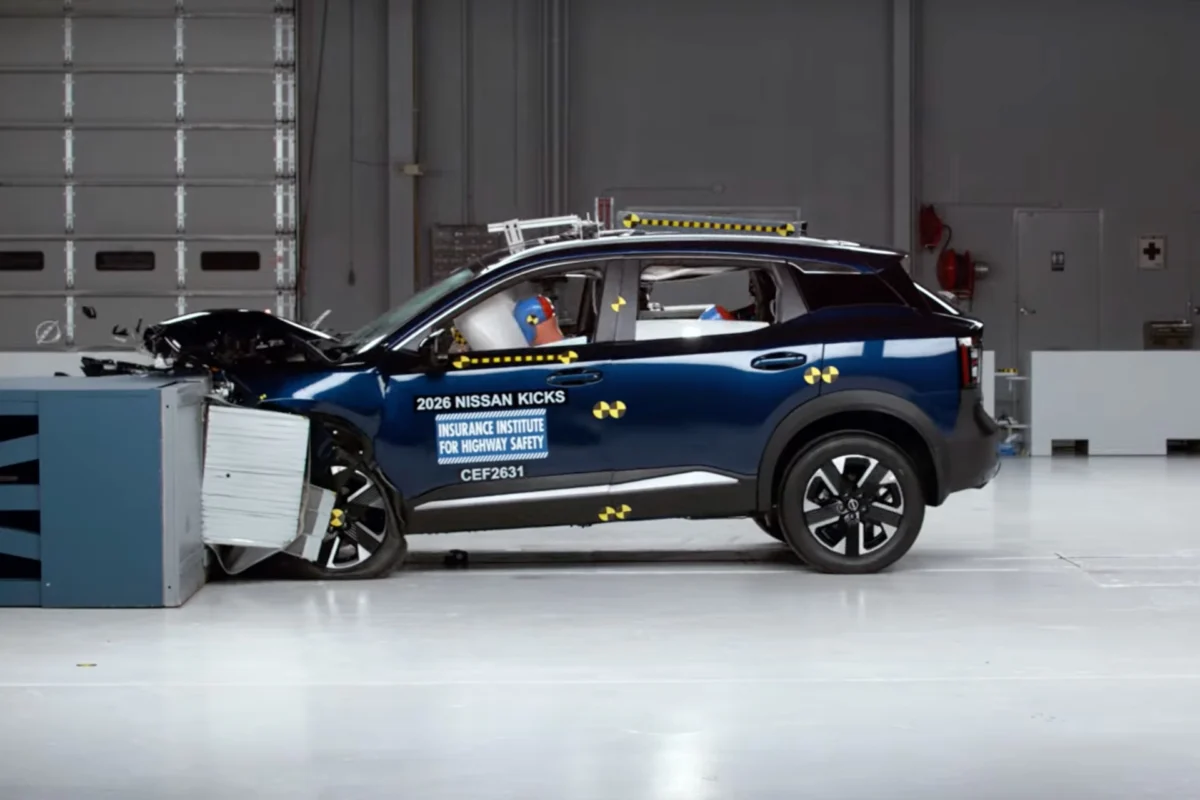
The 2026 Nissan Kicks stands as a rare success story in this current testing cycle, demonstrating the value of iterative design. When the latest generation of the Kicks first debuted for the 2025 model year, it struggled significantly under the updated IIHS testing criteria, initially receiving a "Poor" rating in the moderate overlap front crash test.
For many manufacturers, such a result might have been met with defensive marketing or a lengthy delay in implementation. Instead, Nissan opted for rapid responsiveness. Engineering teams scrutinized the failure points, specifically identifying the interaction between the rear seat belt systems and occupant kinematics during the impact.
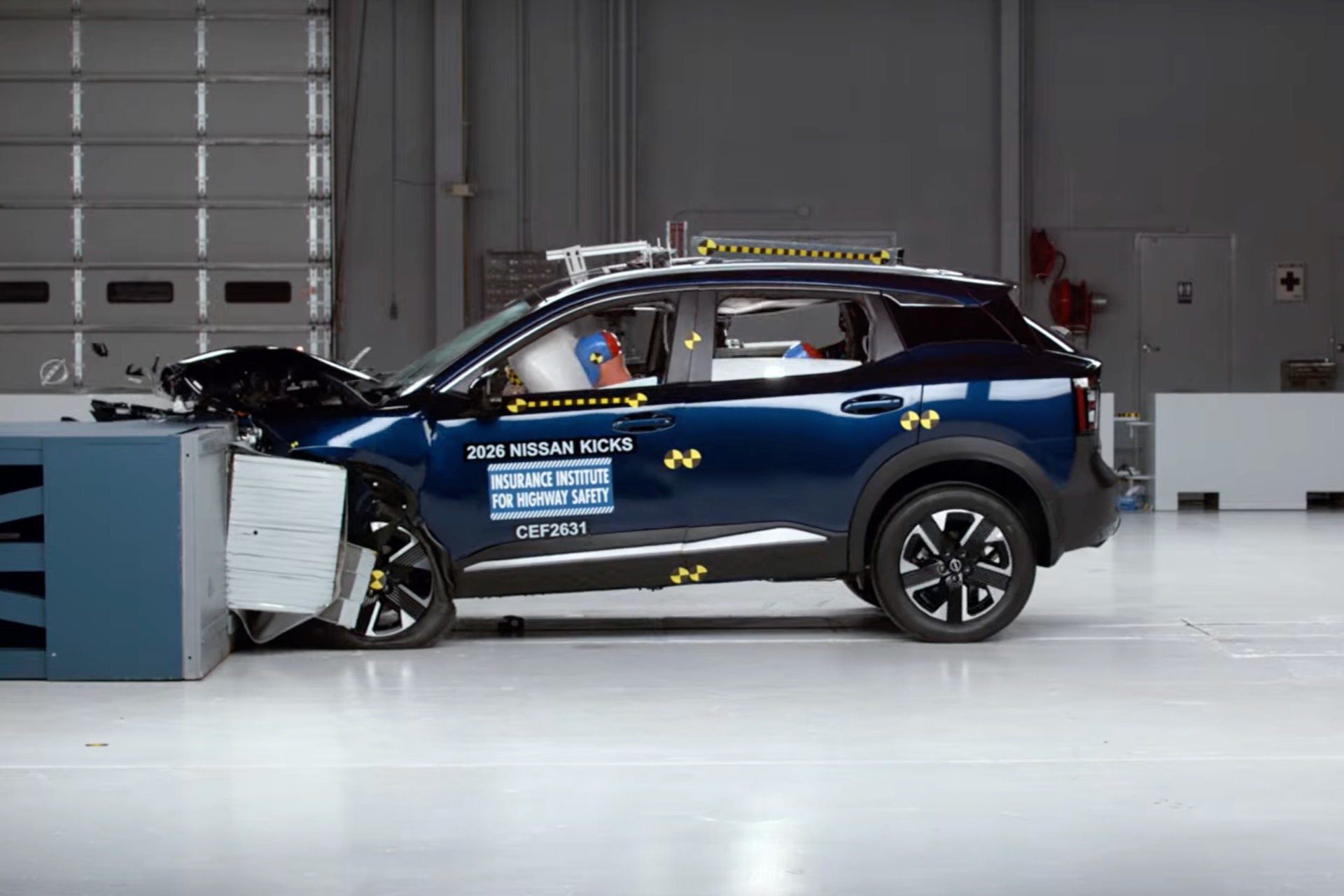
By implementing critical modifications to the rear seat belts in vehicles manufactured after June 2026, Nissan managed to turn the tide. Upon retesting, the Kicks achieved a "Good" rating—the highest possible score—in the moderate overlap category. This turnaround was the deciding factor that secured the crossover a 2026 Top Safety Pick award. The Kicks’ journey from a "Poor" rating to an award-winning safety profile underscores a vital lesson: safety is not a static destination, but a continuous process of refinement.
Failures and Shortfalls: Audi, Toyota, and Chevrolet
While Nissan found a path to redemption, the news was less optimistic for several other major players in the crossover segment.
The Audi Q3 Paradox
The redesigned 2026 Audi Q3 serves as a sobering example of how high engineering standards in one area can be undermined by a single failing grade. The Q3 performed admirably across almost every category tested by the IIHS, securing "Good" ratings in nearly all metrics. However, it stumbled significantly in the moderate overlap front crash test, earning a "Poor" rating. Because a "Good" score in this specific test is a mandatory prerequisite for the Top Safety Pick designation, the Q3 was disqualified from the award entirely. For a brand synonymous with premium safety engineering, the result is a significant setback that highlights the sheer difficulty of the current IIHS testing environment.
The RAV4 Hybrid and PHEV Discrepancy
Toyota’s best-selling RAV4, also redesigned for the 2026 model year, found itself in a similar predicament. While the RAV4 continues to be a benchmark for reliability and versatility, its performance in the moderate overlap test revealed a performance gap based on the powertrain. The standard hybrid model received an "Acceptable" rating, falling just short of the "Good" benchmark. The plug-in hybrid (PHEV) variant, burdened by different weight distributions and structural packaging, fared even worse, receiving a "Marginal" rating.
The Chevrolet Trailblazer’s Broad Challenges
The Chevrolet Trailblazer faced perhaps the most difficult road ahead. Beyond the moderate overlap front test, where it received a "Poor" rating, the vehicle also struggled with other metrics, including headlight efficacy and front-crash prevention technology. Unlike the other vehicles in this cohort, which largely excelled in secondary categories, the Trailblazer’s results suggest a broader need for structural and technological re-evaluation across its safety suite.
The Implications of the "Moving Target"
The implications of these results extend far beyond the showroom floor. For consumers, the IIHS ratings have become a primary source of truth when evaluating vehicle safety, often carrying more weight than federal star ratings. When a vehicle is denied a "Top Safety Pick" status, it can have tangible effects on consumer confidence, insurance premiums, and residual values.
For automakers, the "moving target" strategy employed by the IIHS is intentionally disruptive. By continuously raising the bar, the IIHS prevents the industry from resting on its laurels. This approach forces companies to invest in R&D not just when a model is being entirely overhauled, but throughout its lifecycle.

The strategy also forces a delicate balance between weight, cost, and safety. In the case of the RAV4 and Q3, the challenges likely stem from the complex packaging requirements of modern hybrid and plug-in hybrid powertrains. Engineers must find ways to integrate heavy battery packs while maintaining the structural integrity required to dissipate crash energy effectively—a task that grows more difficult as the IIHS continues to prioritize rear-seat safety.
The Road Ahead: Transparency and Engineering Responsibility
The recent IIHS report serves as a diagnostic tool for the automotive industry. It identifies the specific failure points that need to be addressed in the next mid-cycle refresh for models like the Audi Q3 and the Toyota RAV4.
The public release of these test results, complete with detailed video footage of the crashes, creates a level of transparency that is rare in other sectors of the economy. By showing exactly how a vehicle crumples or how a seat belt performs under pressure, the IIHS forces accountability.
There is a growing expectation from regulators and consumers alike that safety should not be an "optional extra" or a luxury feature. The fact that the Nissan Kicks—an entry-level, budget-conscious vehicle—was able to re-engineer its rear-seat safety systems in a matter of months suggests that the barrier to "Good" ratings is not insurmountable, provided that manufacturers prioritize the data revealed by the IIHS.
Conclusion: A New Era of Vehicle Safety
The automotive industry is currently in the midst of a transition period where the standards of yesterday are no longer sufficient to meet the challenges of today. The 2026 IIHS testing cycle is a testament to the fact that vehicle safety is an ever-evolving field.
For Audi, Toyota, and Chevrolet, the path forward is clear: the data provided by the IIHS is not merely a critique, but a roadmap for improvement. If these companies can emulate the responsiveness shown by Nissan, the next wave of vehicle updates could significantly improve the safety landscape for families and commuters across the country.
As we look toward the future of vehicle design, the role of the IIHS will likely remain central. By forcing automakers to account for every occupant in every seat, they are pushing the industry toward a higher standard of care. Ultimately, the winners in this scenario are the consumers, who stand to benefit from safer, more resilient vehicles that are engineered not just to meet the minimum standards of the past, but to handle the realities of the road today.
