



By [Your Name/Journalist Name]
Published October 23, 2026
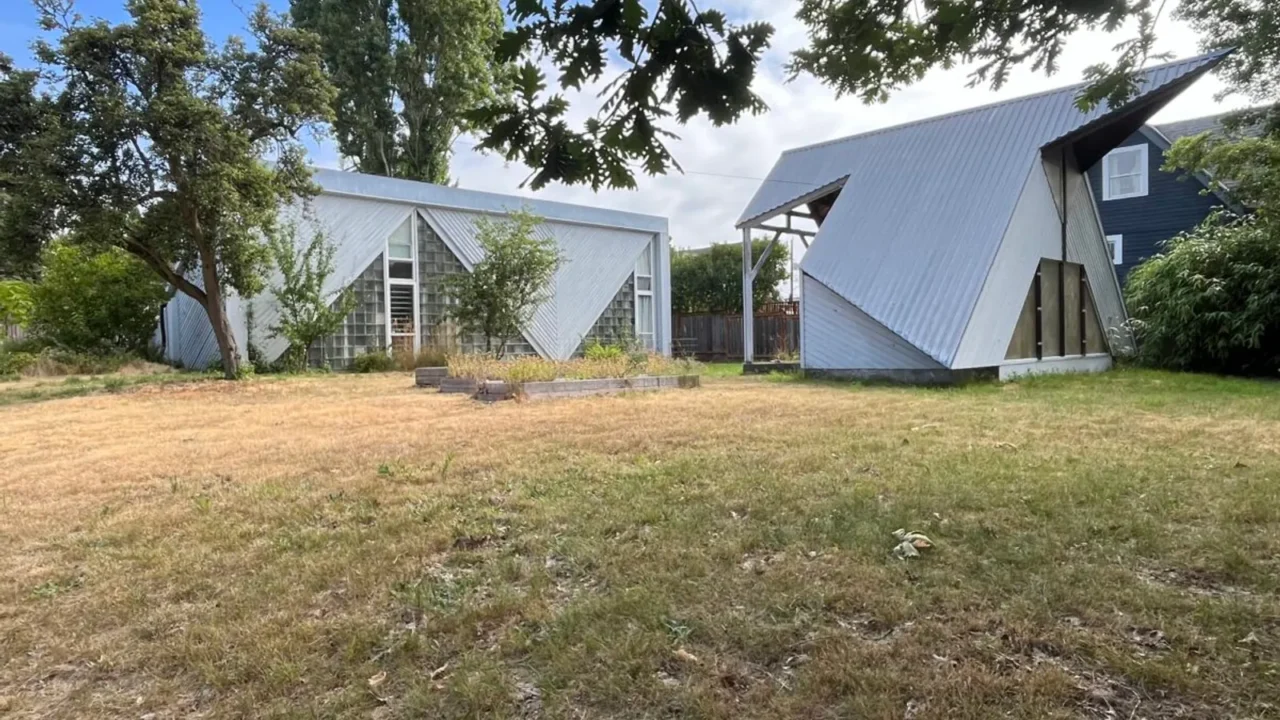
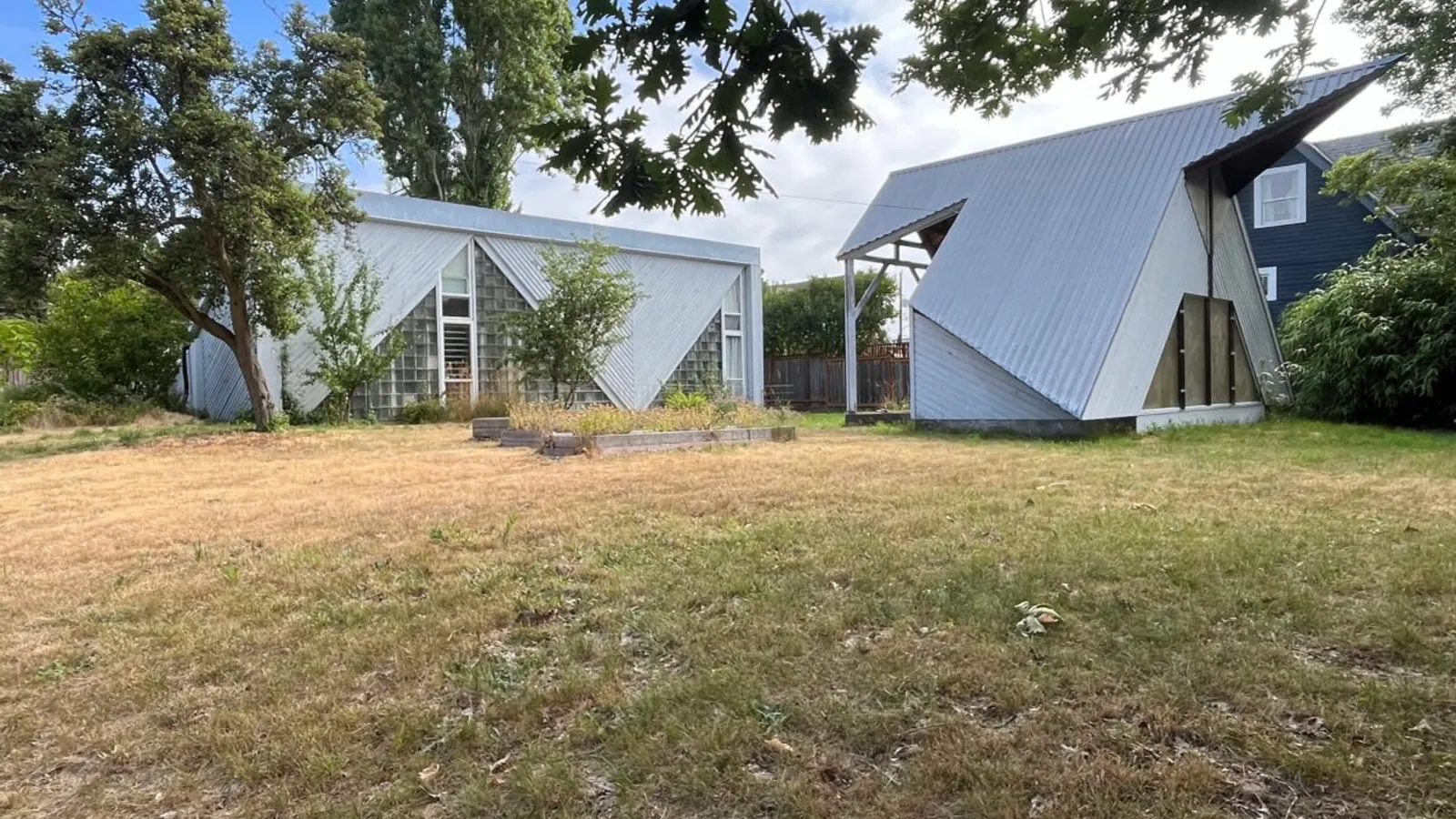
In a significant milestone for urban policy, the Seattle Social Housing Developer (SSHD) Board has officially moved to expand its footprint in the city’s Central District. On October 15, 2026, the board approved a development plan for approximately 20 mixed-income homes, marking another concrete step in an ambitious municipal effort to reshape the landscape of public housing. With this latest acquisition, the SSHD is aggressively scaling its operations, aiming to control a portfolio of 1,000 homes by the conclusion of 2027.
The initiative represents more than just a real estate transaction; it is the physical manifestation of a structural shift in how Seattle approaches housing. By removing land from the speculative private market and placing it under public stewardship, the city is testing a "social housing" model that prioritizes long-term affordability and resident stability over developer profit margins.
The Core Strategy: Shifting the Paradigm
The Seattle Social Housing Developer operates as a public development authority, an entity designed to circumvent the limitations of traditional market-rate development. Unlike private developers who are beholden to shareholders and market cycles, the SSHD is mandated to maintain properties as permanently affordable.
The project in the Central District—located on a 7,800-square-foot lot—will feature a mix of income levels, ensuring that the development serves a diverse cross-section of the workforce. By integrating various income brackets within a single development, the city hopes to avoid the historical pitfalls of concentrated poverty often associated with traditional public housing projects of the 20th century.
A Chronology of the Seattle Social Housing Movement
The current momentum is the result of years of grassroots organizing, legislative maneuvering, and voter engagement.
- 2023 (The Ballot Initiative): Seattle voters overwhelmingly approved Proposition 1A, a groundbreaking measure that established a new revenue stream for social housing. The proposition introduced a 5% tax on employers for employees earning more than $1 million annually.
- Early 2026 (Institutional Funding): In February 2026, the Seattle City Council solidified the partnership between the city and the SSHD by approving an interlocal agreement. This deal transferred $115 million to the developer, effectively "seeding" the organization with the capital required to acquire land and initiate construction.
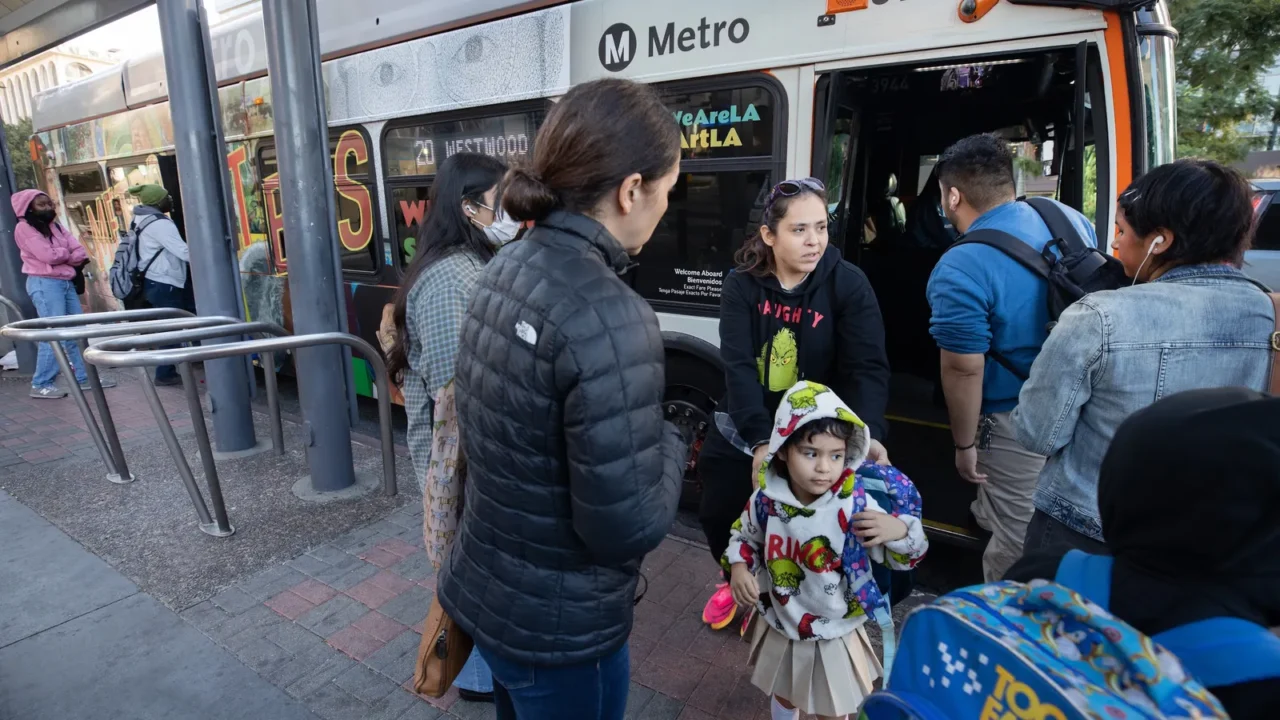
- Mid-2026 (The First Success): Earlier this year, the SSHD opened its first social housing apartment complex. The response was immediate and overwhelming; the lottery for the 150-unit building attracted over 10,000 applicants, underscoring the desperate need for non-market housing in the region.
- October 2026 (Central District Expansion): The SSHD Board votes to break ground on the new 20-unit development, signaling that the organization is moving from the planning phase into a rapid acquisition phase.
Financial Foundations and Supporting Data
The economic engine behind this project is rooted in the high-earner tax structure established by Proposition 1A. By specifically targeting ultra-high-income compensation, the city has created a funding model that remains insulated from the volatility of traditional property taxes or federal grants.
The Demand Gap
The sheer volume of applications for the initial 150 units—10,000 interested households—provides a stark metric for the city’s housing shortage. This ratio (roughly 66 applicants for every single unit) serves as a primary driver for the SSHD’s aggressive 1,000-unit goal for next year. Economists point to the fact that while Seattle’s tech-driven economy has grown, the housing supply has failed to keep pace with the influx of residents, pushing middle- and low-income workers to the fringes of the city.
Land Utilization
The 7,800-square-foot property in the Central District is a prime example of "infill development." Rather than seeking massive tracts of undeveloped land, the SSHD is utilizing smaller, city-owned or acquired lots to weave high-density, high-quality housing into existing neighborhoods. This approach minimizes infrastructure costs and encourages walkability.
Official Responses and Stakeholder Perspectives
The Seattle Social Housing Developer’s progress has garnered praise from housing advocates, though it remains a subject of intense debate among local business leaders.

The City Council’s Stance
Mayor [Name] and the City Council have framed the $115 million transfer as a necessary investment in the city’s social infrastructure. During the February vote, proponents argued that "publicly owned housing is a public good," akin to libraries or parks. By retaining ownership, the city ensures that these units will never be sold to private interests, preserving their affordability for generations.
Public Reception
For residents, the lottery system is seen as a lifeline. However, the high application numbers have also sparked conversation about the pace of development. Critics from within the housing advocacy community have noted that while 1,000 units by 2027 is an ambitious goal, it is still a small fraction of the tens of thousands of units required to stabilize rents in the city.
Implications for Future Urban Development
The Seattle model is being watched closely by other major U.S. cities, including San Francisco, New York, and Denver. If Seattle can successfully scale its social housing portfolio, it may provide a blueprint for a post-neoliberal urban housing policy.
1. Decoupling Housing from Speculation
The most significant implication is the removal of land from the "speculative market." When housing is treated as a commodity, its value is tied to potential rent increases. By moving land into a public trust, the SSHD removes the pressure to hike rents, allowing for stabilized, predictable living costs.
2. The Lottery and Equitable Access
The use of a lottery system for occupancy has sparked a debate on fairness. While it prevents "first-come, first-served" bias, it highlights the extreme scarcity of the product. Moving forward, the board will need to refine its selection criteria to ensure that the units are reaching the most vulnerable populations while maintaining a healthy, mixed-income community.

3. Economic Resilience
By diversifying the housing stock, Seattle is effectively insulating its workforce from the boom-and-bust cycles of the private rental market. If a resident in a social housing unit loses their job or faces a medical emergency, the public nature of the landlord allows for more flexible, human-centric solutions compared to the rigid, profit-driven nature of corporate property management.
4. The Challenges Ahead
Despite the funding and the political mandate, the SSHD faces significant hurdles. Construction costs in the Pacific Northwest remain among the highest in the nation. Navigating zoning regulations, environmental impact studies, and neighborhood opposition—often referred to as "NIMBYism"—will test the organizational capacity of the SSHD. The ability to acquire property quickly, as evidenced by the expected second acquisition by the end of this year, will be the true test of the board’s operational maturity.
Conclusion: A New Era for Seattle
As the year draws to a close, the Seattle Social Housing Developer finds itself at a critical juncture. The success of its upcoming projects will either validate the social housing model as a scalable solution to the national affordability crisis or force a reevaluation of the strategy.
For now, the cranes in the Central District stand as a symbol of change. With 1,000 homes in its sights, the SSHD is not merely building structures; it is building a new social contract for Seattle—one where the right to housing is treated as a fundamental pillar of urban life. The eyes of the nation remain fixed on the Emerald City, waiting to see if this bold, public-led initiative can truly alter the trajectory of the American housing market.
