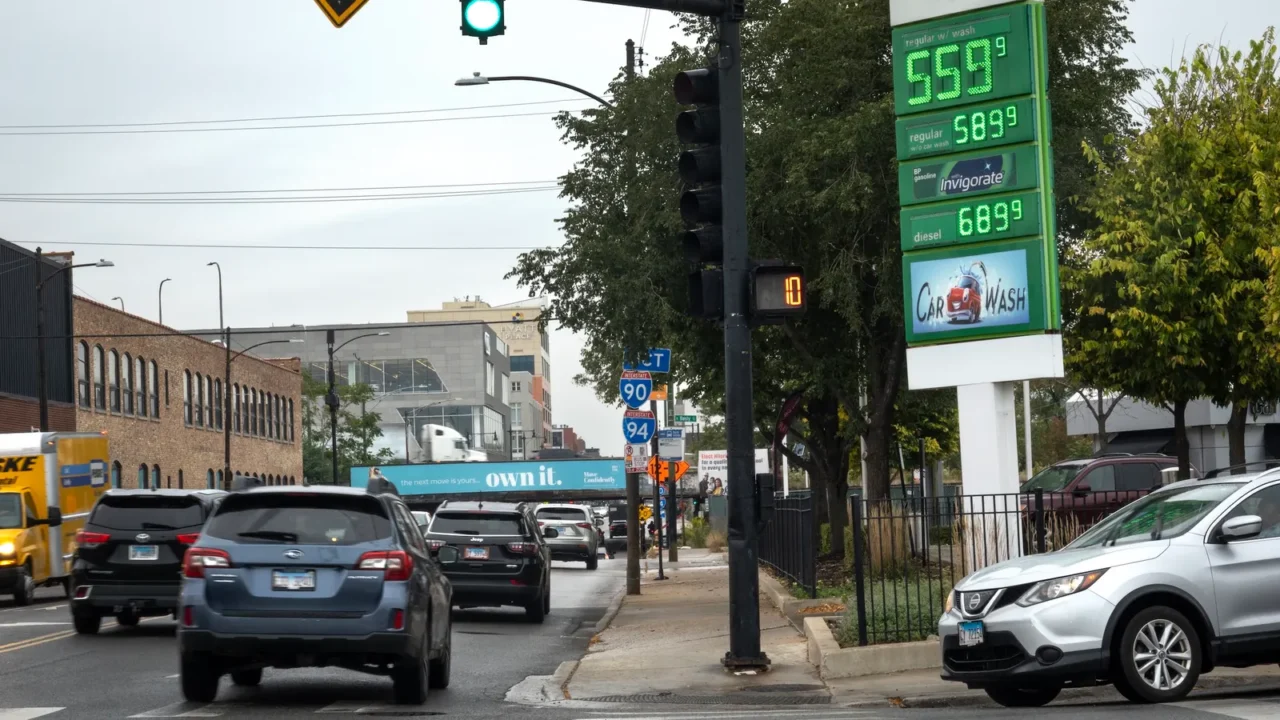




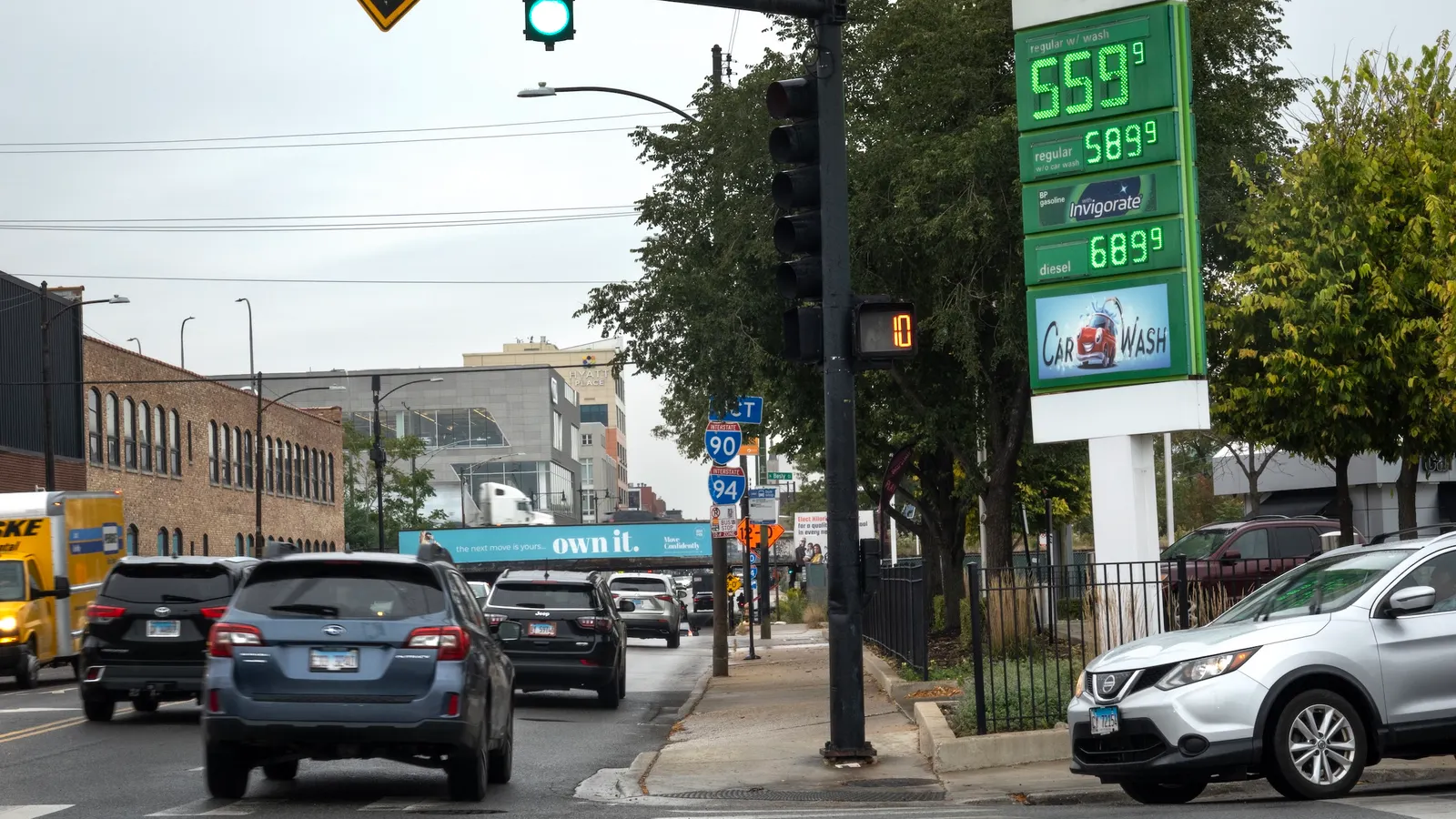
As of September 2026, the American consumer is facing a mobility crisis that extends far beyond the gas pump. According to the Bureau of Transportation Statistics (BTS), transportation costs have become the single most significant driver of domestic inflation, accounting for more than 35% of the total upward pressure on the Consumer Price Index (CPI). With the transportation-specific CPI climbing 7.9% year-over-year, the foundational rhythms of American life—how we work, how we shop, and how we travel—are undergoing a forced, structural transformation.
The Anatomy of the Mobility Crisis
The current inflationary environment is characterized by a "perfect storm" of rising energy costs, supply chain bottlenecks, and a fundamental shift in the economics of vehicle ownership. The cost of living is being squeezed from every angle, as the price of maintaining a personal vehicle competes with the rising costs of public transit and the hidden inflation embedded in the goods we consume daily.
Chronology of the Inflationary Surge
The trajectory of 2026 has been marked by relentless month-over-month increases that have caught households off guard:
- Early 2026: Initial signs of fiscal stress appeared as fuel markets tightened, leading to the first round of public transit fare hikes in major metropolitan areas, including New York’s MTA.
- Summer 2026: The seasonal travel surge hit a wall of record-high fuel prices. Jet fuel costs spiked by 84% in August compared to the previous year, effectively ending the era of affordable "revenge travel" for the middle class.
- September 2026: The inflection point. With gasoline prices rising 37.6% annually and diesel prices surging 67.8%, the cost of transporting essential consumer goods began to manifest clearly in retail pricing.
- October 2026: Transit agencies across the country, from San Diego to Miami, implemented or finalized fare increases to offset surging operational expenses, signaling a permanent shift in urban mobility costs.
Supporting Data: A Multi-Front Economic Strain
The data suggests that the burden of these costs is not distributed equally. While higher-income households have maintained their travel habits, lower-to-middle-income families are actively retreating from the economy.
The Fuel and Logistics Feedback Loop
Diesel fuel is often called the "lifeblood of the economy," and its 67.8% annual price increase is the primary catalyst for broader inflation. Luke Stein, an Assistant Professor of Finance at Babson College, emphasizes that diesel costs are not just about trucking. "Larger movements in the price of diesel are starting to show up in the price of consumer goods," Stein notes. Because diesel powers the heavy machinery used in agriculture, the impact of these fuel costs creates a ripple effect, increasing the price of fertilizer, harvesting, and eventually, the groceries on the shelf.
The Personal Vehicle Barrier
For many Americans, the alternative to public transit is the personal automobile, but that path has also become prohibitively expensive. The average transaction price for a new vehicle has now eclipsed $50,000, according to Kelley Blue Book. When combined with rising insurance, repair costs, and volatile fuel prices, the "cost of access" to the labor market and essential services has reached a breaking point.
Arity, a transportation analytics firm, has mapped this behavioral change with striking precision. President Gary Hallgren notes that for every 1% increase in weekly gas prices, there is a measurable decline in trips to grocery stores, restaurants, and retail centers. "Rising transportation costs can change how, when, and where people travel," says Hallgren. "People may reconsider where they go, combine trips, or make certain trips less frequently."
Official Perspectives and Expert Analysis
Industry experts warn that the current strategy of simply raising fares to cover operational costs may backfire by alienating the very passengers who rely on transit the most.
Yagiz Sullu, founder and lead analyst for Sullu Strategic Advisory, argues that we are witnessing a systemic failure to protect the most vulnerable commuters. "High fuel prices are driving overall inflation and squeezing household budgets," Sullu explains. "Transit agencies face increasing operating costs, and we will see this effect more on households that are low to middle income and are more dependent on affordable public transportation."
Conversely, the American Public Transportation Association (APTA) is attempting to frame the crisis as an opportunity for structural reform. In a recent report, APTA highlighted that despite fare hikes, households can still save between $12,000 and $18,000 annually by transitioning away from personal vehicle ownership. "When you add up gas, insurance, repairs, and parking, the savings can be significant," says APTA President and CEO Paul Skoutelas.
Implications for the American Landscape
The long-term implications of this mobility crisis are multifaceted, affecting urban planning, social equity, and the retail sector.
The "K-Shaped" Travel Economy
The disparity in how different income brackets are reacting to inflation is creating a bifurcated travel industry. Data from Future Partners indicates that while lower-income households are drastically cutting back on travel, the top tier—those with incomes of $200,000 or more—are continuing to spend at levels 6.8 times higher than the bottom tier. This suggests that while the "average" American is feeling the squeeze, the luxury travel market remains insulated, further widening the gap in social mobility.
The Future of Urban Mobility
Cities are now at a crossroads. As Washington Metro and other systems propose double-digit fare hikes to survive, they risk creating a "transit death spiral"—where service cuts and price hikes lead to lower ridership, which leads to further budget shortfalls.
Gary Hallgren of Arity suggests that the solution lies in better data integration. "Price is one data point. Transit is another. Driving behavior is another," he says. "When you start connecting those signals, you get a much clearer picture of how people are moving and how that could change."
The Retail and Goods Sector
The retail landscape is also preparing for a "new normal." If consumers are making fewer, more intentional trips to the store, retailers will need to adapt their models—potentially shifting toward localized delivery hubs or increased investment in e-commerce to capture the consumer who is no longer willing to spend $50 on a tank of gas to reach a big-box store.
Conclusion: A Turning Point for Infrastructure
The inflation of 2026 is not merely a transient economic hurdle; it is a signal that the traditional model of American mobility—centered on individual vehicle ownership and underfunded public transit—is becoming unsustainable. As the cost of movement continues to consume a larger share of the household wallet, policymakers, urban planners, and the private sector must collaborate to build a more resilient system.
Whether through increased subsidies for low-income commuters, a re-evaluation of public transit funding models, or a more aggressive push toward fuel-efficient logistics, the way Americans move is being rewritten. As we move into the final quarter of 2026, the ability to access work, food, and community is no longer a given—it is a premium service, and the struggle to maintain that access will define the economic challenges of the coming decade. The "mobility squeeze" is not just about the price of gas; it is about the price of participating in modern society.
