
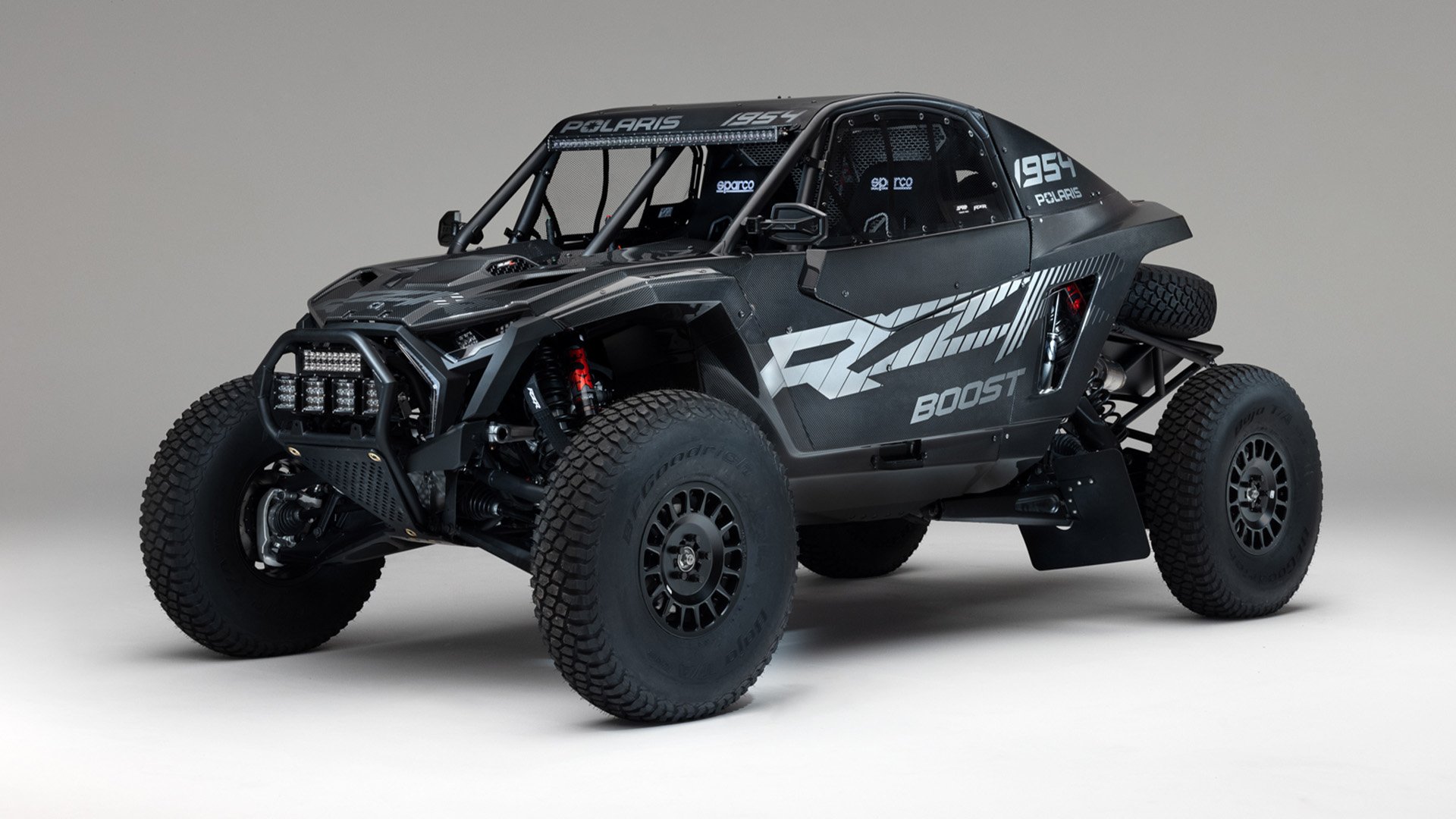
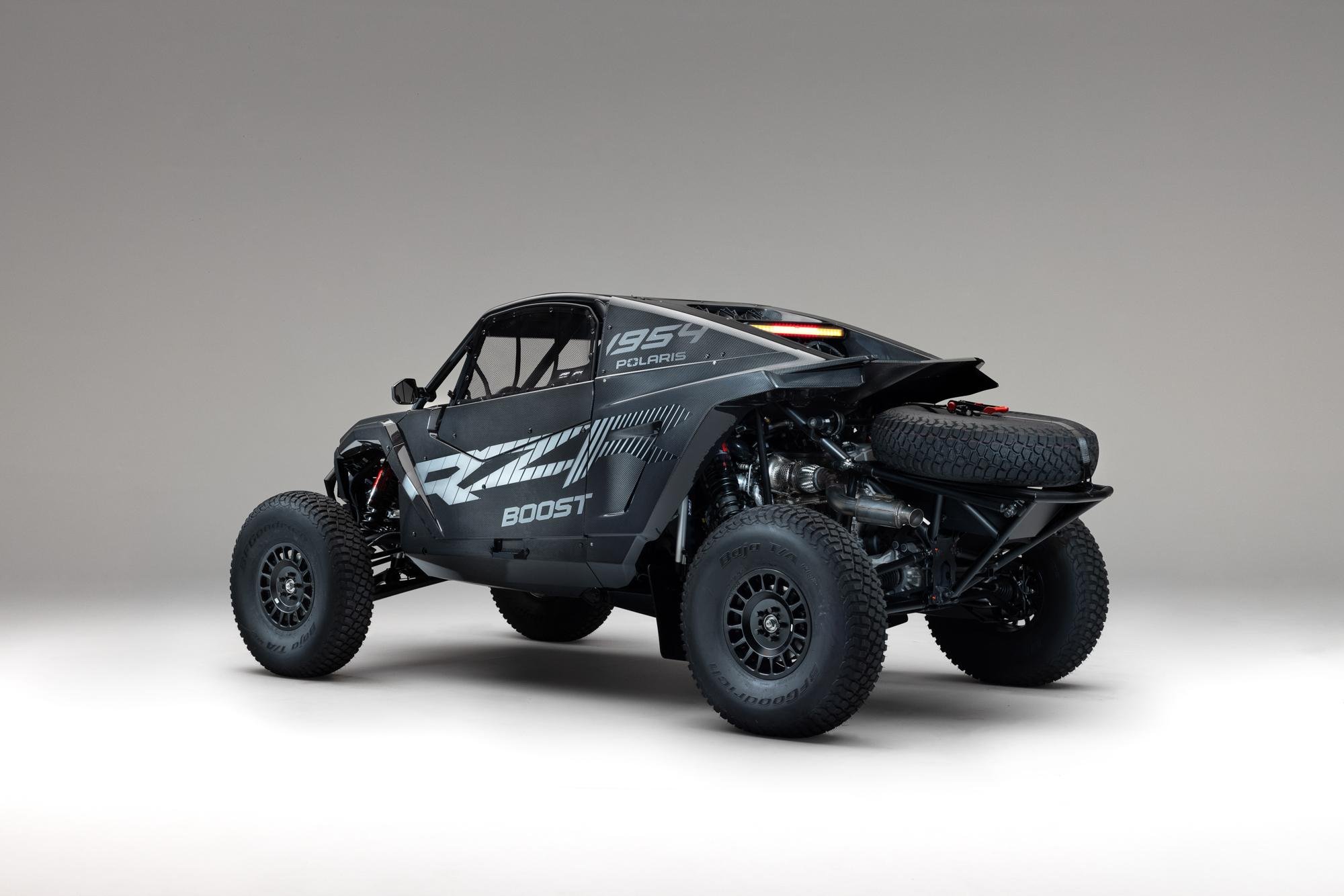
There is a distinct line between a "sporty" side-by-side and a purpose-built, off-road racing machine. While many enthusiasts spend tens of thousands of dollars in the aftermarket to bridge that gap, Polaris has decided to make the transition obsolete. Enter the Polaris RZR Pro R Factory Boost—a turnkey, competition-ready monster engineered to dominate the world’s most grueling endurance events, from the sands of Baja to the dunes of Dakar.
Priced at $200,000, this is not a recreational vehicle for the casual weekend trail rider. It is a factory-developed, precision-instrument designed for those who measure success in stage wins and survival.
Main Facts: A New Benchmark in Performance
At the heart of the RZR Pro R Factory Boost lies a 2.0-liter, four-cylinder engine that has been heavily massaged to produce a staggering 400 horsepower. While the "standard" Pro R Boost—a vehicle already considered the world’s most powerful factory side-by-side—pushes out a formidable 275 hp, the Factory Boost variant elevates the platform into a different stratosphere.
However, power is only one part of the equation. To harness 400 hp in the chaotic, high-speed environment of desert racing, Polaris has overhauled nearly every critical system:
- Chassis Geometry: The wheelbase has been stretched by 6.5 inches to a total of 111 inches, providing critical stability during triple-digit runs over jagged terrain.
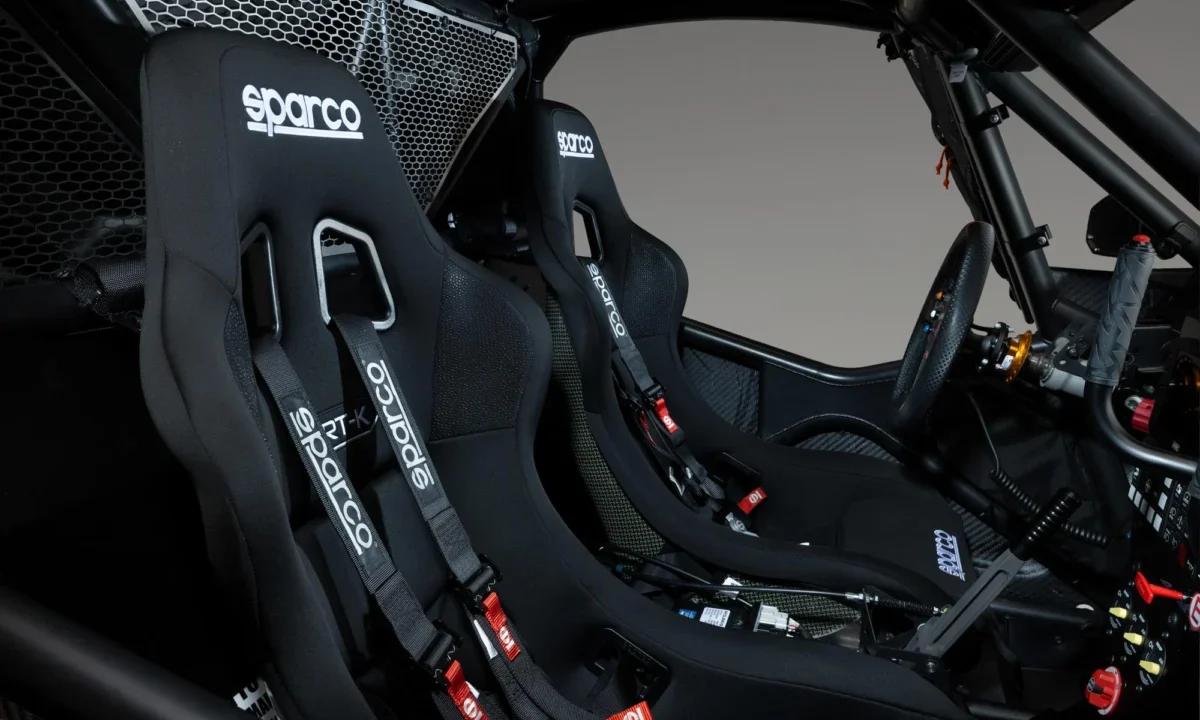
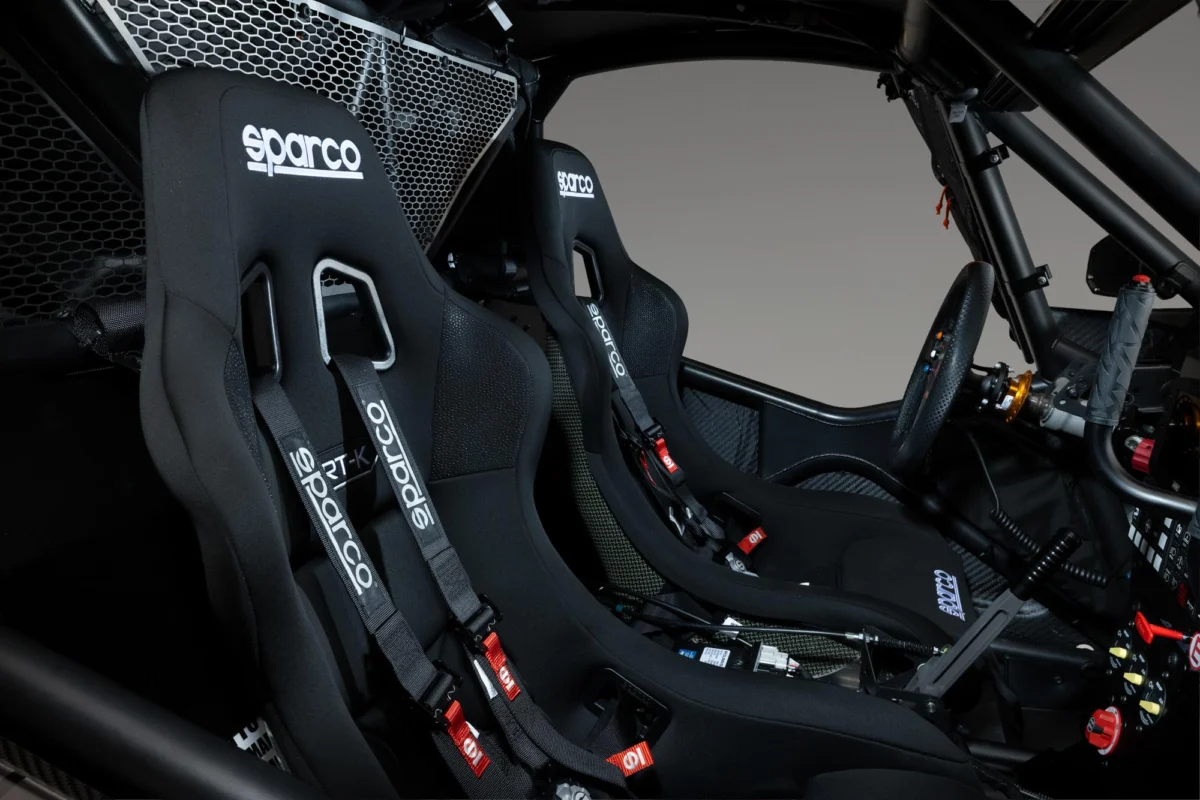
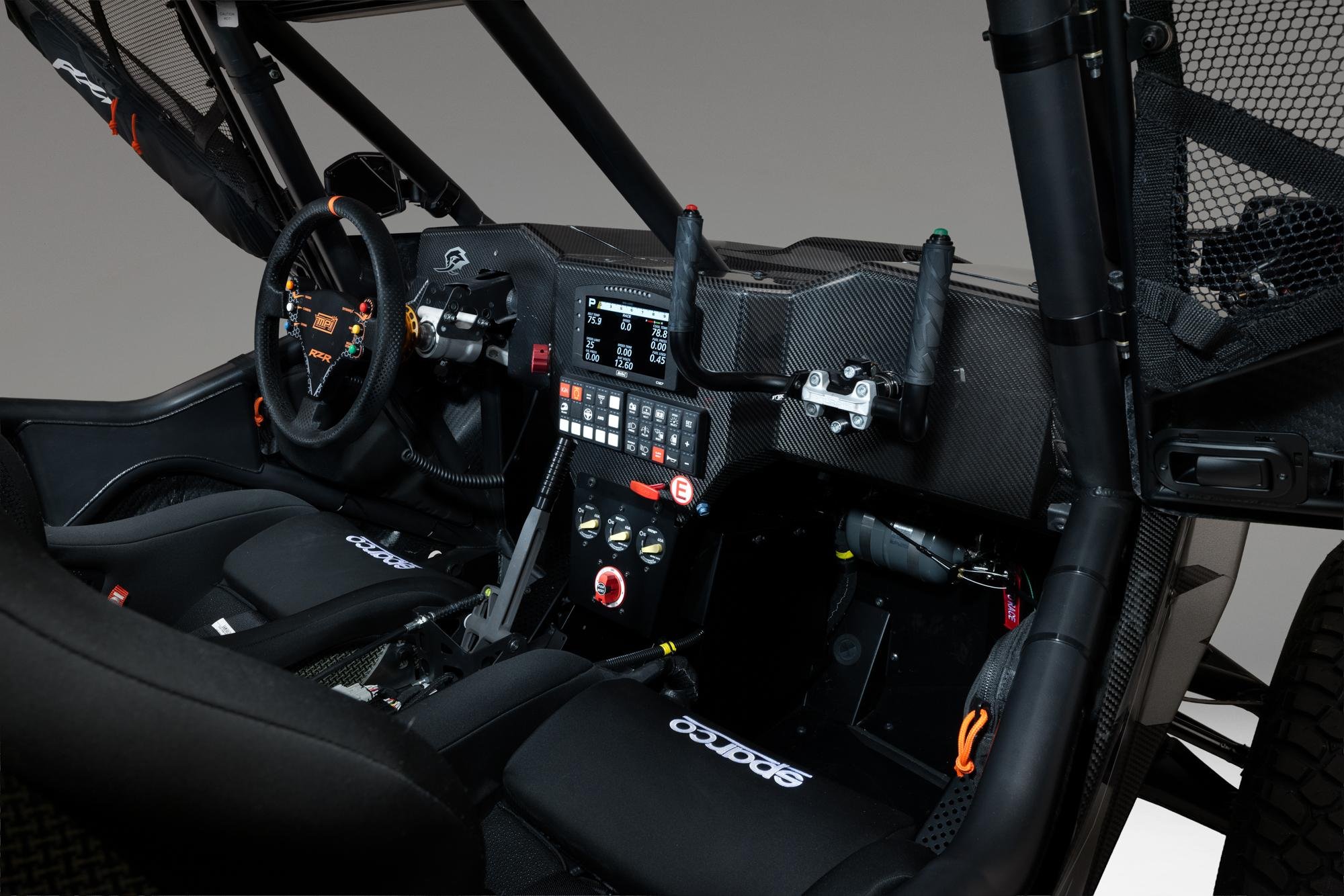
- Structural Integrity: The frame utilizes larger-diameter tubing for increased stiffness, paired with a bespoke roll cage and a cockpit that is two inches wider than the standard production model for improved driver ergonomics and safety.
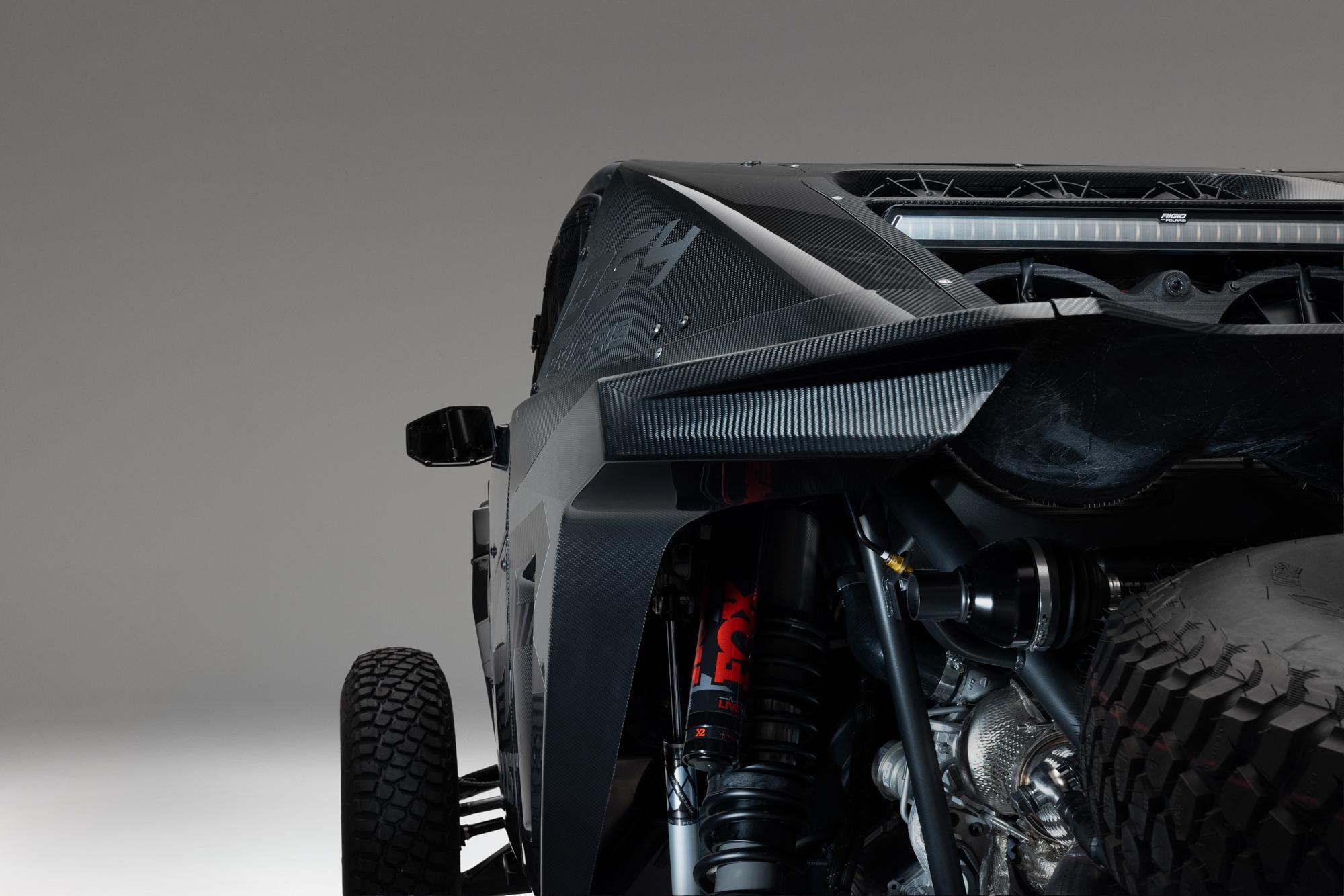
- Aerodynamics: Utilizing computational fluid dynamics (CFD), Polaris has crafted custom carbon fiber bodywork specifically designed to manage airflow at speeds exceeding 100 mph.
- Endurance Fueling: To minimize pit stops, the vehicle is equipped with a 45-gallon fuel cell, offering a range of over 200 miles—a necessity given the engine’s insatiable thirst at full throttle.
Chronology: From Garage Tinkering to Factory Perfection
The journey toward the Factory Boost began years ago in the trenches of the aftermarket scene. For nearly a decade, the RZR’s four-cylinder powerplant has been a favorite for tuners, with some custom builds successfully extracting over 600 horsepower on high-boost setups.
Polaris monitored this evolution closely. By observing how privateer teams pushed the engine’s limits, the company identified the failure points and thermal challenges inherent in high-boost applications.
- 2023: Early reports of 643-whp Pro R builds circulating in the industry proved that the engine block possessed significant "headroom."
- 2024-2025: Polaris internal teams began the "Factory Race Shop" project, shifting from standard assembly line manufacturing to bespoke fabrication.
- Late 2026: The official unveiling of the Factory Boost signals a paradigm shift: Polaris is no longer just selling parts; they are selling a professional-grade race team experience.
- February 15, 2027: The cutoff date for the first order window, marking the beginning of the production cycle at the legendary Roseau, Minnesota facility.
Supporting Data: Why It Works
The magic of the Factory Boost lies in the suspension and thermal management. The vehicle utilizes the Dynamix DV system, featuring three-inch Fox Live Valve internal-bypass shocks. These are not merely off-the-shelf components; they are capable of adjusting damping profiles 200 times per second.
By upgrading the shock shafts to a one-inch diameter, Polaris has ensured that these units can withstand the constant, violent impacts of desert racing without fatigue. A heavy-duty Fox steering damper acts as a final layer of protection, reducing the physical toll on the driver’s arms and shoulders during multi-hour race legs.
The fuel economy is, by design, abysmal. At a sustained pace through deep sand and silt, the 400-hp engine achieves roughly five miles per gallon. However, in the context of professional rally-raid, efficiency is secondary to the "range-to-pit" ratio. The 45-gallon tank allows the machine to cover distances that would leave lesser vehicles stranded or forced to carry bulky, heavy external fuel bladders.
Official Responses and Strategic Partnerships
Polaris has taken a unique approach to the distribution of the Factory Boost. Rather than flooding dealer floors, the company is partnering with SCI Distribution to handle the sales process and ongoing customer support.
"We wanted to ensure that the people buying this machine have the support they need to compete at a high level," a spokesperson for the program noted. "SCI Distribution isn’t just selling a vehicle; they are acting as a liaison between the factory and the racing community."
The vehicle is built at the same Roseau facility as the standard RZR, ensuring that the manufacturing quality control remains consistent with Polaris’ high standards. By keeping the RZR Pro R Factory Boost production in-house, Polaris maintains the intellectual property of its race-winning design while providing a "turnkey" solution that is currently unmatched in the UTV market.
Implications: The Death of the "Garage-Built" Advantage?
The arrival of the $200,000 factory-built racer creates an interesting dilemma for the off-road industry. Historically, the "spirit of the sport" resided in the ingenuity of privateer teams—the ability to take a production chassis and out-engineer the competition in a home garage.
With the introduction of the Factory Boost, that barrier to entry has effectively moved. A wealthy privateer or a mid-tier racing team no longer needs to spend two years on R&D to build a competitive machine. They can simply write a check, take delivery of the Factory Boost, and be on the starting line of the Baja 1000 with a vehicle that has already been CFD-tested and track-proven by the manufacturer.
A Warning for the Uninitiated
Despite its accessibility, the RZR Pro R Factory Boost is not a toy. It is a highly specialized tool. The acceleration is violent, the handling is razor-sharp, and the speed at which it can traverse treacherous terrain is enough to catch even seasoned veterans off-guard.
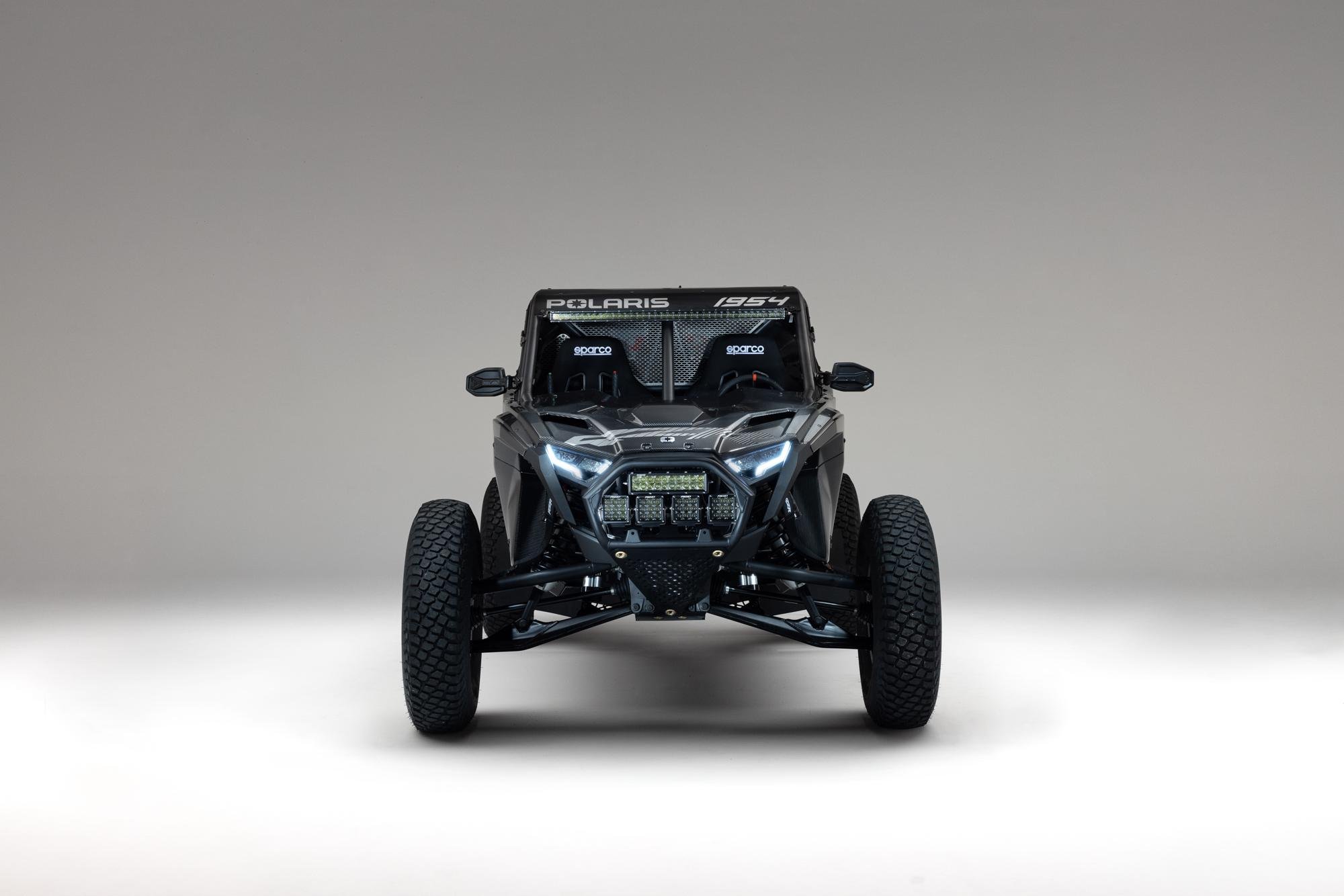
For the casual enthusiast, the standard RZR Pro R remains more than enough to handle almost any trail or dune field. But for those with the budget, the ambition, and the skill to harness 400 horsepower in the open desert, the Factory Boost represents the pinnacle of what is possible on four wheels.
The landscape of UTV racing has changed. The era of the "factory-supported privateer" has arrived, and it comes wrapped in carbon fiber, tuned for 400 horses, and ready to dominate. If you plan on securing one, the window is closing fast—the desert, after all, waits for no one.
