



By Bailey Schulz | October 30, 2026
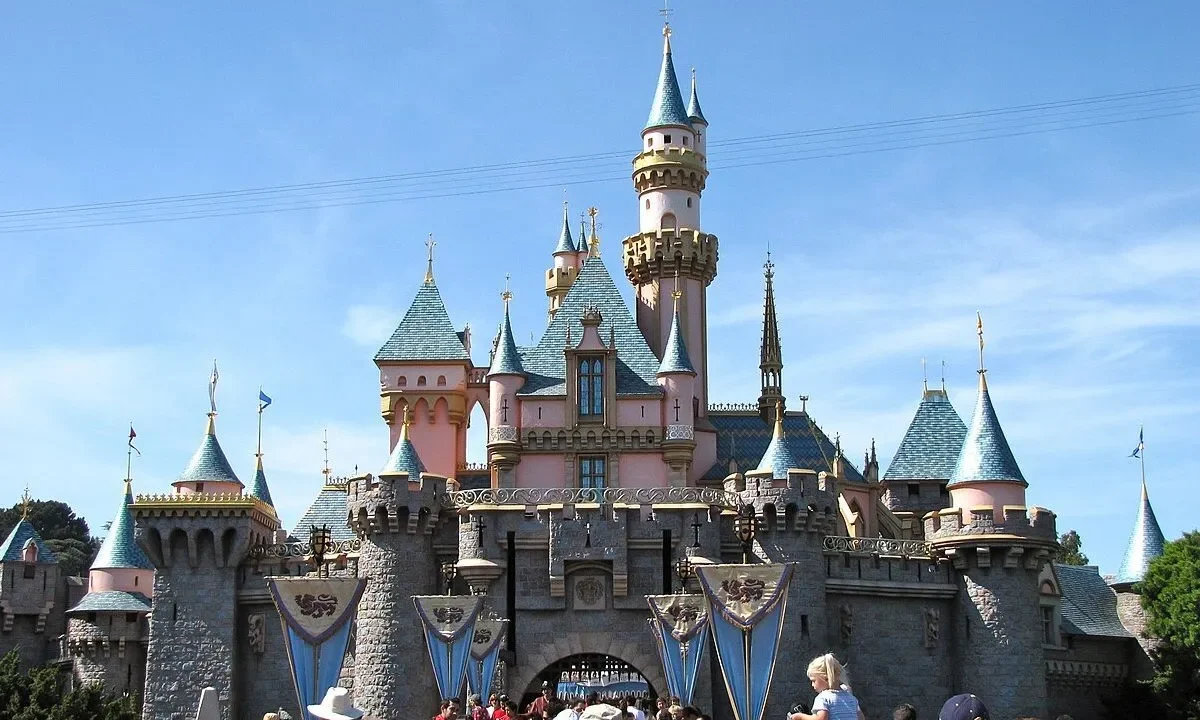
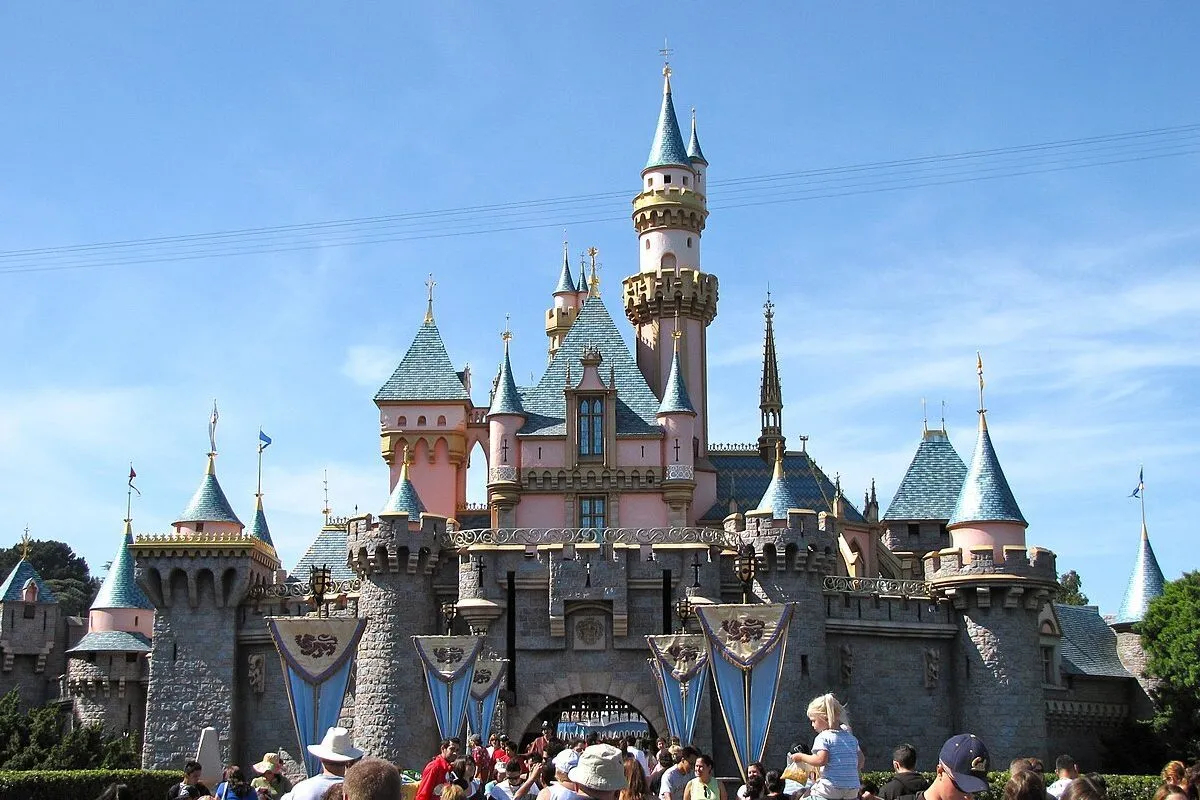
The Walt Disney Company, the global titan of themed entertainment, has initiated a fresh round of workforce reductions within its parks and experiences division. According to individuals familiar with the matter, between 100 and 200 employees have been laid off, a move that signals ongoing structural adjustments within the company’s creative engine—Walt Disney Imagineering.
While Disney has long been synonymous with the "magic" of its theme parks, the reality behind the curtain is increasingly governed by the rigorous fiscal discipline of a modern media conglomerate. This latest reduction, while relatively modest in the context of Disney’s massive global headcount, carries significant weight due to the specific focus on the division responsible for the design, engineering, and conceptualization of the company’s most iconic attractions.
The Core Facts: A Targeted Reduction
The layoffs, confirmed by sources speaking on the condition of anonymity, primarily impacted the Imagineering division. Imagineers are the lifeblood of the company’s parks segment, tasked with the complex integration of creative storytelling, cutting-edge robotics, and architectural innovation.
This move follows a period of intense capital investment in the company’s parks and cruise line business. As Disney navigates a post-pandemic landscape marked by volatile consumer spending, shifting travel preferences, and the high cost of maintaining its competitive edge in the global theme park market, the leadership team appears to be tightening the belt. These cuts are viewed by industry analysts as a realignment of internal resources rather than a signal of an exit from theme park expansion, though they underscore the pressure on Disney to maximize efficiency across its creative workflows.
A Chronology of Corporate Realignment
To understand the significance of this development, it is necessary to place these layoffs within the broader arc of Disney’s recent corporate history.
The Pandemic and Post-Pandemic Pivot (2020–2023)
The COVID-19 pandemic dealt a staggering blow to the parks division, leading to mass furloughs and a fundamental re-evaluation of how Disney operates its global assets. During this period, the company leaned heavily into digital integration, such as the Genie+ system, to manage park capacity and revenue per capita.
The "Efficiency" Mandate (2024–2025)
As the company sought to stabilize its balance sheet following the streaming wars and the high cost of content production, CEO Bob Iger emphasized a return to "operational efficiency." Throughout 2025, various segments of the company saw streamlining efforts. The goal was clear: reduce overhead to pivot more capital toward the parks, which remain the company’s most reliable profit engine.
The Current Moment (2026)
By late 2026, the company entered a phase of "optimized growth." While Disney has publicly announced ambitious multi-billion dollar plans for park expansions—ranging from new lands based on Avatar to investments in the Disney Cruise Line—the current layoffs indicate that the corporate office is seeking to balance these massive capital expenditures with a leaner administrative and creative workforce.
Supporting Data: The Economics of Imagineering
Disney’s parks and experiences division remains the company’s financial powerhouse. In recent fiscal quarters, the parks segment has frequently outperformed the media and entertainment divisions, which have struggled with the transition from linear television to streaming profitability.
- Capital Allocation: Disney has signaled a plan to invest $60 billion into its parks and cruise lines over the coming decade.
- Headcount Sensitivity: With a total global workforce numbering in the hundreds of thousands, a reduction of 100 to 200 employees is a surgical move. It suggests that Disney is not attempting to slash its way to profitability, but rather "pruning" teams that may have been expanded during the rapid growth phase of the early 2020s.
- The Cost of Innovation: Developing a "E-Ticket" attraction today can cost upwards of $500 million. As Disney leans further into augmented reality (AR), advanced animatronics, and massive scale, the cost of labor within Imagineering has risen. The company is likely attempting to normalize these costs through the consolidation of roles.
Official Responses and Corporate Stance
As of this writing, The Walt Disney Company has not provided a detailed breakdown of the departments impacted, nor have they issued a public statement specifically detailing the rationale behind this specific reduction.

However, in previous communications regarding broader corporate restructuring, Disney leadership has consistently emphasized the need to "simplify" the organization. The mantra, often echoed by executive leadership, is to remove layers of management that inhibit speed-to-market. By centralizing decision-making within Imagineering and streamlining the design pipeline, Disney aims to shorten the time between the conceptual design of an attraction and its grand opening.
Historically, Disney prefers to handle such matters internally, often framing workforce reductions as "structural realignments" rather than austerity measures. The lack of an aggressive public relations campaign suggests that Disney expects this to be viewed as a routine operational adjustment rather than a sign of systemic distress.
The Implications: What This Means for Guests and Shareholders
The departure of creative talent from Imagineering raises critical questions for both investors and the millions of guests who flock to Anaheim, Orlando, and international parks annually.
For the Guest Experience
Will the quality of Disney attractions suffer? This is the primary concern for the company’s "fanbase." Imagineering is a specialized craft; the loss of institutional knowledge—veteran designers and engineers who have spent decades perfecting the "Disney look"—is not easily replaced. If these layoffs result in a reliance on external contractors or a move toward more generic, less immersive design, the premium experience that allows Disney to charge higher ticket prices could be compromised.
Conversely, if the restructuring leads to faster project delivery, guests might benefit from a more frequent rotation of new experiences. In an era where regional competitors like Universal Destinations & Experiences are aggressively building new parks (such as Epic Universe), speed is a competitive necessity.
For the Investor
For Wall Street, these cuts are likely seen as a positive indicator of fiscal discipline. Investors have been pressuring Disney to prove that its parks segment can maintain margins even as it pours billions into infrastructure. By demonstrating an ability to manage the cost of its creative workforce, Disney is signaling to the market that it is taking a disciplined approach to its massive capital expenditure plans.
For the Industry
Disney’s influence on the theme park industry is absolute. When Disney changes how it manages its creative talent, other major players often follow suit. This move may signal a broader trend in the hospitality and entertainment industry: the shift toward a "gig-economy" model for high-end design, where companies prefer to bring in specialized talent for specific project lifecycles rather than maintaining massive, permanent in-house creative departments.
Conclusion: A New Era for the House of Mouse
The layoffs within Imagineering are a microcosm of the challenges facing legacy media and entertainment giants in 2026. Disney must balance the nostalgia and quality that define its brand with the cold, hard realities of a competitive, digital-first economy.
As the company moves forward, the success of these layoffs will not be measured by the number of people leaving, but by the quality of the projects that emerge from the remaining team. If Disney can continue to produce world-class attractions while maintaining a leaner corporate structure, it will have successfully navigated a difficult transition. However, should the "magic" begin to fade—evidenced by lackluster attractions or diminished attention to detail—the cost of these savings may prove far higher than the payroll figures they sought to reduce.
For now, the parks division remains the jewel in the Disney crown, but the polishing of that jewel has become an increasingly delicate and high-stakes operation. The industry will be watching closely as the next generation of attractions moves from the drafting board to the construction site, serving as the ultimate litmus test for the company’s new, streamlined creative strategy.
