





Introduction: A Fragile Hope for Sudan’s Youth
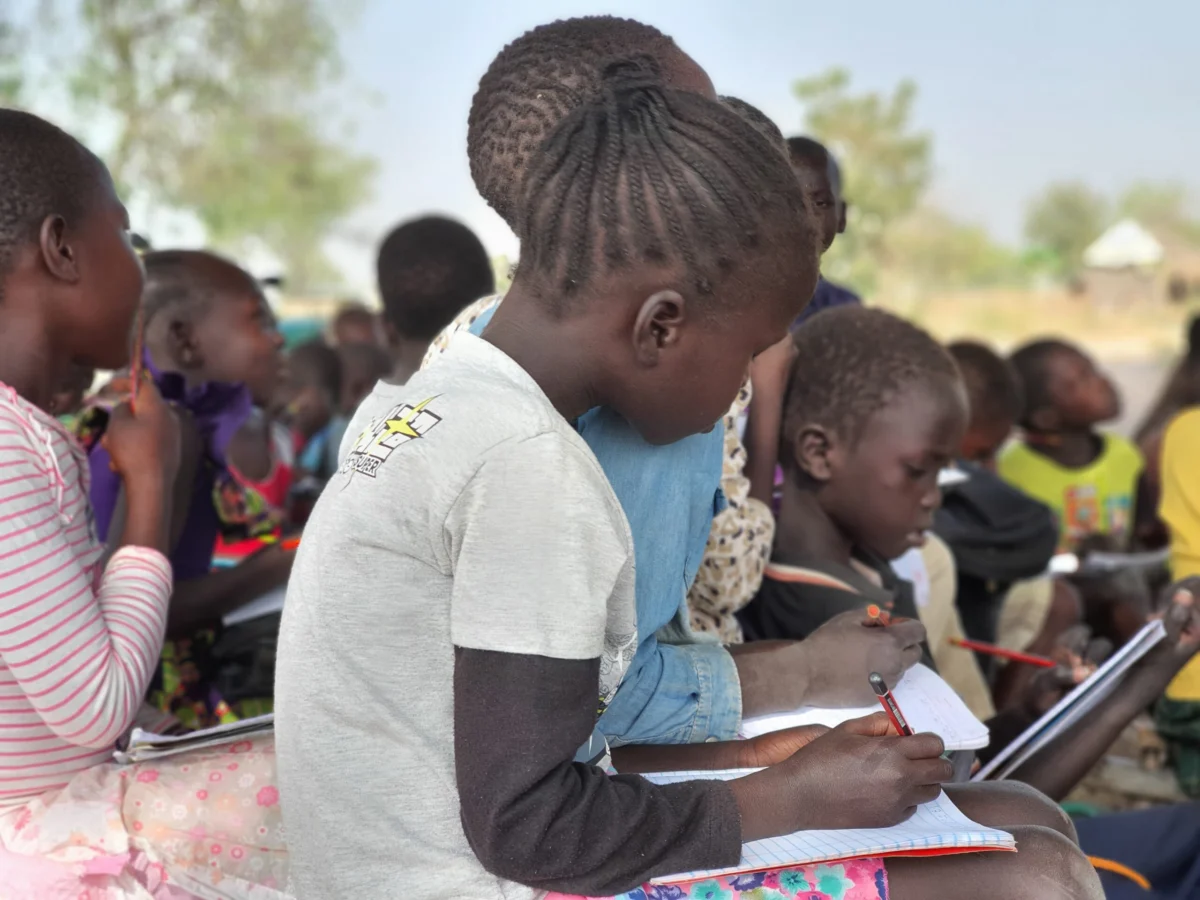
On Monday, the United Nations’ global fund for education in emergencies, Education Cannot Wait (ECW), announced a significant $22 million investment aimed at stemming the tide of an unfolding educational catastrophe in Sudan. As the nation grapples with the devastating fallout of a protracted civil war that began in April 2023, the initiative seeks to reintegrate displaced children into learning environments. This program, which spans a three-year implementation window, represents a critical lifeline for 200,000 children whose access to formal schooling has been systematically dismantled by gunfire, displacement, and the collapse of civil infrastructure.
While the funding is a substantial step forward, it addresses only a fraction of the monumental needs within a country where the social fabric has been shredded by factional violence. For millions of Sudanese youth, the "lost years" of education are not merely a logistical delay—they are a fundamental threat to the nation’s future stability and the individual potential of a generation.
Chronology of the Conflict and the Educational Collapse
To understand the necessity of this intervention, one must examine the timeline of the current crisis.
- April 2023: Hostilities erupt between the Sudanese Armed Forces (SAF) and the Rapid Support Forces (RSF), primarily in Khartoum. The sudden onset of urban warfare forces thousands of schools to shutter immediately.
- Late 2023: As the conflict spreads to regions like Darfur and Kordofan, school buildings are repurposed as shelters for the internally displaced or seized as tactical positions by armed factions.
- 2024: The "education crisis" becomes an official humanitarian emergency. Global monitoring bodies note that school-age children begin to lose consecutive semesters, with some regions seeing no formal instruction for over 500 days.
- August 2026: ECW announces the $22 million multi-year resilience program, recognizing that the conflict has transitioned from an acute military struggle into a long-term humanitarian disaster requiring sustained educational investment.
The trajectory of the conflict has been one of total institutional erosion. What began as a power struggle between military elites has metastasized into a systemic failure of state services, leaving education—the foundation of any post-conflict recovery—at the bottom of the priority list for warring parties.
Supporting Data: The Magnitude of the Crisis
The statistics provided by Education Cannot Wait paint a harrowing picture of a nation in retreat. The scale of the humanitarian emergency is unprecedented in Sudan’s recent history:
- Displacement: Approximately 14 million people have been forced to flee their homes, creating a massive population of internally displaced persons (IDPs) and refugees who lack documentation, school supplies, and stable environments.
- Humanitarian Need: A staggering 33.7 million people currently require humanitarian assistance, a figure that highlights the sheer breadth of the collapse of the Sudanese economy and social services.
- The Schooling Gap: Sudan is home to an estimated 17 million school-age children. Of these, at least 8 million remain entirely out of school. This represents nearly 50% of the youth population effectively barred from the classroom.
- Learning Loss: Millions of children have endured disruptions exceeding 500 days. This duration of non-attendance leads to irreversible skill decay, particularly in literacy and numeracy, and increases the likelihood of children being recruited into armed groups, child labor, or early marriage.
These figures underscore a sobering reality: without external intervention, the cycle of poverty and violence in Sudan will likely perpetuate itself for decades as an uneducated generation finds itself without the skills required to participate in a modern economy or a democratic transition.
Official Responses and Strategic Partnerships
The implementation of the $22 million initiative is a collaborative effort involving some of the most experienced humanitarian organizations operating on the ground.
The Role of Implementing Partners
The program will be spearheaded by a coalition of international and local NGOs, ensuring that the aid reaches the most vulnerable—including internally displaced children, refugees, and host communities that are currently bearing the brunt of the population influx. The implementing partners include:
- Save the Children: Focusing on child protection and the creation of safe, quality learning environments.
- Plan International: Addressing gender-based barriers to education, particularly for young girls who face elevated risks in conflict zones.
- LM International (Lakarmissionen): Providing specialized support for vulnerable populations.
- Local Partners (AORD and Sadagaat): These organizations are critical, as they possess the ground-level network and trust necessary to navigate the complex security landscape of Sudan.
Expert Perspectives
Francesco Lanino, Deputy Country Director for Save the Children, has been vocal about the strategic necessity of this funding. "To protect the future of children in Sudan," Lanino stated, "we must focus on access to safe, quality education." His sentiment reflects a broader consensus among aid workers that education is not a "secondary" need during a war; it is a primary tool for protection, psychosocial support, and community stabilization.
ECW, the organization providing the funding, has built its reputation on the premise that education is a human right that cannot be suspended simply because a region is experiencing a crisis. By providing "holistic learning opportunities," the initiative aims to offer more than just textbooks; it provides a sense of normalcy and psychological relief to children who have witnessed the horrors of war.
Implications: Building Resilience Amidst Chaos
The infusion of $22 million is a strategic investment in the long-term survival of Sudanese society. However, the implications of this program reach far beyond the classroom walls.
Rebuilding Social Cohesion
Education serves as a bridge between communities. By targeting both displaced children and the host communities that receive them, the program aims to mitigate the tensions that often arise in areas where resources are scarce. Providing shared learning spaces can foster social integration and reduce the stigmatization of displaced families.
The Threat of "Lost Generations"
The long-term danger of the current educational void is the creation of a "lost generation." History shows that in post-conflict societies, the demographic bulge of uneducated, unemployed youth is the primary driver of renewed conflict. If the Sudanese youth of today are not given the tools to rebuild their nation, the vacuum of opportunity will likely be filled by radicalization and criminal enterprise.
Challenges to Implementation
Despite the optimism surrounding this announcement, the reality on the ground remains volatile. Key challenges include:
- Security Risks: The ongoing fighting makes the delivery of school supplies and the protection of teachers highly dangerous.
- Infrastructure: Many school buildings have been destroyed or converted into military barracks, requiring significant investment to make them safe for children once more.
- Teacher Retention: Many teachers have either fled the country or are unable to work due to the lack of salary payments, creating a chronic shortage of qualified educators.
A Call for Global Sustenance
The $22 million provided by ECW is a vital injection, but it is not a cure-all. For this program to be successful, it requires a sustained commitment from the international community. The donor countries must look at this initiative as the first phase of a much longer commitment. The people of Sudan have shown immense resilience, continuously finding ways to organize and support one another despite the constant threat of violence. Supporting these grassroots efforts—through organizations like AORD and Sadagaat—is the most effective way to ensure that the aid is both culturally relevant and practically impactful.
Conclusion: The Path Forward
The announcement of this initiative is a reminder that even in the darkest hours of conflict, the international community has a duty to preserve the promise of the future. By prioritizing education, the UN and its partners are signaling that they refuse to accept the narrative of a broken Sudan.
As the program rolls out over the next three years, the success of these 200,000 children will serve as a barometer for the nation’s eventual recovery. The road to peace in Sudan is long and fraught with obstacles, but restoring the right to learn is the most essential step toward a future where the next generation of Sudanese citizens can trade the rifle for the pen, and the trauma of war for the stability of a classroom. The world is watching, and for the children of Sudan, this investment is the difference between a life of cyclical despair and a chance at a meaningful, productive existence.
