





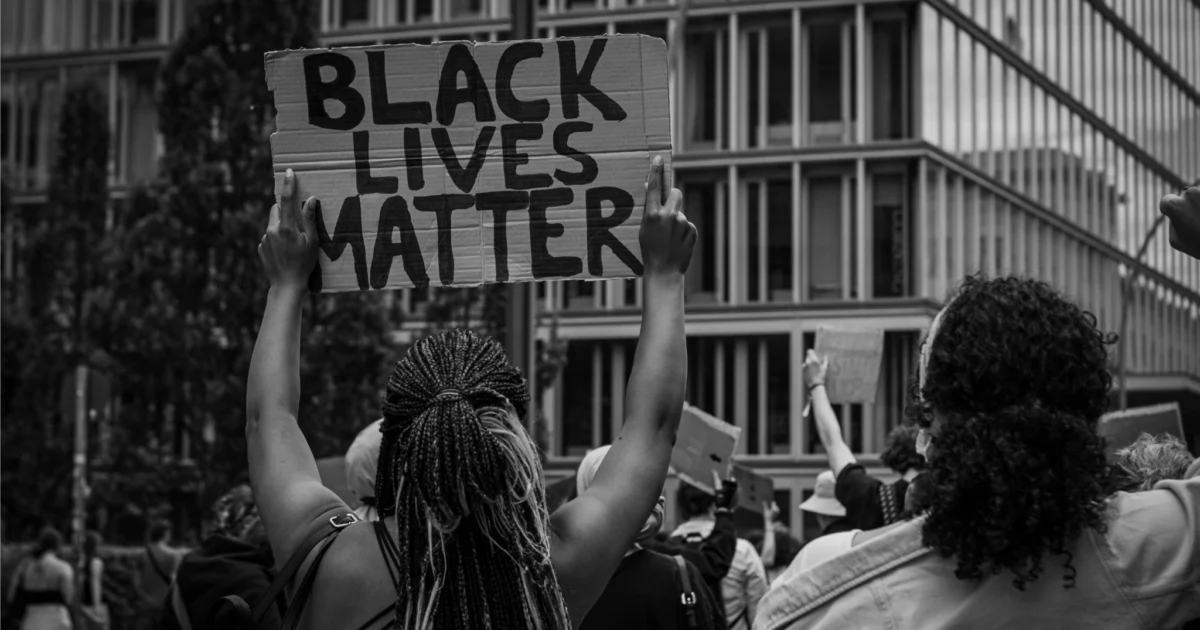
Introduction: The Unfinished Work of Juneteenth
Juneteenth is more than a date on the calendar; it is a foundational moment in the American narrative, representing the long-delayed promise of liberty for millions of Black Americans. As we commemorate the end of legal slavery in 1865, the day serves as a critical juncture to evaluate the state of economic, social, and racial justice in the United States.
However, history teaches us that legal emancipation was not synonymous with economic freedom. The decades following Reconstruction saw the emergence of sophisticated systems of exploitation, designed to extract labor from Black workers while systematically denying them the pillars of economic security: property ownership, equitable wages, and professional advancement. Today, as the American economy stands on the precipice of a technological revolution, these historical patterns of exclusion are finding new expression through artificial intelligence (AI).
The Chronology of Economic Exclusion
To understand the current labor crisis, one must view the history of Black labor in America as a series of evolving barriers.
- 1865–1877 (Reconstruction): The period of brief hope for land redistribution and political representation, quickly met with the rise of "Black Codes" and the re-establishment of labor exploitation through sharecropping and convict leasing.
- 1900–1960s (The Great Migration & Jim Crow): As Black Americans moved to northern industrial hubs, they were largely relegated to the most dangerous and underpaid positions. Despite their contributions to the industrial backbone of the U.S., they were largely excluded from the protections afforded by the New Deal’s labor legislation.
- 1970s–2020s (The Neoliberal Shift): The rise of deindustrialization, the erosion of unions, and the implementation of inequitable employment policies solidified a racial wealth gap that has proven remarkably resilient.
- 2025–Present (The AI Era): We are now witnessing the next phase of this chronology. The rapid integration of generative AI and algorithmic management into the workplace is threatening to further marginalize the very populations that have historically been denied a seat at the table.
The Rising Tide of Inequity: Current Data and Trends
The promise of artificial intelligence as a "great equalizer" is rapidly being eclipsed by the reality of its implementation. For Black women, the data is particularly alarming.
As of the close of 2025, the unemployment rate for Black women had surged to 7.3 percent—a figure nearly double that of their white female counterparts. This is not a coincidence of the market, but a symptom of occupational segregation. Research consistently shows that Black women are heavily concentrated in sectors most vulnerable to automation: administrative support, human resources, customer service, and data processing.
The Vulnerability Index
The "vulnerability" of these roles is twofold. First, these positions are often the first to be downsized as firms look to trim overhead by replacing human labor with automated workflows. Second, even when the jobs are not eliminated, they are being "de-skilled" by technology, leading to stagnant wages, reduced benefits, and a loss of bargaining power for the workers remaining in those roles.
When a company replaces a human administrative assistant with an AI interface, the displacement isn’t just a loss of a paycheck; it is a loss of a career ladder. These roles have historically provided a pathway to stability for families; their automation threatens to trap workers in a cycle of precarious, low-wage "gig" work.
Official Perspectives and Advocacy
Rebecca Dixon, President and CEO of the National Employment Law Project (NELP), has been a vocal critic of the current trajectory of workplace automation. Her work highlights the imperative for a "good-jobs" economy.
"Technological change should expand opportunity, not deepen inequality," Dixon notes. Her advocacy emphasizes that the current crisis is a policy choice, not an inevitability of technological progress. The lack of robust labor protections in the age of AI is a failure of regulatory oversight that disproportionately affects those at the margins of the economy.
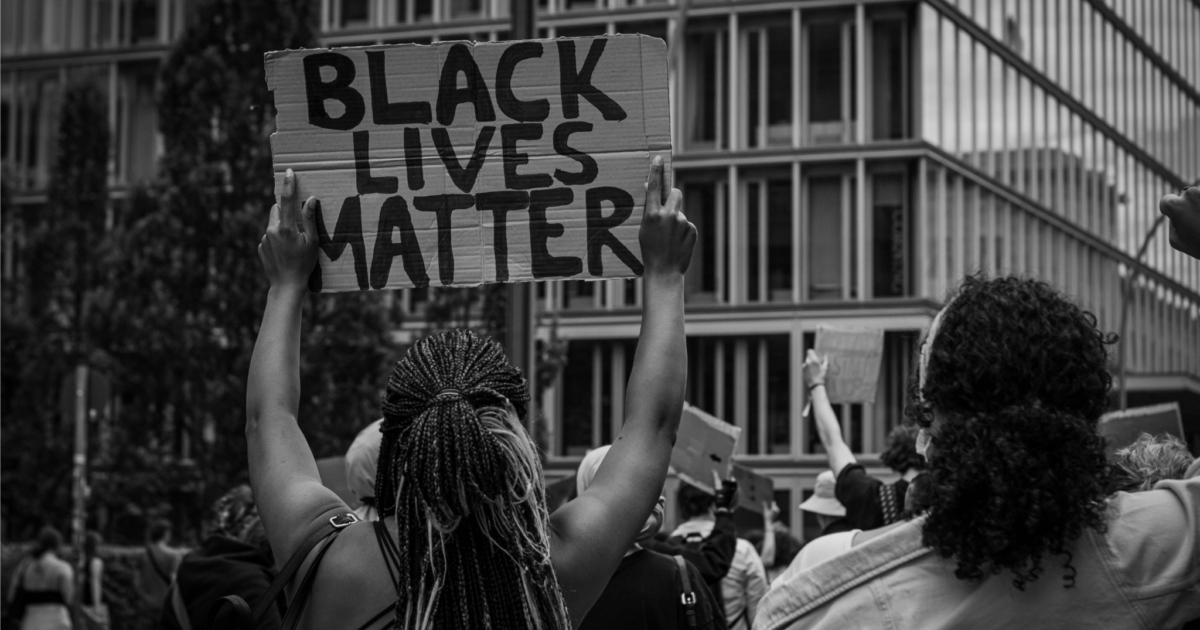
According to NELP’s research, the focus must shift from "innovation at all costs" to "human-centric innovation." This involves:
- Strengthening Labor Standards: Ensuring that AI tools are not used to bypass labor laws, wage-and-hour protections, or anti-discrimination statutes.
- Modernizing Unemployment Insurance: Current systems are ill-equipped to handle the rapid, large-scale displacement that AI may trigger. A modern system must include retraining grants, income support for long-term transitions, and portability of benefits.
- Investing in Worker Power: Empowering workers to have a voice in how technology is introduced in their workplaces, ensuring that they are partners in the transition rather than victims of it.
The Implications: A New Era of Disparities
The implications of this trend are profound. If the current trajectory continues, we risk codifying racial and gender disparities into the very algorithms that determine who gets hired, who gets promoted, and who gets laid off.
The Risk of "Automated Bias"
Algorithmic management tools often rely on historical data to make hiring or firing decisions. If the history of the American workplace is one of systemic inequality, then an AI trained on that history will inevitably replicate, and potentially amplify, those biases. This creates a "black box" of discrimination where a worker may be denied a promotion or terminated by an automated system, with no clear human recourse or transparent explanation.
Economic Stability and Family Well-being
The jobs currently most at risk are those that provide essential stability for millions of families. When these roles are replaced or devalued, the economic impact cascades through communities. The loss of predictability in scheduling, the reduction of full-time roles, and the erosion of benefits all contribute to a decline in overall economic security. This is particularly devastating for Black women, who are frequently the primary breadwinners in their households.
Recommitting to the Future of Work
This Juneteenth, the national conversation must move beyond the acknowledgment of past injustices to a concrete plan for future equity. The labor movement must integrate the fight against algorithmic exploitation into its core mission.
A "good-jobs" economy is one where:
- Living Wages are Guaranteed: AI productivity gains should be reflected in higher wages for workers, not just increased profit margins for shareholders.
- Dignity is Prioritized: Technology should be used to eliminate the most dangerous or monotonous tasks, freeing workers to focus on roles that require human creativity and empathy, rather than simply replacing them.
- Access is Equitable: Training and reskilling programs must be intentionally designed to reach the communities most impacted by displacement, ensuring that the benefits of the AI revolution are broadly shared.
Conclusion: Honoring the Past by Protecting the Future
The generations of Black workers who built this country did so in the face of systemic efforts to devalue their contributions. Today, we face a different kind of system—one that is digital, automated, and often invisible. The struggle for freedom in 2026 is no less critical than it was in 1865.
To ensure that the future of work advances freedom, dignity, and opportunity for all, we must act with the same resolve as those who fought for emancipation. We must demand that policymakers and corporate leaders take responsibility for the social consequences of their technological choices. We must insist on a regulatory framework that prioritizes human well-being over efficiency and profit.
By centering the experiences of those most vulnerable to AI-driven displacement—specifically Black women—we can create a more resilient, equitable, and just economy. The work of Juneteenth continues in the digital age, and it is our collective responsibility to ensure that the promise of liberty remains a reality for all who work to build this nation.
