



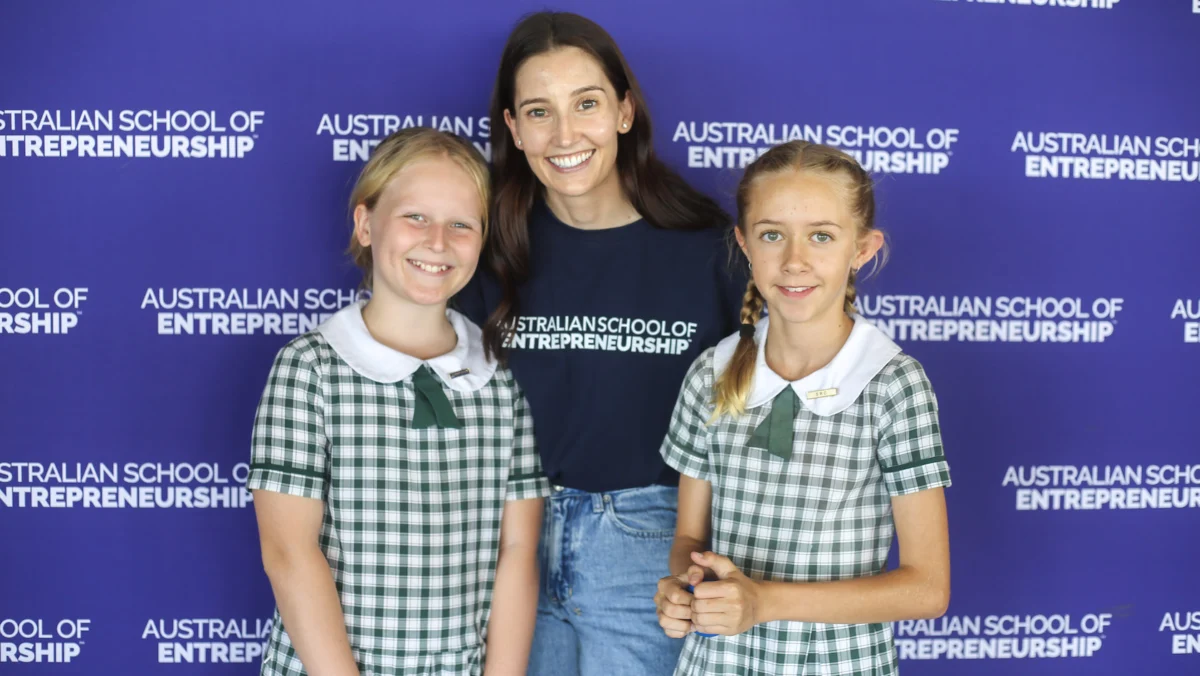
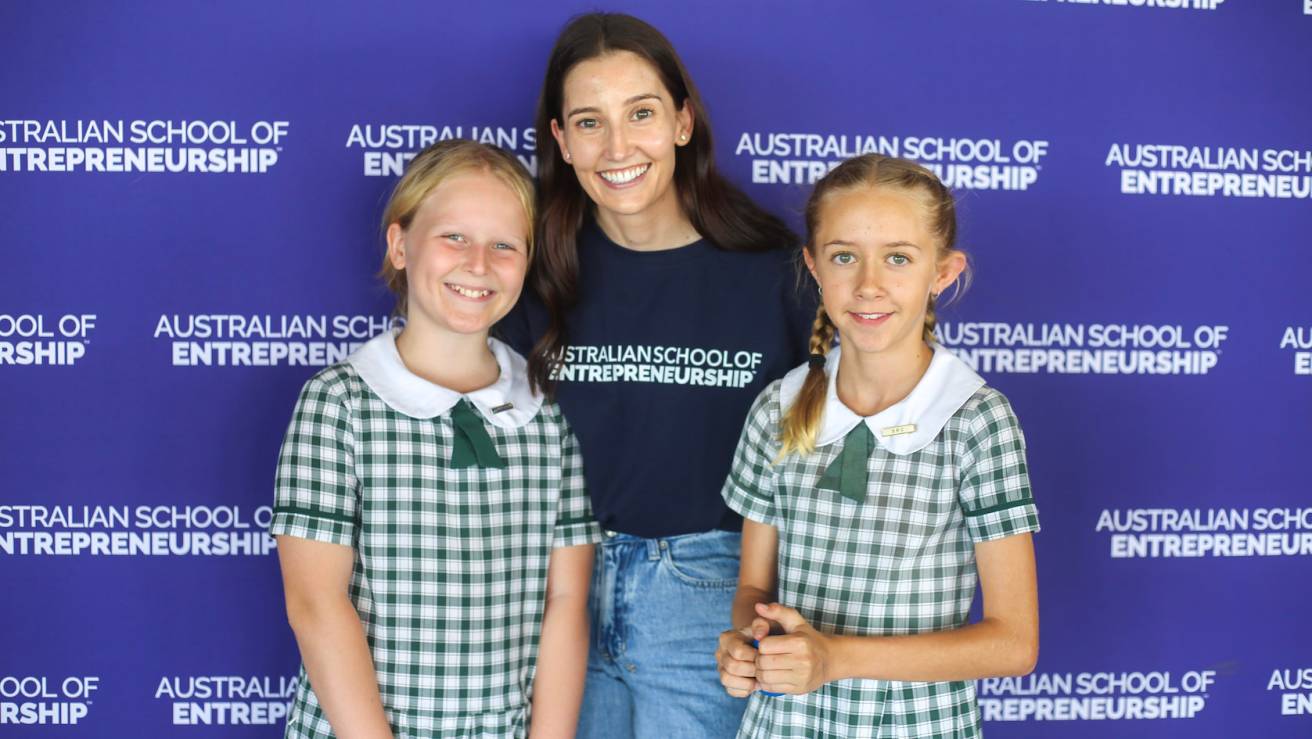
In a landmark move to democratize access to cutting-edge technology, the Australian School of Entrepreneurship (ASE), backed by the Toyota Community Trust, has announced the launch of the "Toyota AI Literacy Lab." This ambitious initiative aims to equip approximately 900 high school students across regional New South Wales, Victoria, and Queensland with the essential skills to navigate an increasingly automated workforce. Scheduled to commence in 2027, the program marks the first large-scale, dedicated effort to bring advanced artificial intelligence education to students in low-socioeconomic status (SES) regional communities.
The Core Mission: Democratizing AI Knowledge
As artificial intelligence transitions from a niche technical field to a foundational element of the global economy, the gap between metropolitan centers and regional Australia has never been more pronounced. The Toyota AI Literacy Lab seeks to address this disparity head-on. By delivering intensive, in-school workshops, the program provides students with more than just theoretical knowledge; it offers practical, hands-on exposure to AI tools that are currently reshaping industries ranging from agriculture and manufacturing to healthcare and creative services.
The initiative is designed to demystify AI, transforming it from an abstract, intimidating concept into a tangible set of skills. By focusing specifically on regional, low-SES areas, the program acknowledges that talent is distributed equally, even if opportunity is not.
A Chronology of the Initiative
The road to the 2027 launch has been paved by a growing recognition of the "digital divide."
- 2024-2025: Conceptualization and Partnership: Following internal assessments of the evolving labor market, the Australian School of Entrepreneurship identified a critical need for localized AI training. Discussions began with the Toyota Community Trust, which sought a high-impact, long-term investment in regional youth education.
- Late 2026: Program Finalization: With funding secured and the curriculum designed to meet the unique needs of regional students, the partnership was solidified to ensure the program would be accessible at no cost to the participating schools or families.
- 2027: Implementation Phase: The program is set to roll out across selected schools in New South Wales, Victoria, and Queensland. The year will be defined by a series of regional "bootcamps" and curriculum-integrated workshops designed to scale rapidly across these states.
- Beyond 2027: The long-term vision involves monitoring the progress of the inaugural cohort to refine the model for potential national expansion, potentially bridging the gap for thousands more students in the coming decade.
Supporting Data: Why Regional Australia Needs AI Literacy
The urgency of this program is underscored by several socioeconomic factors. According to recent workforce reports, regional Australia has historically faced higher barriers to entry for high-tech careers.
- The Literacy Gap: Recent educational data suggests that while AI adoption is surging in urban corporate environments, regional schools often lack the hardware, software, and specialized staff to provide comprehensive training.
- The Socioeconomic Factor: Students in low-SES regions often have less exposure to the "tech-first" mindset prevalent in affluent urban districts. By targeting 900 students specifically from these demographics, the Toyota AI Literacy Lab aims to provide a springboard for social mobility.
- Workforce Preparedness: With the Australian government’s focus on "Industry 4.0," the shift toward automation is expected to displace some traditional regional roles. However, it also creates new opportunities in remote monitoring, data-driven farming, and digital entrepreneurship. Literacy in AI is now a prerequisite for participating in this new economy.
Official Perspectives: The Philosophy Behind the Lab
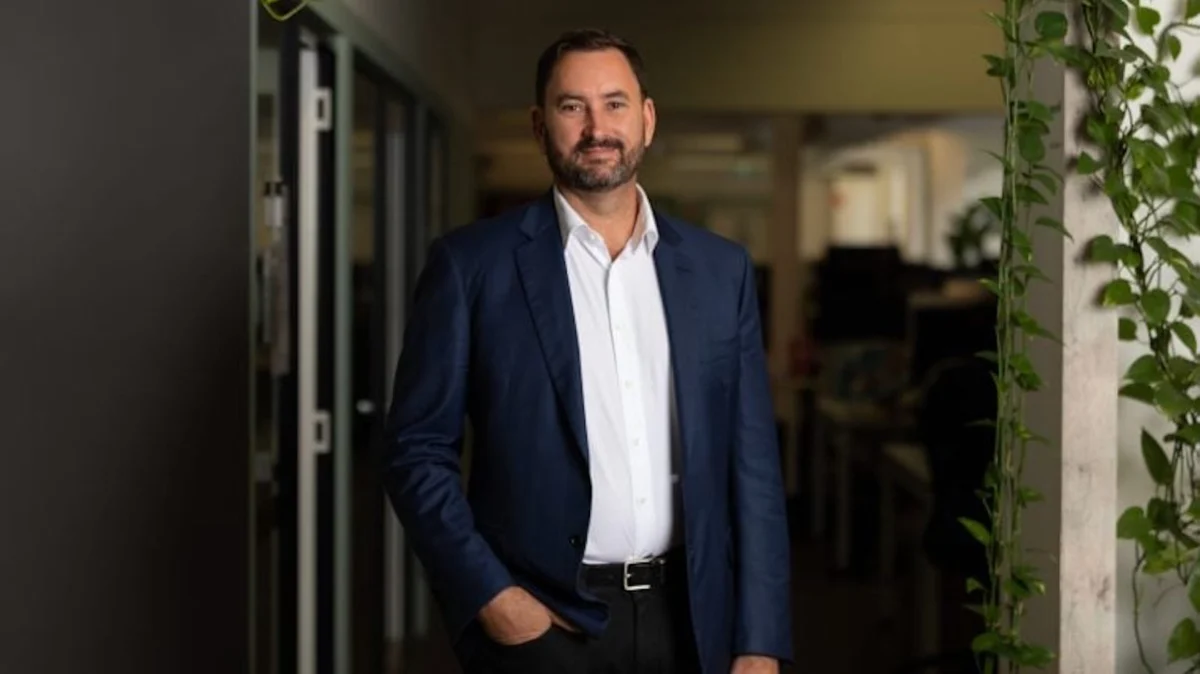
Jahin Tanvir, CEO of the Australian School of Entrepreneurship, has been a vocal proponent of treating AI education as a fundamental human right in the modern age.
"We believe AI literacy is a life skill now, just like reading and writing," Tanvir stated during the program’s announcement. His perspective highlights a shift in educational philosophy—moving away from viewing technology as a specialized elective and toward viewing it as a core competency required for citizenship in the 21st century.
Toyota’s involvement, through the Toyota Community Trust, signals a broader corporate responsibility initiative. By investing in the human capital of regional Australia, Toyota is not only fulfilling its ESG (Environmental, Social, and Governance) mandates but is also helping to secure a pipeline of future-ready talent that can contribute to the technological sustainability of the regions where they operate.
The Broader Implications: Preparing for an Automated Future
The impact of the Toyota AI Literacy Lab extends far beyond the classroom. The implications of this program are three-fold:
1. Economic Resilience
Regional economies are often susceptible to external shocks. By fostering a generation of students who understand how to leverage AI to solve local problems—whether it’s optimizing crop yields in rural Queensland or streamlining small business operations in regional Victoria—the program helps create more resilient, self-sufficient communities.
2. Redefining "Regional Potential"
For too long, the narrative surrounding regional education has been one of "brain drain," where the most ambitious students feel forced to relocate to major cities to access opportunities. By bringing the technology to them, the Lab challenges the assumption that innovation can only happen in a capital city. It empowers students to see their home towns as viable places to build high-tech careers.
3. Ethical AI Stewardship
Part of the curriculum is expected to touch upon the ethics of AI, including bias, data privacy, and the societal impact of automation. By exposing students to these complex topics early, the program is not just creating users of technology; it is cultivating a generation of informed, ethical, and critical thinkers who will ultimately be the ones to govern and design these systems in the future.
Conclusion: A Blueprint for the Future
The Toyota AI Literacy Lab is a pilot program with significant ambitions. It serves as a blueprint for how public-private partnerships can effectively address the inequalities embedded in the education system.
As the program approaches its 2027 launch, the focus will shift toward execution and measurement. Success will be measured not just by the number of students who attend, but by their improved confidence, their ability to apply AI tools in their studies, and their long-term career aspirations.
In an era where technology moves faster than policy, initiatives like the Toyota AI Literacy Lab represent a vital, grassroots approach to ensuring that no Australian student—regardless of their postcode—is left behind in the global AI revolution. The future of regional Australia is being written today, and for 900 students, that future now includes the ability to write it themselves using the power of artificial intelligence.
