




In the annals of automotive history, few companies have mastered the art of the "short-lived masterpiece" quite like General Motors. From the experimental innovation of the EV1 to the niche performance of the GMC Syclone, GM has a storied tradition of engineering brilliance that is often cut down in its prime by shifting market tides, corporate restructuring, or, more frequently, a pivot toward the next big thing.
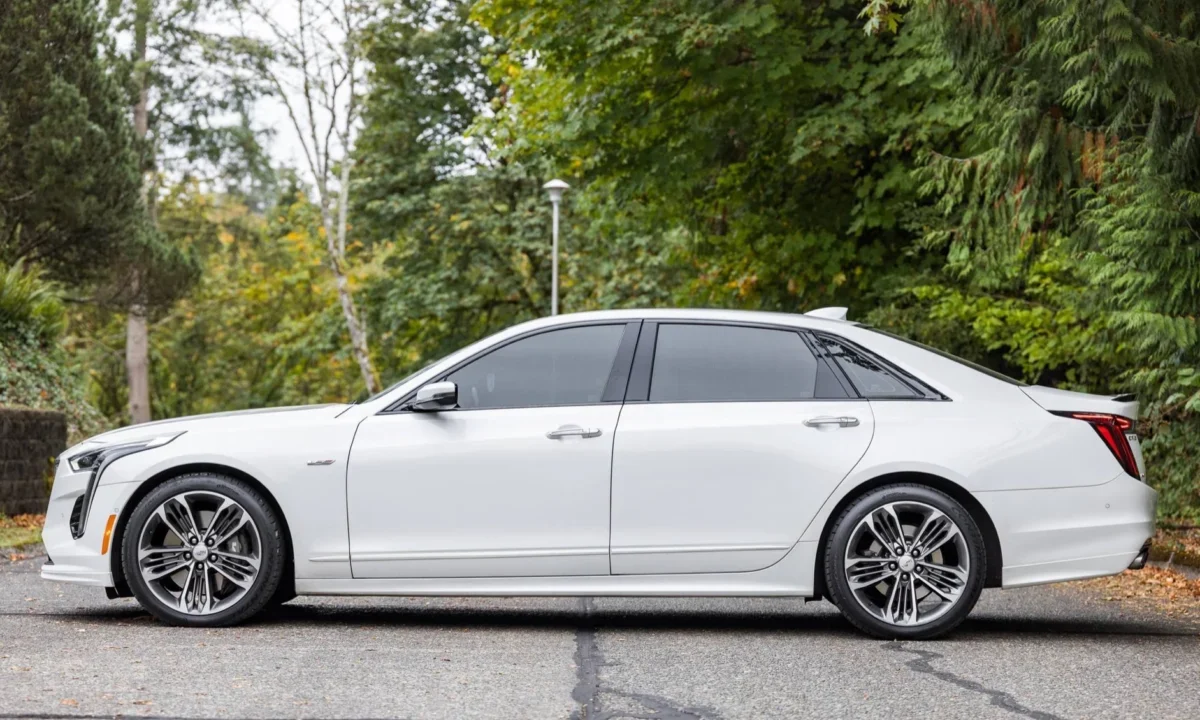
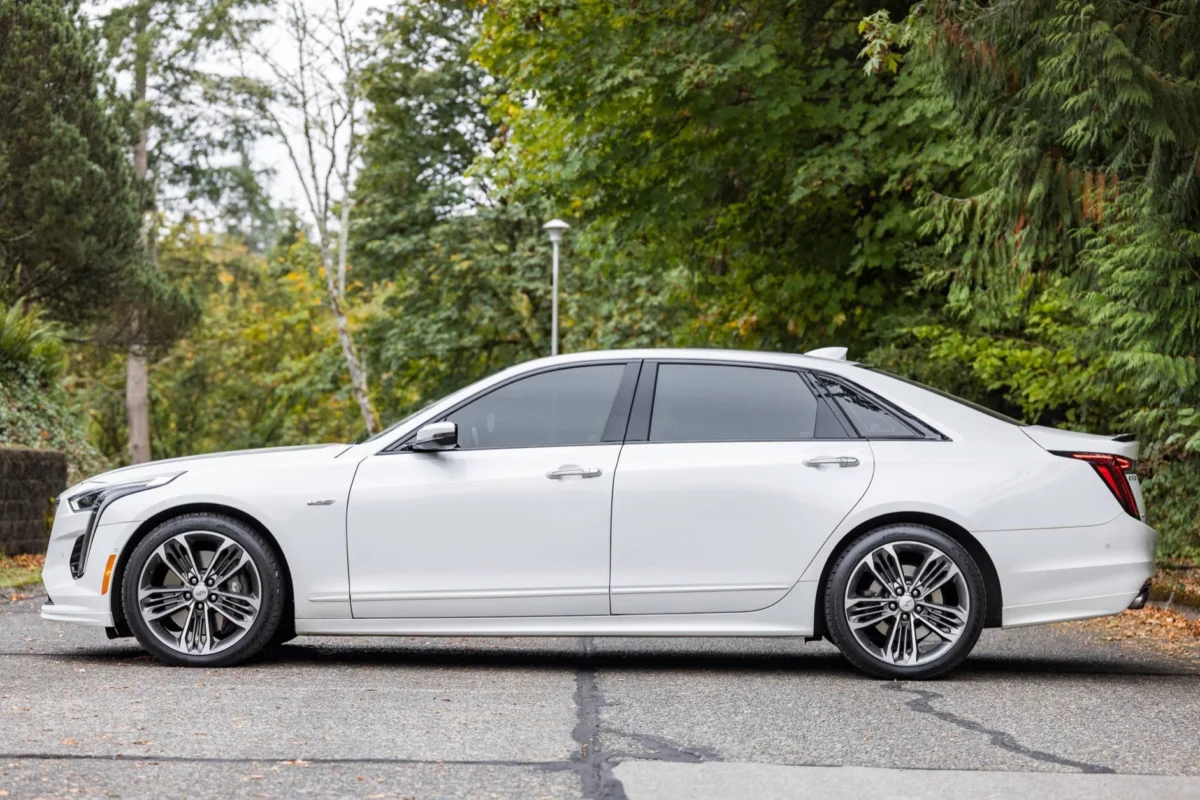
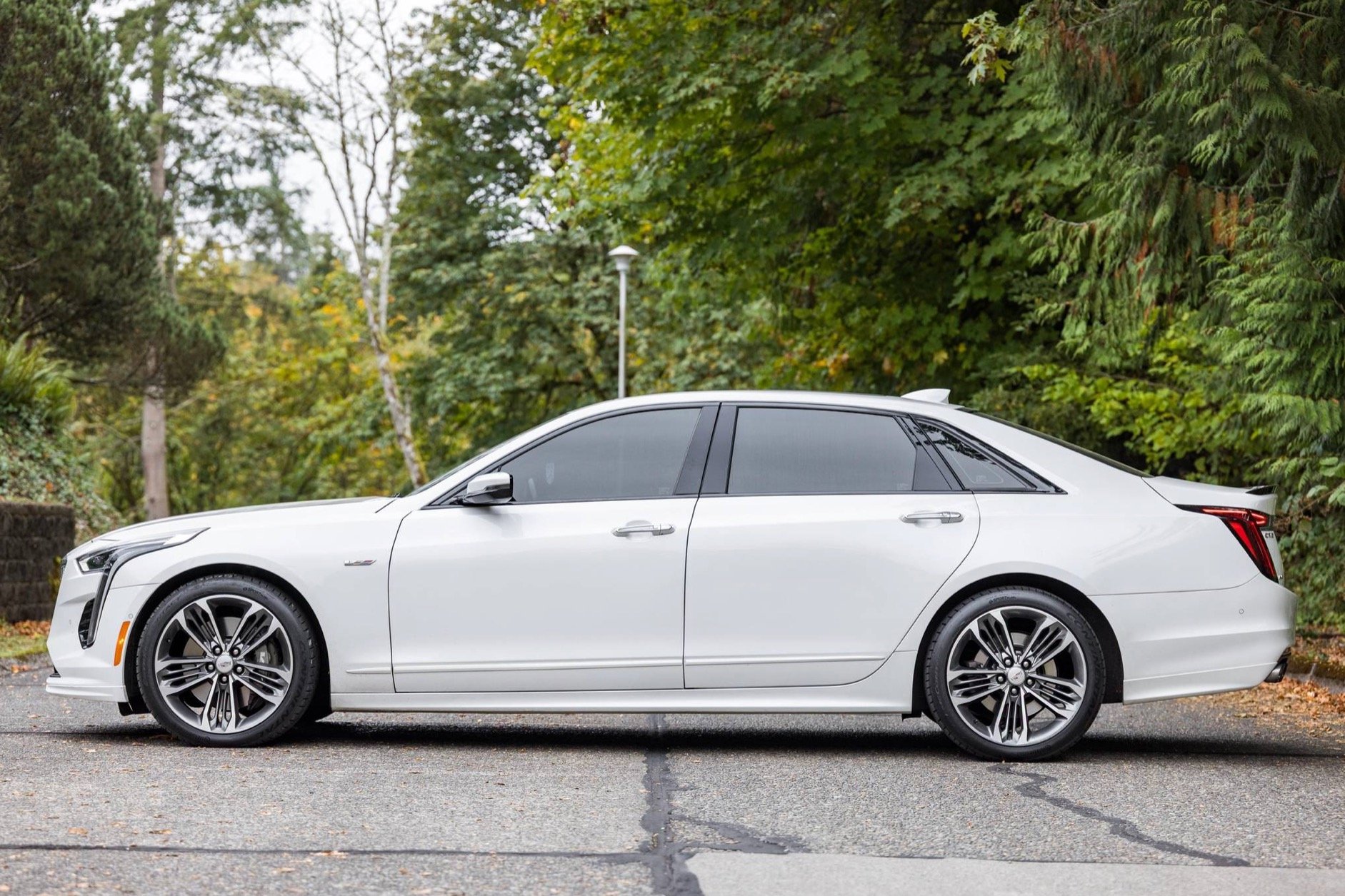
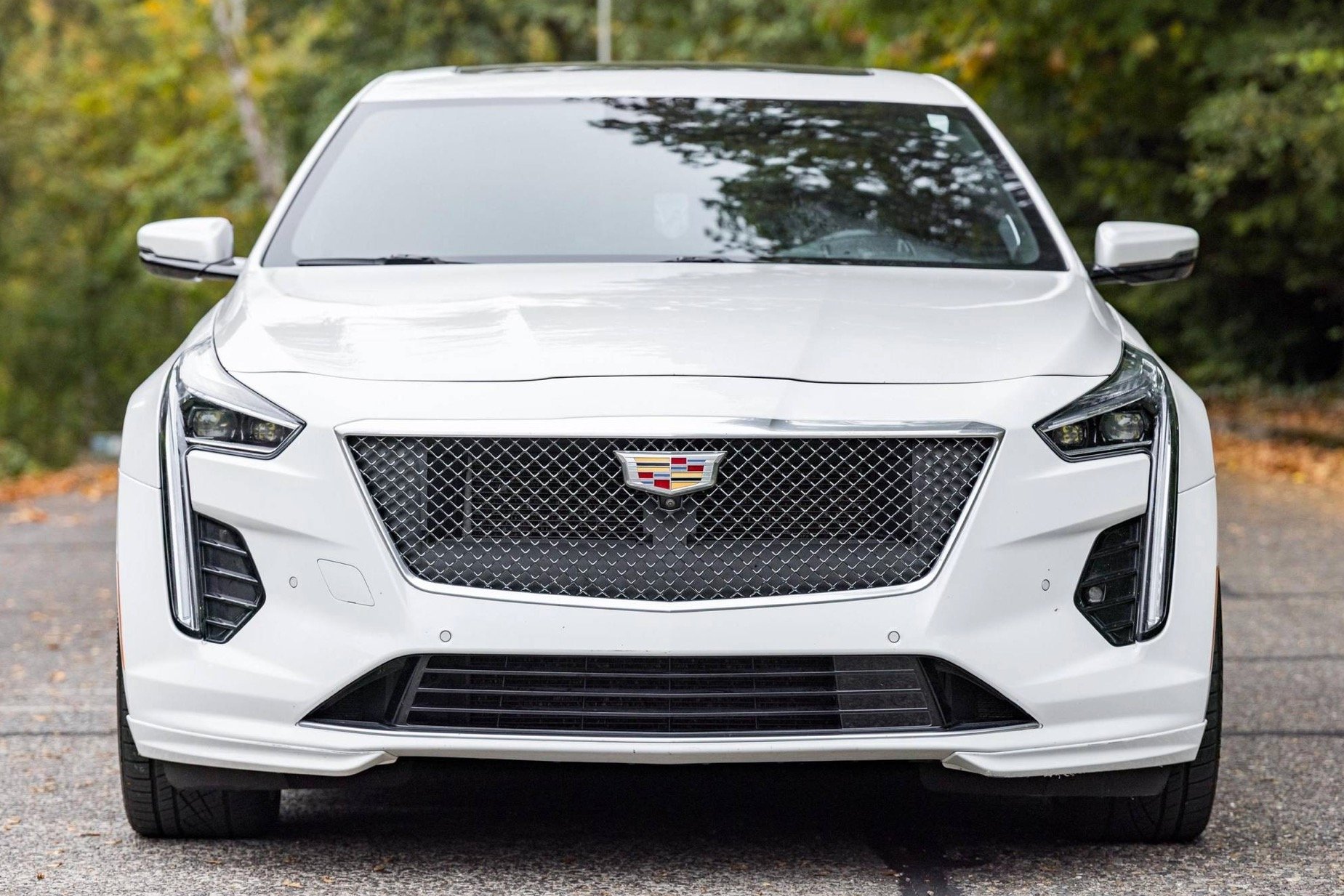
Perhaps no recent casualty illustrates this better than the 2019 Cadillac CT6-V. Once the standard-bearer for Cadillac’s attempt to reclaim its title as the "Standard of the World," the CT6-V was a technical tour de force that arrived just as the brand was pivoting away from the very segment it sought to conquer. Now, with a pristine—albeit driven—example currently making waves on Cars & Bids, it is worth revisiting why this vehicle remains one of the most intriguing "what-ifs" in modern luxury car history.
The Pursuit of Excellence: The CT6 Genesis
The Cadillac CT6 was introduced for the 2016 model year with a singular, audacious goal: to serve as the brand’s flagship, moving past the aging, lackluster XTS and finally presenting a credible threat to the German triad of BMW, Mercedes-Benz, and Audi.
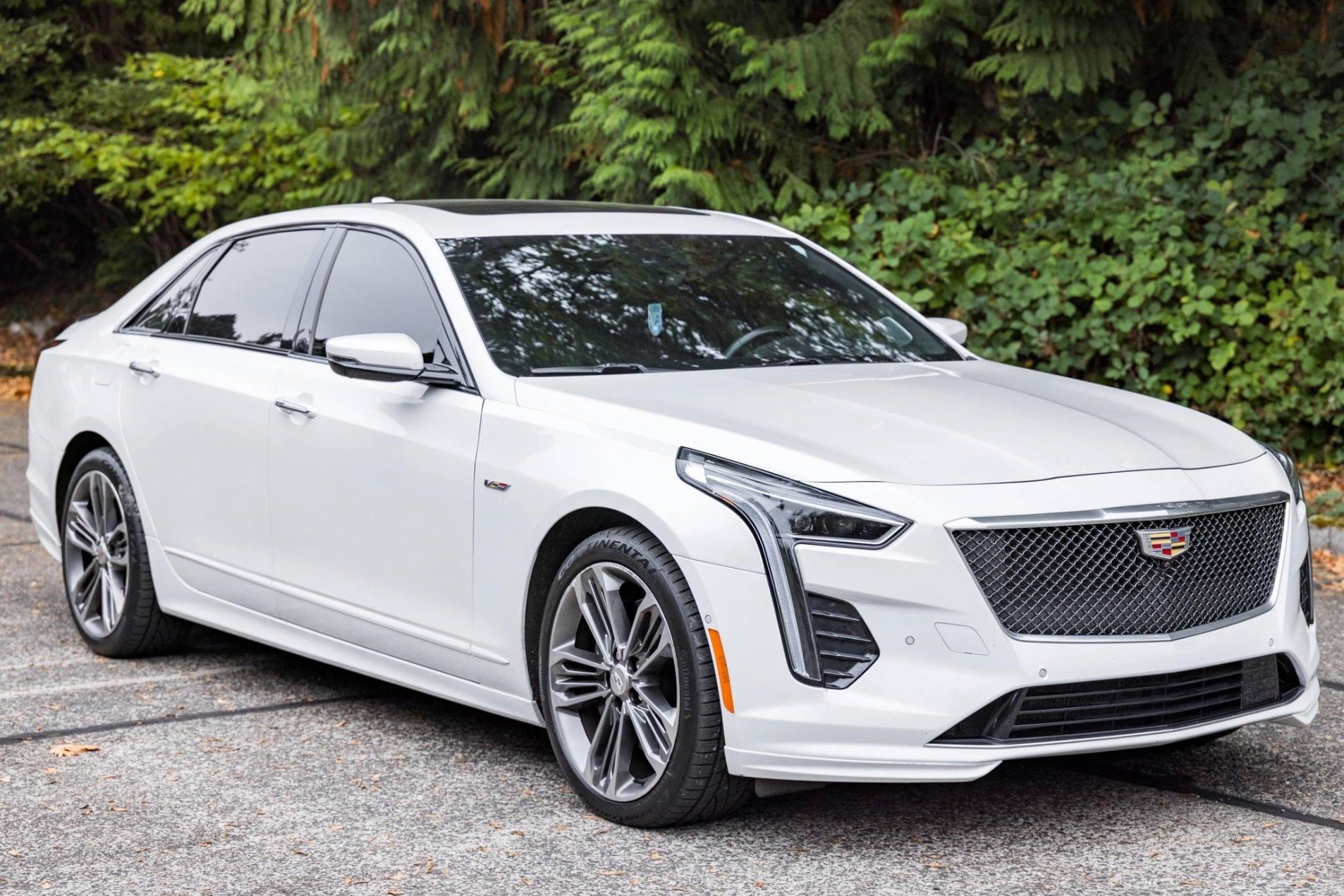
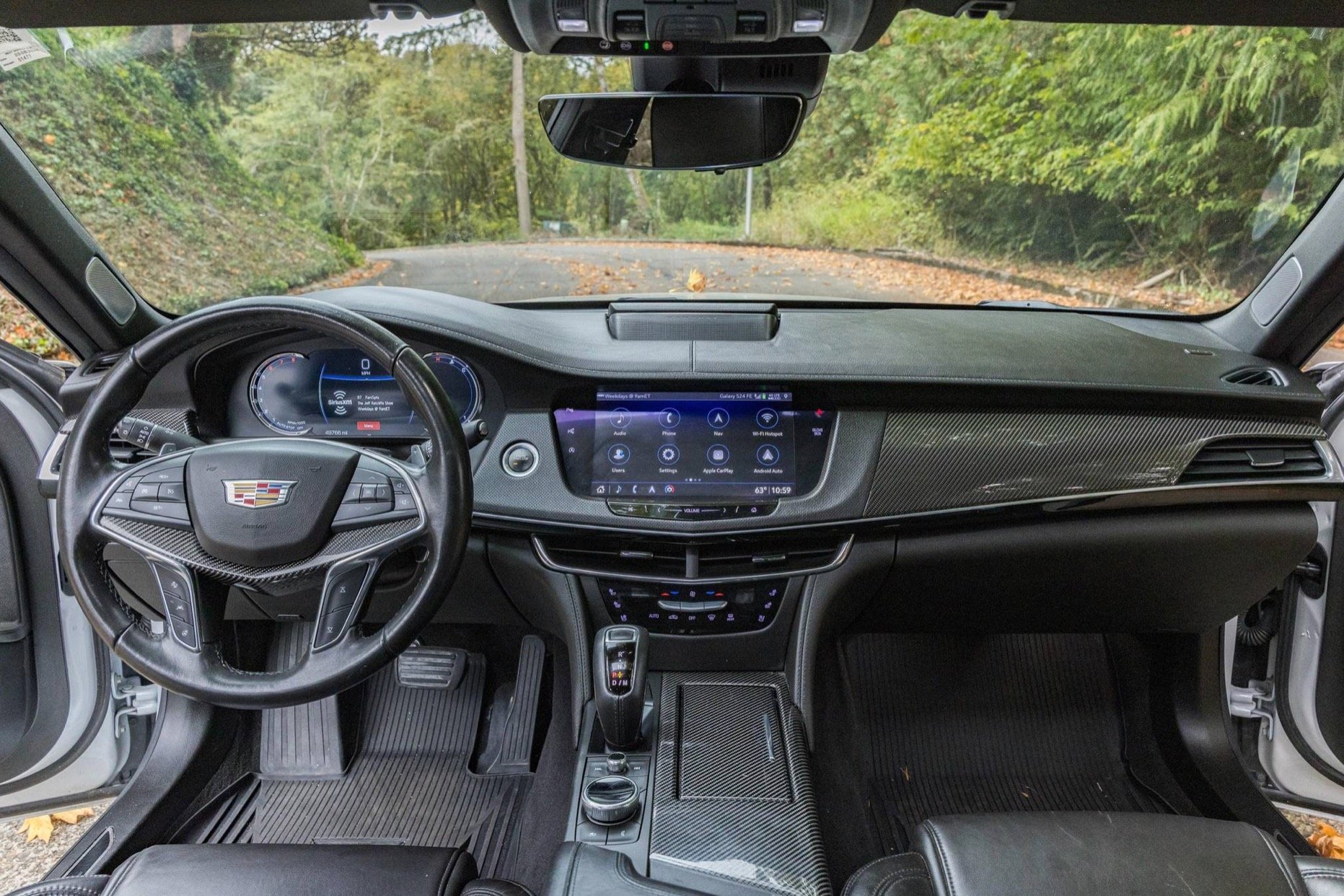
Unlike its predecessors, which were often criticized for sharing too much DNA with lesser GM products, the CT6 was built on the Omega platform—a sophisticated, rigid chassis that blended high-strength steel and aluminum. It was a platform engineered for agility, not just presence. Cadillac went to great lengths to ensure the car felt world-class. It introduced the 34-speaker Bose Panaray audio system, a theater-grade sound experience that required the car’s very architecture to be designed around the acoustic placement of its components.
Furthermore, the CT6 was the debut vehicle for Super Cruise, GM’s industry-leading hands-free driving technology. It was a car that represented the cutting edge of what a Detroit luxury brand could achieve. Yet, for all its technological prowess, the standard CT6 was often viewed as a "tweener"—it lacked the sheer prestige of the Mercedes-Benz S-Class, yet it was positioned above the mid-size luxury segment. To bridge this gap, Cadillac needed a soul. They needed the Blackwing.
A Chronology of the Blackwing Engine
The story of the "Blackwing" moniker is one of the most confusing branding pivots in recent memory. Today, the name denotes the highest-performance trims of the CT4-V and CT5-V. However, originally, "Blackwing" was the internal codename for a clean-sheet, 4.2-liter twin-turbocharged V8 engine—a technological marvel that represented the pinnacle of Cadillac’s independent engineering efforts.
2016–2018: The Development Phase
Under the leadership of then-Cadillac president Johan de Nysschen, the brand sought to differentiate itself from the rest of the GM stable. The decision was made to develop a bespoke, high-output V8 rather than relying on the ubiquitous and reliable Small Block V8 architecture. The goal was to create an engine with a "hot-V" configuration, placing the turbochargers within the V of the engine block to reduce lag and improve throttle response.
2019: The Pinnacle
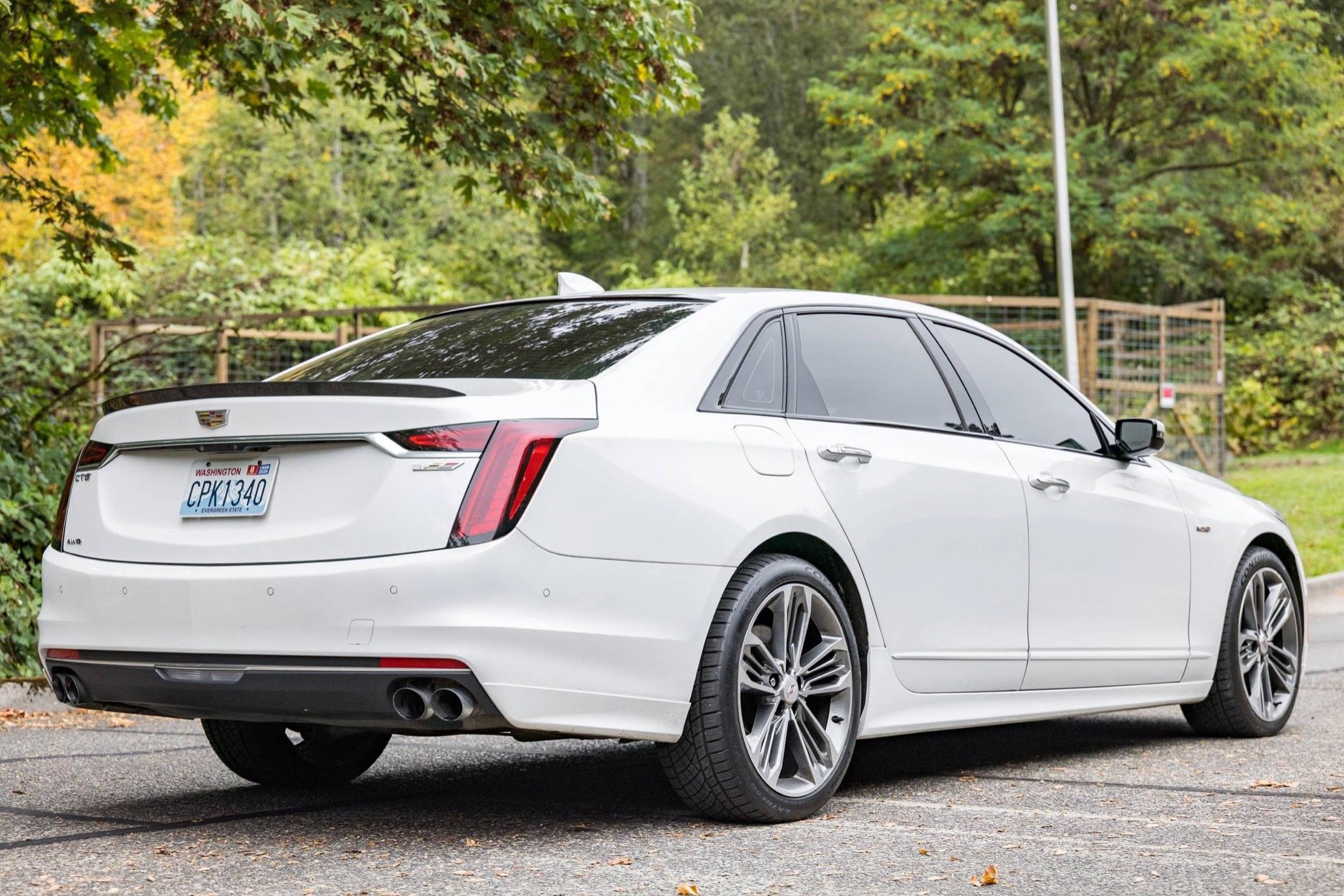
The engine finally debuted in the 2019 Cadillac CT6-V. It was a beast of an engine, producing 550 horsepower and 640 lb-ft of torque. When paired with a 10-speed automatic transmission and a performance-tuned all-wheel-drive system, it turned the large, elegant sedan into a genuine sports car that could hold its own on a track.
2020: The Twilight
By the time the engine reached full production, the writing was already on the wall. GM announced the cessation of CT6 production in North America, citing a shift in consumer preference toward SUVs and a corporate-wide move toward electrification. The Blackwing V8, despite its brilliance, was discontinued, becoming a rare artifact of a vision that was abandoned before it could fully take root.
Supporting Data: By the Numbers
The rarity of the CT6-V cannot be overstated. Because the vehicle was in production for such a limited window, the numbers are staggeringly low.
- Total CT6-V Production: Approximately 915 units were produced for the 2019 and 2020 model years.
- CT6 Platinum V8 Production: Roughly 285 units were built with a slightly detuned version of the Blackwing engine, bringing the total number of V8-powered CT6 models to just 1,200 vehicles.
- Performance Metrics: The CT6-V could sprint from 0 to 60 mph in roughly 3.8 seconds—an incredible feat for a full-size luxury sedan of that era.
- Market Context: The current auction on Cars & Bids lists an example with 49,800 miles. At the time of this writing, the bidding sits just under $25,000, illustrating how drastically the depreciation curve has hit this high-performance machine compared to its original MSRP.
The Corporate Calculus: Why Did It Fail?
Why would a company invest hundreds of millions of dollars into a world-class engine only to kill it after two years? The answer lies in the harsh realities of the automotive industry.
The SUV Pivot
In the late 2010s, the "sedan-pocalypse" was in full swing. Consumers were abandoning four-door luxury cars in favor of crossovers and SUVs. GM, needing to maximize profitability to fund its transition to electric vehicles (EVs), decided that the production capacity at the Detroit-Hamtramck plant was better suited for the incoming wave of electric trucks and SUVs. The CT6 was essentially collateral damage in the war for the future of the company.
The "Johan" Effect
Johan de Nysschen was a polarizing figure who pushed Cadillac to chase the German brands on their own terms. When he departed the company in 2018, the internal champion for the Blackwing V8 was gone. Without his influence, the cost-benefit analysis shifted. The Blackwing engine was expensive to build and maintain, and it offered no economies of scale, as it was not shared with Chevrolet or GMC. To the bean-counters at GM, the engine was a luxury they could no longer justify.
Implications for Enthusiasts and Collectors
The 2019 Cadillac CT6-V occupies a strange space in the collector market. It is too new to be considered a "classic" in the traditional sense, yet it is too rare to be ignored. It represents the last gasp of a specific kind of internal-combustion ambition—a time when Cadillac was willing to build something purely for the sake of excellence, regardless of the projected volume.
For the enthusiast, the CT6-V offers a compelling value proposition. You are looking at a car that features a bespoke, hand-assembled-feel engine, advanced all-wheel drive, and a level of luxury that rivals the best in the world, all for the price of a mid-range compact crossover.
However, potential buyers must be aware of the "orphaned" nature of the vehicle. Parts for the unique 4.2-liter Blackwing V8 may become increasingly difficult to source as the years pass and the dealer network focuses on the newer, electric lineup. Yet, for those willing to embrace the maintenance challenges, the CT6-V provides an ownership experience that is truly one-of-a-kind.
Conclusion: A Legacy of "What If"
The Cadillac CT6-V is a masterclass in irony. It is a car that was built to define the future of the brand, only to become a monument to its past. It is a reminder that in the automotive world, engineering prowess is often secondary to the bottom line.
As the industry marches toward a future of batteries and software-defined vehicles, cars like the CT6-V will likely gain more significance. They serve as the final chapters of the internal combustion era, where raw mechanical complexity and luxury refinement were allowed to coalesce into something truly special. Whether the current auction results in a bargain for a collector or a wake-up call for the market, the CT6-V remains, undeniably, one of the most interesting chapters in Cadillac’s long and storied history. It stands as a testament to the fact that sometimes, the most exciting projects are the ones that were never meant to last.
