


LOS ANGELES — Southern California is currently bracing for an atmospheric siege as a stubborn, high-pressure weather system—the same meteorological force that recently scorched Texas—drifts westward, settling over the Pacific Coast. As the system intensifies, it is effectively stripping moisture from the landscape, creating a tinderbox environment that has prompted the National Weather Service (NWS) to issue widespread heat alerts stretching from the central coast of Santa Barbara down to the U.S.-Mexico border.
For millions of residents, the coming days represent a hazardous endurance test. With triple-digit temperatures forecast across a vast geographical expanse, local, state, and federal officials are shifting into emergency preparedness mode, warning that the combination of extreme heat and already desiccated vegetation creates a critical window for wildfire ignition.
The Meteorological Snapshot: A Siege of Heat
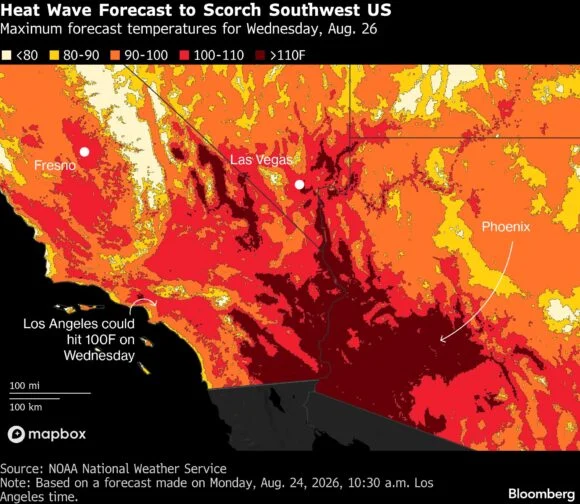
The current heat wave is not merely a brief spike in temperature; it is a sustained thermal event. According to the U.S. National Weather Service, downtown Los Angeles is expected to see temperatures hover near the 100°F (38°C) mark daily through at least Friday.
The situation is significantly more severe for inland communities. In the San Fernando Valley, daily maximums are projected to climb toward 110°F (43°C). The reach of this heat dome is expansive, covering more than 200 miles (322 kilometers) of the Southern California coastline and interior valleys.
The Science of the "Heat Dome"
Meteorologists attribute this phenomenon to a massive ridge of high pressure that has effectively trapped hot air over the region, preventing the cooling influence of the Pacific Ocean from penetrating inland. This "heat dome" acts as a lid, compressing air and warming it further as it sinks toward the surface. As the system lingers, the lack of cloud cover and the intense August sun exacerbate the drying effect on the soil and local brush, stripping away what little residual moisture remained after a relatively dry spring.
Chronology of the Event: From Texas to the Pacific
The progression of this weather pattern provides a clear window into how modern heat waves travel across the North American continent.
- Mid-August: The high-pressure system anchors itself over the Southern Plains, causing record-breaking temperatures across Texas and Oklahoma.
- August 19-20: The system begins a slow westward migration, weakening the marine layer that typically acts as a natural air conditioner for the Los Angeles basin.
- August 21: The NWS issues formal heat advisories and excessive heat warnings as the system locks into place over Southern California.
- August 22-26 (Forecast Period): The peak of the heat wave. Officials warn that the sustained nature of the heat will prevent overnight cooling, meaning the human body—and the electrical grid—will have little opportunity to recover from the daily thermal stress.
- Late Week Expectations: Meteorologists are monitoring for potential "sundowner" winds in Santa Barbara County, which threaten to push hot, dry air from the mountains down toward the coast, significantly complicating fire suppression efforts.
Supporting Data: Why This Heat Wave is Different
While Southern California is no stranger to summer heat, the current event is concerning to climatologists due to the "priming" of the landscape.
The Vegetation Crisis
Cody Snell, a meteorologist at the U.S. Weather Prediction Center, notes that the vegetation across Southern California is currently at a critical moisture deficit. "Any wind at all would be enough to spread fires," Snell warned. The fuel moisture levels—the amount of water contained in dead and live brush—are currently at levels usually reserved for the peak of autumn, not the height of summer.
Historical Context
Historically, California’s fire season was defined by a distinct beginning and end. However, as climate patterns shift, fire season has increasingly become a year-round reality. While the summer months bring heat-induced risk, the late fall and winter months historically introduce the Santa Ana winds—powerful, gusty, dry winds that originate in the Great Basin. The current heat wave, occurring in late August, acts as a bridge, drying out the landscape just before the seasonal onset of these winds, effectively extending the danger window.
Official Responses and Public Safety
Local governments have mobilized to provide relief for vulnerable populations. In Los Angeles, the city has activated a network of cooling centers, including libraries, senior centers, and parks, where residents without air conditioning can seek respite.
Health Warnings
The Los Angeles County Department of Public Health has issued a series of directives:
- Hydration: Residents are urged to drink water before they feel thirsty.
- Vulnerable Populations: Particular emphasis is placed on the elderly, the unhoused, and those with pre-existing respiratory or cardiovascular conditions.
- Outdoor Activity: All non-essential outdoor work and exercise should be curtailed during the peak heat hours of 11:00 a.m. to 7:00 p.m.
Infrastructure and Utilities
California’s energy grid operators are closely monitoring the surge in demand for air conditioning. While the state has invested heavily in battery storage and solar capacity, the sustained nature of this heat wave puts pressure on transmission lines. Utilities have requested that residents voluntarily reduce power usage during the peak evening hours to ensure grid stability.
Implications: The Long-Term Outlook
The implications of this heat wave extend far beyond the immediate discomfort of the week.
Fire Management
The primary concern for agencies like CAL FIRE is the "ignition potential." With the terrain already parched, a single spark from a vehicle, a downed power line, or a discarded cigarette could trigger a major conflagration. Fire departments across the region have increased staffing levels, and air tankers have been positioned at strategic bases to ensure a rapid response to any reported smoke.
Urban Planning and Heat Islands
The extreme heat highlights the "urban heat island" effect, where concrete, asphalt, and steel absorb and radiate heat, keeping cities like Los Angeles significantly warmer than their rural surroundings. Urban planners are now facing renewed pressure to increase the tree canopy and implement "cool roof" initiatives to mitigate the cumulative impact of such heat waves.
Environmental Stress
The flora and fauna of Southern California are also under extreme duress. Native plants, already struggling with multi-year drought trends, are seeing accelerated die-offs. This further alters the ecosystem, allowing invasive, fire-prone grasses to take root, which creates a dangerous cycle: invasive grasses burn faster and hotter than native brush, increasing the frequency of fires and further degrading the land.
Economic Impact
From agriculture to construction, the economic toll of such heat waves is substantial. For the agricultural sectors in the valleys, heat stress on crops can lead to reduced yields and increased water usage costs. For the construction industry, labor productivity drops, and projects face delays due to safety requirements that mandate frequent breaks and shortened shifts.
Conclusion: A New Normal?
As the mercury climbs toward 110°F in the San Fernando Valley and the winds begin to shift, the residents of Southern California are once again reminded of the precarious balance between human development and the volatile climate of the West.
The heat wave of late August 2026 serves as a stark case study in how atmospheric systems are becoming more persistent and more impactful. With fire risk at a critical threshold and the power grid facing a multi-day test, the region remains on high alert. For the people of Los Angeles, the goal is simple: survive the week, conserve resources, and remain vigilant against the threat of fire until the weather system finally breaks its grip on the coast.
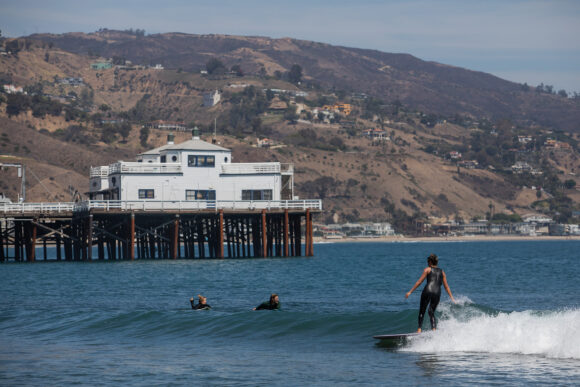
As the sun sets over the Malibu pier, the golden light masks a landscape that is thirsty, dry, and waiting for the change in the atmosphere that will finally bring relief. Until then, the emergency protocols remain in place, and the eyes of the region are fixed firmly on the weather maps.
