



Introduction: A Clash of Icons
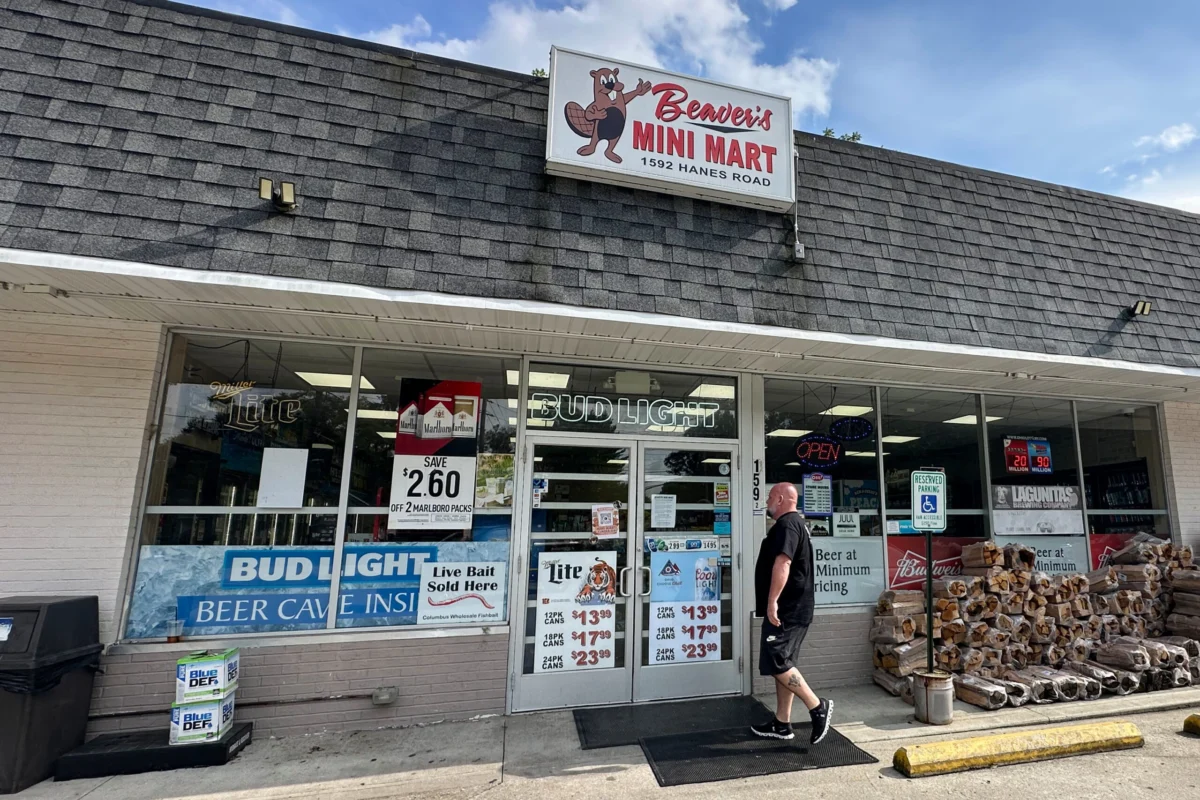
In the heart of the American Midwest, a corporate David and Goliath battle is unfolding, centering not on technology or oil, but on the image of a buck-toothed rodent. Buc-ee’s, the gargantuan Texas-based travel center chain renowned for its pristine restrooms and cult-like following, has found itself embroiled in a public relations firestorm. Its target: Beaver’s Mini Mart, a modest, independent convenience store located in Beavercreek, Ohio.
What began as a routine trademark enforcement action has rapidly spiraled into a regional crusade. As Buc-ee’s aggressive legal team seeks to protect the intellectual property of its iconic "Bucky" beaver mascot, residents of Ohio have rallied around the small-town shop, sparking a grassroots boycott, viral social media campaigns, and even intervention from the state’s highest political office.
Chronology of a Conflict
The seeds of this legal dispute were sown long before the first subpoena was served. Buc-ee’s, which has built its brand on a meticulously guarded image, has a storied history of litigating against any entity that dares to employ a woodland creature in its branding—be it a lip-licking alligator, a smiling moose, or a hat-wearing bear.
- 2017: Beaver’s Mini Mart is incorporated in Ohio as a local business.
- Late 2023: Buc-ee’s breaks ground on a massive, 74,000-square-foot facility near Dayton, Ohio.
- January 2025: Seeking a rebrand, the owners of the local shop change their name from "Hanes Road Carryout" to "Beaver’s Mini Mart."
- February 2025: Buc-ee’s sues a separate Ohio holding company, Mickey Mart, alleging its "Mickey the Moose" logo creates consumer confusion.
- July 2025: Buc-ee’s files a formal trademark infringement lawsuit against Beaver’s Mini Mart in federal court, citing the visual similarities between the two beaver mascots.
- August 2026: The backlash reaches a fever pitch as the Beavercreek City Council passes a resolution enshrining the beaver as a historical symbol of the city.
The Legal Tug-of-War: Protecting the "Bucky" Brand
At the core of the lawsuit is the concept of "likelihood of confusion"—the standard used in trademark law to determine if a consumer might mistakenly believe a product is endorsed or owned by a specific company.
Buc-ee’s argues that its logo—a beaver face with prominent teeth wearing a red baseball cap against a yellow background—is a distinct, high-value asset. They contend that the Beaver’s Mini Mart mascot, a full-bodied, waving beaver against a white background, leverages the "Buc-ee’s" brand equity.
Legal experts suggest that Buc-ee’s is following a "protect or lose" strategy. In trademark law, if a company fails to consistently challenge potential infringements, they risk the "dilution" or "abandonment" of their mark. However, critics argue that the company is overstepping, effectively attempting to monopolize a common animal mascot in a city named "Beavercreek."
The Public Backlash: When David Fights Back
The reaction from the Ohio community has been swift and unforgiving. The hashtag #boycottbucees began trending on X (formerly Twitter) within days of the lawsuit’s announcement. For many residents, the legal action felt like a classic case of corporate overreach.
The John Oliver Effect
The story gained national prominence when British comedian John Oliver dedicated a segment of Last Week Tonight to the controversy. Oliver highlighted the absurdity of a multi-million-dollar corporation bullying a small, family-owned gas station. As part of his biting satire, he launched a mock website selling "Buc-off" merchandise featuring a squirrel named Mr. Nutterbutter, further fueling the public’s resentment toward the Texas giant.
Grassroots Solidarity
The local response has been physical as well as digital. A GoFundMe campaign established to cover the legal defense costs for Beaver’s Mini Mart has surpassed $69,000, ensuring that the small business has the resources to fight the legal battle in federal court.
Local bakeries and retailers have joined the fray as well. The Original Goodie Shop in Upper Arlington and Cake, Hope & Love in Beavercreek have both produced custom cookies featuring the local beaver mascot, with proceeds funneled directly into the shop’s legal defense fund. Even the local Lego store and various root beer vendors have modified their window displays to feature beavers, turning the town into a sea of solidarity.
Official Responses and Political Fallout
The legal battle has reached the governor’s mansion. Ohio Governor Mike DeWine, who was present for the grand opening of the Buc-ee’s Dayton-area location, did not mince words when asked about the lawsuit. "It is Beavercreek, for heaven’s sake," he remarked, labeling the litigation "absurd."
The Beavercreek City Council took the conflict a step further. In a unanimous August vote, they passed a resolution making the beaver a permanent and official symbol of the city’s history. The presence of Bucky the Beaver—the mascot of the Beavercreek Local Schools—at the council meeting served as a symbolic rebuke to the Texas corporate giant.
Vic Boparai, the owner of Beaver’s Mini Mart, has remained relatively quiet regarding the specifics of the lawsuit, choosing instead to focus on community gratitude. "We want to say thank you to the community and the entire country for supporting us and our business," Boparai stated. "We are overwhelmed by your support for our business and other small businesses everywhere."
The Economic and Cultural Implications
This dispute serves as a fascinating case study in the modern intersection of corporate branding and local identity.
Economic Disparity
The economic contrast between the two parties is stark. Buc-ee’s represents the pinnacle of modern retail efficiency: 100 gas pumps, 24 electric vehicle chargers, and 700 parking spaces. It is a destination retailer. Beaver’s Mini Mart, by contrast, is a traditional suburban shop with a shingle roof and a modest footprint. This disparity has fueled the "David vs. Goliath" narrative, which is notoriously difficult for large corporations to overcome in the court of public opinion.
The "Genericness" Defense
One potential hurdle for Buc-ee’s is the location. In a town literally named "Beavercreek," using a beaver as a logo is not just a branding choice; it is a geographic identifier. Defense attorneys may argue that because the beaver is so closely tied to the city’s identity, it should be treated as a descriptive mark rather than an arbitrary or fanciful one. If a judge determines that "beaver" imagery is generic in the context of Beavercreek, Ohio, Buc-ee’s case could crumble.
Conclusion: A Precedent for the Future
As the case moves toward a potential jury trial, the outcome remains uncertain. While Buc-ee’s holds the legal upper hand in terms of traditional trademark precedent, they are losing the war of perception.
The "Beavercreek Backlash" highlights a growing frustration among consumers regarding the reach of corporate litigation. When a massive retail chain attempts to police the use of common symbols in small towns across the country, it risks more than just a legal fee; it risks the goodwill of the communities it seeks to serve.
Whether this ends in a settlement, a corporate withdrawal of the suit, or a landmark federal court decision, one thing is certain: the residents of Beavercreek have proven that they are not easily intimidated by the long shadow cast by a Texas beaver. For now, the small, waving mascot of Beaver’s Mini Mart remains standing—a tiny, toothy symbol of local pride in the face of a corporate storm.
