



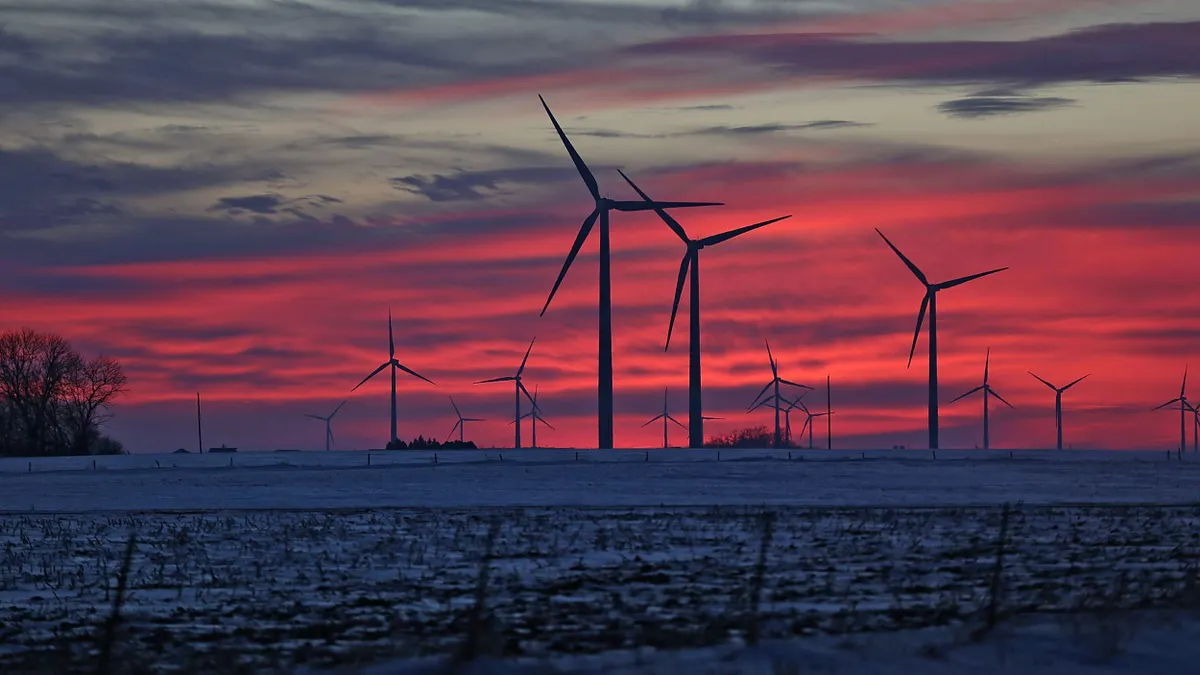

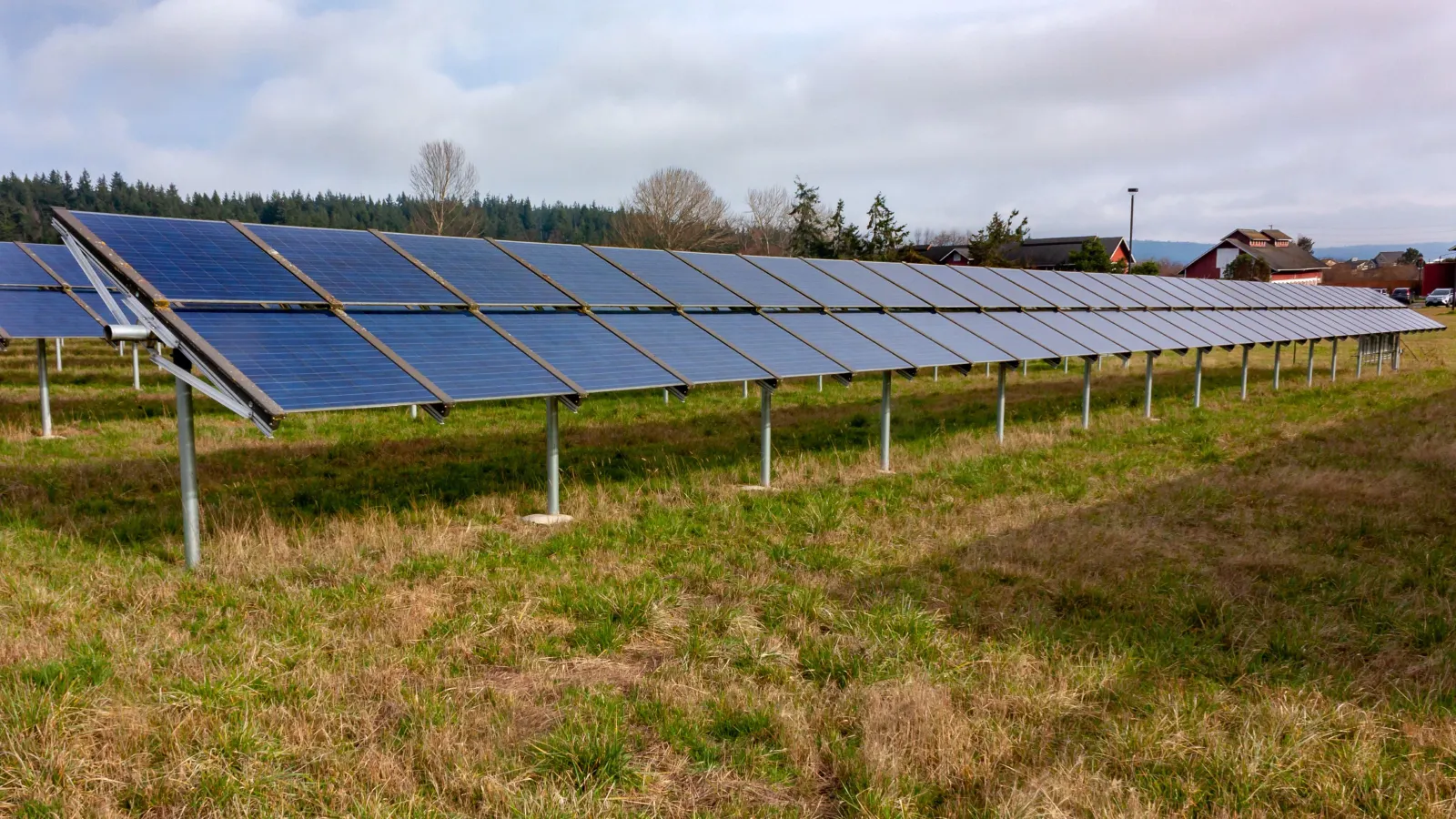
As the United States grapples with a surge in electricity demand—driven by the rapid expansion of artificial intelligence, data centers, and the electrification of the transportation sector—the debate over the future of the nation’s power grid has reached a fever pitch. While Wall Street and major utility developers have historically favored massive, centralized infrastructure, a growing chorus of policy experts is sounding the alarm: ignoring the "small stuff" is a strategic mistake that threatens both energy security and economic equity.
Edward Yim, the director of clean energy at Lawyers for Good Government and a former key figure in the implementation of the Inflation Reduction Act’s (IRA) Home Energy Rebates, argues that the current fixation on "utility-scale" projects ignores the transformative potential of community-driven energy. By centering on decentralized, small-scale solar and storage, the U.S. can bridge the gap between burgeoning energy needs and the necessity for local, climate-resilient infrastructure.
The Case for Decentralization: Beyond the Megawatt
The prevailing wisdom in energy circles suggests that only massive gas turbines or multi-acre solar farms can move the needle on climate goals. These utility-scale facilities are undeniably efficient at producing hundreds of megawatts of power, yet they often come with significant environmental trade-offs, including land-use conflicts and public health concerns tied to fossil fuel reliance.
However, statistics paint a different picture of the energy landscape. Small-scale solar projects currently account for at least 20% of all solar capacity installed in the United States. Far from being "ineffectual," these projects serve as the front line of energy resilience. Unlike massive installations that require long-distance transmission infrastructure—which is often prone to failure during extreme weather—community-scale projects offer immediate, tangible benefits:
- Direct Cost Savings: By generating power at the point of consumption, these projects bypass traditional utility markups, lowering electricity bills for schools, clinics, and residential complexes.
- Energy Resilience: When paired with battery storage, community-scale solar provides essential backup power, shielding communities from the cascading blackouts that have become more frequent due to climate-driven grid instability.
- Health and Environmental Justice: By reducing dependence on coal and gas-fired peaker plants, small-scale projects mitigate the localized air pollution that disproportionately harms vulnerable populations.
- Expedited Deployment: Small-scale developers are largely insulated from the protracted permitting delays and legal challenges that frequently stall massive, utility-scale infrastructure projects.
Chronology of a Policy Tug-of-War
The trajectory of U.S. clean energy policy has seen a volatile shift over the past two years, marked by ambitious federal investment followed by aggressive legislative attempts at rollbacks.
The Era of Expansion (2022–2023)
The passage of the Inflation Reduction Act (IRA) represented the most significant investment in climate action in American history. A cornerstone of this legislation was the introduction of "elective pay," a mechanism that allowed tax-exempt entities—such as churches, non-profits, and local municipal governments—to receive the financial equivalent of tax credits. For the first time, organizations that traditionally lacked tax liability could afford to invest in solar arrays and battery storage, effectively leveling the playing field.
The Pivot to Retrenchment (2024–Present)
Following shifts in federal leadership and legislative priorities, the administration and congressional allies began targeting these incentives. In a move characterized by critics as a dismantling of clean energy momentum, the "One Big Beautiful Bill" (a legislative vehicle utilized by Republican leadership) sought to terminate long-standing residential solar tax credits and impose new, restrictive barriers on existing storage credits.
The Legal Counter-Offensive
The most high-profile casualty of this shift was the Environmental Protection Agency’s "Solar for All" program, which aimed to slash electricity bills by over 20% for approximately one million American households. The EPA moved to terminate the program, sparking a firestorm of legal and public opposition. In a pivotal ruling earlier this month, a federal judge vacated the EPA’s decision, determining that the termination was illegal, thereby providing a temporary stay of execution for a program that could prove vital to low-income energy access.
Supporting Data: Why "Profit-Only" Models Fall Short
The argument for scaling back incentives often rests on the premise that the cost of solar technology has plummeted—dropping over 80% in the last two decades. While this is objectively true for large, profit-driven utility projects, it creates a dangerous fallacy when applied to community infrastructure.
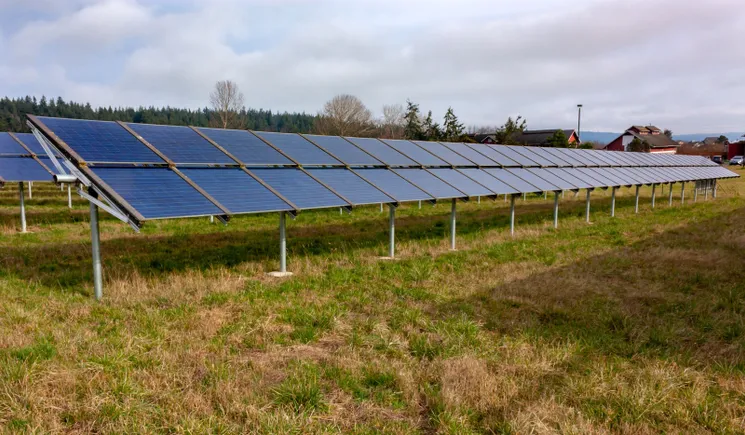
For a utility-scale solar farm, the primary driver is return on investment (ROI). Because these projects are designed to maximize output for profit, they often reach a "mature" stage where they no longer require federal subsidies to be viable. However, the calculus for a community clinic, a rural school, or a house of worship is fundamentally different. For these entities, the primary goal is not profit, but the provision of services.
Case Study: San Fernando, California
The efficacy of the IRA’s approach is best demonstrated in local, real-world applications. In San Fernando, a local clinic utilized federal tax credits to install a comprehensive solar-plus-storage system. Today, that system provides 60% of the facility’s total energy needs. By insulating the clinic from fossil fuel price volatility, the project ensures that funds once earmarked for utility bills can be redirected back into patient care. This model is currently being replicated at hundreds of clinics nationwide, proving that small-scale investment yields outsized social dividends.
Official Perspectives and the Path Forward
The debate remains polarized, with proponents of traditional energy markets arguing that government subsidies distort the market and that "utility-scale" is the only way to power a modern economy. Conversely, advocates like Yim contend that the government’s role is to act as an equalizer.
"While mature utility-scale technologies may require less government support, that is not an argument for abandoning the incentives that make clean and resilient energy affordable for everyone else," Yim noted in recent policy discussions.
Lawyers for Good Government and other industry advocates are calling for a "bifurcated" approach to federal energy policy:
- Phase Out Unnecessary Support: Acknowledge that the largest, most profitable utility-scale solar projects have reached maturity and can survive on market forces alone.
- Double Down on Community Equity: Preserve and strengthen the elective pay mechanism to ensure that public-interest entities remain competitive in the energy market.
- Modernize the Grid: Integrate distributed energy resources (DERs) into the national grid to prevent the "railroading" of local communities by large-scale projects that often meet local opposition.
Implications for the Future of American Energy
The future of the U.S. power grid depends on the ability to harmonize large-scale production with local resilience. If Congress continues to erode the tax credits that support small-scale solar and storage, the nation risks creating a grid that is theoretically powerful but practically fragile.
As electricity demand continues to climb, the risk of grid failure becomes a matter of national security. Relying solely on a centralized, top-down strategy leaves the grid vulnerable to single points of failure. By incentivizing a mosaic of decentralized energy projects, the U.S. can create a redundant, flexible, and sustainable energy architecture.
The legislative session ahead will be a litmus test for Congress. Lawmakers must decide whether to view clean energy policy as a binary choice between utility-scale giants and community-scale projects, or whether they can craft a balanced framework that supports both. The path to a resilient future requires more than just high-capacity power lines; it requires the localized, democratic, and affordable energy solutions that are currently being undermined by short-sighted policy shifts. To abandon these incentives now would be to abandon the very communities that need the energy transition the most.
