



By Editorial Staff
Startmate, the cornerstone of the Australian and New Zealand startup ecosystem, has officially pulled back the curtain on its Winter ’26 accelerator cohort. In a move that underscores the organization’s commitment to fostering high-growth potential, 17 startups have been selected to join the prestigious 12-week program. From the complex frontiers of AI-agent guardrails to the high-stakes engineering of reusable space rockets, the diversity of this cohort signals a robust pivot toward deep-tech and B2B infrastructure.
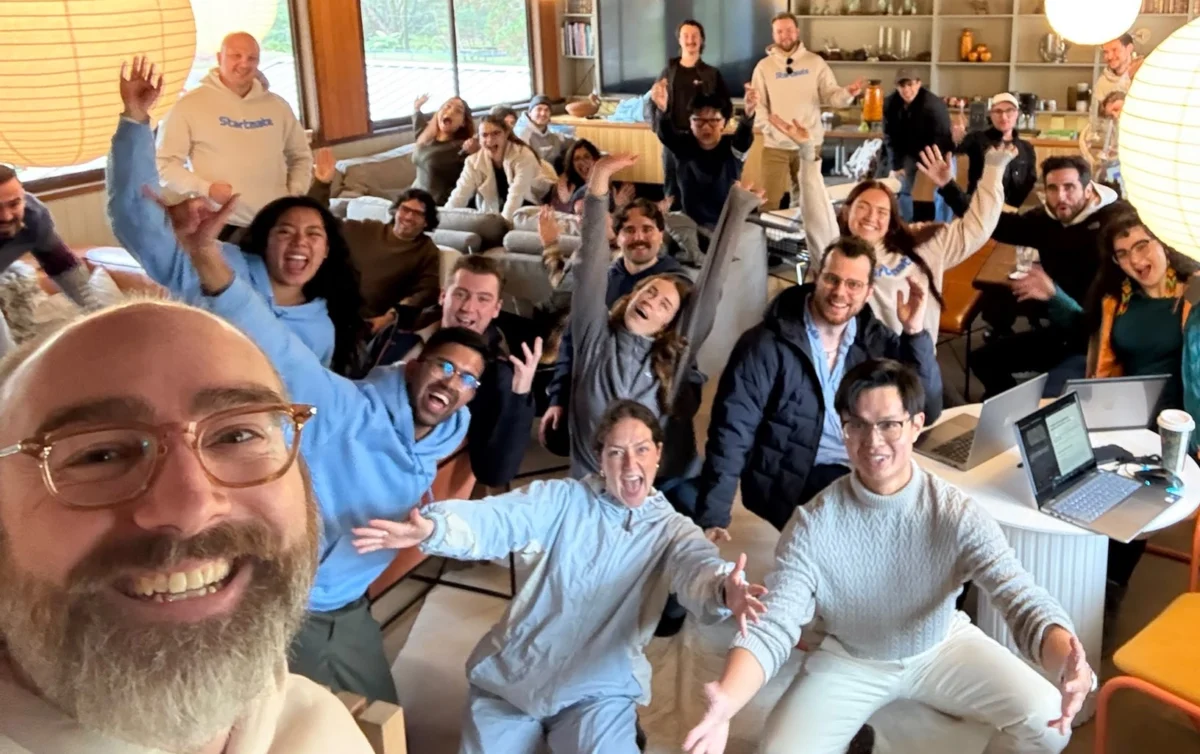
The announcement follows the conclusion of "Week Zero," an immersive, off-grid retreat held at a remote location on the Victorian-New South Wales border. This year, Startmate elevated its traditional orientation, moving beyond simple workshops to a fully integrated, residential experience designed to forge deep founder relationships before the formal pressure of the accelerator begins.
The Evolution of "Week Zero"
Traditionally, Startmate’s orientation phase consisted of brief, daily sessions designed to align founders with the organization’s vision. For the Winter ’26 cycle, however, the team opted for a radical departure. The founders were whisked away to a mountain retreat—a setting dubbed "Camp Startmate"—where they lived, worked, and collaborated in a vacuum free from the distractions of the corporate world.
This intense environment was intentionally curated to facilitate radical honesty. According to program organizers, the primary objective of Week Zero is to force founders to confront the scale of their ambition. In this high-altitude setting, the focus was not merely on business metrics, but on founder psychology and the resilience required to survive the 12-week sprint toward Demo Day.
The retreat featured high-profile mentors, most notably Dom Pym, co-founder of the digital banking giant Up. Pym’s presence served as a masterclass in scaling infrastructure and navigating the regulatory complexities that often plague early-stage fintechs. His insights into the "build-measure-learn" cycle provided the cohort with a blueprint for navigating the volatile market conditions currently characterizing the tech landscape.
A Snapshot of the Cohort: Innovation Across Sectors
The 17 startups selected for the Winter ’26 cohort reflect a broader trend in the venture capital market: a shift away from consumer-facing apps toward deep-tech, regulatory compliance, and industrial automation.
While the full list of startups is currently under strict embargo ahead of public rollout, industry insiders have noted several key themes emerging from this group:
1. AI Infrastructure and Governance
A significant portion of the cohort is focused on "AI-agent guardrails." As enterprises rush to integrate generative AI into their workflows, the risk of hallucination and security breaches has skyrocketed. Startups in this bracket are developing the "plumbing" that keeps AI secure and compliant, essentially positioning themselves as the essential gatekeepers for the enterprise AI revolution.
2. The New Space Race
Perhaps most ambitious is the inclusion of ventures focused on aerospace engineering, specifically reusable rocket technology. This marks a maturing of the local deep-tech scene, moving beyond software-as-a-service (SaaS) and into the physical world of satellite deployment and orbital logistics.
3. Fintech and Digital Finance
Given the pedigree of mentors like Dom Pym, it is unsurprising that the cohort features several fintech disruptors. These ventures are moving beyond standard payment processing, focusing instead on embedded finance, cross-border settlement, and the integration of decentralized finance (DeFi) protocols into traditional banking frameworks.
Chronology: From Application to Acceleration
The road to the Winter ’26 cohort began months ago with an exhaustive selection process. Startmate, which receives thousands of applications annually, employs a rigorous vetting process that prioritizes founder-market fit over initial revenue numbers.
- Phase 1 (Application): Following the call for entries, startups underwent a multi-stage review process involving Startmate’s investment committee and a network of seasoned operators.
- Phase 2 (The Shortlist): By mid-June, the pool was narrowed down to the top 50 contenders, who underwent technical due diligence.
- Phase 3 (Week Zero): The final 17 were invited to the Victorian-NSW border for the intensive retreat. This served as the "final filter," where personality clashes, team dynamics, and vision alignment were stress-tested.
- Phase 4 (The 12-Week Accelerator): Beginning this week, the teams enter the formal program. This period will be characterized by intense mentorship, investor introductions, and product iteration, culminating in Demo Day.
Supporting Data: Why This Cohort Matters
The economic environment for startups in 2026 remains challenging. Higher interest rates and a more cautious venture capital environment mean that startups must demonstrate clear paths to profitability and structural defensibility.
Data from the previous four years of Startmate cohorts suggests that alumni have a significantly higher survival rate than the industry average. To date, Startmate-backed companies have raised over $1 billion in follow-on funding, with an aggregate valuation that now exceeds $2.5 billion. The Winter ’26 cohort is expected to leverage this established network to bypass the "valley of death" that typically claims early-stage ventures.
Official Responses and Strategic Vision
Speaking on the sidelines of the retreat, the Startmate leadership team emphasized that the goal is not just to build companies, but to build a generation of "multiplier" founders—entrepreneurs who, once successful, return to mentor the next generation.
"We aren’t looking for companies that want to play it safe," said a spokesperson for the accelerator. "The inclusion of aerospace and high-level AI governance in this cohort proves that we are looking for the ‘100x’ opportunities. The mountain retreat was about stripping away the ego and ensuring that these founders have the mental fortitude to handle the pressures of scaling in a global market."
Dom Pym, reflecting on his time at Camp Startmate, noted the shift in founder temperament compared to previous years. "There is a palpable shift in the ‘why’ behind these businesses. They aren’t just looking for an exit; they are looking to solve systemic problems in global infrastructure. It’s an incredibly exciting group to be around."
Implications for the Ecosystem
The composition of this cohort has significant implications for the Australian and New Zealand tech scenes:
- Attracting Global Capital: By fostering deep-tech companies, Startmate is positioning the region as a viable hub for complex engineering rather than just a consumer market. This is critical for attracting international Tier-1 venture capital firms that typically overlook the region.
- The "Brain Gain": By providing a world-class environment for development, Startmate is actively preventing the "brain drain" of local talent to Silicon Valley. By keeping these high-potential founders engaged within the local ecosystem, the long-term economic benefits to the domestic economy are profound.
- Regulatory Leadership: With startups focused on AI guardrails and compliance, Australia is quietly positioning itself as a leader in "responsible AI." This could lead to a competitive advantage as global regulations tighten around the use of Large Language Models (LLMs).
The Road to Demo Day
As the 17 startups begin their formal 12-week program, the eyes of the venture capital community will be fixed on their progress. The accelerator program is structured to provide them with access to over 100 mentors, ranging from software engineers at global tech giants to legal experts specializing in IP law.
The pressure to perform is significant. Demo Day, scheduled for late 2026, will serve as the primary stage for these founders to secure the Series A and Seed-plus funding necessary to scale their operations. For many, this will be the most defining moment of their professional lives.
The Winter ’26 Startmate cohort represents a high-water mark for the organization. By combining the intensity of a remote retreat with the rigor of a proven accelerator model, Startmate has once again asserted its role as the primary engine room for antipodean innovation. Whether these 17 startups can successfully translate their ambitious visions into market-defining realities remains to be seen, but the initial indicators suggest that the "Winter of ’26" may well be remembered as the season where the next generation of tech giants was forged.
As these founders return to their offices—or in some cases, their garages and labs—the clock is officially ticking. The focus now shifts from conceptualizing to executing, and in the high-stakes world of startup acceleration, there is no room for error. The world will be watching in late 2026 to see if the lessons learned at a remote mountain border can indeed change the global landscape.
