





By Nathan Owens | Published August 31, 2026
The factory floor of the 21st century is undergoing a metamorphosis that rivals the Industrial Revolution. Where once stood rows of caged, single-task machines performing repetitive motions in isolation, the modern manufacturing plant is increasingly populated by intelligent, mobile, and collaborative robots. However, as the industry hurtles toward a future defined by autonomy, a stark reality has emerged: while ambition for robotics is widespread, a comprehensive strategy to manage them remains elusive for many.
A new report, commissioned by Intel and surveying 800 industry leaders—including a significant cohort from the manufacturing sector—reveals that while 70% of manufacturing executives anticipate managing a sophisticated fleet of robots by 2030, only 40% currently possess a formal strategy to govern this human-robot workforce. This 26% “preparedness gap” highlights a critical friction point: the technology is arriving faster than the organizational frameworks required to sustain it.
The Evolution: From Repetition to Interaction
For decades, the definition of an industrial robot was static. They were rigid, safety-fenced machines programmed to perform a single, unvarying task. If a piece of debris landed in their path, they would continue their motion, potentially causing damage or safety hazards.
“For decades, the role of robots was relatively simple,” says John Healy, Intel’s VP and general manager of industrial and robotics. “They were fixed machines with fixed tasks and fixed environments.”
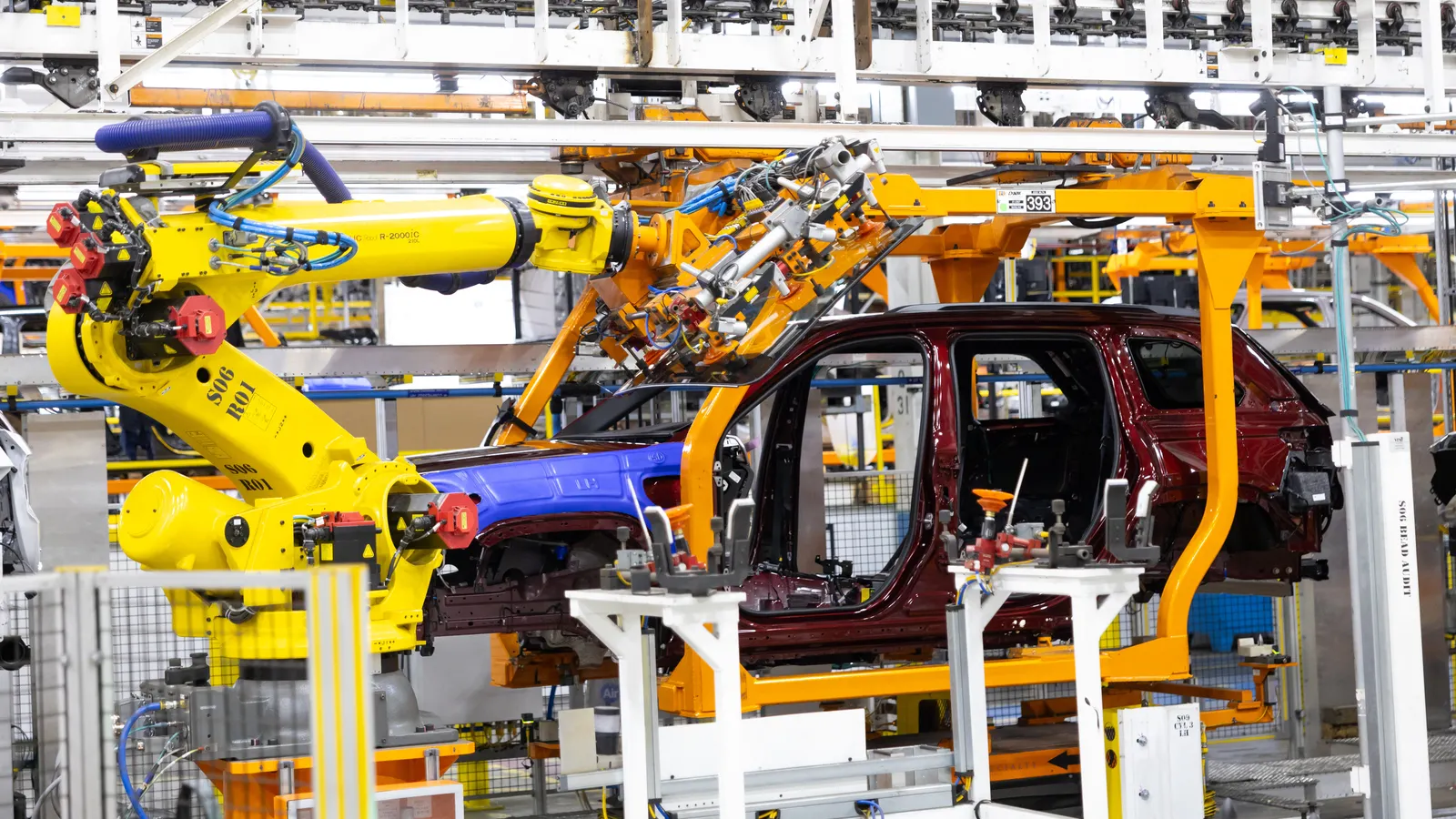
Today, that paradigm is fracturing. Driven by rapid advancements in artificial intelligence (AI), edge computing, and real-time processing, the industry is transitioning into a new era of “intelligent robotics.” These machines are no longer blind actors; they possess the ability to sense, reason, and react to their environment in real time.
“This move from repetition to interaction is changing the role of robotics entirely,” Healy notes. “It also exposes an uncomfortable truth: most organizations are unprepared.”
Chronology of the Robotic Shift
To understand how we reached this inflection point, one must look at the recent timeline of industrial automation:
- 2020–2022 (The Pilot Phase): Faced with pandemic-driven labor shortages and supply chain volatility, manufacturers began accelerating proof-of-concept (POC) projects. Robotics moved from the assembly line to logistics, with Automated Mobile Robots (AMRs) becoming common sights in warehouses.
- 2023–2025 (The Integration Era): Companies shifted from isolated pilots to full-scale integration. The focus moved toward interoperability—getting disparate systems to "talk" to one another. During this period, the integration of 5G and edge computing allowed for more complex data processing directly on the factory floor.
- 2026 (The Strategic Impasse): As of August 2026, the industry finds itself in a "strategic bottleneck." Technology vendors have proven the efficacy of AI-driven robotics, but the human-centric side of the equation—training, organizational culture, and workflow redesign—is lagging.
- 2027–2030 (The Scaling Horizon): Industry analysts project that the next four years will be defined by "fleet management." Success will no longer be measured by the number of robots on the floor, but by the efficiency of the human-robot collaborative ecosystem.
Supporting Data: Mapping the Preparedness Landscape
The data from the Intel-commissioned survey provides a granular look at the current state of industrial robotics adoption. Of the 800 participants, roughly one-quarter represent the manufacturing sector.
Deployment Stages in Manufacturing
- 19% (Industry Leaders): These firms are setting the pace, establishing industry standards, and operating at the cutting edge of human-robot integration.
- 35% (Pioneers): These companies are leveraging robotics to gain a competitive edge across multiple complex functions, moving well beyond basic automation.
- 40% (Integrators): These manufacturers have embedded robotics into specific processes but have yet to scale them across the wider organization.
- 6% (Explorers): These organizations are still in the early stages, focused primarily on pilots and identifying initial use cases.
The "Preparedness Gap" by Sector
The report identifies a significant delta between intent and preparedness. The 26% gap in manufacturing is notable, but it sits in a broader context:

- Smart Cities & Defense: 48% gap (The highest, due to extreme complexity and regulatory hurdles).
- Manufacturing: 26% gap.
- Retail & Healthcare: These sectors exhibit smaller gaps, likely due to a more controlled environment for human-robot interaction compared to the heavy industrial setting of a manufacturing plant.
Official Perspectives: The Intel View
John Healy emphasizes that the barrier to entry is no longer hardware capability; it is the "antiquated foundation" upon which manufacturers attempt to build these modern systems. Many firms are attempting to plug high-speed, autonomous robots into IT systems that were never designed for real-time, data-intensive tasks.
“Robots need to be able to perform under pressure, and this takes more than a breakthrough in AI,” Healy explains. “It means redesigning operating models and getting functions to work together in ways they haven’t before.”
The report suggests that the "breakthrough" mentality—the idea that buying a more expensive robot will solve the problem—is a fallacy. Without a strategy that accounts for the training of existing employees to manage machines that learn, companies are destined to stall at the pilot stage.
Implications: The Human-Robot Workforce
The implications of this transition are profound, touching on safety, labor, and scalability.
1. The Safety Paradigm
In the past, safety was binary: stay out of the cage. In the future, safety must be dynamic. As humans and robots move through the same workspace, safety sensors must be integrated with predictive AI that can anticipate human movement. This requires a shift from reactive safety protocols to proactive, AI-driven safety management.

2. Workforce Reskilling
The most significant hurdle remains the human element. The report notes that companies are struggling to manage teams that were never trained to oversee intelligent machines. The factory worker of 2030 will not be a manual operator, but a "fleet supervisor" or "process orchestrator." This shift necessitates a massive investment in corporate education and technical vocational training.
3. Scaling and Interoperability
Perhaps the most daunting challenge is the "form and scale" issue. Integrating a single robot into a facility is manageable; managing a fleet of 500 heterogeneous robots from different vendors—each with its own software stack—is an immense IT challenge. Manufacturers who lack a "formal strategy" are often those who haven’t yet confronted the complexity of fleet interoperability.
4. The Competitive Cost of Inaction
Those who fail to close the 26% preparedness gap face a future of diminishing returns. As competitors optimize their supply chains and production speeds through AI-driven robotics, the cost of being "behind the curve" will compound. The report suggests that firms that fail to develop a comprehensive strategy by 2027 will likely find themselves unable to integrate the next generation of autonomous agents, effectively locking them out of the high-efficiency manufacturing market.
Conclusion: The Path Forward
The data provided by Intel serves as a wake-up call to the manufacturing sector. The excitement surrounding robotics is justified, but the "new phase of intelligent robots" demands a higher level of organizational maturity.
For manufacturers, the next five years will be defined by their ability to transition from "experimentation" to "orchestration." This involves more than just capital expenditure on hardware; it requires a top-down, holistic strategy that bridges the divide between IT, operations, and human resources.
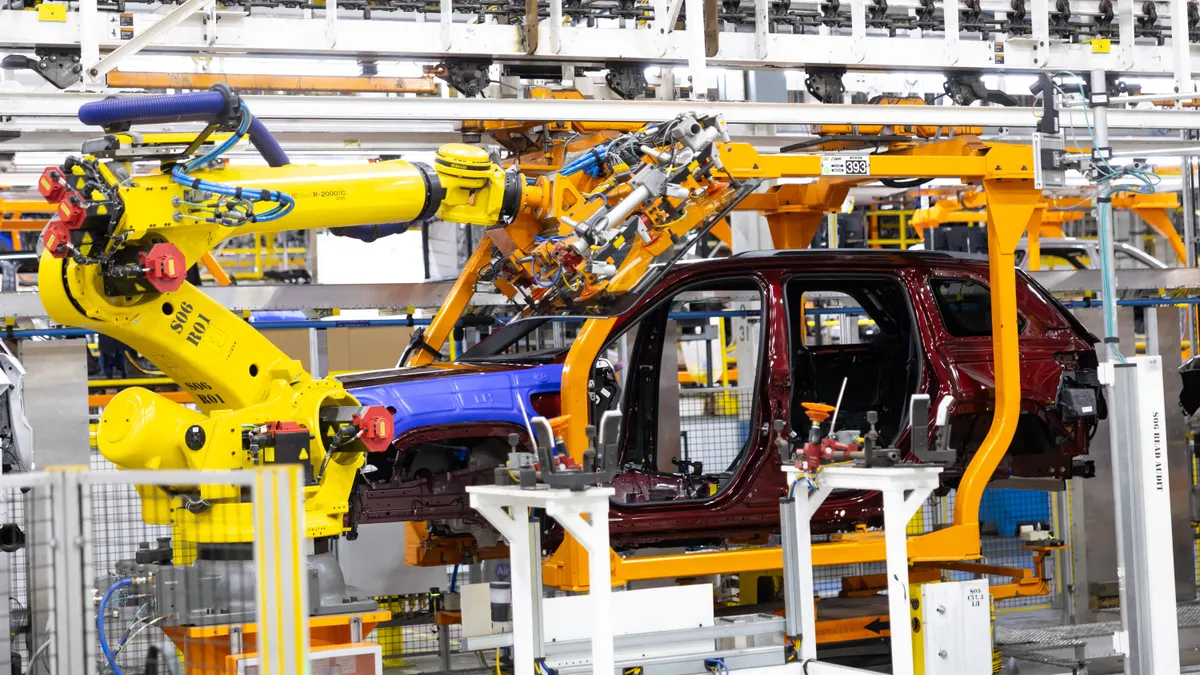
The robots are ready. The question is: are the factories—and the people who run them—ready for the robots? As the industry marches toward 2030, the answer to that question will likely determine which firms lead the market and which fall into obsolescence.
