



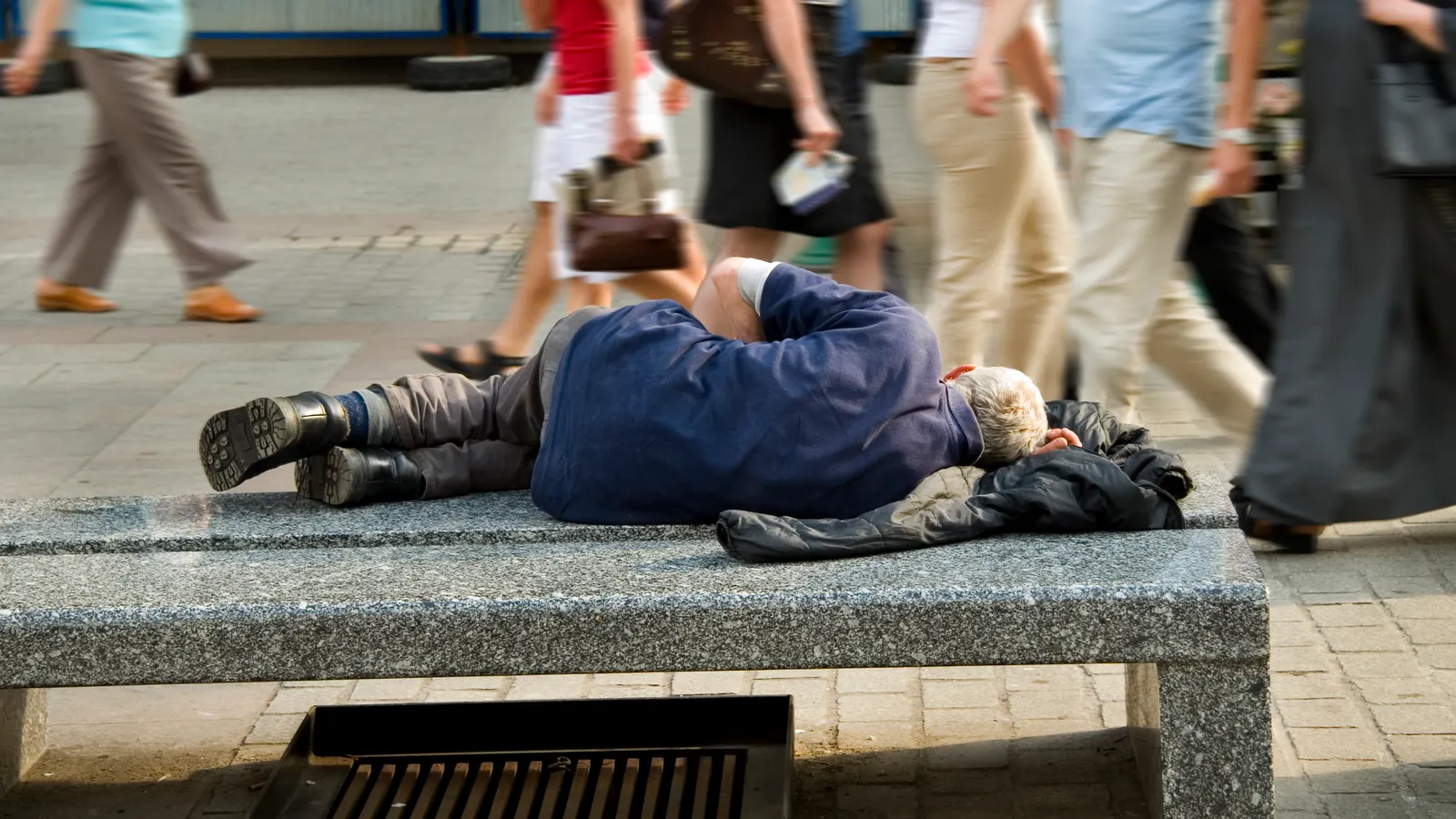
As American cities and counties grapple with record-high rates of homelessness, a silent, demographic time bomb is intensifying the crisis. While much of the public discourse focuses on systemic poverty and the affordable housing shortage across all age groups, a specific, vulnerable population is slipping through the cracks: the elderly.
For the first time in United States history, the nation is transitioning into a society where older adults will soon outnumber children. By the mid-2030s, the U.S. Census Bureau projects that this demographic shift will be complete, permanently altering the country’s social and economic landscape. However, the infrastructure to support this shift is not keeping pace. According to the Harvard Joint Center for Housing Studies (JCHS), adults aged 65 and older represent the fastest-growing segment of the unhoused population. As the oldest members of the Baby Boomer generation turn 80 this year, experts warn that we are entering a "perfect storm" of economic instability, social isolation, and institutional failure.
The Convergence of Factors: A Chronology of a Crisis
To understand how the U.S. reached this precarious juncture, one must look at the convergence of economic trends over the last several decades.
The Foundation of Instability (1990s–2010s)
The seeds of the current crisis were sown during the transition into the 21st century. As housing costs began to outpace wage growth, the traditional "safety net" for seniors—pensions, reliable Social Security purchasing power, and long-term home equity—began to erode. Throughout the 2000s and 2010s, many older adults entered their retirement years with significant debt, including mortgages and student loans, leaving them with little to no financial cushion for medical emergencies or market fluctuations.
The Pandemic Acceleration (2020–2022)
The COVID-19 pandemic acted as an accelerant for an already simmering issue. The economic shocks of 2020 decimated the savings of many older Americans who were living on fixed incomes. Simultaneously, the skyrocketing cost of rental housing in major metropolitan areas meant that seniors on fixed budgets were suddenly "priced out" of their long-term homes. During this period, the phenomenon of "doubling up"—where seniors moved in with relatives to survive—became a widespread but invisible form of housing instability.
The Present Day: The "Perfect Storm" (2024–2025)
Today, the convergence of record-high homelessness rates and an aging population has moved from a concern to a national emergency. With the oldest Boomers now reaching their 80s, the need for specialized, accessible, and affordable housing has reached a breaking point. Experts note that as federal social safety nets face potential restructuring and budgetary cuts, the margin for error for low-income seniors has effectively disappeared.
Supporting Data: By the Numbers
The scale of the challenge is reflected in both demographic projections and housing statistics:
- The Demographic Shift: By 2034, the U.S. Census Bureau predicts the nation will reach a historic milestone: older adults will officially outnumber children. This creates an unprecedented demand for health care, accessible housing, and elder support services.
- Rapid Growth in Homelessness: Harvard’s JCHS reports that the 65-and-older cohort is the fastest-growing age group among the homeless population. This is not merely a product of the aging of the general population; it is a symptom of a housing market that provides no "middle ground" between a family home and a nursing facility.
- The "Invisible" Unhoused: A significant portion of the elderly crisis remains hidden from official statistics. HUD’s point-in-time counts notoriously miss those who are "doubling up"—staying in overcrowded conditions with friends or family. These individuals are effectively one disagreement or one economic crisis away from life on the street.
Official Responses: Policy and Prevention
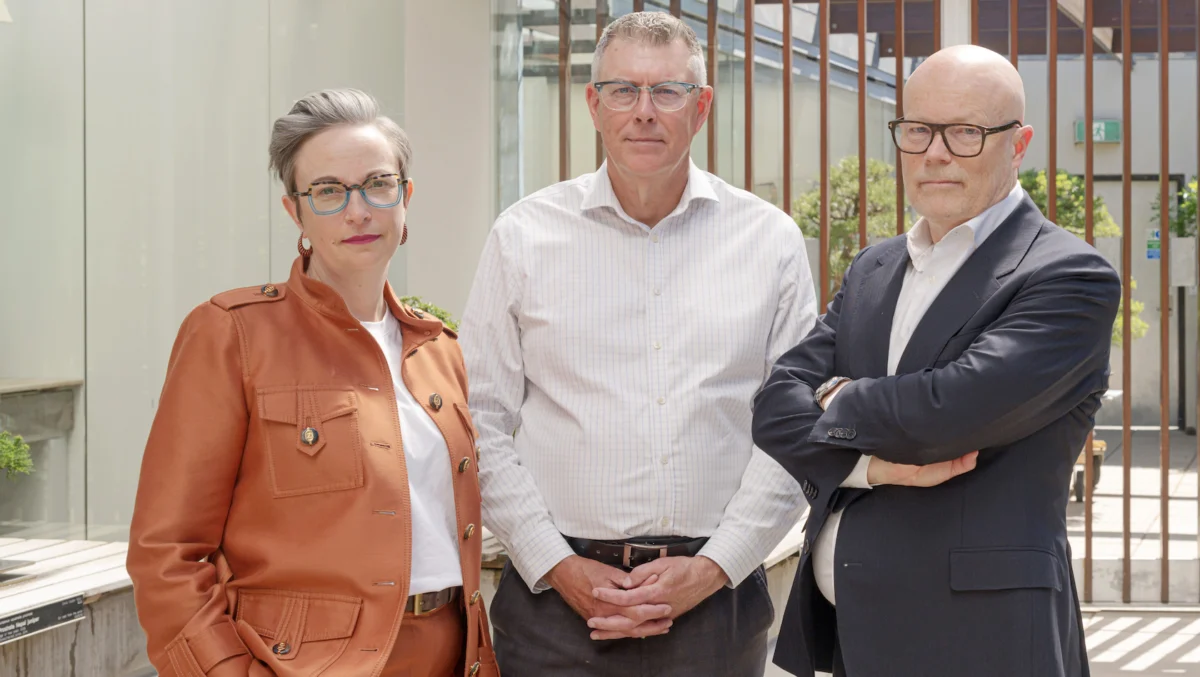
Addressing this crisis requires a departure from traditional "one-size-fits-all" housing policies. Municipal leaders, such as Beaverton, Oregon, Mayor Lacey Beaty, are beginning to advocate for a complete reimagining of urban planning.
Redesigning the Housing Market
Mayor Beaty emphasizes that the current housing stock was largely designed for the nuclear family structure of the mid-20th century. "Leaders before me hadn’t thought about aging in place gracefully," Beaty noted in a recent webinar. "We had not designed any housing for people to downsize from their four-bedroom home where they’d raised their kids."
The solution, according to urban planners and policy advocates, lies in diversifying residential options:
- Cottage Clusters: Smaller, one-story homes that offer accessibility without the isolation of high-rise apartment living.
- Co-ops and Shared Housing: Models that foster community and shared maintenance responsibilities, reducing the burden on individual seniors.
- Zoning Reform: By creating smaller, high-density options for seniors, cities can free up larger, single-family homes for young, growing families, creating a more fluid and efficient housing ecosystem.
The Challenge of Outreach
Even when resources are available, the target demographic is often hesitant to access them. Social justice advocate Niki Wilkerson points out that there is a deep-seated generational resistance to asking for help. Many older adults view government assistance as a personal failure or a sign of weakness.
"They are taught to weather the storm," Beaty explained. "We have a generation of people that are not going to ask for help." Consequently, municipal programs must be proactive. Advocates suggest that city outreach workers be trained to approach aging populations with dignity, shifting the narrative from "welfare" to "community support" to overcome the psychological barriers to entry.
Implications: A Long-Term Structural Challenge
The implications of failing to address the housing needs of an aging population are profound, affecting not just the seniors themselves, but the structural integrity of the American economy and social fabric.
The Funding Uncertainty
As federal funding policies for homelessness are currently undergoing significant shifts, the future of financial support for seniors is increasingly murky. Many current programs are built on the assumption that individuals will eventually "stabilize"—a standard that is often unrealistic for seniors living on fixed, dwindling incomes. Jennifer Molinsky, director of the Housing an Aging Society Program at JCHS, warns that this is a long-term problem that cannot be solved with short-term, temporary fixes. "It’s going to be long-term, and I think we need to wrap our heads around that," she stated.
The Caregiving Deficit
Beyond housing, the country faces a looming crisis in caregiving. With birth rates declining, the traditional expectation that adult children will care for their aging parents is becoming less feasible. We are entering an era where there will be fewer young people to support a much larger older population, both in terms of formal healthcare and informal home assistance.
"Who is getting ready to take care of all these people?" Mayor Beaty asked during the recent policy panel. "We have some serious planning ahead of us."
Conclusion: A Call for Proactive Governance
The "silvering" of the homelessness crisis is a testament to the fact that urban planning and social policy have not kept pace with demographic reality. We are moving toward a future where "aging in place" is an unaffordable luxury for many, and where the absence of a robust safety net threatens the dignity of our oldest citizens.
To prevent a humanitarian disaster in the coming decade, city leaders must prioritize the creation of diverse, accessible housing stock, rethink outreach strategies to reach a generation reluctant to ask for help, and acknowledge that the needs of the elderly are not temporary. Addressing this crisis is not just a moral imperative; it is a pragmatic necessity for the sustainability of American cities in the 21st century. The time to plan for an aging nation is not when the crisis peaks in 2034, but today, while the window for structural change remains open.
