





By Logistics Correspondent
Updated July 22, 2026
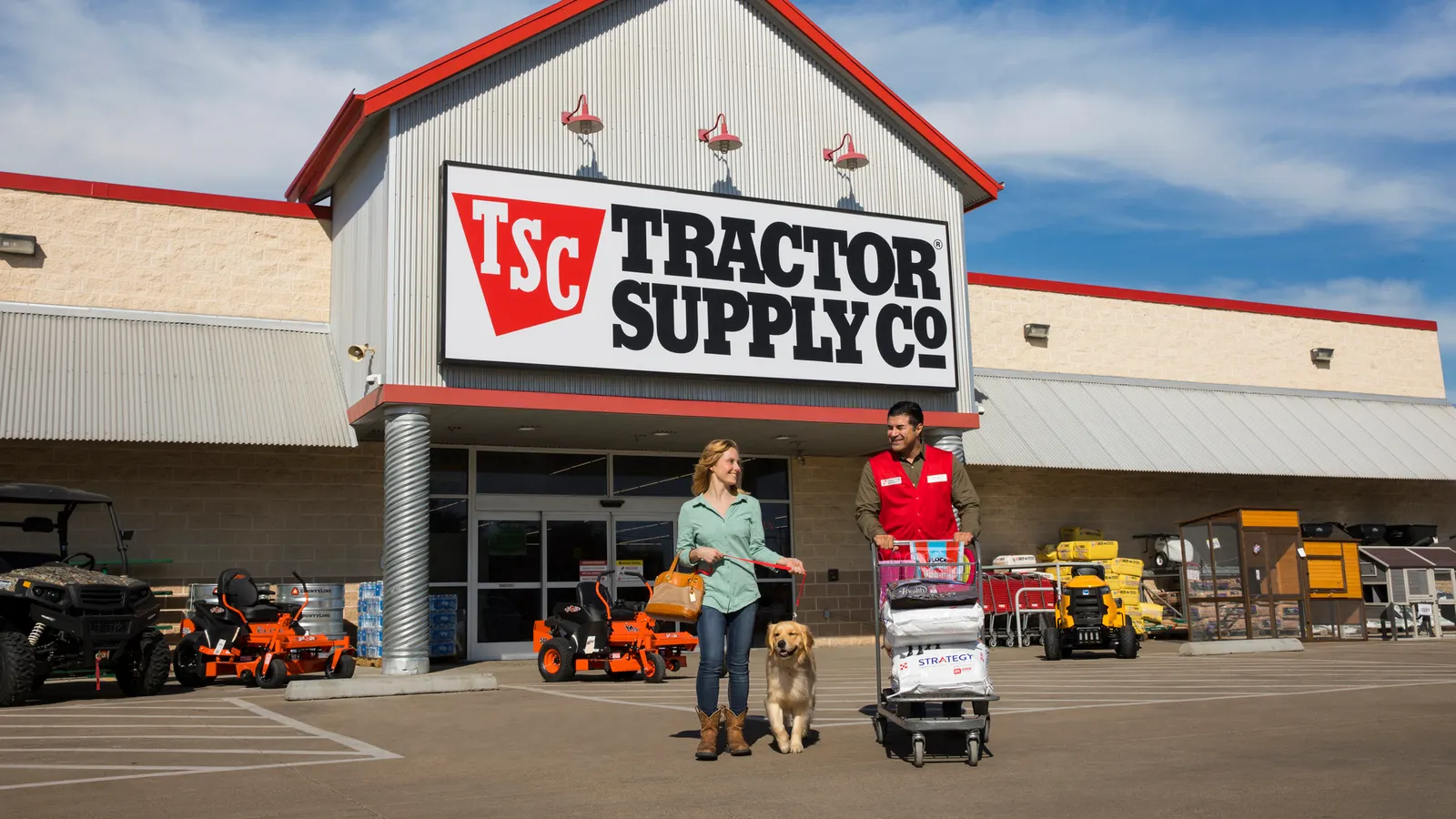
In a strategic maneuver to cement its dominance in the rural lifestyle and agricultural retail sector, Tractor Supply Co. has officially entered into a wide-ranging partnership with Instacart. The collaboration, announced mid-July, enables customers across the retailer’s massive footprint of over 2,400 stores to access same-day delivery for a vast array of goods, with transit times as short as one hour. This move marks a significant evolution in Tractor Supply’s supply chain infrastructure, reflecting a broader industry-wide push toward hyper-local, rapid-fulfillment models.
The Core Partnership: Bridging Rural Needs with Urban Speed
The partnership is designed to bridge the gap between the physical necessity of rural living—where bulk items like livestock feed, fencing, and specialized hardware are essential—and the modern consumer expectation for instantaneous digital fulfillment. By integrating with Instacart’s sophisticated marketplace, Tractor Supply is extending its reach beyond the traditional "brick-and-mortar" shopping experience, allowing rural and suburban customers to secure essentials without the need for a physical trip to the store.
The product catalog available via Instacart is comprehensive. It includes high-velocity items such as pet food, livestock feed, and garden essentials, as well as heavier hardware and tools. For the rural consumer, this represents a major convenience upgrade, particularly for time-sensitive tasks where a sudden need for farm supplies cannot wait for multi-day shipping.
A Chronology of Retail Logistics Transformation
Tractor Supply’s journey toward its current logistical maturity has been methodical. Over the past three years, the company has undergone a systematic transformation of its final-mile capabilities, moving away from centralized, slow-moving distribution models toward a decentralized, store-centric approach.
- Early 2024: Tractor Supply begins its pilot program for "Delivery Hubs," strategically positioning inventory closer to high-density customer clusters to reduce transit times.
- Late 2024: The company announces a formal integration with DoorDash, testing the waters for gig-economy-led local delivery. This move served as a proof-of-concept for the viability of third-party logistics (3PL) providers in the rural retail space.
- Q1 2025: Investment in proprietary fleet management software allows for better visibility into stock levels, enabling the company to scale its "Buy Online, Pick Up In-Store" (BOPIS) capabilities.
- July 2026: The full-scale launch of the Instacart partnership across 2,400+ locations, marking the most significant expansion of its digital fulfillment footprint to date.
Supporting Data: The Rise of Same-Day Fulfillment
The retail sector has witnessed a seismic shift in consumer behavior, with same-day delivery evolving from a luxury to a baseline expectation. According to recent supply chain analytics, retailers that offer same-day options experience a 15% to 20% increase in repeat purchase rates.
For Tractor Supply, the data points to a growing necessity:
- Pet Supply Dominance: Pet owners are increasingly shifting to subscription-like replenishment habits. By providing same-day delivery, Tractor Supply is positioning itself to compete directly with e-commerce giants like Amazon and Chewy.
- Market Saturation: With over 2,400 locations, Tractor Supply has a unique competitive advantage in "last-mile proximity." The company is leveraging these stores as micro-fulfillment centers, effectively reducing the distance between the product and the end-user.
- Third-Party Synergy: Instacart’s expansive network, which now services over 2,200 retail banners, provides the infrastructure needed to handle the complex logistical demands of rural delivery, including long-distance, high-volume order drops.
Official Perspectives: The Strategic Vision
Matthew Rubin, Senior Vice President and President of Digital and E-commerce at Tractor Supply, emphasized that the partnership is as much about the customer experience as it is about logistics.
"Our partnership with Instacart provides customers with another seamless way to shop Tractor Supply, combining the products they trust with the speed and convenience of Instacart delivery," Rubin stated during the announcement. "We are committed to meeting our customers where they are—whether that is on their farm, in their backyard, or inside their home."
Industry analysts view this as a defensive and offensive masterstroke. By utilizing Instacart’s existing labor pool, Tractor Supply avoids the massive capital expenditure of building its own dedicated delivery fleet, while simultaneously offloading the complex routing and driver management required for rapid, local deliveries.

Implications for the Supply Chain Landscape
The integration of Tractor Supply into the Instacart ecosystem has profound implications for the future of logistics.
1. The Death of the "Slow-Delivery" Rural Retailer
For decades, rural retailers operated under the assumption that customers were willing to drive long distances for supplies. This model is now obsolete. By digitizing the "farm-to-porch" pipeline, Tractor Supply is forcing competitors to accelerate their own digital transformation, potentially leading to a wave of consolidation in the agricultural supply sector.
2. The Micro-Fulfillment Shift
Tractor Supply is proving that retail storefronts are no longer just points of sale—they are critical nodes in a national supply chain network. The use of store employees for bulkier goods, paired with Instacart for standard consumer goods, creates a tiered delivery strategy that optimizes cost-to-serve.
3. The "Platformization" of Retail
Tractor Supply’s move underscores a broader trend: the "platformization" of retail. Instead of attempting to build an in-house logistics platform from scratch, legacy retailers are increasingly relying on existing digital marketplaces (Instacart, DoorDash, Uber Eats) to reach their customers. This reduces technical debt and allows retailers to focus on their core competency: inventory management and product curation.
Looking Ahead: The Future of the Final Mile
As Tractor Supply continues to refine its final-mile strategy, the industry will be watching closely to see how the company manages the unique challenges of rural logistics. Unlike urban delivery, which benefits from high density and short distances, rural delivery involves longer drive times and lower drop densities.

However, the partnership with Instacart suggests that the "density problem" can be solved through aggregation. By pooling orders from diverse retailers within the Instacart ecosystem, the delivery costs can be amortized across a larger volume of goods, making rural delivery economically sustainable.
In the coming months, expect Tractor Supply to further integrate its loyalty program with these third-party platforms, providing a frictionless experience that rewards customers for choosing digital, same-day delivery. As the line between the physical store and the digital storefront continues to blur, Tractor Supply is well-positioned to remain the "go-to" destination for the modern, rural-lifestyle consumer.
Editor’s Note: The shift toward rapid, localized fulfillment remains one of the most volatile and innovative sectors of the modern supply chain. This partnership represents a critical milestone in the ongoing effort to modernize the agricultural retail sector.
