




GAZA — Despite humanitarian efforts reaching over 600,000 people in August, the United Nations has issued a stark warning: the hunger crisis in the Gaza Strip is not abating, but rather deepening. While aid corridors at the Kerem Shalom crossing have facilitated the delivery of essential food, fuel, and hygiene supplies, international aid agencies describe the situation as a race against time, hampered by decimated civilian infrastructure and a collapse in local economic stability.
Main Facts: The Scope of the Crisis
As of August 2026, the humanitarian landscape in Gaza remains characterized by extreme fragility. While the World Food Programme (WFP) and its partners successfully distributed aid to hundreds of thousands of civilians this month, these interventions are struggling to offset the catastrophic impact of nearly three years of conflict.
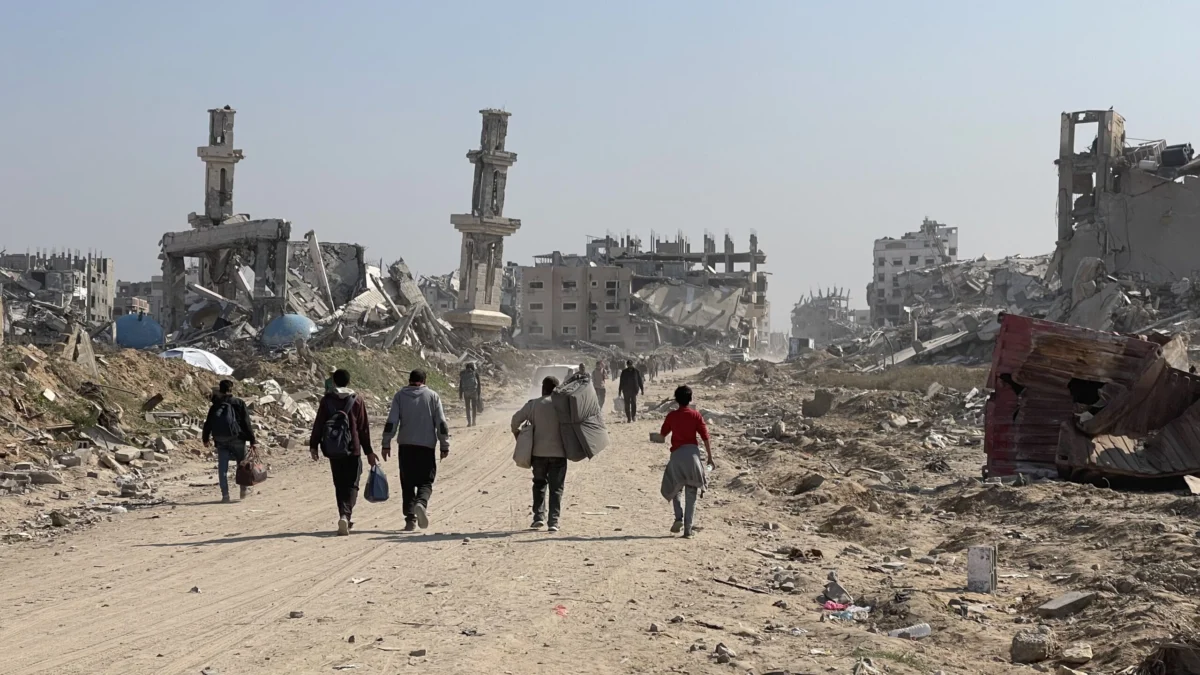
The core of the issue lies in the total exhaustion of household resources. According to the latest WFP data, approximately 50 percent of surveyed families in Gaza reported running out of food entirely at least once in the past month. The scarcity is compounded by a systemic breakdown of civilian infrastructure; roughly 90 percent of such facilities have been either severely damaged or completely destroyed, leaving families with no safety net, no storage capacity for perishables, and limited access to clean water or cooking fuel.
Chronology: From October 2023 to the Current Impasse
To understand the current famine-like conditions, one must look at the timeline of the conflict’s economic and logistical toll:
- October 2023: Hostilities intensify, triggering an immediate and sharp spike in food prices and a cessation of normal commercial trade into the territory.
- Late 2025: Humanitarian assessments place the number of people facing acute food insecurity at approximately 1.6 million.
- July 2026: A joint report by the Food and Agriculture Organization (FAO), UNICEF, and the WFP notes a marginal improvement, with the number of food-insecure individuals dropping to 1.4 million. This improvement is attributed to temporary windows of access and international funding.
- August 2026: The UN confirms aid delivery to 600,000 people. However, the WFP simultaneously issues a warning that the "gains" are fragile and that households are increasingly unable to afford basic commodities due to chronic cash shortages.
Supporting Data: The Statistics of Survival
The data provided by international observers paints a harrowing picture of daily life in the territory. The WFP’s recent report highlights a grim reality: the vast majority of households are unable to purchase food through traditional markets.
The Cost of Basic Necessities
The economic blockade and the destruction of the agricultural sector have caused a hyper-inflationary effect on food prices. For the average family, a day’s worth of nutrition has been reduced to a single meal, often of poor nutritional value. The combination of cash shortages—resulting from the collapse of banking services and the loss of employment—and skyrocketing prices has created an environment where food is physically present in some locations but economically inaccessible to the displaced population.
Acute Food Insecurity Trends
While the figure of 1.4 million people in "crisis or worse" conditions represents a slight decline from the 1.6 million recorded at the end of 2025, experts caution against interpreting this as a recovery. The UN emphasizes that this decline is "conditional." It rests entirely on the continued open status of crossings like Kerem Shalom and the consistent flow of international funding. The data suggests that any disruption—whether due to renewed airstrikes, security failures, or administrative bottlenecks—could reverse these minor gains within days.
Official Responses and Humanitarian Appeals
Humanitarian agencies are operating under extreme duress, frequently calling for a sustainable ceasefire to allow for the restoration of basic services.
The Role of the WFP and UNICEF
The World Food Programme has been vocal about the limitations of aid-led survival. In their most recent dispatch, they noted that while "truckloads of supplies are vital, they are a band-aid on a gaping wound." UNICEF has similarly highlighted the impact on children, noting that malnutrition is not just a present danger but a generational threat that will affect the physical and cognitive development of Gaza’s youth for years to come.
The Challenge of Infrastructure
The UN has underscored that distributing aid is only half the battle. Without functioning energy grids and water treatment plants—90 percent of which are non-operational—even the food that is delivered cannot be prepared safely or stored. The agencies are calling for the international community to move beyond emergency food relief and toward the restoration of essential civilian infrastructure, though they acknowledge that such work is impossible while active combat operations continue.
Implications: A Precarious Future
The ongoing crisis carries profound implications for the region, the international community, and the fundamental tenets of humanitarian law.
The Fragility of Aid
The reliance on aid creates a "knife-edge" existence for the population. If the current relief efforts are interrupted by the ongoing airstrikes or the escalating violence observed in other parts of the Middle East, the UN warns of an immediate slide back into famine conditions. The dependency on aid is not a long-term solution; it is a temporary mechanism that is currently failing to keep pace with the needs of the millions of displaced persons.
The Displacement Crisis
Millions of people remain displaced, moving from one "safe zone" to another as the frontlines shift. This constant movement makes it incredibly difficult for aid organizations to track the most vulnerable populations or provide consistent support. The lack of shelter, combined with the lack of energy, fuel, and water, creates a feedback loop: displaced persons are too weak to seek help, and aid organizations are too constrained by the security environment to reach the most remote clusters of the population.
The Legal and Ethical Dimension
The situation in Gaza has sparked intense international debate regarding the obligations of warring parties toward civilian populations. Under international humanitarian law, parties to a conflict are required to ensure that civilians have access to the basic necessities of life. The UN’s warnings reflect a growing consensus among human rights observers that the current levels of deprivation are not merely a byproduct of war, but a result of systemic obstruction and the failure to prioritize civilian welfare during military operations.
Looking Ahead
The path forward is blocked by a lack of political consensus and the persistent volatility of the security situation. Humanitarian agencies are currently operating in a "damage control" mode, attempting to save as many lives as possible while simultaneously warning that they cannot prevent a wider catastrophe without significant political intervention.
As the international community watches, the message from the UN remains clear: the humanitarian crisis in Gaza is not a static event but a deteriorating process. Without a fundamental change in the security landscape, the increase in aid deliveries to 600,000 people will likely be remembered as a brief moment of relief in a much longer, more tragic history of systemic collapse. The agencies continue to lobby for unrestricted access, sustained funding, and, most importantly, the cessation of hostilities to allow for the rehabilitation of the territory’s shattered life-support systems.
Until such conditions are met, the people of Gaza remain trapped in a cycle of dependency, hunger, and precarious survival, waiting for a resolution that remains, for now, tragically out of reach.
