




As the United States grapples with a generational infrastructure deficit, the dream of a robust, high-speed rail (HSR) network—once the hallmark of European and Asian transit success—is facing a harsh reality check. In California, the state’s ambitious High-Speed Rail Authority (CHSRA) is pivoting toward a high-stakes strategy: courting private investment to salvage a project plagued by ballooning costs and waning federal support. However, as the Authority enters a $25 million co-development agreement with the "Momentum Alliance Partners" consortium, industry experts are raising fundamental questions about the viability of private capital in public rail transit.
The Core Conflict: Funding the Future
The central issue facing the California High-Speed Rail project is a staggering $87 billion funding shortfall. According to the Authority’s 2026 business plan, the total cost to connect San Francisco and Los Angeles has reached $126 billion. With only $39.3 billion currently secured—much of which relies on volatile state cap-and-invest proceeds—the project is effectively stalled in its initial 119-mile phase between Merced and Bakersfield.
The recent move to engage private firms reflects a desperate search for alternatives following the termination of $4 billion in federal grants by the Federal Railroad Administration under Transportation Secretary Sean Duffy. Without federal backing, the CHSRA is looking to private equity, infrastructure firms, and rail consortiums to provide the capital necessary to reach beyond the Central Valley.
A Chronology of Stagnation and Pivot
The timeline of the California project has been defined by incremental progress and massive budgetary shifts:
- Initial Conception: The project was sold to voters as a revolutionary link between California’s major urban hubs, promising rapid transit across the state.
- The Federal Pullback: The transition in federal leadership led to the cancellation of $4 billion in unspent grants, leaving the project with a gaping hole in its capital stack.
- The Funding Gap Reality: The Authority’s 2026 business plan solidified the $126 billion price tag, highlighting that the $1 billion annual state commitment through 2045, while reliable, is insufficient to cover the construction of the full line.
- The June 2026 Pivot: Entering a 30-month, $25 million agreement with the Momentum Alliance Partners, the Authority signaled a formal pivot. The consortium is tasked with a six-month "discovery phase" to identify ways to attract private capital for future segments.
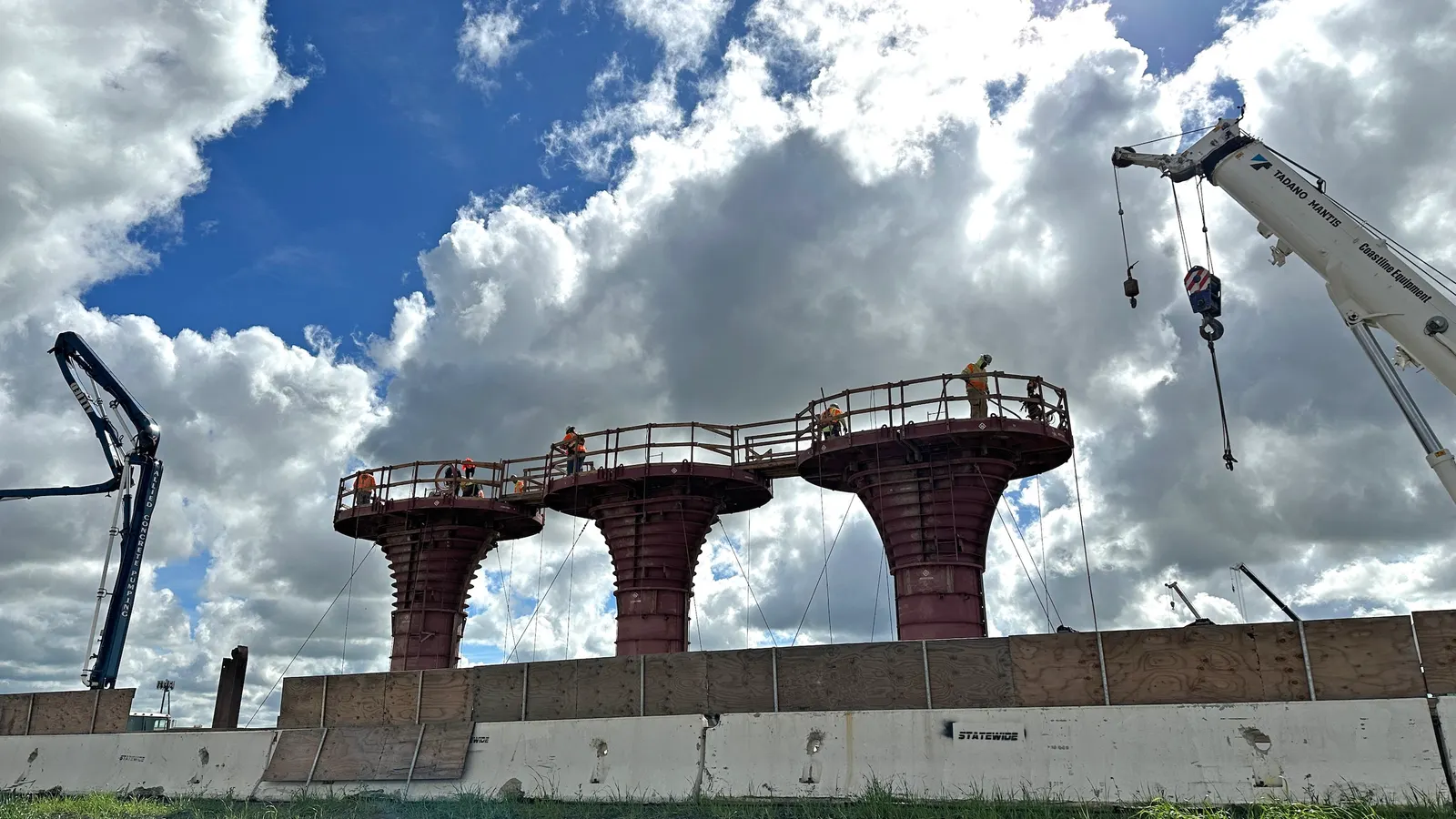
- Current Status: Construction continues on the Central Valley segment, including track installation and a new $2.4 billion procurement request to extend the line toward Madera.
Supporting Data: The Math of Disillusionment
Transportation economists and policy analysts argue that the financial projections for HSR in the U.S. rarely "pencil out." The primary mechanism for current funding—California’s cap-and-invest program—relies on the purchase of greenhouse gas emission allowances. While this provides a steady stream of capital, it is inherently tied to the state’s industrial output and carbon policy, making it a precarious foundation for a multi-decade, multibillion-dollar construction schedule.
Baruch Feigenbaum, senior managing director of transportation policy at the Reason Foundation, remains skeptical of the current partnership structure. He characterizes the deal with Momentum Alliance Partners not as a true venture capital investment, but as a "standard engineering contract paid for by taxpayers." When compared to the $87 billion required to finish the project, a $25 million advisory contract is widely viewed by critics as a drop in the bucket that fails to address the underlying risk profile of the rail line.
The Shadow of "Ambition vs. Reality"
The struggle to attract private funding is not unique to California. Across the country, other high-profile projects serve as cautionary tales for investors:
The Brightline West Struggle
Brightline West, the proposed 200-mph line connecting Las Vegas to Southern California, was once the "gold standard" for private-sector rail. However, the project has seen its cost estimates surge from $12 billion to $21.5 billion, with its projected completion pushed to 2029. Crucially, the project missed a key target to raise $400 million by March 31, 2026, forcing a re-evaluation of its financial independence. Experts like NYU’s Alon Levy suggest that Brightline West is likely to follow the same path as other failing private ventures, eventually requiring a pivot toward federal subsidies to survive.
The Florida Precedent
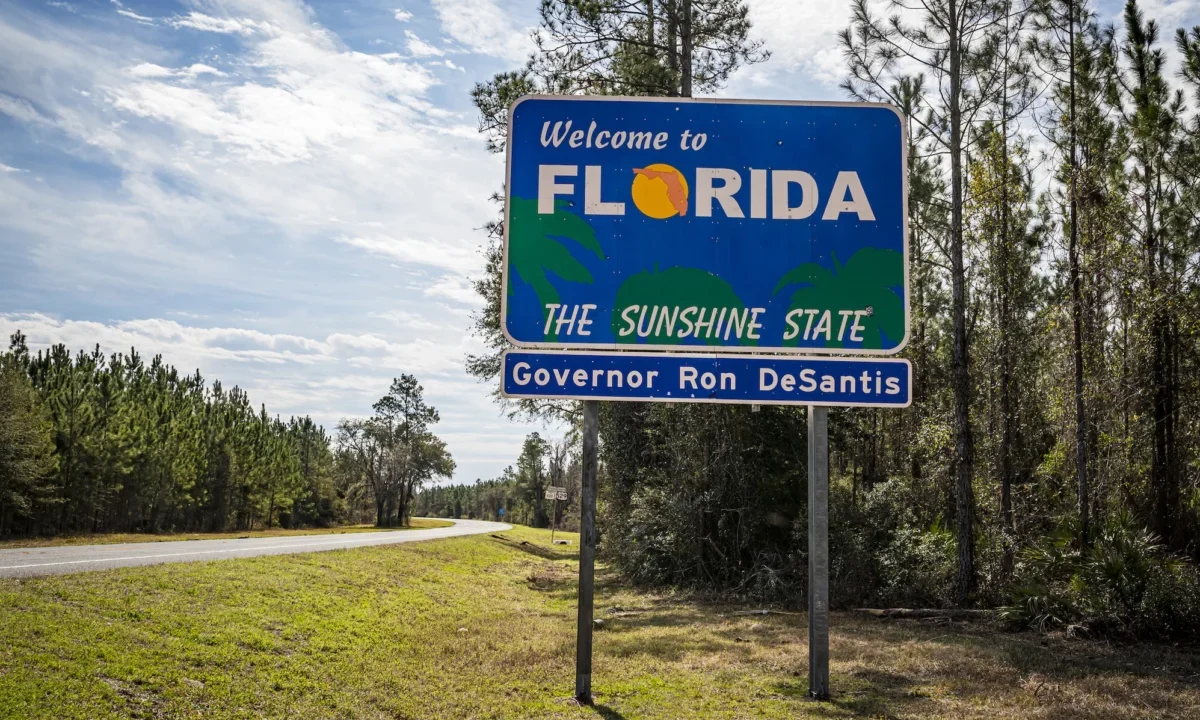
Brightline Florida, while operational, has faced its own set of turbulence. The venture faces potential default on debt obligations, highlighting the thin margins of passenger rail operations. Florencia Cirigliano, co-founder of the intercity bus operator RedCoach, notes that the industry is witnessing "reality catching up with ambition." The difficulty of turning a profit on rail infrastructure, especially when competing with cheaper air travel and personal vehicles, makes the sector an unattractive proposition for traditional private equity firms seeking steady, low-risk returns.
Official Responses: The Authority’s Defense
The California High-Speed Rail Authority maintains that its strategy is a sophisticated evolution of project management, not a desperate attempt to outsource risk. In an official statement provided to Smart Cities Dive, an Authority spokesman emphasized that the agreement with Momentum Alliance Partners is a "phased co-development partnership."
The Authority rejects the "engineering contract" label, arguing that the consortium’s mandate is specifically focused on:
- Accelerated delivery: Identifying ways to compress construction timelines to reduce inflationary pressure.
- Asset commercialization: Leveraging land use and station development to generate secondary revenue streams.
- Private investment integration: Creating a framework where investors can participate in specific, de-risked segments of the project rather than the entire multi-decade endeavor.
Despite this optimistic framing, the Authority has yet to produce a single major investor willing to commit to the long-term, high-cost segments required to reach Los Angeles or San Francisco.
Implications: The Future of U.S. Rail
The broader implications of these financial struggles suggest a potential shift in how the U.S. conceptualizes infrastructure. If the private sector cannot—or will not—fill the funding gap, the nation faces three distinct paths:
1. The Federal Return
The most likely scenario, according to observers like Alon Levy, is a return to heavy reliance on federal funding. If the projects are deemed "too big to fail" due to the billions already sunk into the ground, the federal government may be forced to step in, effectively turning these private-led initiatives into public works projects by default.
2. Radical Downscaling
If the funding gap cannot be closed, the state may be forced to truncate the project significantly. This would result in a "Central Valley Rail" rather than a state-wide high-speed network, failing to achieve the initial promise of connecting the state’s economic powerhouses and potentially leading to a permanent loss of public trust.
3. The "Asset Commercialization" Model
If the Authority’s gamble on "asset commercialization" succeeds, it could set a new template for infrastructure. By developing the land around stations into dense, transit-oriented hubs, the state hopes to capture value that can be diverted back into track construction. However, this model requires massive upfront investment in real estate, which is currently hindered by high interest rates and a volatile housing market.
Conclusion
The push for private-sector investment in high-speed rail is a direct response to a political and economic climate that has grown weary of massive public expenditures. Yet, the evidence from California and beyond suggests that high-speed rail is a "public good" that may not satisfy the "private profit" requirements of institutional investors.
As the California High-Speed Rail Authority enters its 30-month window with Momentum Alliance Partners, the eyes of the infrastructure world are fixed on the Central Valley. Whether this represents a genuine breakthrough in financing or merely a sophisticated delay tactic remains the central question. For now, the trains remain in the planning and procurement stages, while the financial horizon remains as uncertain as ever. The gap between the $126 billion cost and the available capital is not merely a number on a balance sheet—it is the measure of the distance between American ambition and the reality of modern infrastructure finance.
