





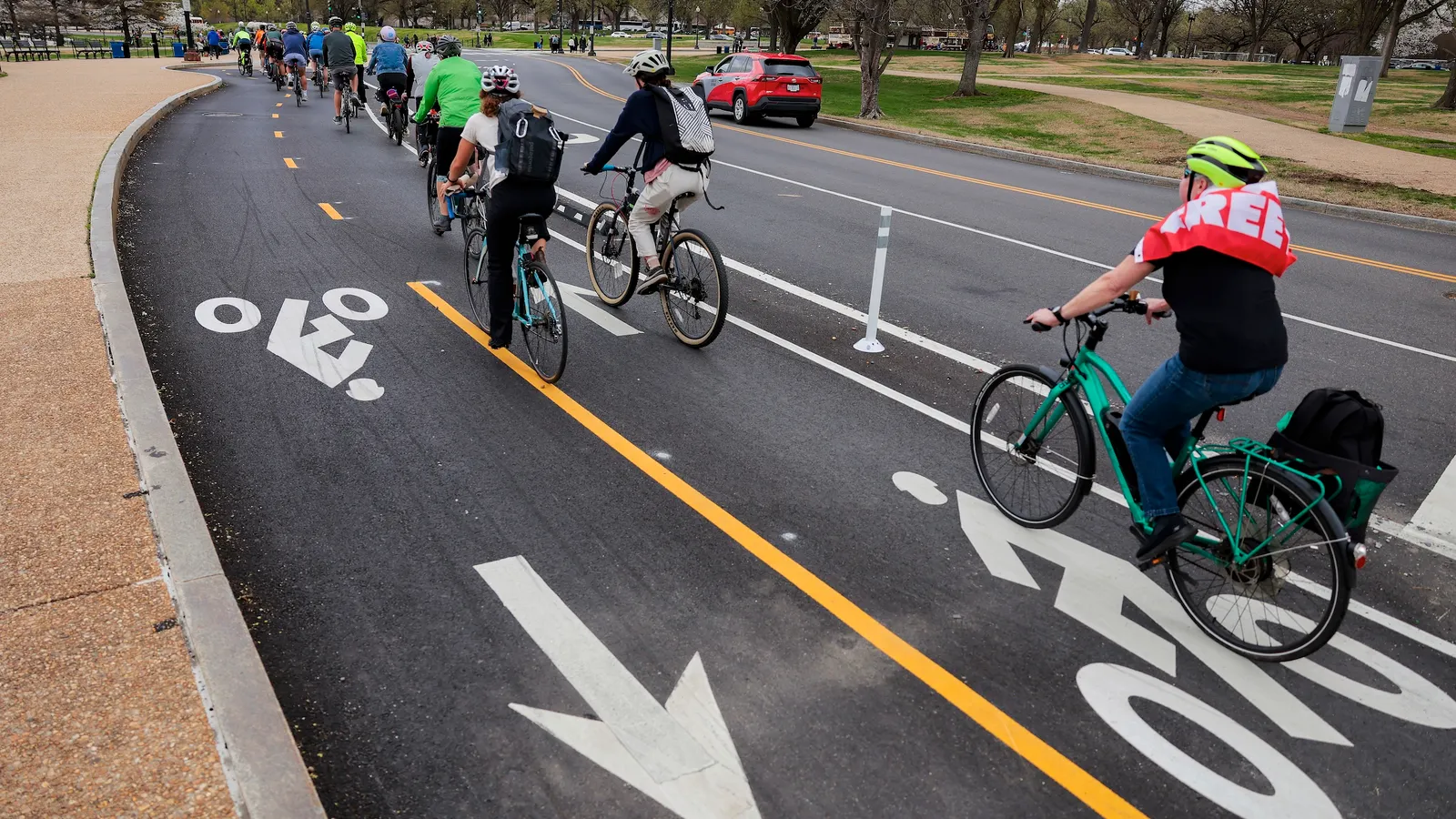
In a move that has sparked significant backlash from urban planners, safety advocates, and lawmakers, the Federal Highway Administration (FHWA) has quietly purged five critical infrastructure and policy tools from its official list of “Proven Safety Countermeasures.” The decision, which was not accompanied by a formal public announcement or technical justification, has stripped away federal endorsement for strategies long considered the gold standard for reducing traffic-related fatalities.
The affected measures—bicycle lanes, “road diets,” speed safety cameras, variable speed limits, and setting speed limits appropriate for vulnerable road users—are now notably absent from the FHWA’s digital repository. This quiet removal comes at a time when the United States is grappling with a persistent, high-level roadway safety crisis, with tens of thousands of lives lost to traffic violence annually.
The Disappearing Guidelines: A Chronology of the Shift
The change was first identified by comparing the current FHWA webpage for "Proven Safety Countermeasures" against archived versions of the site from late 2022. For years, these strategies were listed as evidence-based solutions that state and local departments of transportation were encouraged to adopt to secure federal funding and improve road safety.
Timeline of the Controversy:
- Pre-2024: The FHWA maintained a robust list of 28+ countermeasures, including infrastructure designs like road diets and technology-based solutions like speed cameras, backed by extensive peer-reviewed data.
- December 2024: The U.S. Department of Transportation (DOT) signaled a pivot in policy, announcing that it would effectively end grant approvals for traffic safety cameras under the “Safe Streets and Roads for All” (SS4A) program, limiting their use to school and work zones.
- Mid-2025: Investigative reporting by outlets such as NPR and Smart Cities Dive revealed the removal of the five specific countermeasures from the FHWA’s website.
- Current Status: The FHWA remains silent on the rationale behind the removal, failing to provide comment to multiple inquiries regarding the policy shift.
Defining the "Proven": What Was Lost?
The FHWA defines "proven safety countermeasures" as strategies that are definitively effective in reducing fatalities and serious injuries on the nation’s highways. By removing these five, the agency has effectively downgraded their status from "federally recommended" to "unsupported," a move that could jeopardize future local funding and discourage municipalities from implementing these lifesaving designs.
The Five Removed Countermeasures:
- Bicycle Lanes: Dedicated infrastructure that separates vulnerable cyclists from high-speed motor vehicles.
- Road Diets: A reconfiguration of road space, typically reducing the number of lanes to improve safety for all users, including pedestrians and cyclists.
- Speed Safety Cameras: Automated enforcement technology that captures speed violations to encourage consistent adherence to posted limits.
- Variable Speed Limits: Intelligent systems that adjust speed limits based on real-time traffic, weather, or road conditions.
- Context-Sensitive Speed Limits: The practice of setting speed limits based on the presence of vulnerable road users rather than the design speed of the roadway.
A National Safety Epidemic: The Data Behind the Debate
The removal of these tools coincides with alarming statistics from the National Highway Traffic Safety Administration (NHTSA). In 2024, the U.S. recorded more than 39,000 traffic-related deaths. Speeding was identified as a contributing factor in 29% of those fatalities.
Advocates argue that these numbers represent a preventable public health crisis. The Insurance Institute for Highway Safety (IIHS) has long maintained that speed safety cameras are vital for managing driver behavior. In 2025, 338 communities operated such programs. Their data confirms that when cameras are used, they lead to a significant, sustained reduction in speeding.
Real-World Efficacy
The impact of these measures is not theoretical; it is measurable. In San Francisco, data from 15 sites showed a 72% reduction in speeding following the implementation of automated cameras. Even more striking is the success of New York City’s program. Since its inception in 2014, the city has seen a 94% decrease in daily violations at speed camera locations, demonstrating that these tools effectively modify driver behavior over time.
Political and Professional Outcry
The lack of transparency regarding this decision has drawn sharp rebukes from high-level officials. Rep. Rick Larsen (D-Wash.), the ranking member of the House Committee on Transportation and Infrastructure, issued a scathing statement following the news.
"Attacking proven safety measures makes no sense in the middle of a roadway safety epidemic that killed more than 36,000 Americans last year," Larsen said. "It’s not political to say bike lanes and speed cameras improve safety; it’s a statement of fact." Larsen has formally requested a briefing from the FHWA to demand an explanation for the agency’s pivot.
The criticism extends to the private and non-profit sectors. Michael Brooks, Executive Director of the Center for Auto Safety, argued that the agency’s move is at odds with its core mission. "Given America’s pathetic road safety record in recent history, Secretary Sean Duffy should be supporting virtually any tech proven to reduce traffic fatalities," Brooks stated. "Opposing proven traffic safety countermeasures like speed enforcement to score short-term political points with entitled speeders is not consistent with the DOT’s mission."
Industry representatives have echoed these sentiments. A spokesperson for Verra Mobility, which manages New York City’s enforcement programs, noted, "The data is clear—speed safety camera programs are effective in improving driver behavior, slowing traffic, reducing speed-related fatalities, and improving the safety of all road users."
Implications for the Future of U.S. Transportation
The decision to scrub these items from the FHWA list carries profound implications for the future of urban design and public policy in the United States.
1. The Funding Gap
By stripping these items from the "proven" list, the federal government may be signaling a shift in how it allocates discretionary grants. Local governments that rely on the FHWA’s endorsement to justify safety projects may find it significantly harder to secure funding for road diets or protected bike lanes, as they can no longer cite federal "proven" status in their applications.
2. The Return of "Predictive" Design
There is a growing fear among urban planners that this move signals a return to a "vehicle-throughput-first" mentality, where the speed of cars is prioritized over the safety of pedestrians and cyclists. By removing the guidance on context-sensitive speed limits, the federal government may be incentivizing local engineers to design for higher speeds, even in dense urban environments.
3. Erosion of Public Trust
The lack of an official statement from the FHWA or Secretary Duffy’s office has created an information vacuum. In the absence of a technical or safety-based explanation, observers are left to conclude that the decision was driven by political pressure rather than data. This erosion of trust in the DOT’s commitment to safety could demoralize regional and state transportation departments that have been working to align their policies with Vision Zero goals—a global project to eliminate all traffic fatalities.
Conclusion: A Roadway at a Crossroads
As the United States enters another year with staggering traffic fatality rates, the removal of these five countermeasures stands as a paradoxical act. While the country faces an urgent need to modernize its infrastructure to protect all road users, the federal agency tasked with oversight appears to be retreating from the very tools that have been proven to save lives.
Whether this policy shift is the result of a permanent change in philosophy or a temporary political maneuver remains to be seen. However, as Rep. Larsen and other stakeholders press for answers, the broader transportation community continues to wait for a clear justification—one that can reconcile the removal of these measures with the stated goal of ensuring safety on America’s roads. For now, the "proven" status of these interventions remains intact in the eyes of the global engineering community, even as they are erased from the federal ledger.
