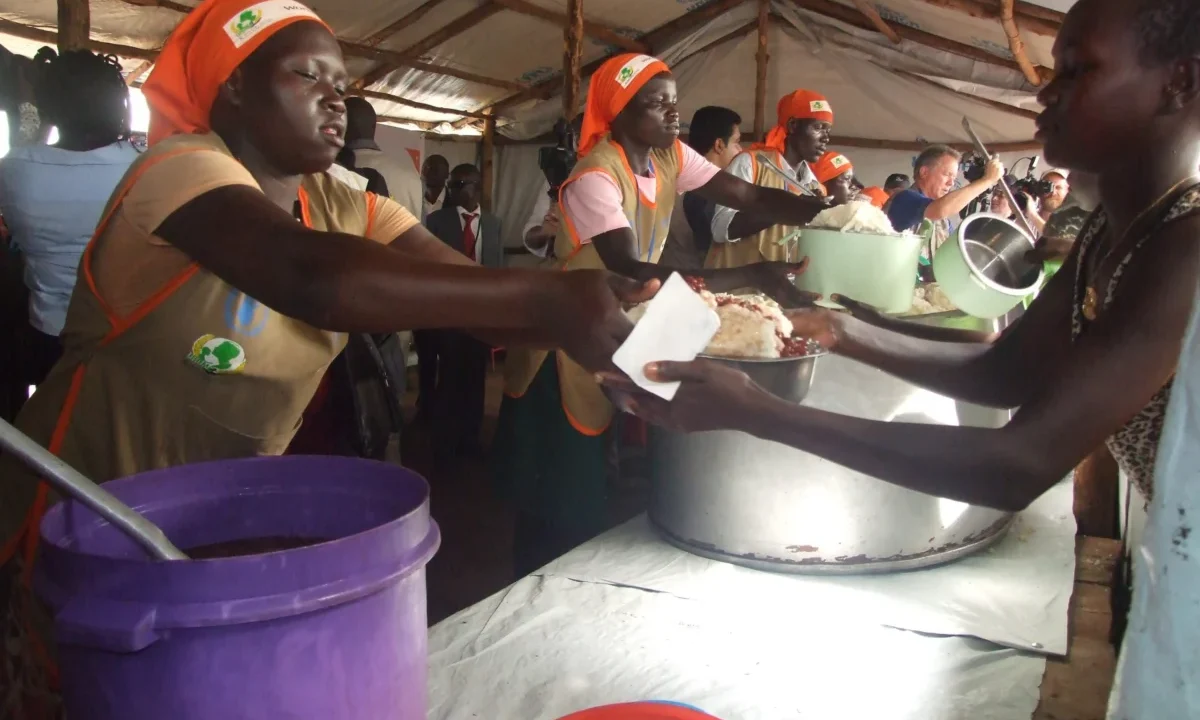





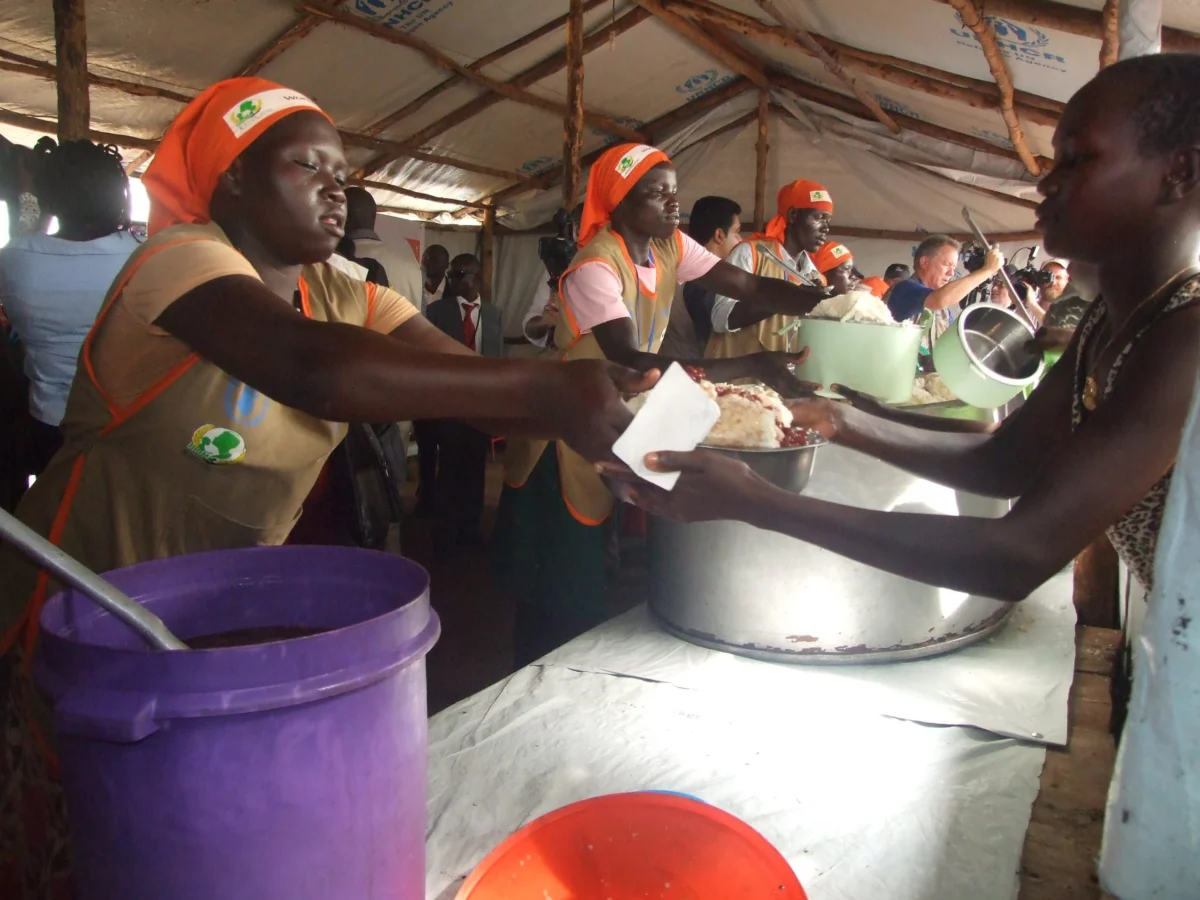
South Sudan, a nation already teetering on the precipice of a humanitarian collapse, is facing a harrowing convergence of existential threats. The United Nations World Food Programme (WFP) issued a stark warning this Tuesday, indicating that the country’s protracted hunger crisis is poised to deteriorate significantly. Driven by the relentless pressure of armed conflict, the spillover effects of civil war in neighboring Sudan, and the looming arrival of a "Super El Niño" weather event, millions of lives in South Sudan are now hanging in the balance.
As international funding wanes and local infrastructure crumbles, humanitarian agencies are sounding the alarm: without immediate, massive intervention, the nation may witness a famine of historic proportions before the year concludes.
The Convergence of Crises: Main Facts
The current situation in South Sudan is not merely a localized food shortage; it is a complex systemic failure. Matthew Hollingworth, the WFP’s assistant executive director for program operations, summarized the gravity of the situation during a press briefing in Geneva. "Conflict, displacement, economic hardship, climate shocks, and the situation in neighboring Sudan are all converging to push millions of people deeper into vulnerability," Hollingworth stated.
The statistical reality is grim. Currently, 2.2 million children and 1.2 million pregnant and breastfeeding women are in dire need of nutritional support. Perhaps most alarming is the projection that more than one million people face the imminent cessation of food assistance by October due to severe funding shortfalls. This is not a distant threat but an immediate, life-altering reality for a significant portion of the population.
A Decadal Descent: Chronology of the Crisis
To understand the current emergency, one must look back at the historical trajectory of the world’s youngest nation.
- 2013–2014: The outbreak of civil war shortly after South Sudan’s independence from Sudan destabilized the country’s agricultural sector and displaced millions.
- 2018–2020: Despite peace agreements, local conflicts and inter-communal violence persisted, preventing the resumption of large-scale farming and keeping the country reliant on aid.
- 2023–2024: The conflict in neighboring Sudan sent a massive wave of refugees into South Sudan, placing an unsustainable burden on an already depleted food supply chain.
- August 2026: The WFP issued a formal warning that international donor fatigue had led to critical funding gaps, forcing the agency to prioritize the most vulnerable, effectively leaving millions without a safety net.
- September 2026: The confirmation of a "Super El Niño" pattern signaled that the drought conditions affecting the region would likely intensify, threatening the upcoming harvest cycles.
Meteorological Malaise: The Impact of ‘Super El Niño’
El Niño, a periodic climate phenomenon characterized by unusually warm Pacific Ocean waters, creates a ripple effect in global weather patterns. For South Sudan, the implications are particularly devastating. Historically, El Niño events in East Africa are associated with severe rainfall deficits.
Climate experts note that the expected suppression of rainfall will exacerbate existing drought conditions. In a country where the vast majority of the population relies on subsistence farming, a failure of the rains is not just an economic setback—it is a death sentence. The anticipated drought will lead to crop failure, the death of livestock, and a subsequent surge in food prices. As staple goods become unaffordable, the most vulnerable populations—particularly those already displaced by conflict—will be forced to resort to desperate survival strategies, further deepening the humanitarian catastrophe.
Data and Disruption: The Humanitarian Cost
The humanitarian community is currently grappling with two distinct but interrelated challenges: the lack of resources and the lack of access.
Nutritional Deficits
The prevalence of malnutrition among children in South Sudan has reached critical thresholds. With food assistance being rationed, the WFP has been forced to reduce the caloric intake provided to refugees and internally displaced persons (IDPs). The lack of micronutrient-rich food is leading to stunted growth, weakened immune systems, and higher mortality rates from preventable diseases.
Infrastructure and Market Collapse
Years of conflict have destroyed critical irrigation systems and transport networks. This physical degradation means that even when food is available, it cannot be effectively distributed. Furthermore, the economic instability—characterized by hyper-inflation—has eroded the purchasing power of local families, making them entirely dependent on international aid that is currently dwindling.
Official Responses and Diplomatic Tensions
The response from the international community has been a mixture of urgent pleas and diplomatic frustration.
UN agencies, including the WFP and UNICEF, have consistently called on the international community to bridge the funding gap. However, the global focus on other geopolitical theaters has led to a noticeable decline in aid directed toward South Sudan.
Simultaneously, human rights organizations, most notably Human Rights Watch, have turned their attention to the deliberate obstruction of aid. Reports indicate that both government-aligned forces and opposition groups have actively blocked humanitarian convoys. By restricting access to areas controlled by opposing factions, these armed groups are utilizing hunger as a weapon of war—a direct violation of international norms.
Implications: International Law and Global Responsibility
The situation in South Sudan raises profound questions regarding the enforceability of international humanitarian law (IHL).
The Customary Law Mandate
Rule 55 of the International Committee of the Red Cross (ICRC) Customary IHL states clearly that parties to a conflict must "allow and facilitate rapid and unimpeded passage of humanitarian relief for civilians in need." Rule 56 further emphasizes the necessity of ensuring the freedom of movement for authorized humanitarian personnel.
While these rules are foundational, they are frequently ignored on the ground. The lack of accountability for those who block aid has created a culture of impunity. UN Security Council Resolution 2417 specifically addresses the link between conflict and food insecurity, condemning the starvation of civilians as a method of warfare.
The Path Forward
For South Sudan to avoid a total collapse, several conditions must be met:
- Immediate Funding Injection: Donors must prioritize the "forgotten" crisis in South Sudan to prevent the total cessation of aid in October.
- Unimpeded Access: Diplomatic pressure must be applied to all warring parties to allow humanitarian corridors, as mandated by the Fourth Geneva Convention.
- Climate Adaptation: Longer-term investment in climate-resilient agriculture is required to move the population away from total dependence on external, weather-dependent food sources.
As the "Super El Niño" begins to take hold, the time for administrative deliberation is ending. The crisis in South Sudan is a testament to the fact that climate change acts as a "threat multiplier," turning existing instabilities into humanitarian disasters. The world stands at a crossroads: either provide the necessary support to save millions from starvation, or witness the tragic consequences of a failure to uphold the most basic tenets of human dignity and international law.
The people of South Sudan remain resilient, but resilience has a breaking point. As the sun beats down on an increasingly parched landscape and the silos run empty, that breaking point is closer than it has ever been.
