



As the world turns its eyes toward the horizon of 2028, the anticipation surrounding the Los Angeles Olympic Games is palpable. More than five billion people—roughly 60% of the global population—are expected to tune in to witness the pinnacle of athletic achievement. Yet, behind the spectacle of the track and the pool, a more pressing, existential narrative is unfolding: the intersection of mega-sporting events and the accelerating climate crisis.
In a landmark webinar scheduled for June 23, 2026, as part of the prestigious London Climate Action Week, experts will gather to dissect a critical question: Can the LA 2028 Games serve as a blueprint for a sustainable future, or are the pressures of hosting a global show fundamentally incompatible with the realities of climate resilience?
Main Facts: The LA 2028 Challenge
Los Angeles finds itself in a precarious position. The city is currently navigating the aftermath of devastating wildfires, a stark reminder of the vulnerability of Southern California to extreme weather events. As the city prepares to host the world, it must balance the logistical demands of a mega-event with the urgent need for urban policy reform.
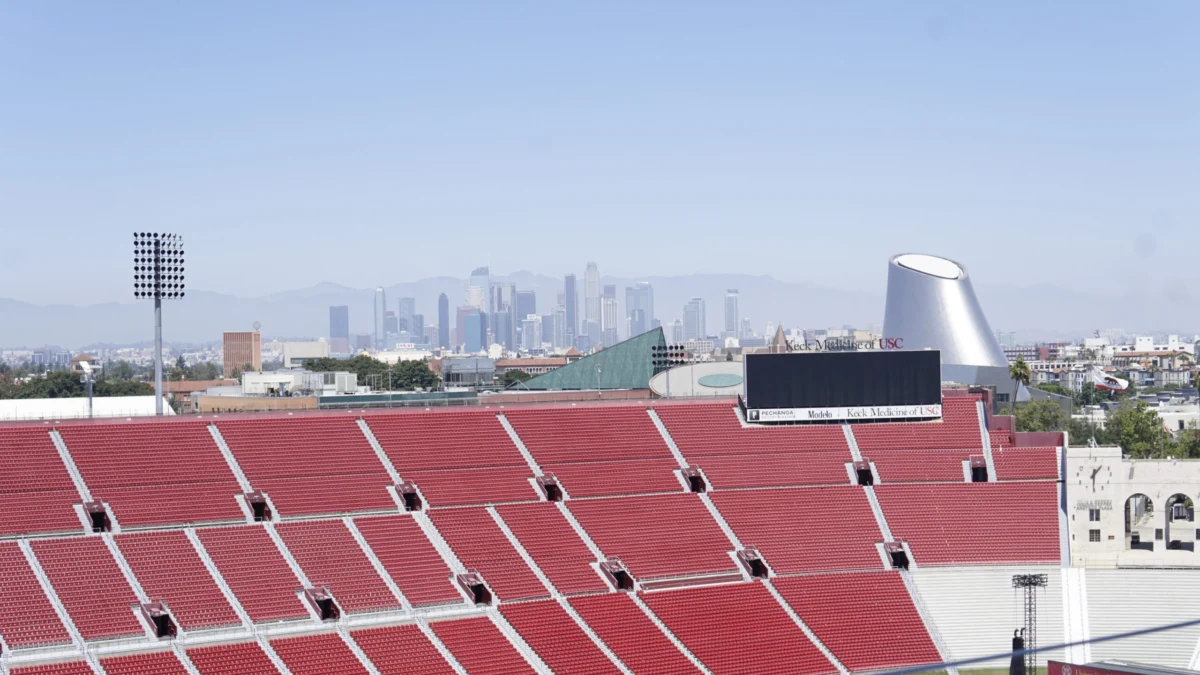
The organizers of LA 2028 have made bold commitments that distinguish them from their predecessors. Their "No New Venues" policy is a cornerstone of their sustainability strategy. By relying exclusively on existing, iconic landmarks and temporary structures, the committee aims to minimize the carbon-intensive construction projects that have plagued previous Olympic host cities. Furthermore, organizers have pledged to implement a "car-free" mandate for spectators, leveraging Los Angeles’ evolving public transit infrastructure to move millions of fans without the traditional gridlock associated with such massive events.
Chronology: The Road to 2028
The timeline of Los Angeles’ preparation is a study in crisis management and strategic adaptation:
- 2017: The International Olympic Committee (IOC) officially awards the 2028 Games to Los Angeles, citing the city’s abundance of existing infrastructure.
- 2023-2025: A period defined by record-breaking heatwaves and significant wildfire activity in the Los Angeles Basin, shifting the focus of urban planning toward climate adaptation and disaster recovery.
- 2026 (June 23): The "London Climate Action Week" webinar serves as a global touchpoint to evaluate whether LA’s sustainability pledges are keeping pace with evolving climate projections.
- 2027: The final phase of venue readiness and the stress-testing of transportation networks.
- July 2028: The Opening Ceremony, which will serve as the litmus test for the city’s ability to host a "resilient" Olympics.
Supporting Data: The Climate Context
The necessity for a shift in Olympic strategy is backed by sobering data. According to climate scientists, the frequency of "extreme heat days" in Southern California has increased by nearly 30% over the last two decades. For a summer event, the thermal load on athletes and spectators is a significant health concern.
Furthermore, the "carbon footprint" of mega-events is historically staggering. Past Games have frequently resulted in massive, underutilized infrastructure projects—often called "white elephants"—that continue to emit carbon through maintenance and energy consumption long after the closing ceremony. LA 2028’s commitment to utilizing existing venues is not merely an aesthetic choice; it is an attempt to avoid the "embodied carbon" associated with new steel and concrete construction.
Data from the Sustainable Sport Index suggests that transportation accounts for approximately 60-70% of the total carbon emissions of the Olympic Games. By mandating public transit usage, LA 2028 is attempting to tackle the single largest contributor to the event’s environmental impact. However, analysts warn that the city’s aging transit system must undergo a significant performance boost to handle the influx of millions of international visitors.
Official Responses and Strategic Vision
The LA 2028 Organizing Committee has maintained a consistent narrative: the Olympics should be a catalyst for long-term urban improvement rather than a fleeting spectacle. In recent press statements, officials have emphasized that the "LA 2028 model" is designed to be a template for future host cities, particularly those in the Global South that may be more resource-constrained.
"We are not just hosting a competition; we are hosting a conversation about the future of urban living," noted one committee spokesperson. "The wildfire recovery efforts have taught us that we cannot separate sporting infrastructure from urban resilience. Every stadium renovation is also an opportunity to improve energy efficiency, water capture, and disaster-ready transit hubs."
Critics, however, remain skeptical. Environmental advocacy groups have questioned whether "temporary venues" are truly sustainable if they require massive energy inputs for cooling or high-intensity logistics for setup and teardown. The debate remains centered on whether these measures are merely performative or if they represent a genuine systemic change in how the world consumes mega-events.
Implications: A New Era for Mega-Events
The implications of the 2028 Games reach far beyond the borders of California. If LA succeeds in hosting a carbon-neutral or carbon-positive event, it may create a new mandate for the IOC. Future host cities may find it impossible to secure the Games without adhering to strict "circular economy" principles, such as utilizing existing venues, implementing zero-waste policies, and integrating climate-resilient transit.
Conversely, if the Games struggle with the pressures of extreme weather, transport bottlenecks, or the environmental cost of the massive logistical chain, it may signal the beginning of the end for the traditional Olympic model. The world is watching, not just for the gold medals, but to see if human ingenuity can balance the desire for global unity with the absolute necessity of planetary health.
Deep Dive: The Urban Policy Intersection
The most significant long-term impact of LA 2028 may be the acceleration of the "2028 Mobility Plan." For decades, Los Angeles has been synonymous with car culture. The Olympic-mandated shift to public transit is forcing the city to fast-track projects that would otherwise have taken decades to materialize. This has profound implications for air quality, noise pollution, and the general quality of life for residents, independent of the Games themselves.
However, the "wildfire recovery" component of this narrative is equally critical. The integration of "green corridors" into the Olympic route planning is designed to double as fire-break zones and heat-mitigation areas. This proactive urban planning suggests that the Olympics are being used as a lever to force bureaucratic progress on climate adaptation that might otherwise stall under political gridlock.
Conclusion: The June 23 Webinar
As we approach the webinar on June 23, 2026, the global community is invited to engage with these complex issues. The discussion will not only feature urban planners and environmentalists but will also look at the role of the media in framing the climate narrative during the Games.
Will the Olympics continue to be a stage for athletic prowess alone, or will the backdrop of a changing climate become the defining story of the 21st century? Can Los Angeles, a city defined by its cinematic history, rewrite the script for the world’s largest gathering? The answers to these questions will resonate far beyond 2028, setting the tone for how humanity gathers, competes, and survives in an era of unprecedented environmental transition.
For those interested in participating, the upcoming webinar offers a rare opportunity to hear directly from the experts tasked with navigating the thin line between celebration and conservation. The stage is set; the challenge is defined. Whether LA 2028 becomes a beacon of resilience or a cautionary tale remains to be seen, but one thing is certain: the world will be watching with more than just sports in mind.
For further details on the webinar and to participate in the conversation, stakeholders and interested parties are encouraged to register through the official London Climate Action Week portal. The session will feature a comprehensive Q&A, allowing attendees to address the organizers directly regarding the logistical and environmental hurdles facing the upcoming Games.
