
Introduction: A Strategic Alliance for a Warming Planet
In an era defined by the dual pressures of geopolitical recalibration and the existential threat of climate change, the relationship between India—the world’s most populous nation and a burgeoning clean energy hub—and Germany—Europe’s industrial powerhouse—has never been more critical. As both nations pivot toward a carbon-neutral future, they have increasingly aligned their strategic interests around green technology, the mobility of skilled labor, and the secure supply of critical minerals.
To illuminate the complexities of this transition, Clean Energy Wire (CLEW) and The Migration Story, in collaboration with the Heinrich Böll Foundation, have launched an ambitious climate and energy journalism programme. While the application window for the inaugural cohort has recently closed, the initiative underscores a growing recognition that climate reporting cannot remain siloed within national borders. By pairing fourteen journalists—seven from India and seven from Germany—the programme aims to foster a collaborative investigative ecosystem capable of tracing the tangible impacts of policy decisions from the solar farms of Rajasthan to the wind parks of the North Sea.
Main Facts: The Anatomy of the Programme
The initiative is designed to move beyond traditional "parachute journalism," where reporters briefly visit a foreign country to cover a story. Instead, it emphasizes sustained intellectual exchange and deep-rooted collaboration.
- Target Demographic: Professional journalists currently based in India and Germany.
- Core Structure: The programme combines rigorous online training modules with hands-on, cross-border reporting.
- The Goal: To facilitate deep-dive reporting on the Indo-German climate partnership, specifically focusing on the intersection of green technology, labor migration, and the geopolitics of energy.
- Financial Support: Participants are eligible for cross-border reporting grants, enabling them to pursue investigative projects that require international cooperation.
- Collaborators: Clean Energy Wire (CLEW), The Migration Story, and the Heinrich Böll Foundation.
The programme recognizes that the green transition is not merely a technical challenge but a socio-economic one. Whether it is the export of German renewable energy expertise to the Indian market or the training of Indian skilled workers to support Germany’s energy transition, the narratives are intrinsically linked.
Chronology: A Relationship in Flux
The intensifying partnership between New Delhi and Berlin did not emerge in a vacuum; it is the culmination of years of diplomatic maneuvering and economic necessity.
The Foundation (2015–2021)
The partnership began to take a more formal shape following the Paris Agreement. Both nations realized that their domestic energy goals—Germany’s Energiewende (energy transition) and India’s massive push for solar and wind capacity—shared similar technological hurdles and financing needs.
The Acceleration (2022–2025)
Following the energy security crisis sparked by the war in Ukraine, Germany accelerated its search for reliable, democratic energy partners. Simultaneously, India’s G20 presidency in 2023 highlighted its role as a leader of the "Global South," emphasizing the need for equitable climate financing.
The 2026 Milestone
In January 2026, German Chancellor Olaf Scholz visited India, marking a definitive pivot toward a "Green and Sustainable Development Partnership." This visit was not merely ceremonial; it served as a catalyst for bilateral agreements on green hydrogen, critical minerals, and the mutual recognition of vocational qualifications. It was within this climate of heightened cooperation that the impetus for the CLEW and The Migration Story journalism initiative was solidified.
Supporting Data: The Scale of the Transition
To understand the necessity of this journalistic collaboration, one must look at the data driving the policy shifts in both nations.
India’s Solar Expansion
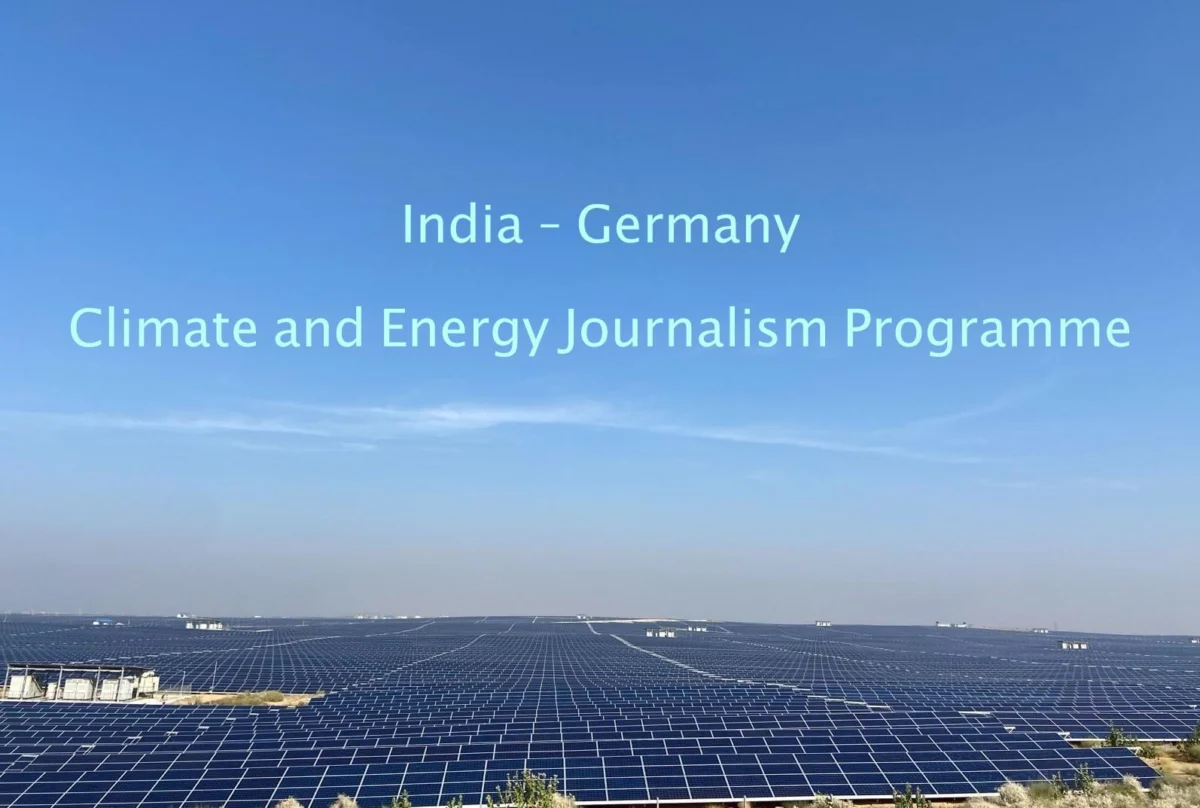
India is currently home to some of the world’s most significant renewable infrastructure. The Bhadla Solar Park in Rajasthan, for instance, stands as a testament to the country’s ambition. Spanning over 14,000 acres, it represents a massive leap in utility-scale solar capacity. However, as the industry scales, India faces the "trilemma" of energy security, affordability, and sustainability.
Germany’s Industrial Pivot
Germany remains the engine of the European economy, but its reliance on high-energy industrial processes presents a massive decarbonization challenge. The country aims to be climate-neutral by 2045. To reach this, Germany needs:
- Critical Minerals: Lithium, cobalt, and rare earth elements necessary for battery storage and EV production.
- Skilled Labor: A demographic shortfall in Germany is being addressed through labor mobility agreements with India, particularly in engineering and green-tech sectors.
Comparative Metrics
| Metric | India | Germany |
|---|---|---|
| Renewable Energy Target | 500 GW (Non-fossil by 2030) | 80% of electricity from renewables by 2030 |
| Primary Challenge | Financing & Grid Integration | Decarbonizing heavy industry |
| Collaborative Focus | Green Hydrogen & Solar | Tech Transfer & Vocational Training |
Official Responses: Aligning Interests
The partnership is supported by high-level diplomatic consensus, though the implementation remains a subject of intense public and media scrutiny.
"The cooperation between India and Germany is not just about trade; it is about the future of the planet," a spokesperson for the Heinrich Böll Foundation noted during the launch phase of the project. "Journalists act as the bridge between high-level policy and the lived reality of citizens in both countries. By fostering this dialogue, we ensure that the green transition is inclusive and transparent."
Government officials from both the German Ministry for Economic Affairs and Climate Action and India’s Ministry of New and Renewable Energy have consistently emphasized that the "Green and Sustainable Development Partnership" is a cornerstone of the two nations’ foreign policy. The emphasis has shifted from simple development aid to a "partnership of equals," focusing on innovation, intellectual property sharing, and shared market standards.
Implications: The Role of the Media
The launch of this programme comes at a time when the role of the press is under unprecedented pressure. Misinformation regarding climate policies and the polarizing nature of "green" debates require a new generation of reporters who can decipher technical jargon and hold governments accountable.
Why Cross-Border Reporting Matters
- Contextual Accuracy: By working together, Indian and German journalists can debunk myths about "green colonialism" or "western imposition," and instead highlight how technologies are adapted to local environments.
- Tracking Accountability: When money is promised for climate projects, the press must track where it goes. Cross-border teams are better equipped to follow the supply chains of critical minerals from Indian extraction sites to German manufacturing hubs.
- Humanizing the Policy: The energy transition often feels like a top-down mandate. Reporting on the workers who are migrating between the two countries to build the infrastructure provides a human face to complex macroeconomic shifts.
The Challenges Ahead
The primary challenge for the participants will be bridging the cultural and linguistic divides in newsroom practices. German journalistic traditions often emphasize structural analysis and deep research, while the Indian media landscape is characterized by its high-paced, highly competitive, and diverse nature. Integrating these approaches into a single, cohesive narrative will be the true test of the programme’s success.
Conclusion: A New Blueprint for Global Reporting
As the world grapples with the accelerating consequences of climate change, the Indo-German partnership serves as a microcosm for a broader global shift. If these two diverse democracies can successfully align their energy trajectories, it provides a blueprint for how other nations might follow.
The initiative by Clean Energy Wire, The Migration Story, and the Heinrich Böll Foundation is more than just a training programme; it is an experiment in collective journalism. By breaking down the walls of national media, these fourteen journalists will not only document the green transition but will actively contribute to the transparency and accountability required for its success.
As we look toward 2026 and beyond, the reporting produced by this cohort will likely shape the public discourse on what it means to be a "green partner" in the 21st century. The solar farms of Rajasthan and the industrial hubs of Germany may be thousands of miles apart, but through the lens of this collaboration, they are closer than ever. The stories that emerge from this partnership will define the standard for cross-border climate reporting for years to come.
