


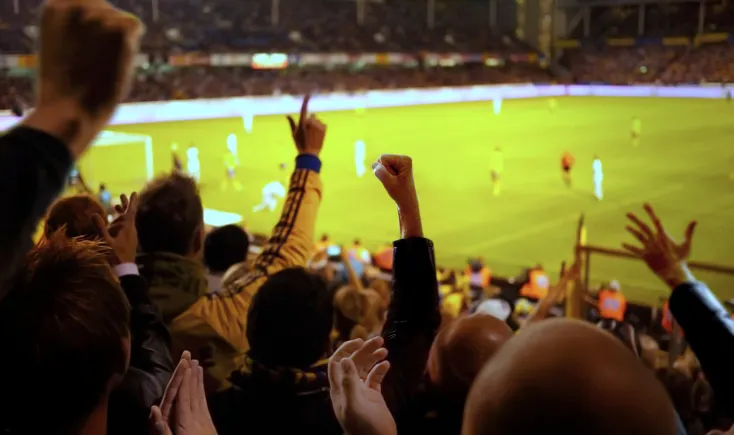
The world’s attention during a mega-event like the FIFA World Cup is naturally drawn to the shimmering steel and concrete of the stadiums. Yet, for the hundreds of thousands of international visitors descending upon a host nation, the “event experience” begins long before they pass through a turnstile. It begins at the airport, continues in the hotel lobby of a neighboring suburb, and unfolds across the sidewalks of regional downtowns.
For local governments, the arrival of a global spectacle is not merely a logistical challenge—it is a branding exercise played out in real-time. As fans spill out from host cities into surrounding communities in search of lodging, dining, and cultural immersion, the distinction between a “host city” and its neighbors dissolves. For the visitor, the experience is monolithic. Whether they are walking down a street in the heart of a metropolis or a quiet, neighboring township, their perception of the region is defined by the quality of the public realm.
The Invisible Foundation of Guest Experience
When visitors navigate a region, they rarely consciously analyze the technical specifications of a city’s infrastructure. They do not leave a town raving about the efficiency of a municipal power grid or the specific wattage of LED street lighting. Instead, they leave with a feeling. They remember the ease of finding a parking space, the sense of security provided by well-lit walkways at midnight, the cleanliness of a public park, and the seamless transition between public transit and pedestrian plazas.
This “invisible infrastructure” is the unsung hero of the visitor economy. It is the connective tissue that dictates whether a traveler feels welcomed or alienated. When a community invests in its physical assets—modernizing its streetscapes, ensuring public spaces are accessible, and maintaining a robust utility network—it is effectively setting the stage for every human interaction that occurs within its borders.
The Anatomy of an Impression
Research consistently confirms that the perception of a destination is a composite of tangible attributes. According to recent tourism studies, visitors evaluate destinations based on a mix of factors including safety, mobility, the quality of dining environments, and the overall aesthetic appeal of the built environment.
When these elements are misaligned—such as poor signage, disjointed public spaces, or dilapidated infrastructure—it creates friction. Friction leads to frustration, and frustration leads to a negative impression. Conversely, when infrastructure is thoughtfully planned, it facilitates a “frictionless” experience that allows the local culture, businesses, and hospitality to shine.
Chronology of Community Transformation
The evolution of a community from a passive location to a premier visitor destination is rarely an overnight transformation. It is a long-term strategic cycle that often follows a distinct trajectory:
- The Assessment Phase: Forward-thinking municipalities begin by auditing their existing infrastructure against their long-term economic development goals. This involves identifying “pain points”—areas where dated utilities, poor lighting, or inaccessible public facilities dampen the resident and visitor experience.
- The Strategic Investment Phase: Rather than reacting to the immediate demands of a single event, successful communities integrate these improvements into their master plans. In Vandalia, Ohio, for example, the city partnered with Energy Systems Group (ESG) to implement a long-term modernization plan. This move was not just about maintaining assets; it was about positioning the city as a viable, attractive location for future growth and investment.
- The Operational Realignment: Once upgrades are in place, the focus shifts to maintenance and smart-city integration. This includes using data to monitor utility usage, optimizing traffic flow, and ensuring that public buildings remain energy-efficient and welcoming.
- The Spotlight Moment: When a major event—like the World Cup—arrives, the community is not scrambling to patch over systemic failures. Instead, it is operating at a peak performance level, ready to absorb the influx of visitors without compromising the quality of life for its residents.
- The Legacy Phase: After the crowds dissipate, the community is left with permanent infrastructure upgrades that continue to pay dividends, fostering repeat tourism and attracting new businesses that want to operate in a well-managed, thriving environment.
Supporting Data: Why Investment Matters
The economic implications of these infrastructure improvements are supported by clear data. A 2023 study on urban development suggests that communities that prioritize “visitor-readiness” see a measurable uptick in return tourism. The data points are compelling:
- Economic Multipliers: For every dollar spent on improving the public realm, there is a significant ripple effect in local retail and hospitality spending. Visitors who feel comfortable and safe in a downtown district are statistically more likely to spend more time—and money—in local shops.
- The “Resident-First” Benefit: Data shows that the same infrastructure improvements that attract tourists—such as upgraded parks, better street lighting, and improved walkability—directly correlate with higher resident satisfaction scores and property value stability.
- Business Attraction: Corporate decision-makers cite “quality of place” as a top factor when choosing where to relocate or expand. A town that invests in itself signals to the global market that it is stable, forward-thinking, and prepared for future growth.
Official Perspectives: Shifting the Paradigm
Government leaders are increasingly shifting their rhetoric from “cost-cutting” to “strategic investment.” The traditional municipal approach of viewing infrastructure solely as a liability to be maintained is being replaced by the understanding that infrastructure is a competitive asset.
In various forums, urban planners and municipal officials have noted that the “World Cup effect” is a catalyst, not a destination. “We are not building for the matches,” said one representative from a participating regional planning commission. “We are building for the next thirty years. The World Cup just happens to be the deadline that forces us to move faster.”
This shift in perspective is crucial. By framing infrastructure projects as investments in both the visitor economy and the resident quality of life, local governments can garner broader public support. It removes the “us versus them” mentality that often arises when tax dollars are used to host events, instead positioning these projects as permanent improvements to the community’s standard of living.
The Intersection of Public and Private Interests
The modernization of public spaces often requires a synergy between local government and private sector expertise. The complexities of modernizing aging infrastructure—such as integrating smart energy systems or retrofitting historic districts for modern accessibility—often require specialized knowledge that goes beyond standard municipal capabilities.
Partnerships, such as those with firms like ESG, allow cities to bridge the gap between their vision and their technical capacity. By leveraging these partnerships, communities can implement complex energy-saving measures and infrastructure upgrades that would otherwise be budget-prohibitive. These collaborations ensure that the community is not only aesthetically pleasing but also fiscally and operationally sustainable.
Implications for the Future: A Lasting Legacy
The true measure of a community’s success during a global event is not found in the number of tourists who visited, but in the state of the community the day after the event concludes. When the spotlight fades, the infrastructure remains.
If that infrastructure was designed with a long-term vision, the community will emerge from the experience stronger. The roads will be more navigable, the public spaces more vibrant, and the utility systems more reliable. This is the definition of a successful legacy.
Building for Tomorrow
Communities that fail to look past the immediate demands of a major event often find themselves dealing with the “hangover” of rushed, temporary fixes. These communities return to a state of disrepair once the visitors leave, having missed a golden opportunity to catalyze permanent change.
In contrast, the communities that succeed are those that treat every event as a dress rehearsal for their future. They understand that every interaction a visitor has—whether it’s a quick stop for coffee or a weekend stay in a local hotel—is a data point in the community’s reputation.
As the world continues to shrink through global connectivity, the competition for talent, business, and tourism will only intensify. The cities that thrive will not necessarily be the ones with the largest budgets or the most famous landmarks. They will be the ones that have mastered the art of being a “place where people want to be.”
By focusing on the fundamentals—safety, accessibility, cleanliness, and thoughtful design—local governments can transform their communities into destinations that are as impressive to the residents who live there year-round as they are to the visitors who pass through for a moment in the spotlight. The question for local leaders is no longer about whether they will have a moment to shine; it is about how they will prepare to ensure that when the world looks at them, they like what they see.
