




By Editorial Staff
Published July 21, 2026
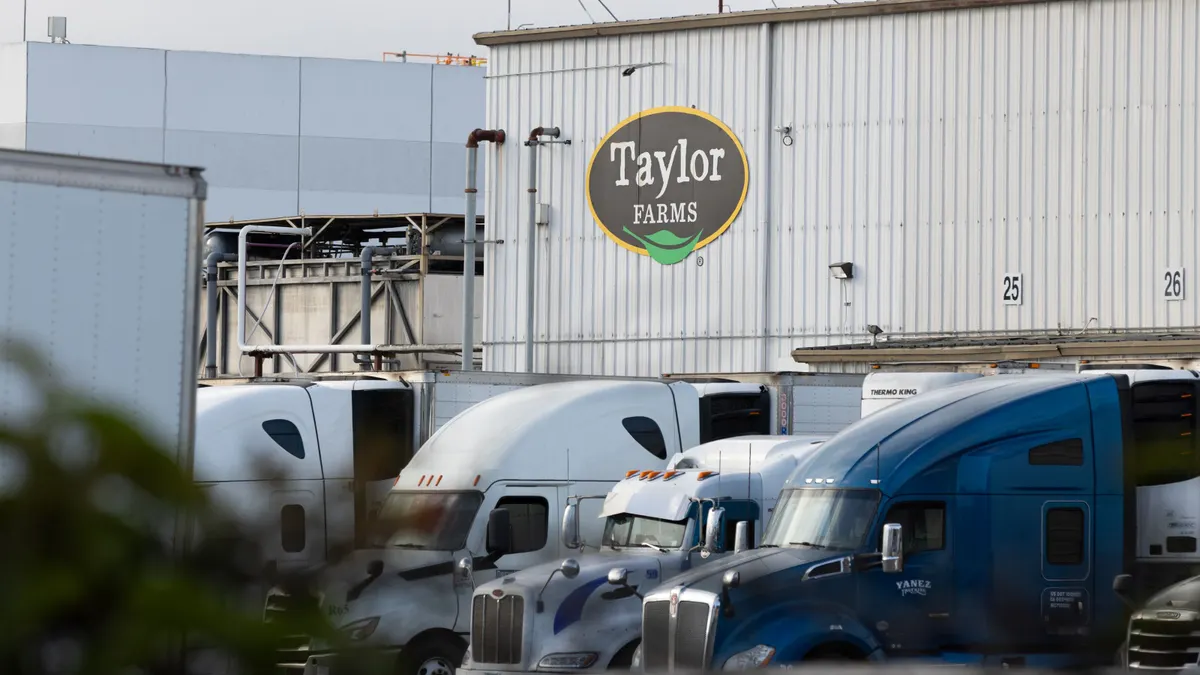
The U.S. food safety landscape faced a turbulent weekend as the Food and Drug Administration (FDA) issued a critical correction regarding the ongoing investigation into a widespread cyclosporiasis outbreak. The agency, which had previously identified a specific sample of lettuce from Taylor Farms de Mexico as a vector for the parasite Cyclospora cayetanensis, announced on Sunday that the initial finding was a "false positive."
Despite this scientific pivot, the crisis remains far from resolved. Taylor Farms de Mexico, a critical supplier for major national retailers and quick-service restaurant chains, remains at the center of a federal investigation that has already triggered mass recalls and disrupted supply chains across the Midwest.
The Chronology of an Evolving Investigation
The investigation into the multi-state outbreak has been fast-moving, involving complex laboratory testing and cross-agency coordination.
- Mid-July 2026: Public health officials in Indiana, Kentucky, Michigan, Ohio, and West Virginia began reporting a spike in cyclosporiasis cases. Symptoms of the infection—a parasitic illness caused by microscopic organisms—include severe diarrhea, stomach cramps, nausea, and fatigue.
- July 15–17, 2026: The FDA and the Centers for Disease Control and Prevention (CDC) trace the source of the outbreak to iceberg lettuce consumed by patients, specifically pointing toward product sourced from central Mexico.
- July 18, 2026: Taco Bell issues a statement confirming that it has removed all Taylor Farms lettuce from its U.S. restaurants as a precautionary measure, following the FDA’s initial link between the supplier and the illness.
- July 19, 2026: Taylor Farms voluntarily recalls all iceberg lettuce harvested in central Mexico. The company also announces it will cease sourcing from the region for the remainder of the season.
- July 20, 2026: The FDA formally issues a correction, stating that the sample previously thought to contain the parasite was, in fact, a false positive.
- July 21, 2026: The investigation continues, with the FDA emphasizing that while the specific sample was a false positive, the epidemiological evidence linking the company’s supply chain to the illness remains the primary focus of the probe.
The Science of the "False Positive"
The detection of Cyclospora is notoriously difficult, even for the most advanced government laboratories. Unlike bacteria such as E. coli or Salmonella, which can be grown in culture, Cyclospora is a coccidian protozoan that does not grow in standard culture media. Detection relies on molecular methods, such as Polymerase Chain Reaction (PCR) and microscopic examination of stool or food samples.
In its statement, the FDA noted that the complexity of detecting the parasite led to a misinterpretation of laboratory data. "FDA laboratory experts re-reviewed the sample results and have concluded that the finding does not represent true amplification and should be considered a false positive," the agency stated.
While the retraction provides a momentary reprieve for the scientific validity of the specific sample, it does not clear the supplier of the broader epidemiological evidence. In outbreak investigations, "traceback" data—which tracks the distribution of food from the farm to the retail or restaurant point of service—often holds as much weight as environmental sampling.
Implications for Major Retailers and Chains
The ripple effects of this outbreak have been felt far beyond the agricultural fields of central Mexico. Because Taylor Farms serves as a massive supply chain partner for household names, the impact on inventory and consumer trust has been significant.
The Taco Bell Connection
Taco Bell’s decision to preemptively pull all iceberg lettuce from its supply chain was a significant move in corporate risk management. With over 7,000 locations in the U.S., the logistical undertaking of purging a core ingredient is immense. The company, which is owned by Yum! Brands, acted in coordination with the FDA to protect its customers, even before the link was fully solidified by regulatory findings.
Walmart and Private Labels
Taylor Farms is a major producer of private-label shredded lettuce and bagged salad kits sold at retailers including Walmart. The company confirmed that while its own brand-name products were not part of the recall, the private-label goods it manufactured for other retailers were subject to the voluntary recall. This distinction underscores the complexity of modern food supply chains, where a single processing facility may pack identical products for multiple competing brands.

Official Responses and Public Health Guidance
The FDA and CDC continue to urge consumers to remain vigilant, particularly those residing in the five states most heavily affected: Indiana, Kentucky, Michigan, Ohio, and West Virginia.
"Consumers who have purchased iceberg lettuce from central Mexico, or who are unsure of the origin of their lettuce, should err on the side of caution," said a spokesperson for the public health department in one of the affected states. "The retraction of a single laboratory sample does not change the fact that we have 1,600 people who have fallen ill."
The FDA is currently conducting an "on-site" investigation at the Taylor Farms de Mexico facilities to determine if there were lapses in sanitation, irrigation, or handling that could have led to the contamination of the lettuce, even if the initial sample was misinterpreted.
Economic and Agricultural Impact
The decision by Taylor Farms to stop sourcing from central Mexico for the remainder of the season is a drastic measure that will have long-term economic consequences for the region’s agricultural sector. Growers in this region rely on contracts with major North American processors to sustain their operations. A sudden termination of these contracts, combined with the reputational damage of being linked to a major foodborne illness outbreak, could lead to financial instability for local farmers.
Conversely, the move is seen by industry analysts as a necessary step to restore confidence. By cutting off the supply chain at the source, Taylor Farms is attempting to mitigate further risk while investigators work to identify the root cause of the environmental contamination.

The Future of Food Traceability
This incident highlights a growing call for enhanced traceability in the fresh produce industry. As it stands, tracing a bag of shredded lettuce back to a specific plot of land in Mexico involves a labyrinth of logistics companies, distributors, and processing plants.
Industry experts suggest that the "false positive" incident is a reminder that while modern testing is powerful, it is not infallible. The reliance on epidemiological data—patient interviews, meal histories, and purchase logs—remains the gold standard for identifying outbreaks, even when lab results initially seem definitive.
For the consumer, the guidance remains consistent: wash fresh produce thoroughly, keep refrigerated items at the correct temperature, and stay informed via official government channels. For the industry, this incident serves as a stark warning: in the age of global supply chains, the cost of a single safety failure—real or perceived—can be measured in both human health and millions of dollars in lost commerce.
As the FDA continues its deep-dive investigation, the food industry remains on high alert. Further updates are expected as the agency processes additional environmental samples and completes its on-site audit of the Taylor Farms facilities. For now, the "false positive" serves as a footnote in an ongoing, high-stakes investigation that continues to challenge the limits of food safety technology.
