





Executive Summary: A New Era of Organized Crime
The landscape of global criminality has undergone a seismic shift, evolving from fragmented, local gangs into a sophisticated, interconnected "criminal ecosystem." A landmark report issued this week by the United Nations Office on Drugs and Crime (UNODC), titled An Interconnected Criminal Ecosystem: Transnational Organized Crime Threat Assessment for South-East Asia, warns that the region has become the epicenter of a multi-billion dollar, high-tech industrial machine.
These syndicates are no longer operating as disparate entities; they have adopted a corporate franchise model. By centralizing infrastructure and outsourcing specialized functions—such as money laundering, software development, and human trafficking—these groups have created an agile, resilient network that is currently outstripping the enforcement capabilities of regional and international authorities. The UN’s warning serves as a clarion call to the international community: the current fragmented, nation-state-centric approach to law enforcement is failing to contain a threat that recognizes no borders and exploits the digital age with unprecedented efficiency.
The Evolution of the Criminal Enterprise: A Chronology of Escalation
The transition of Southeast Asian organized crime from street-level operations to systemic transnational threats did not occur overnight. It is the result of a deliberate adaptation to digital disruption and regional instability.
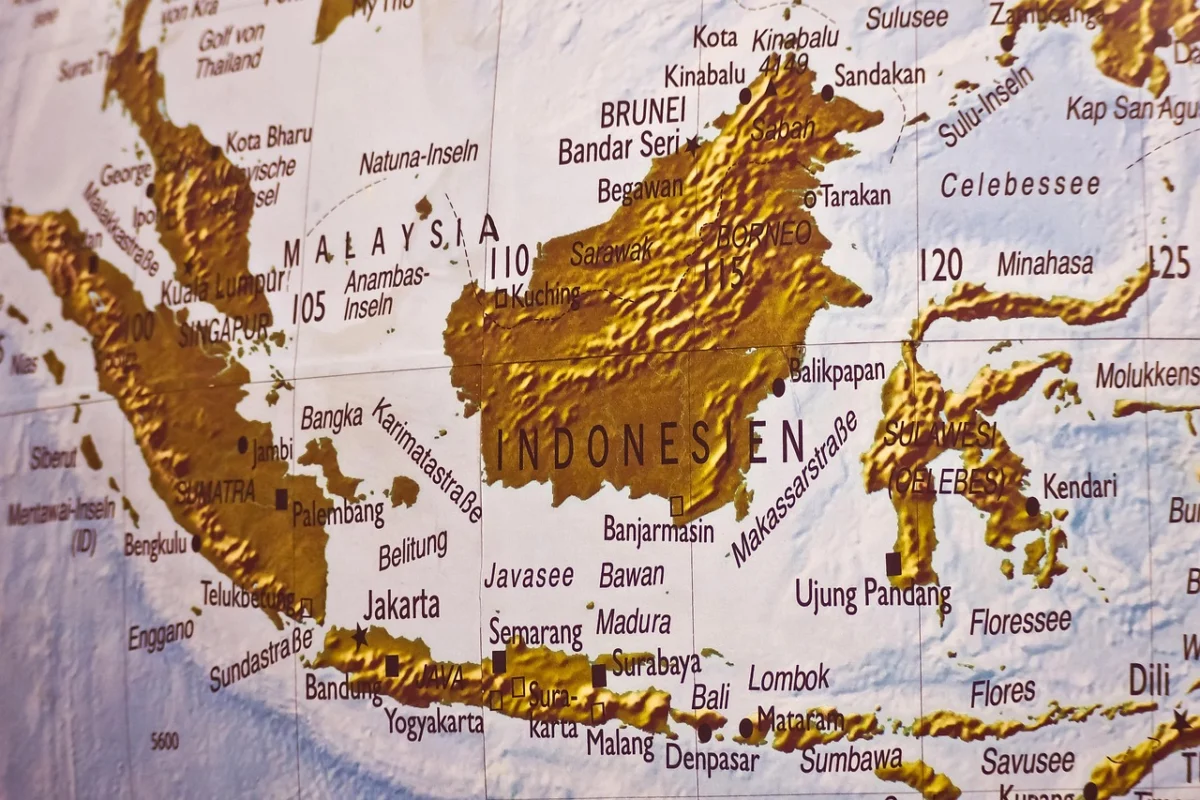
- Pre-2020: The Era of Traditional Trafficking: Historically, the region was defined by the "Golden Triangle" drug trade. Criminal activities were geographically tethered, relying on physical routes through the Sulu-Celebes Seas and clandestine border crossings to move narcotics and illicit goods.
- 2020–2022: The Pivot to Digital Scams: The COVID-19 pandemic acted as a catalyst. As physical borders closed, syndicates moved their operations online. The rise of the "scam compound"—massive, fortified facilities in Myanmar, Cambodia, and Laos—began, fueled by human trafficking victims forced into cyber-slavery.
- 2023–2024: The Corporate Consolidation: During this period, the UN noted the emergence of the "franchise model." Smaller criminal groups began paying for access to centralized services, such as encrypted communication platforms, AI-driven phishing kits, and money-laundering "services" managed by technical experts.
- 2025–2026: The AI and Cryptocurrency Integration: By 2025, the sophistication of these networks reached a critical mass. The integration of artificial intelligence, specifically deepfakes and automated malware, allowed for the scale of fraud to explode. Concurrently, the use of decentralized cryptocurrency mixers made the movement of illicit capital virtually untraceable, marking the current state of "industrialized" criminality.
Supporting Data: The Staggering Cost of the "Shadow Economy"
The sheer scale of the financial damage caused by these syndicates is difficult to quantify, but the UNODC’s 2026 assessment provides a sobering range. Estimates of losses from cyber-enabled fraud, illegal gambling, and cryptocurrency-related scams across East Asia, Southeast Asia, Australia, and New Zealand in 2025 alone fall between 8.3 billion and 114.1 billion USD.
The Mechanics of the Digital Scam
The report highlights three primary pillars of this illicit wealth generation:
- Cyber-Enabled Fraud: Using AI-generated deepfakes to impersonate authority figures, family members, or romantic partners, syndicates are extracting billions from unsuspecting victims globally.
- The Golden Triangle Resurgence: Despite the shift toward digital crime, traditional markets remain lucrative. The production and distribution of synthetic drugs continue to generate between 75 billion and 109.7 billion USD annually, serving markets as far-flung as Africa and Europe.
- Human Capital as Infrastructure: The "scam centers" are not merely offices; they are prisons. Thousands of victims are trafficked into these compounds, forced to work under the threat of violence, barbed wire, and armed guards. This model provides the cheap, scalable labor necessary to maintain 24/7 global scam operations.
Official Responses and the "Liquid" Nature of Syndicates
Lead UNODC analyst Inshik Sim provided a stark assessment during the report’s release: "The scale and complexity of this expanding organized crime economy are outpacing existing responses, which were not structured to address such sophisticated criminal activity."
The Failure of Traditional Enforcement
Attempts to dismantle these networks have often proven futile due to what officials describe as the "liquid nature" of the syndicates. When the US-led Scam Center Strike Force or bilateral task forces from China and Thailand initiate operations against a fortified compound, the syndicates rarely collapse. Instead, they leverage their immense cash reserves to relocate operations to smaller, more obscure jurisdictions.
Epicenters of this phenomenon, such as Poipet and Sihanoukville in Cambodia, have become symbolic of the state’s struggle to control its own territory. Despite state-level crackdowns and the passage of anti-trafficking laws, these cities continue to host casinos and compounds that facilitate human rights abuses, often with the tacit approval or corruption-fueled indifference of local officials.
Legal Frameworks: The Gap Between Paper and Reality
The international community has attempted to build a legal firewall against this growth through instruments such as:
- The ASEAN Convention Against Trafficking in Persons (ACTIP).
- The Melaka Declaration on Combatting Transnational Crime.
While these documents mandate intelligence sharing and cross-border cooperation, they are frequently undermined by enforcement gaps. Syndicates exploit the lack of standardized legal protocols between Southeast Asian nations, effectively playing jurisdictions against one another to evade prosecution.
Implications: A Global Security Crisis
The implications of this report are profound. The Southeast Asian criminal ecosystem is no longer a regional issue; it is a global threat to financial stability and human rights.
1. The Weaponization of AI
The use of artificial intelligence has moved beyond consumer utility to become a weapon of organized crime. Deepfake technology has eroded the "trust architecture" of online communication, making it nearly impossible for the average user to distinguish between a legitimate investment opportunity and a criminal trap. As these tools become more accessible on the dark web, the barrier to entry for lower-level criminals will continue to drop.
2. The Erosion of State Sovereignty
In areas like the Golden Triangle and specific Cambodian provinces, the power of these syndicates rivals that of the state. When criminal entities can command private security forces, manage their own currency, and operate outside the reach of local police, the very concept of national sovereignty is challenged. This "state-within-a-state" dynamic complicates diplomatic efforts, as foreign nations are hesitant to intervene in the internal affairs of their neighbors.
3. The Need for a New Paradigm
The UN report concludes with a series of urgent recommendations. The "business-as-usual" approach of sporadic police raids is insufficient. The UN calls for:
- Harmonized Financial Regulations: Stricter tracking of cryptocurrency flows and the closure of offshore accounts used for money laundering.
- Targeted Legal Frameworks: Moving beyond broad declarations to specific, enforceable mandates that hold corporations and local jurisdictions accountable for allowing scam compounds to operate.
- International Intelligence Fusion: Creating a permanent, multinational task force that integrates AI-monitoring capabilities to track the syndicates’ "corporate" movements in real-time.
As these syndicates continue to refine their "franchise" models, the international community stands at a crossroads. The choice is between allowing the further entrenchment of this digital criminal empire or committing to a radical, unified, and technology-driven enforcement strategy that matches the sophistication of the enemies it seeks to dismantle. The era of the criminal corporation has arrived, and it is proving to be a formidable opponent to the modern rule of law.
