





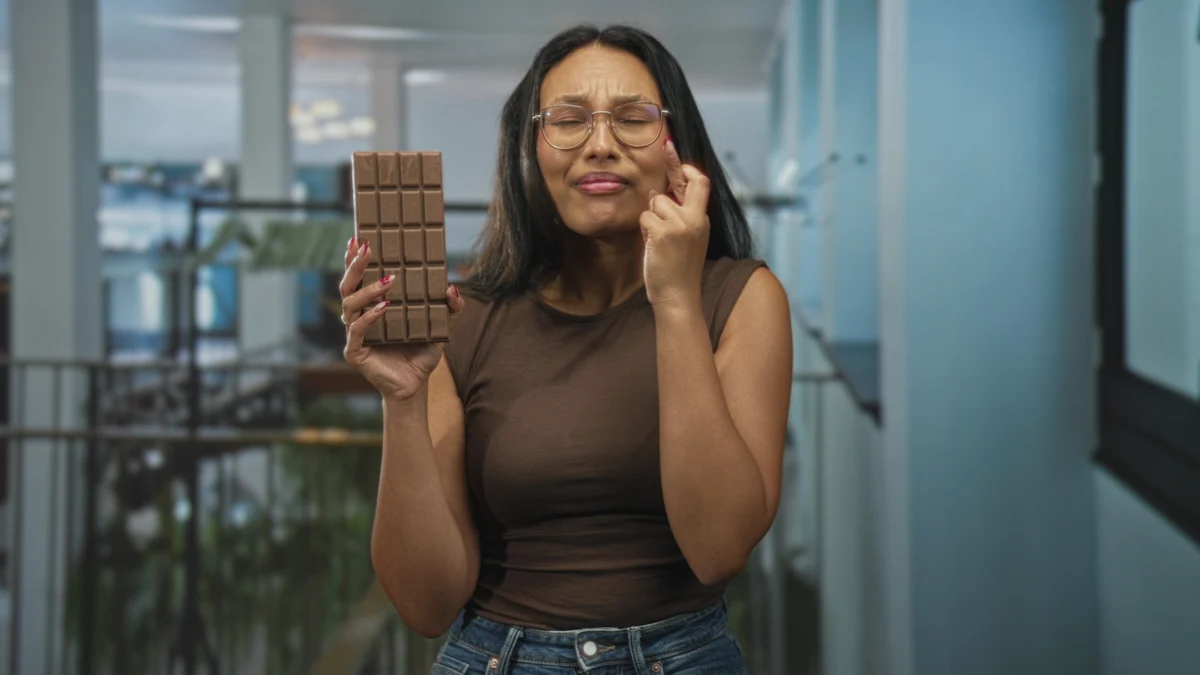
It is the kind of headline that fitness enthusiasts dream of: a way to improve athletic performance without consuming a single calorie, sweating extra, or enduring grueling dietary restrictions. Simply inhale the rich, intoxicating aroma of cocoa, and suddenly, those heavy squats feel lighter and your endurance reaches new heights.
A recent study published in Frontiers in Physiology has sent shockwaves through the health and wellness community, suggesting that the olfactory stimulation of chocolate can significantly enhance performance during high-intensity resistance training. But as the mainstream media rushes to embrace the "no-pain, all-gain" narrative, the scientific community is hitting the brakes. Is this a revolutionary psychobiological hack, or is it a classic case of experimental design failing to account for the basics of human perception?
The Promise: What the Study Claims
The research in question posits that the sensory experience of smelling chocolate triggers a psychobiological response that mitigates the perceived exertion of exercise. According to the study, participants who were exposed to the scent of chocolate during leg-day exercises—specifically movements like the leg press—reported lower rates of perceived exertion (RPE) and were capable of completing more repetitions compared to a control group.
The core argument is that the brain’s response to the scent of cocoa—a universally liked, comforting, and hedonically positive aroma—creates a "distraction" or a motivational uplift that overrides the physiological signals of fatigue sent by the muscles. The headlines were swift and sensational: "Sniff chocolate, do more reps without trying harder!" and "The secret to a better workout is in your pantry."
However, as an exercise scientist, I must urge a moment of professional skepticism. When a study offers a "magic bullet" that sounds too good to be true, the devil is almost always in the methodology.
Chronology of the "Chocolate Craze"
To understand how this claim gained such traction, we have to look at the timeline of the dissemination of the research:
- July 2026 (Early Month): The peer-reviewed paper is published in Frontiers in Physiology. The findings are framed around psychobiology and the potential for sensory inputs to modulate exercise performance.
- July 9, 2026: Frontiers releases a press statement highlighting the "easier" leg day, focusing on the potential for olfactory stimulation to aid athletes.
- Mid-July 2026: Medical and fitness news outlets pick up the story. The narrative shifts from "potential psychobiological modulation" to "do more reps without trying."
- Late July 2026: The scientific community begins to analyze the limitations of the study, specifically focusing on the "blinding" process—or the lack thereof—that may have introduced significant bias into the results.
The Core Problem: The Blinding Bias
In the world of clinical and sports science, the "gold standard" for research is the double-blind, randomized controlled trial. This design ensures that neither the participants nor the researchers know who is receiving the intervention (in this case, the smell of chocolate) and who is receiving a placebo.
The primary issue with the chocolate-sniffing study lies in the "blinding." How do you successfully hide the smell of chocolate from a human being? Unlike a pharmaceutical pill, which can be disguised as a sugar tablet, the scent of chocolate is highly distinct, potent, and impossible to ignore.
If a participant is asked to "sniff a scent" while working out, they will inevitably know if they are in the experimental group (chocolate) or the control group (no scent or a neutral scent). This creates a massive psychological variable: the Expectancy Effect.
If you tell a weightlifter, "We believe this smell will help you perform better," and then give them a smell they can clearly identify as chocolate, you are priming them for success. They believe they are being helped, so they push harder. This isn’t necessarily a physiological boost from the cocoa molecules themselves; it is a psychological response to a suggestion. When the blinding is weak or non-existent, the internal validity of the entire study collapses.
Supporting Data and the "Fishy" Results
Let us look closer at the physiological metrics reported. While the participants reported lower RPE, were there objective markers of reduced fatigue? Did their heart rates drop significantly? Did their blood lactate levels show a marked improvement?
Often, in studies involving sensory modulation, the objective physical markers tell a different story than the subjective reports. If a participant feels less tired but their performance output (wattage, force, velocity) remains the same, that is a psychological phenomenon, not a physiological enhancement.
Furthermore, the "smell of chocolate" is inherently linked to positive emotional states. In sports science, we know that mood can influence performance. However, is the smell of chocolate a repeatable, reliable performance enhancer? Or would the smell of anything a participant finds pleasant—vanilla, fresh-cut grass, or even a favorite perfume—have the same effect? The study failed to utilize a robust "active control" to determine if it was specifically the chocolate, or simply the act of smelling something pleasant, that provided the boost.
Official Responses and Peer Critique
The scientific community has been vocal in its critique. Dr. Elena Vance, a leading researcher in psychophysiology, noted: "The study is an interesting exploration of sensory inputs, but it fails to isolate the variable. By using a scent that is so culturally and emotionally charged, the researchers have effectively guaranteed a placebo effect. It tells us more about the power of the human mind to influence exertion than it does about the efficacy of chocolate as an ergogenic aid."
The journal Frontiers in Physiology has stood by the peer-review process, arguing that the study represents an early step in understanding how environmental stimuli can modulate exercise. However, many in the exercise science community argue that such findings should be presented as "exploratory" rather than definitive "performance hacks."
Implications for the Future of Fitness
What does this mean for the average gym-goer? First, it confirms something we have long known: the mind is the gatekeeper of physical performance. The "Central Governor Theory"—the idea that the brain limits our physical output to prevent catastrophic failure—is a legitimate field of study. We know that motivation, music, and social environment can all help us override these "safety" limits set by the brain.
If smelling chocolate makes you feel more motivated and helps you get through one extra set, there is no harm in it. It is a harmless, low-cost way to potentially improve your mood during a workout. However, you should not expect it to replace proper nutrition, adequate sleep, or structured training programs.
1. The Placebo Power
We must acknowledge that the placebo effect is a powerful tool. If an athlete believes a ritual—like sniffing chocolate—will improve their performance, they will often perform better. This is not "fake"; it is a genuine neurological shift in effort.
2. The Danger of Misinformation
The danger lies in the "magic bullet" culture. When headlines suggest that you can bypass the physiological requirements of training through simple sensory tricks, it undermines the value of hard work. The fitness industry is already rife with influencers selling supplements that don’t work; we do not need to add "olfactory doping" to the list of questionable trends.
3. The Need for Better Methodology
Future studies in this area need to move beyond simple scent identification. They need to use neutral, non-hedonic scents, and they must employ rigorous blinding procedures that involve sensory masking to ensure that the participant is truly unaware of whether they are receiving the intervention.
Final Verdict: Is It Science or Sugar-Coated Hype?
The study is a fascinating piece of research, but it is not a call to action to start bringing chocolate bars to the squat rack. The headlines that claimed you can "do more reps without trying" are gross exaggerations of a study that highlights the subjective nature of fatigue.
If you enjoy the smell of chocolate, go ahead and keep a bar in your gym bag. If it makes you smile, keeps you focused, and helps you enjoy your workout more, then it is a win for your mental health. But don’t expect it to change your physiology. The path to gains remains what it has always been: consistent effort, proper recovery, and a balanced diet.
Science will continue to explore the connection between our senses and our physical limits, but for now, the "chocolate-fueled workout" remains firmly in the category of interesting psychobiological trivia rather than established athletic science. Keep training, keep smelling whatever you like, but keep your expectations grounded in reality. The sweet scent of success is still, and likely always will be, the result of sweat, not just sniffing.
