




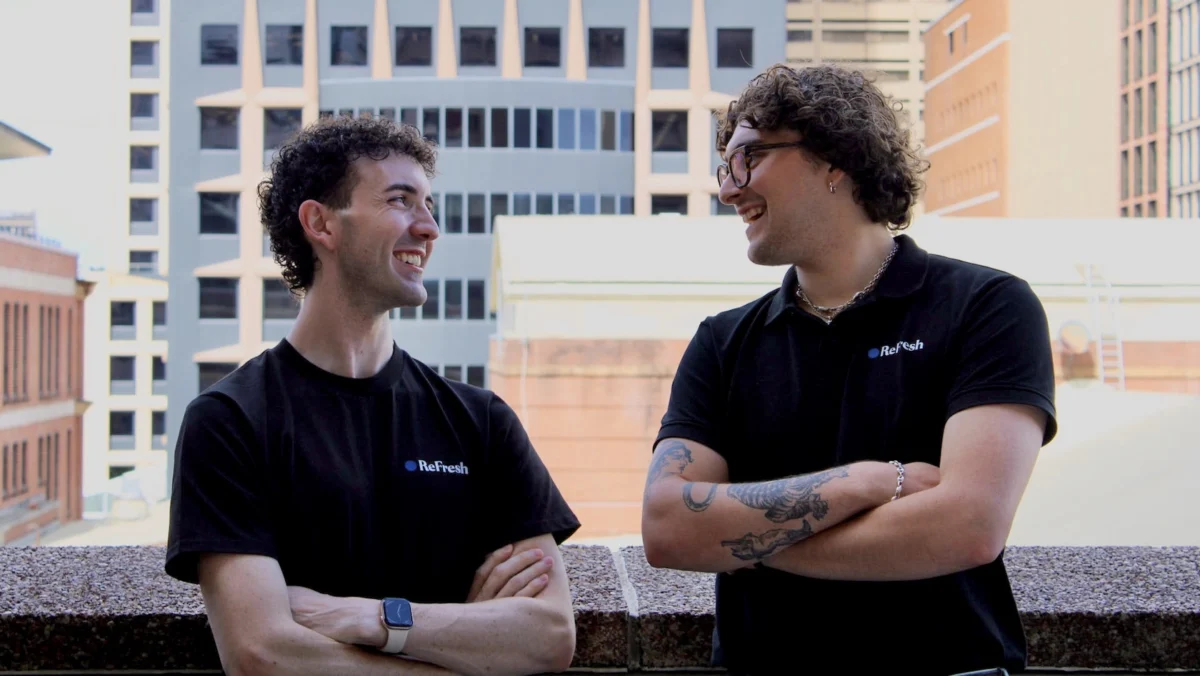
In a corporate landscape increasingly defined by regulatory scrutiny and a growing emphasis on employee mental health, a new player has emerged with a mandate to move beyond the "limp survey" approach to workplace wellbeing. ReFresh, a startup dedicated to modernizing psychosocial safety, has successfully closed a $2.5 million funding round, signaling a significant shift in how Australian enterprises approach the complex challenges of workplace culture and mental health.
The capital injection, led by Black Nova Venture Capital with robust follow-on support from Antler and Archangel Ventures, arrives at a critical juncture. As organizations scramble to meet evolving WHS (Work Health and Safety) regulations, ReFresh aims to replace outdated, periodic questionnaires with a more dynamic, data-driven methodology for identifying and mitigating psychosocial risks before they escalate into systemic crises.
The Evolution of Workplace Safety: From Compliance to Culture
For years, the gold standard for measuring psychosocial hazards—such as burnout, harassment, and workload stress—was the "People at Work" survey. Since 2020, this tool had become a cornerstone for approximately 5,000 organizations, reaching over 160,000 workers. It provided a baseline, albeit a static one, for businesses attempting to quantify the invisible pressures of the modern workplace.
However, the regulatory environment is moving faster than legacy tools can adapt. Safe Work Australia and various state regulators have signaled that the "People at Work" survey no longer aligns with the sophisticated requirements of contemporary labor laws. With the impending decommissioning of the platform, a vacuum has opened in the market—a vacuum that founders Taylor Laing and Harrison Kennedy are positioning ReFresh to fill.
Chronology: A Pacific-Spanning Foundation
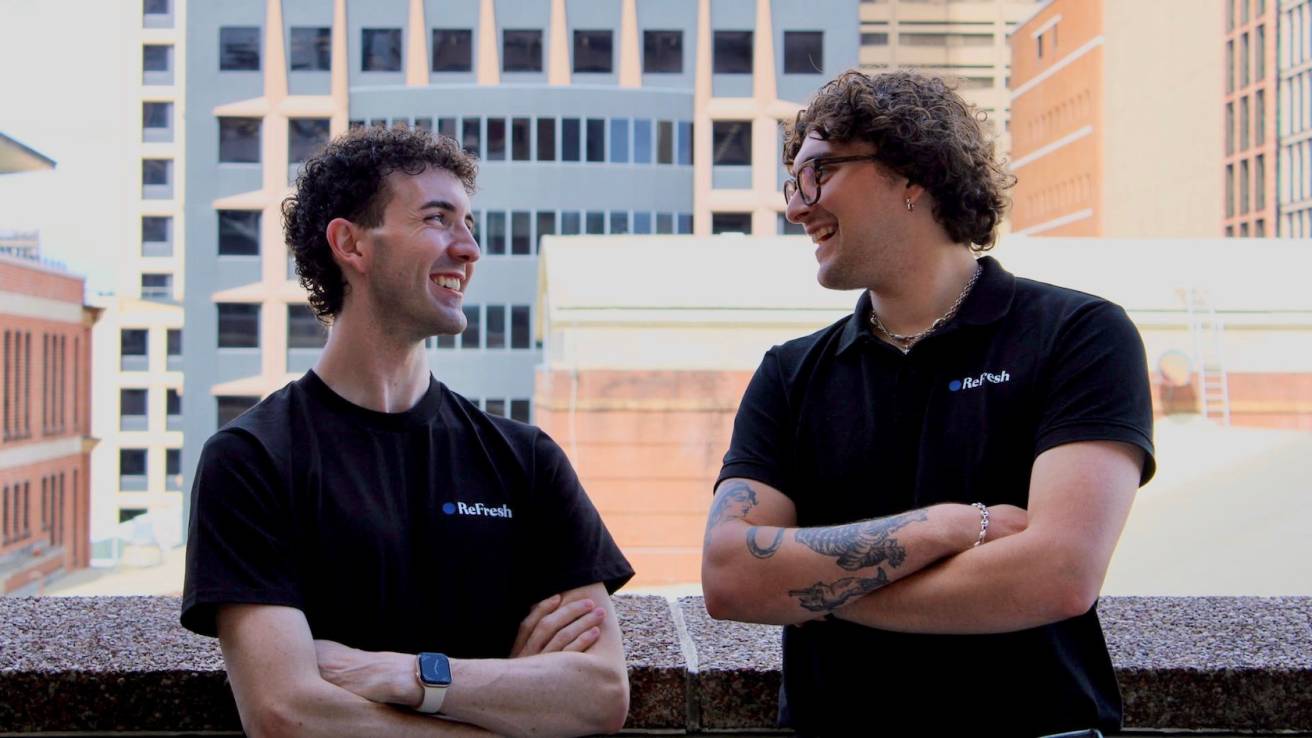
The genesis of ReFresh is a testament to the modern, distributed nature of startup formation. Founders Taylor Laing and Harrison Kennedy established the company in 2025, operating from opposite sides of the Pacific Ocean.
The partnership was sparked by a mutual connection, which recognized the complementary expertise the two brought to the table: Laing’s insight into the operational realities of corporate culture and Kennedy’s technological vision for scalable human-centric software. Despite the geographical distance, the duo spent their formative months mapping the friction points between current WHS compliance requirements and the lived experiences of employees.
By late 2025, the pair had moved beyond the conceptual phase, refining their proprietary methodology. The successful $2.5 million seed round is the culmination of this intense development period, providing the company with the runway to scale its engineering team and expand its market presence across the Asia-Pacific region.
The Flaw in the "Limp Survey" Model
To understand the value proposition of ReFresh, one must first understand the limitations of the status quo. Traditional surveys are often criticized as "check-the-box" exercises. They suffer from low response rates, selection bias, and a significant time lag between data collection and actionable insight. By the time a leadership team receives a report based on a survey taken three months prior, the cultural climate of the organization may have already shifted, rendering the data obsolete.
ReFresh’s approach is fundamentally different. By integrating with existing communication platforms and utilizing real-time, anonymized sentiment analysis, the company aims to provide a "live" pulse of organizational health. The goal is to shift the focus from reactive, annual reporting to proactive, continuous improvement.
Key Differentiators:
- Real-time Visibility: Moving away from static, quarterly data points to dynamic insights.
- Preventative Analytics: Identifying high-risk teams or departments before psychosocial hazards manifest as burnout or turnover.
- Regulatory Alignment: Ensuring that the data gathered satisfies the increasingly stringent requirements set forth by Safe Work Australia and its state-level counterparts.
Supporting Data: The Rising Cost of Psychosocial Neglect
The business case for ReFresh is underpinned by sobering statistics regarding the state of the modern workforce. According to recent industry reports, psychosocial injuries—which include stress-related disorders and mental health conditions—are among the most expensive and time-consuming claims for workers’ compensation insurers.
The cost to the Australian economy is measured in billions, but the cost to individual businesses is even more acute. High turnover, absenteeism, and "presenteeism" (where employees are at work but mentally checked out) are direct consequences of unaddressed psychosocial hazards. For many CEOs, the challenge is not a lack of concern for their staff, but a lack of visibility into the specific pain points affecting their workforce.
As regulatory bodies continue to shift the burden of proof onto employers to demonstrate that they are actively managing these risks, the demand for sophisticated, defensible data is at an all-time high. ReFresh enters the market not just as a wellness tool, but as a risk-mitigation necessity.
Official Responses and Industry Sentiment
The investment community’s confidence in ReFresh reflects a broader trend: the "S" in ESG (Environmental, Social, and Governance) is receiving unprecedented attention from institutional investors. Black Nova Venture Capital’s lead role in this round highlights a growing appetite for startups that solve "hard" regulatory problems with elegant software solutions.
"The industry is tired of the status quo," a spokesperson for the investment group noted during the funding announcement. "We aren’t just looking for wellness apps; we are looking for foundational infrastructure that makes organizations safer, more resilient, and more accountable. ReFresh provides that bridge between compliance and culture."
While Safe Work Australia has not officially endorsed any specific private-sector replacement for the outgoing survey tools, the guidance provided to organizations emphasizes the need for "evidence-based, systemic approaches" to hazard management. This language has effectively paved the way for startups like ReFresh to set the new industry standard.
Implications: The Future of the Workplace
What does this mean for the average HR manager or executive? It signals the end of the era where an annual survey could be considered a sufficient strategy for psychosocial safety.
1. The Rise of "Safety Tech"
We are witnessing the emergence of a new vertical: "Safety Tech." Much like FinTech transformed banking and PropTech transformed real estate, Safety Tech is set to transform human resources. Organizations will increasingly prioritize platforms that offer granular, real-time data that can be audited and used as a shield against potential litigation.
2. The Shift in Accountability
With the closing of the "People at Work" platform, there is no longer a government-provided safety net for companies struggling with these assessments. The onus is now squarely on leadership teams to select, implement, and maintain their own systems. This transition will likely result in a bifurcation of the market: those who invest in sophisticated, data-backed safety infrastructure and those who continue to rely on manual, ad-hoc, and legally vulnerable processes.
3. Cultural Integration
Perhaps the most significant implication is the integration of safety into the daily flow of work. By embedding psychosocial safety into the digital environment, companies can stop treating "mental health" as a separate, HR-led initiative and start treating it as a core component of operational excellence.
Conclusion
The $2.5 million secured by ReFresh is more than just a capital raise; it is a vote of confidence in the belief that workplace safety is a solvable data problem. As Taylor Laing and Harrison Kennedy prepare to scale their operations, they are faced with the challenge of not only proving the efficacy of their technology but also changing the mindset of leaders who have long been comfortable with the limitations of the traditional survey.
In an era where the boundary between personal wellbeing and professional performance is increasingly blurred, ReFresh’s mission to provide "more than limp surveys" feels not only timely but essential. The success of this venture may well determine how the next generation of workers experiences their daily professional lives, shifting the focus from simply surviving the workday to actually thriving within it.
As we look toward the remainder of the decade, the integration of real-time psychosocial analytics will likely become as standard in the boardroom as financial reporting. For ReFresh, the journey has only just begun, but the path forward is clear: the future of work is safe, and it is built on data that truly reflects the human experience.
