





By Investigative Desk
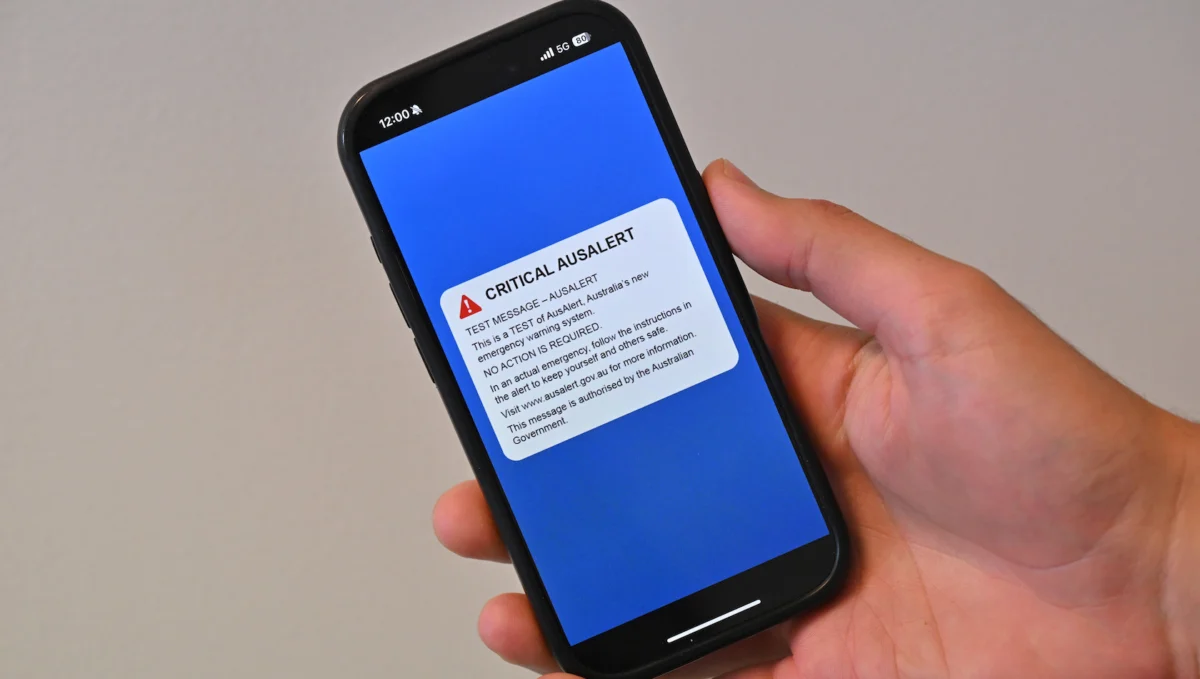
As Australia prepares for a nationwide test of its new emergency messaging system, "AusAlert," on Monday at 2:00 PM, millions of citizens expect to hear the jarring, high-decibel siren of a "critical alert" broadcast across their mobile devices. While the system is designed to be a life-saving tool for natural disasters, a chorus of safety advocates, domestic violence experts, and privacy technologists are warning that the mandatory nature of the test poses a significant, unintended danger to one of the country’s most vulnerable populations: domestic violence (DV) victim-survivors who rely on secret, secondary mobile devices for their safety.
The Mechanism of the Alert
The AusAlert system functions through "cell-broadcasting," a technology that transmits messages to all cellular-enabled devices connected to towers within a specific geographical area. Unlike standard SMS, which relies on network traffic and individual phone numbers, cell-broadcasting bypasses traditional messaging queues. It is designed to be unavoidable, bypassing standard volume settings, "Do Not Disturb" modes, and silent configurations.
When the signal is sent on Monday, devices will emit a high-volume, 10-second alert siren regardless of the user’s phone settings. For the average Australian, this is an inconvenience; for a victim-survivor living with an abusive partner, it could be a catalyst for violence.
Chronology: From Concept to Critical Concern
The rollout of the national cell-broadcast system has been years in the making, intended to replace fragmented and often delayed warning methods used during the catastrophic 2019-2020 bushfire season.
- 2023–2024: The federal government accelerates plans for a centralized, unified emergency warning system following recommendations from several Royal Commissions into national natural disaster resilience.
- Early 2025: Technical trials of the infrastructure are conducted across various states, focusing on connectivity and latency.
- July 2026: The government announces a nationwide test of the "AusAlert" system, scheduled for Monday at 2:00 PM, ahead of the full official launch slated for October 2026.
- Immediate Aftermath of Announcement: Domestic violence advocacy groups and cybersecurity experts sound the alarm, highlighting that the "critical" nature of the broadcast overrides user privacy controls.
The "Hidden Phone" Dilemma
For many individuals experiencing domestic or family violence, a "hidden" or "safety" phone is a primary lifeline. These devices are often kept secret from abusive partners, hidden in drawers, under mattresses, or in bags, and kept on silent or vibration-only modes to avoid detection.
The security of these survivors relies on the absolute stealth of these devices. If an abusive partner discovers the phone, the consequences can be life-altering—ranging from the immediate destruction of the device to physical retaliation or the escalation of coercive control.
"The very design of this system—which prioritizes reach and urgency—completely ignores the reality of those for whom a ringing phone is not just a nuisance, but a threat to their physical safety," says Sarah Jenkins, a researcher in digital safety for at-risk populations. "The ‘Critical Alert’ classification is a double-edged sword. By ensuring that no one can ignore the alert, the government is essentially forcing every hidden device in the country to identify itself."
Official Responses and Government Stance
The federal government maintains that the system is a critical component of national safety. In a statement, a spokesperson for the Department of Emergency Management emphasized that the primary goal of AusAlert is to ensure no citizen is left unaware of an impending threat such as a bushfire, flood, or tsunami.
"We recognize that for the vast majority of Australians, the reliability of this alert system is paramount to their survival during a disaster," the spokesperson said. "The technical requirements of the system mean that for it to be effective in life-or-death scenarios, it must override standard device settings. We are working closely with telecommunications providers to ensure that the system is as unobtrusive as possible, while still meeting our primary objective of public safety."
However, when pressed on the risks to domestic violence survivors, the response has been criticized as reactive. The government has issued a broad advisory: "If you have concerns about the alert on a secondary device, we strongly recommend that you ensure the device is completely powered down or placed in ‘Airplane Mode’ before 2:00 PM on Monday."
The Technological Reality: Why "Airplane Mode" Isn’t Enough
While the government’s advice to use "Airplane Mode" is sound in theory, advocates point out that it assumes a level of technological agency that many survivors may not possess at that exact moment.
"Expecting someone in a high-control environment to remember to toggle a specific setting on a device they are trying to hide is a massive oversight," says Dr. Marcus Thorne, a digital security expert. "Many of these devices are older models, or are kept in states of low battery or restricted access. Furthermore, if the device is hidden in a location where the user cannot physically reach it by 2:00 PM, they are essentially defenseless against the alert sounding."
The technical reality is that the cell-broadcast signal is received by the modem in the phone. If the phone is powered on and connected to a tower—even if it is locked—it will receive the command to alert. The only fail-safe is to have the phone turned completely off.
Implications for Future Policy
The outcry over Monday’s test has broader implications for how governments implement new technologies. It highlights a recurring theme in the digital age: "One-size-fits-all" solutions often fail to account for the diverse and sometimes dangerous realities of marginalized communities.
1. Privacy vs. Public Safety
This incident has reopened the debate regarding the government’s ability to override user-end privacy controls. While most citizens accept that public safety alerts are necessary, the lack of a "privacy-focused" opt-out for specific groups raises questions about the balance of power between the state and the individual’s digital environment.
2. The Need for Consultation
Advocacy groups are now calling for a formal review of the AusAlert system to include a "safety-first" design audit. This would involve consulting with domestic violence shelters and digital safety experts to determine if there are ways to mitigate the risk of these mandatory alerts, perhaps through future software updates that allow for "silent emergency modes" on devices linked to specific security protocols.
3. A Wake-Up Call for Digital Safety
For the public, this situation serves as a stark reminder of the digital footprints we leave behind. It is an opportunity for those working with domestic violence survivors to reinforce the importance of digital hygiene and safety planning.
Moving Forward: Actionable Advice
As Monday’s deadline approaches, organizations providing support to victim-survivors are disseminating urgent checklists to ensure the safety of those who possess secondary devices:
- Power Down: If the device is not needed for immediate communication, the safest option is to turn it completely off before 2:00 PM.
- Airplane Mode: If the device must remain on for other reasons, toggle "Airplane Mode" at least 15 minutes before the test.
- Physical Security: If you cannot turn the device off, ensure it is in a location where the sound will be muffled or where you have an explanation prepared for a partner if the siren triggers.
- Seek Support: If you or someone you know is at risk due to this alert, contact local domestic violence services. They can provide advice on how to manage the technical aspects of the alert and ensure your safety is prioritized.
Conclusion: A Test of More Than Just Technology
Monday’s test is more than just a trial of cellular infrastructure; it is a test of the government’s sensitivity to the lived experiences of all its citizens. While the intention behind AusAlert is undeniably noble—to protect life in the face of natural disasters—the method of its execution risks harming those who are already fighting for their safety.
As the nation waits for the siren at 2:00 PM, the focus for many will be on whether the system works as intended. But for advocates and survivors, the focus is on the unintended consequences of a system that treats every citizen as having the same level of safety and autonomy. Moving forward, the government must ensure that in their quest to keep the nation informed, they do not accidentally put the most vulnerable in harm’s way. The success of AusAlert will not be measured by the reach of its siren, but by how effectively it protects all Australians without exception.
