




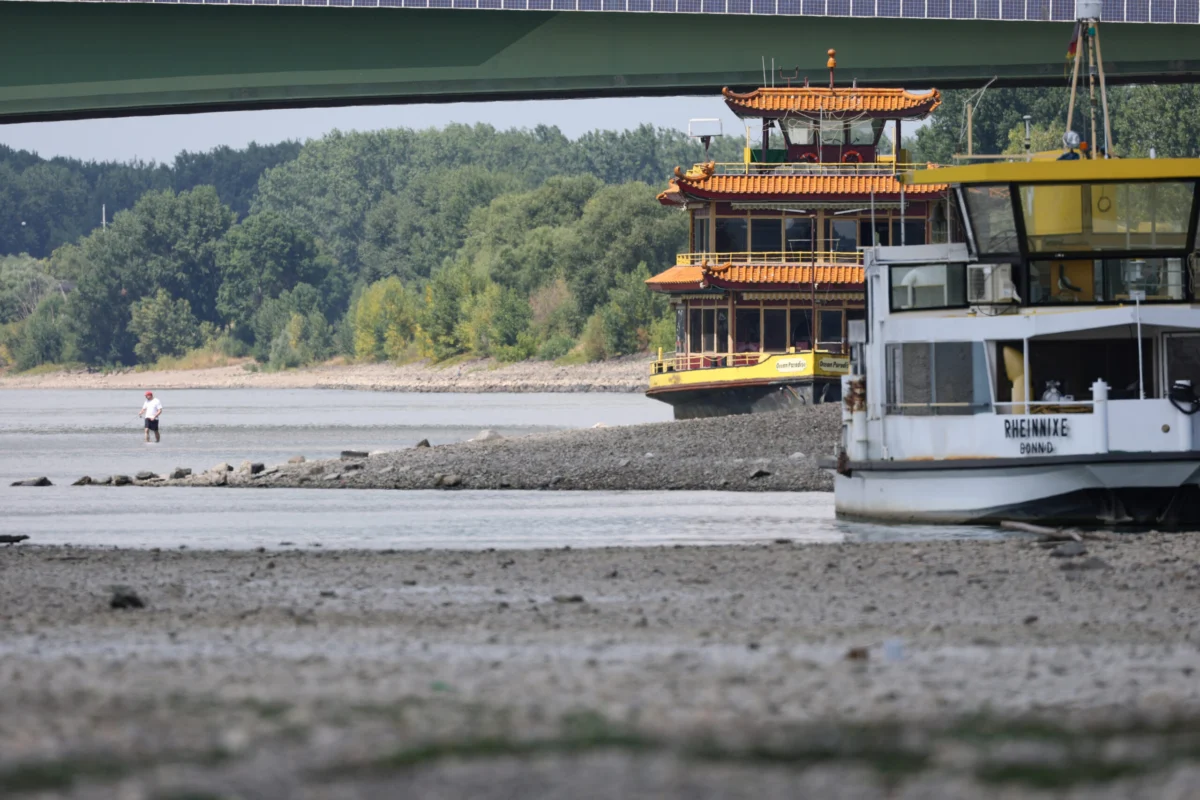
As record-breaking heat waves tighten their grip on the European continent, the Rhine River—a vital commercial artery for the heart of Europe—is facing a crisis of historic proportions. Water levels have plummeted to levels that threaten to paralyze the transport of essential commodities, creating a logistical bottleneck that is sending shockwaves through energy markets and industrial supply chains alike.
Main Facts: A Vital Waterway at a Breaking Point
The Rhine is not merely a scenic river; it is a critical industrial highway that stretches approximately 800 miles (1,290 kilometers) from the Swiss Alps to the North Sea. It serves as the backbone for the movement of coal, iron ore, chemical products, and refined fuels, fueling the massive industrial engines of Germany, Switzerland, and France.
As of mid-July 2026, the river is nearing a catastrophic threshold. At Kaub, a shallow rocky passage in western Germany that acts as a primary barometer for the river’s navigability, water levels have fallen to a staggering 28 centimeters. To put this in perspective, this is the lowest recorded level since the drought of 2018. Meteorological models suggest the situation is deteriorating rapidly, with forecasts indicating the level could dip to 24 centimeters by the end of the week. Should this materialize, it would mark the lowest reading since official record-keeping began in 1990, effectively rendering the waterway impassable for most heavy commercial vessels.
Chronology of the 2026 Water Crisis
The current crisis did not emerge overnight; it is the culmination of a months-long pattern of extreme weather.
- Spring 2026: While early spring saw standard operations, the accumulation of low rainfall began to worry hydrologists. Port inventories in the Amsterdam-Rotterdam-Antwerp (ARA) hub began to swell as the usual throughput of goods failed to migrate inland.
- Early July 2026: As a series of intense heat domes settled over Western Europe, temperatures in urban centers like Frankfurt began to spike, consistently reaching the high 30s (Celsius). The lack of precipitation, combined with the rapid evaporation of surface water, triggered a precipitous drop in the Rhine’s depth.
- Mid-July 2026: By July 15, the depth at Kaub hit the critical 28-centimeter mark. The logistics industry responded with panic, as barge operators were forced to slash their cargo loads by up to 75% to reduce the depth of their hulls, rendering the transport of bulk energy commodities economically unviable for many firms.
- The Current Forecast: With temperatures in Frankfurt expected to hit 39°C (102°F) this week and no significant rainfall predicted, the industry is bracing for a total, if temporary, cessation of key logistics routes.
Supporting Data: The Logistics of Scarcity
The economic implications of the Rhine’s retreat are best understood through the lens of the "chokepoint effect." When water levels drop, the draft—the distance between the waterline and the bottom of the hull—becomes restricted.
According to data compiled by DBX Commodities Ltd., the logistics logjam has resulted in a 75% increase in coal inventories at ARA ports since the spring. This is not because the fuel is not needed; it is because the "conveyor belt" of barges required to move that fuel into Germany’s industrial heartland has essentially stopped.
The financial pain is immediate and severe. The cost of shipping diesel from Rotterdam to Karlsruhe has surged to levels unseen since Bloomberg began tracking the data in 2009. These costs are not being absorbed by shipping companies; they are being passed down to consumers and manufacturers, stoking fears of a new wave of energy-driven inflation.
"The Rhine has effectively locked the door on inland coal delivery, and Rotterdam is where the trucks are queuing up," says Alexandre Claude, CEO of DBX Commodities. The shift from water transport to road and rail is inefficient, expensive, and logistically impossible to scale on short notice, as the sheer volume of a single barge would require dozens of heavy-duty trucks to replicate.
Official Responses and Administrative Strains
The management of the Rhine is a complex, multi-national affair. Florian Krekel, a spokesperson for Germany’s Wasserstraßen- und Schifffahrtsverwaltung (WSV)—the federal agency responsible for managing the nation’s waterways—has expressed grave concern regarding the lack of mitigation options.
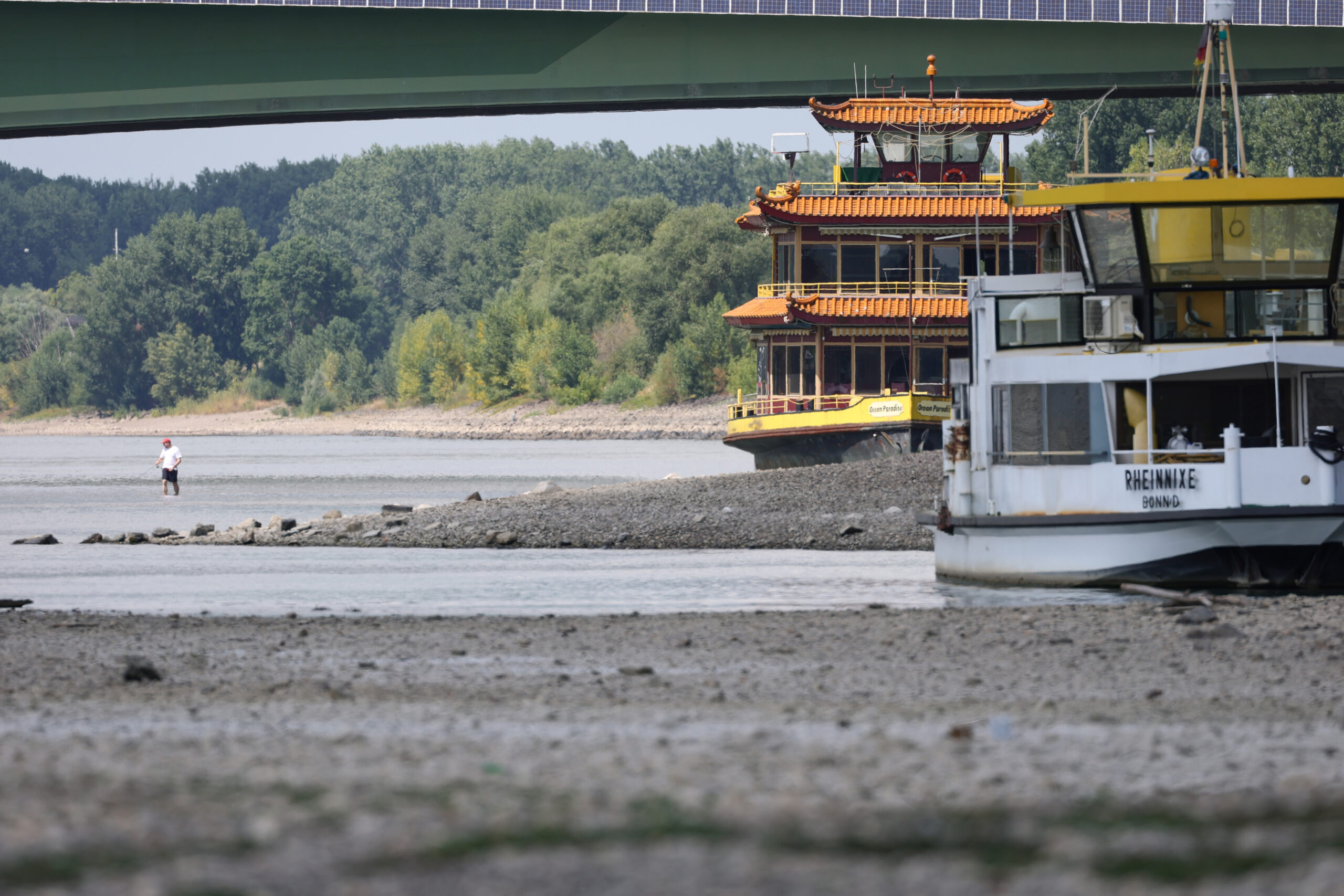
"With every centimeter, it’s getting more difficult," Krekel stated during a recent briefing. "There’s no rain in sight."
The WSV and its counterparts across Europe are currently trapped in a reactive cycle. While long-term infrastructure projects, such as dredging deeper channels or installing automated lock systems, are often discussed, they are no match for a climate-driven drought of this magnitude. Critics argue that Europe’s climate adaptation strategies have lagged significantly behind its ambitious net-zero transition goals. While the continent has moved aggressively to decarbonize its energy grid, it has failed to adequately prepare its physical infrastructure for the extreme weather events that a changing climate necessitates.
Implications: A Continent Under Stress
The implications of the drying Rhine extend far beyond the shipping industry. The river is an integral part of the European ecosystem and economy, and its failure creates a cascade of negative effects:
1. Energy Security and Power Generation
The energy sector is particularly vulnerable. Many of Germany’s power plants rely on the Rhine to transport coal and for cooling water. As fuel supplies dwindle, the operational capacity of these plants is jeopardized just as the heat wave drives up demand for air conditioning and refrigeration. This creates a dangerous feedback loop where the demand for electricity rises as the ability to produce it falls.
2. Supply Chain Contagion
The disruption is not limited to fuels. Iron ore, chemicals, and consumer goods in containers are all subject to the same logistical constraints. Major German manufacturers, particularly in the chemical and automotive sectors, rely on "just-in-time" supply chains that are now being severely disrupted. This threatens to throttle industrial output, potentially impacting European GDP growth in the third quarter of 2026.
3. Public Health and Environment
The heat wave is not just drying the river; it is straining public health systems. With wildfires breaking out across the continent and heat-related hospitalizations on the rise, the strain on emergency services is at an all-time high. The environmental degradation of the river itself—where lower oxygen levels and rising water temperatures threaten aquatic life—serves as a stark reminder of the broader ecological collapse associated with sustained, record-breaking temperatures.
4. A Wake-Up Call for Infrastructure
The current crisis is a clarion call for policymakers. The reliance on legacy transport infrastructure that is highly sensitive to climate volatility is no longer tenable. Moving forward, the European Union will likely face immense pressure to invest in "climate-resilient" logistics, which may include diversifying supply chains away from river-dependent routes, investing in rail infrastructure, or redesigning barges to operate in ultra-shallow waters.
Conclusion
As the sun continues to beat down on Frankfurt and the water level at Kaub inches toward the 24-centimeter mark, the Rhine stands as a symbol of the fragility of modern civilization. The river has been the lifeline of the European economy for centuries, but in 2026, it is demonstrating the limitations of that dependency.
The crisis is a complex tapestry of meteorological misfortune, logistical strain, and administrative inertia. As Europe navigates the remainder of this heat wave, the lessons learned from this summer will undoubtedly reshape the continent’s approach to environmental management, energy policy, and the essential infrastructure that keeps its economy afloat. For now, the region waits—for rain, for cooler temperatures, and for a long-term strategy to ensure that its most important artery does not run dry again.
