





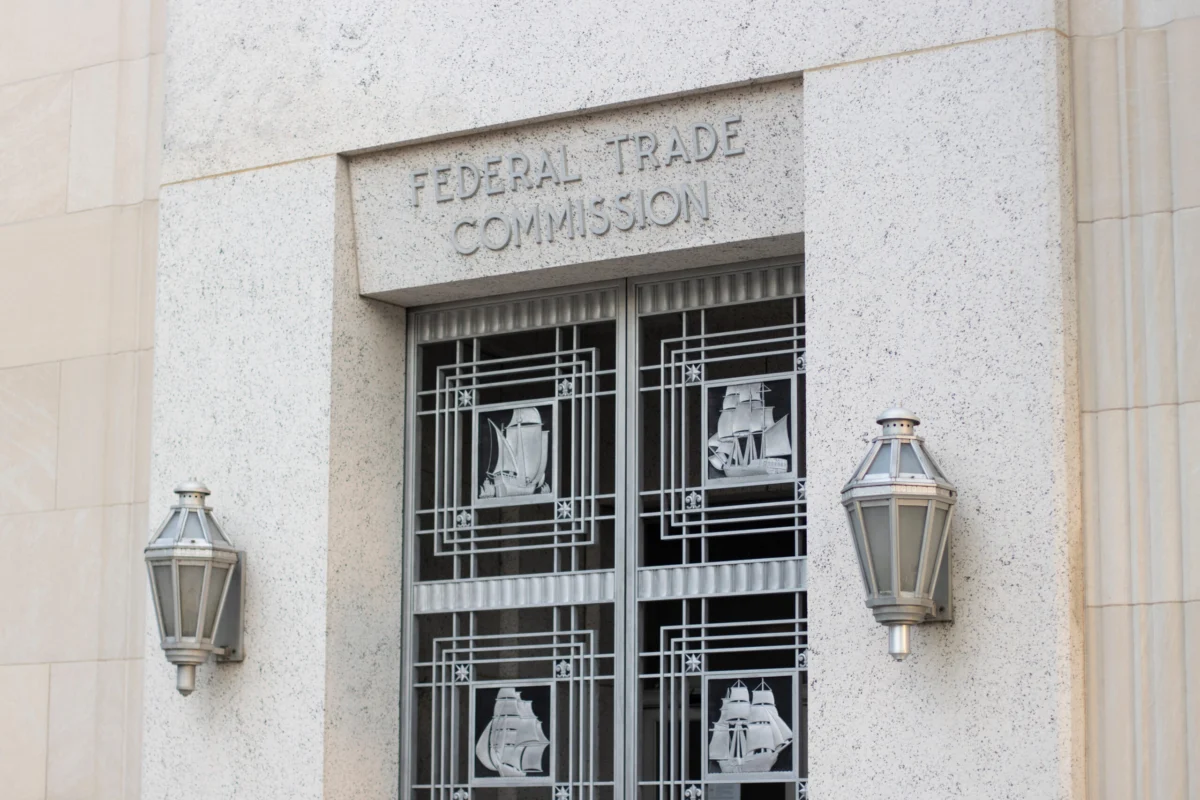
The landscape of digital healthcare faced a significant reckoning on July 29, as the U.S. Federal Trade Commission (FTC) initiated a high-profile lawsuit against Hims & Hers, a leading telehealth platform. The federal agency, acting in concert with the state authorities of Los Angeles County and Utah, has leveled serious accusations against the company, alleging that it prioritized profit-driven advertising over the stringent privacy protections promised to its users. The lawsuit further alleges a pattern of deceptive billing and intentionally obstructive cancellation procedures, casting a long shadow over one of the most prominent names in the direct-to-consumer medical space.
The Core Allegations: A Breach of Trust
At the heart of the FTC’s complaint is the assertion that Hims & Hers engaged in "deceptive and unfair" practices that compromised the most intimate data of its user base. The company, which has built a massive business model around providing discreet, convenient access to prescriptions for sensitive conditions—including erectile dysfunction, hair loss, and mental health challenges—is accused of failing to uphold its fundamental privacy guarantees.
According to the lawsuit, Hims & Hers systematically shared sensitive health information with third-party online advertising giants, including Meta Platforms and Snap. This occurred even as the company utilized marketing language that explicitly led customers to believe their data was protected, private, and used solely for the provision of care. For millions of users who sought out the platform specifically to avoid the perceived stigma or inconvenience of brick-and-mortar clinics, this revelation represents a profound breach of the doctor-patient confidentiality paradigm.
Beyond data privacy, the FTC has flagged systemic issues regarding the platform’s financial conduct. The agency alleges that Hims & Hers frequently charged customers for prescriptions before they had even engaged in a consultation with a healthcare provider. In many instances, the complaint notes, the billing process was triggered immediately following the completion of a digital intake form, bypassing the medical assessment phase entirely. Furthermore, the agency asserts that the company implemented "dark patterns"—a term used to describe user interfaces designed to trick users into actions they did not intend to take—to make canceling subscriptions unnecessarily difficult and frustrating.
Chronology of the Dispute
The legal action represents the culmination of increasing regulatory scrutiny toward the telehealth sector, which saw an explosive surge in growth during the COVID-19 pandemic. While Hims & Hers has maintained a public image of innovation and accessibility, the FTC’s investigation suggests that the company’s internal operations may have lagged behind the legal standards required of entities handling Protected Health Information (PHI).
The filing on July 29 marks the beginning of a protracted legal battle. While the specific timeline of the FTC’s private investigation remains confidential, the filing follows a broader trend of federal regulators cracking down on companies that leverage consumer data to fuel aggressive digital advertising campaigns. The inclusion of state-level partners, specifically Los Angeles County and Utah, indicates that the authorities are treating the case as a multi-jurisdictional priority, likely aiming to set a legal precedent for how telehealth startups must manage patient data in the future.
Financial Impact and Market Response
The announcement of the lawsuit triggered an immediate and sharp reaction in the public markets. Hims & Hers Health, Inc. saw its stock price plummet by approximately 12% in the hours following the filing. Investors, who had previously been optimistic about the company’s expansion into the lucrative weight-loss drug market, reacted to the uncertainty of potential fines, mandatory operational restructuring, and the reputational damage inherent in an FTC enforcement action.
The market reaction underscores the precarious nature of the "disruptor" business model in healthcare. While tech-first companies often prioritize speed and user experience, the regulatory hurdles inherent in medical practice—particularly regarding HIPAA compliance and financial transparency—are increasingly becoming the primary risk factors for these enterprises.
Official Responses and Defensive Posture
The rhetoric from the FTC has been uncompromising. Christopher Mufarrige, Director of the FTC’s Bureau of Consumer Protection, released a stern statement emphasizing the gravity of the agency’s findings. "The FTC will not hesitate to act on behalf of consumers deprived of their ability to choose which products they want and whether to keep their most sensitive health information private," Mufarrige asserted. The statement serves as a warning shot to the broader telehealth industry that convenience does not grant companies an exemption from established consumer protection laws.
Hims & Hers responded with a vigorous defense, labeling the FTC’s claims as "baseless" and politically motivated. In an official post on the social media platform X, the company characterized the lawsuit not as a necessary regulatory enforcement, but as a performative attempt to garner headlines at the company’s expense.
"This is not enforcement grounded in consumer protection; it is an effort to generate headlines at our expense," the statement read. By framing the government’s action as an overreach, Hims & Hers is attempting to maintain its brand integrity among its core demographic, positioning itself as a victim of bureaucratic hostility rather than a violator of consumer rights.
The Implications for Telehealth and Beyond
The implications of this lawsuit extend far beyond Hims & Hers. If the FTC succeeds, it will likely necessitate a structural shift in how telehealth platforms handle the intersection of medical intake and marketing data.
1. The Death of "Growth at All Costs"
For years, the direct-to-consumer (DTC) telehealth sector has relied on aggressive data harvesting to optimize customer acquisition costs. By feeding data to platforms like Meta and Snap, companies could precisely target users based on their health needs. The FTC’s stance suggests that this "growth at all costs" mentality is no longer sustainable. Future telehealth startups will likely need to implement "privacy-by-design" architectures, where data sharing is restricted to the absolute minimum required for treatment.
2. Regulatory Compliance as a Competitive Moat
Companies that can demonstrate bulletproof privacy and transparent billing may eventually gain a competitive advantage. If the FTC mandates stricter oversight, the cost of compliance will rise, potentially weeding out smaller, less capitalized players. This could lead to a consolidation of the market, where only those entities with robust legal and technical infrastructure can survive.
3. Increased Scrutiny on Subscription Models
The FTC’s focus on the difficulty of canceling subscriptions is part of a wider campaign against "subscription traps." Many companies in the digital economy have made it intentionally difficult to stop recurring payments. If the court finds in favor of the FTC, it could set a new legal standard for how "cancelation friction" is treated, potentially forcing all digital subscription services—not just those in healthcare—to simplify their user interfaces.
4. The Weight Loss Market in the Crosshairs
Hims & Hers is currently positioning itself as a major player in the GLP-1 (weight loss drug) market. The FTC’s intervention comes at a critical time for the company, as it attempts to scale its distribution of these high-demand medications. Any disruption to its business model or reputation could provide an opening for traditional pharmaceutical companies or more established healthcare providers to capture market share.
Conclusion
The lawsuit against Hims & Hers serves as a landmark moment in the digital health era. It forces a collision between the Silicon Valley ethos of rapid scaling and the traditional, slow-moving regulatory requirements of the medical field. As the case proceeds, it will undoubtedly serve as a bellwether for the future of patient privacy in the digital age.
Whether the FTC is overstepping, as Hims & Hers claims, or finally catching up to the realities of modern data abuse, one thing is clear: the era of the "move fast and break things" approach to personal health data is coming to a definitive end. Consumers, regulators, and investors alike will be watching the proceedings closely, as the outcome will likely dictate the rules of engagement for the next generation of digital medicine.
