





The American muscle car landscape is currently undergoing its most radical transformation in decades. As Dodge pivots away from the thunderous, supercharged HEMI V8s that defined its brand identity for nearly two decades, it has introduced the new 2026 Dodge Charger. However, the market’s reception has been lukewarm at best. While Dodge leadership remains publicly optimistic, the sales floor tells a different story, with significant dealer discounts signaling that the transition to an electrified or inline-six future is hitting a wall of consumer skepticism.
In a desperate bid to shift the narrative, Dodge has turned to an unlikely marketing department: the world of automotive YouTube. By gifting and loaning out pre-production engineering vehicles to top-tier influencers, the automaker is attempting to frame the new Charger not as a replacement for the V8, but as a blank canvas for the next generation of gearheads.
The State of the Union: A Slow Start
When we sat down with Dodge CEO Matt McAlear back in March, the air was thick with tension regarding the brand’s future. When pressed on whether the tepid initial sales figures signaled a need for a strategic pivot, McAlear maintained that it was "too early" to make a definitive judgment.
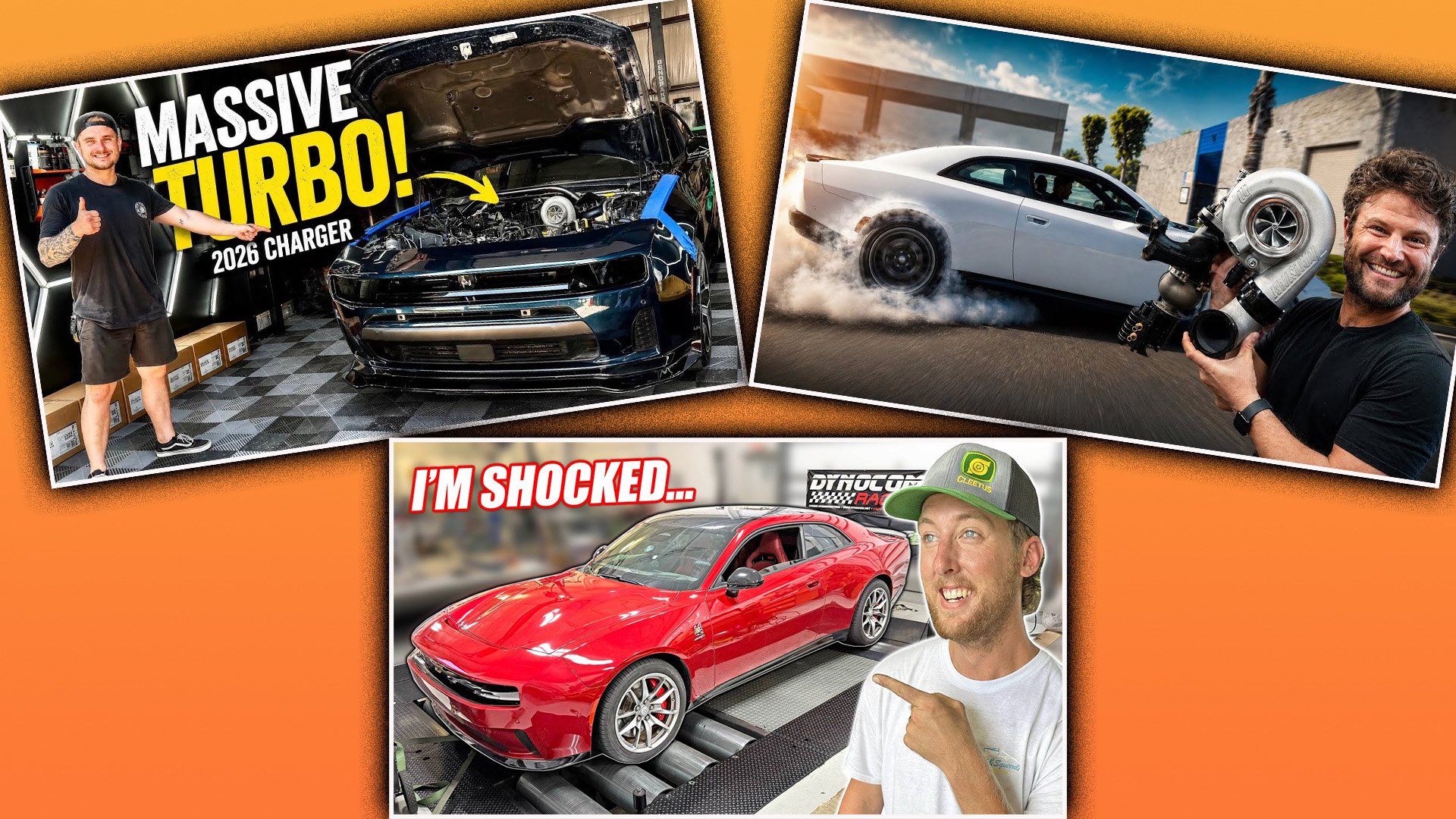
Months later, the "early" phase has passed, and the data remains sobering. Prospective buyers are not flocking to showrooms to pay full price for the new Charger. Instead, we are seeing aggressive price slashing—with reports of the Charger Daytona EV seeing discounts as steep as $12,500 off MSRP. This level of depreciation on a brand-new vehicle is rarely a sign of a healthy, high-demand product.
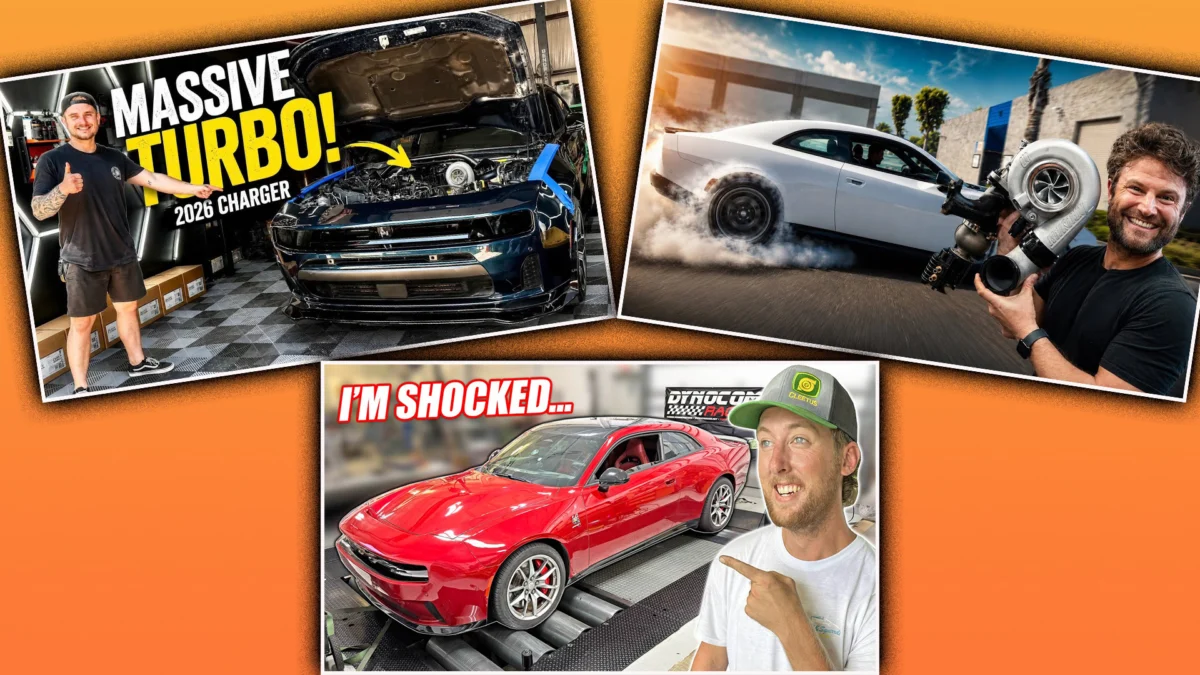
However, if you look at your YouTube homepage, you might get a different impression. The platform is flooded with content featuring the new Charger being stripped, boosted, and abused. This is no accident. Dodge is effectively utilizing the "influencer halo effect" to try and bridge the gap between their new engineering direction and the traditional enthusiast base that feels alienated by the loss of the V8.
Chronology of the Pivot: From Showroom to Studio
Dodge’s strategy involves a two-pronged approach: controlled promotion and organic chaos.

Early 2026: The Strategic Gift
Recognizing that traditional TV spots wouldn’t convince the die-hard "Mopar or No Car" crowd, Dodge began distributing engineering take-off units—cars that are technically pre-production models and cannot be legally registered for street use—to prominent automotive creators. By giving these units to figures like Rob Dahm and Evan Shanks, Dodge ensured that the cars would be subjected to the kind of high-performance modifications that their target demographic values.
Mid-2026: The "Project Car" Phase
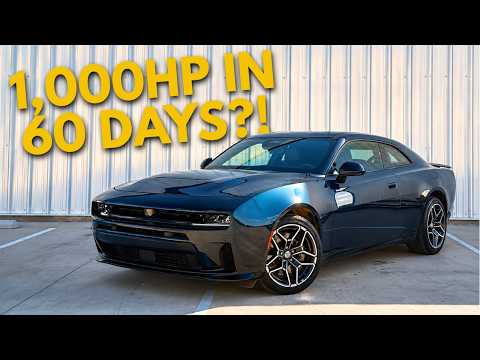
As the summer progressed, the videos began to drop. Rob Dahm, known for his obsession with rotary engines and high-horsepower builds, was gifted a Charger for a two-year residency. His mission? To turn the SixPack’s 3.0-liter twin-turbocharged inline-six into a track-ready monster. By allowing Dahm to fabricate custom components—such as a 3D-printed turbo manifold—Dodge is proving that the new Hurricane engine architecture has "tuning potential," a vital metric for the muscle car community.
The "Wildcard" Element
While Dodge controls the narrative with gifted units, they cannot control the free market. Cleetus McFarland, one of the most influential names in the hobby, bought his own Daytona Scat Pack EV from a dealer for nearly 50% off the $78,970 sticker price. Unlike the "official" builds, McFarland’s content is raw, critical, and at times, destructive. By putting the car through a "worst car in America" test, he highlights the exact fears the average consumer has: high weight, questionable battery range, and a lack of soul compared to the outgoing models.

The Technical Reality: Weight, Power, and Potential
The core of the criticism surrounding the 2026 Charger is its mass. The platform is undeniably heavy, with curb weights hovering around the 4,700-pound mark. This creates a significant hurdle for performance enthusiasts who equate "muscle" with agility and power-to-weight ratios.
Evan Shanks, another beneficiary of the Dodge influencer program, took this head-on. In a recent build, Shanks stripped the interior of his Charger—removing the sound deadening, airbags, and redundant seating—to shed over 800 pounds. By dropping the car below the two-ton threshold, he successfully demonstrated that the chassis has inherent capabilities once the "street-legal" bloat is removed.
Meanwhile, the Hurricane engine is earning its stripes. Despite the initial hesitation from V8 purists, the 3.0-liter inline-six is proving to be a highly capable platform. Its ability to handle increased boost pressure and aftermarket turbo setups suggests that Dodge has provided a solid foundation, even if the "soul" of the engine note is fundamentally different from the old HEMI.
The Institutional Strategy: Why Influencers?
Dodge is essentially outsourcing its R&D marketing. By allowing these creators to push the cars to their absolute breaking points, Dodge is gathering data on how the platform handles stress, while simultaneously building a library of "cool factor" videos.
However, this strategy carries significant risk. The juxtaposition of a high-budget, professional build (like Dahm’s) against a cynical, destructive take-down (like McFarland’s) creates a fractured brand image. When nearly six million combined subscribers see two wildly different versions of the same car, the brand loses its ability to dictate the "truth" about the vehicle.
Implications: The Long Road Ahead
The implications for Dodge are profound. If the influencer builds succeed in proving that the new Charger is a formidable platform, the brand might slowly win back the respect of the enthusiast community. However, if the cars continue to be associated with massive dealer discounts and "worst car" clickbait, the brand risks permanent damage to its image as a performance leader.

The "too early to tell" excuse provided by CEO Matt McAlear is wearing thin. We are now in the middle of a massive social experiment: Can a legacy brand successfully transition its identity through the lens of internet personalities, or has the American muscle car enthusiast reached a point of no return?
The data suggests that the "SixPack" inline-six is the bridge Dodge needs, but it may not be enough to save the heavy, expensive EV variants from a lukewarm reception. As these builds continue to evolve, the public will be watching. If the Chargers end up on a pedestal at SEMA or dominating at Roadkill Nights, Dodge may have just enough time to course-correct. If they end up in the junkyard or solely as props for clickbait, it will mark the end of an era—not just for the V8, but for the brand’s dominance in the cultural zeitgeist.
Ultimately, the new Dodge Charger is a car caught between two worlds. It is an engineering marvel of the modern era, yet it is struggling to find a home in a market that doesn’t want to let go of the past. Whether it becomes a legendary tuning platform or a footnote in automotive history will be determined in the garages and on the drag strips of the creators currently documenting its journey.
