



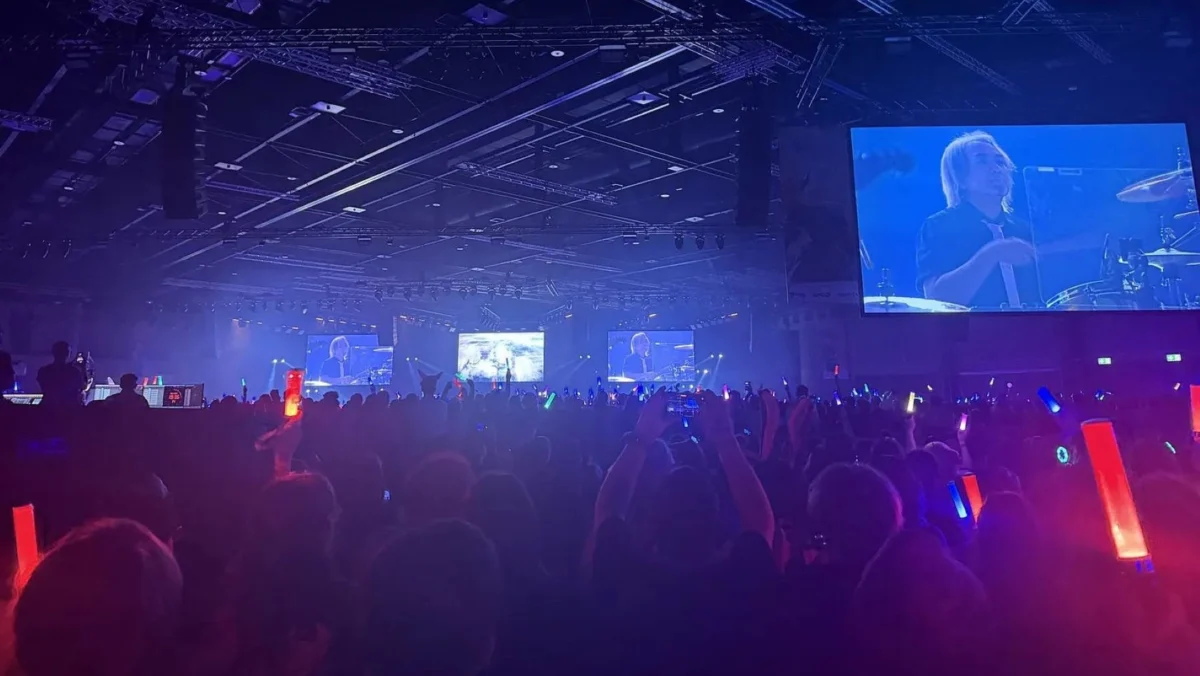
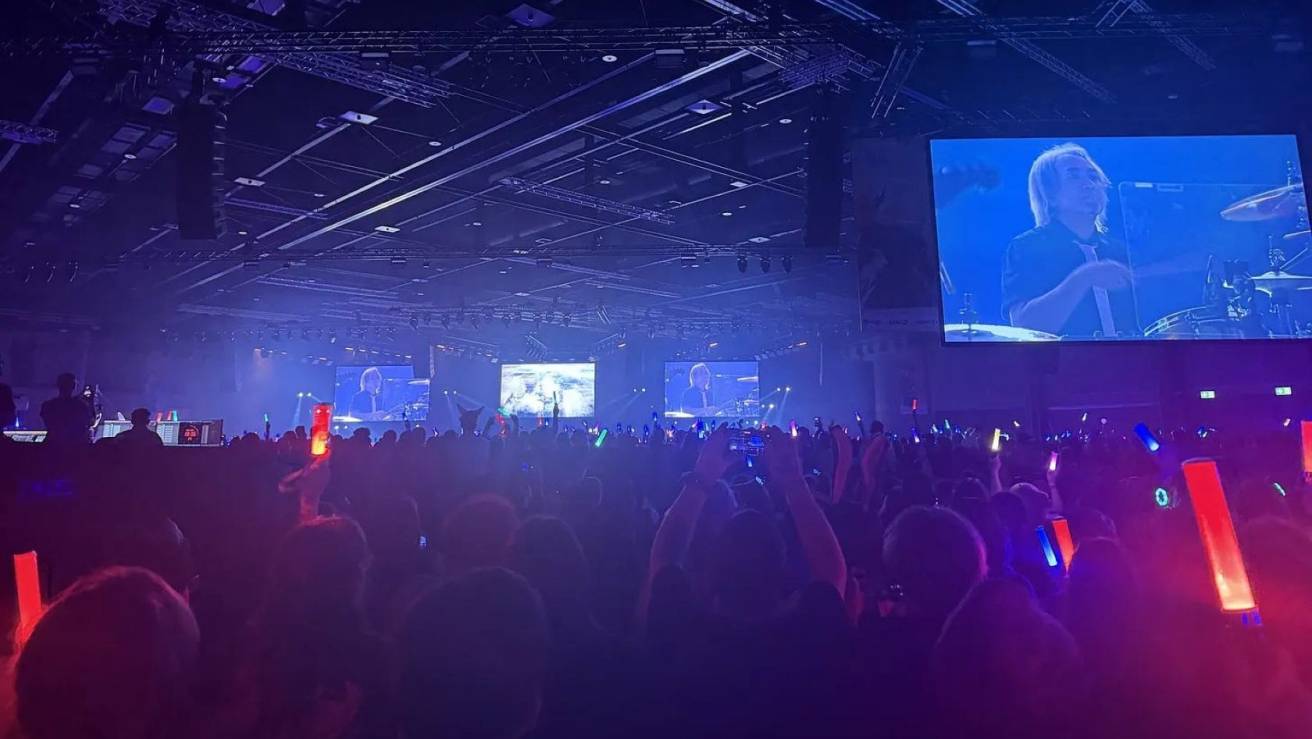
In the sprawling landscape of global gaming culture, few events command the same level of fervor, devotion, and sheer logistical complexity as the Final Fantasy XIV (FFXIV) Fan Festival. While industry titans like E3 or Gamescom serve as broad showcases for the medium’s future, the FFXIV Fan Fest stands as a singular testament to the power of a single, long-running massively multiplayer online (MMO) title. It is a pilgrimage for hundreds of thousands of players, a massive convergence of music, cosplay, and community that transforms convention centers into immersive extensions of the world of Eorzea.
However, behind the glamour of the stage lights and the high-production rock concerts lies a friction-filled reality: simply attending is an exercise in patience, luck, and dedication.
The Logistics of Exclusivity: The Lottery System
It is not easy being a fan of Final Fantasy XIV, especially if you are determined to bridge the gap between the virtual world and the real one. Unlike many other major gaming events that operate on a first-come, first-served ticket model, the FFXIV Fan Fest employs a rigorous, multi-tiered lottery system that serves as a filter for the most dedicated community members.
This system is not designed to frustrate, but to protect. Given the immense popularity of the game, an open sale would likely lead to server-crashing website traffic and the inevitable predation of ticket scalpers. To mitigate this, Square Enix, the developer and publisher, restricts entry to those with active service accounts. This ensures that the limited capacity of the venue is populated by individuals who are actively invested in the game’s ecosystem.
The lottery process is binary and unforgiving: if you are selected, you gain the privilege of purchasing a ticket for yourself and one guest. If you are not, you are left to the "mad rush"—a high-stress, secondary window where any unclaimed or forfeited tickets are released to the general public. This scramble often lasts only minutes, leaving thousands of hopeful players looking toward the secondary market or preparing to participate via the event’s global digital live streams.
A Chronology of Community Growth
To understand the scale of these festivals, one must look at the evolution of the Final Fantasy XIV brand over the last decade. Following the disastrous launch of the original 2010 version of the game, Square Enix took the unprecedented step of shuttering the servers and completely rebuilding the experience under the guidance of producer Naoki Yoshida.
- 2014: The Foundation: The first Fan Festival was held in Las Vegas, London, and Tokyo. It was a proof-of-concept, signaling to the industry that the reborn A Realm Reborn had a sustainable, passionate player base.
- 2016-2018: Global Expansion: As the game’s expansions (Heavensward, Stormblood) solidified its critical acclaim, the Fan Fests grew in physical footprint. They transitioned from simple meet-and-greets to full-scale cultural festivals featuring elaborate sets, lore panels, and professional-grade live music.
- 2020-2022: The Pandemic Pivot: Forced to adapt to global health restrictions, the team transitioned to digital events. These online festivals broke viewership records, proving that the communal aspect of the game transcended physical proximity.
- 2024-Present: The Hybrid Era: Today, the Fan Festival has returned to a hybrid model, balancing massive physical venues with high-definition, multi-camera, and multi-language live broadcasts that allow the global community to participate simultaneously.
Supporting Data: Why Players Keep Coming Back
The dedication of the Final Fantasy XIV community is not merely anecdotal; it is backed by the game’s consistent presence at the top of the MMO charts. According to reports from active player tracking services, FFXIV has maintained a remarkably stable user base that surges with each major expansion launch.
The "Fan Fest" acts as a retention tool of immense power. It provides a feedback loop between the developers and the players. During these events, producers like Naoki Yoshida present roadmaps for the next two years of content. This transparency creates a sense of ownership among the player base. When players see their feedback from the forums addressed on stage, the psychological contract between the developer and the consumer is strengthened, making the act of attending the festival a validation of their own investment in the game.
Official Responses: The Philosophy of the "Square Enix Way"
The development team at Square Enix has frequently commented on the nature of these events. In various "Letter from the Producer" broadcasts, Naoki Yoshida has emphasized that the Fan Festival is not a marketing event; it is a "thank you" event.
"The game belongs to the players as much as it belongs to us," the development team has often noted. The emphasis is on accessibility for those who cannot attend. The decision to stream the entire event—including the concerts and the Q&A sessions—at no cost to the viewer is a deliberate strategy to ensure that the community remains inclusive, regardless of geography or financial status. By prioritizing the digital experience alongside the physical one, Square Enix has successfully cultivated a sense of global unity that few other gaming franchises have achieved.
The Implications of the "Event-Driven" Industry
The success of the Final Fantasy XIV Fan Festival has profound implications for the gaming industry at large. It signals a shift away from the traditional, trade-show-style media events toward "fan-centric" gatherings.
- Direct-to-Consumer Marketing: By cutting out the middleman of mainstream media, Square Enix controls the narrative. They don’t need a journalist to explain why an expansion is good; they have a room full of thousands of screaming fans to demonstrate it through real-time reactions.
- Cosplay as Marketing: The sheer volume of high-quality cosplay at these events provides millions of dollars in organic, social-media-ready marketing. These fans become ambassadors for the aesthetic of the game, creating content that is shared globally on platforms like X (formerly Twitter), TikTok, and Instagram.
- The Live-Service Economy: For a live-service game, the community is the product. The Fan Fest serves as a physical manifestation of that community. It reinforces the "Social MMO" aspect of the game, reminding players that they aren’t just logging into a server; they are logging into a world they share with real people.
Conclusion: A Blueprint for the Future
As the gaming industry continues to navigate the challenges of digital-first engagement and the rising costs of physical events, the Final Fantasy XIV model offers a compelling blueprint. By balancing the exclusivity of a lottery-based physical event with the inclusivity of a high-quality global stream, Square Enix has managed to satisfy the hardcore "super-fans" who crave a real-world experience while keeping the wider community feeling heard and included.
The spectacle of the final concert—thousands of players singing along to orchestrated themes that defined their most emotional in-game moments—is more than just a marketing stunt. It is a cultural phenomenon that underscores a fundamental truth about modern gaming: it is no longer just about the code on the screen, but about the connections formed in the spaces between the quests. For the thousands who enter the lottery, endure the wait, and eventually walk through those convention hall doors, the experience is worth every ounce of effort. In an increasingly digital world, the Final Fantasy XIV Fan Festival proves that the human desire for shared, physical community is not disappearing—it is simply evolving.
