



Date: April 9, 2026 | Time: 16:00–17:30 CEST | Format: Online Webinar
Host: Clean Energy Wire (CLEW) | Supported by: Journalismfund Europe
As Hungary approaches its parliamentary elections on April 12, 2026, the nation finds itself at a critical juncture. Far from being a domestic administrative exercise, the upcoming vote is being framed by international observers as a pivotal test of European resilience against the backdrop of an intensifying global struggle for influence. At the heart of this conflict lies Hungary’s energy infrastructure—a sector that has become the primary theater for a complex, high-stakes tug-of-war between China, the United States, and Russia.
Clean Energy Wire (CLEW) is hosting an expert-led webinar on April 9, 2026, to equip journalists with the analytical tools necessary to cover these elections. This session will dissect how external powers are shaping Hungary’s climate and energy policies and what these developments portend for the broader European Union.
Main Facts: The Nexus of Energy and Geopolitics
Hungary’s energy profile is uniquely fragile, characterized by high historical dependence on Russian hydrocarbon imports and a strategic pivot toward Eastern investments in nuclear and renewable infrastructure.
The core issue facing voters and policymakers is the "trilemma" of energy security, affordability, and the EU’s Green Deal compliance. While Brussels pressures Budapest to diversify its energy mix and decouple from Russian reliance, the Hungarian government has frequently sought alternative capital and technical partnerships that often clash with Western interests.
Key themes for the upcoming election coverage include:
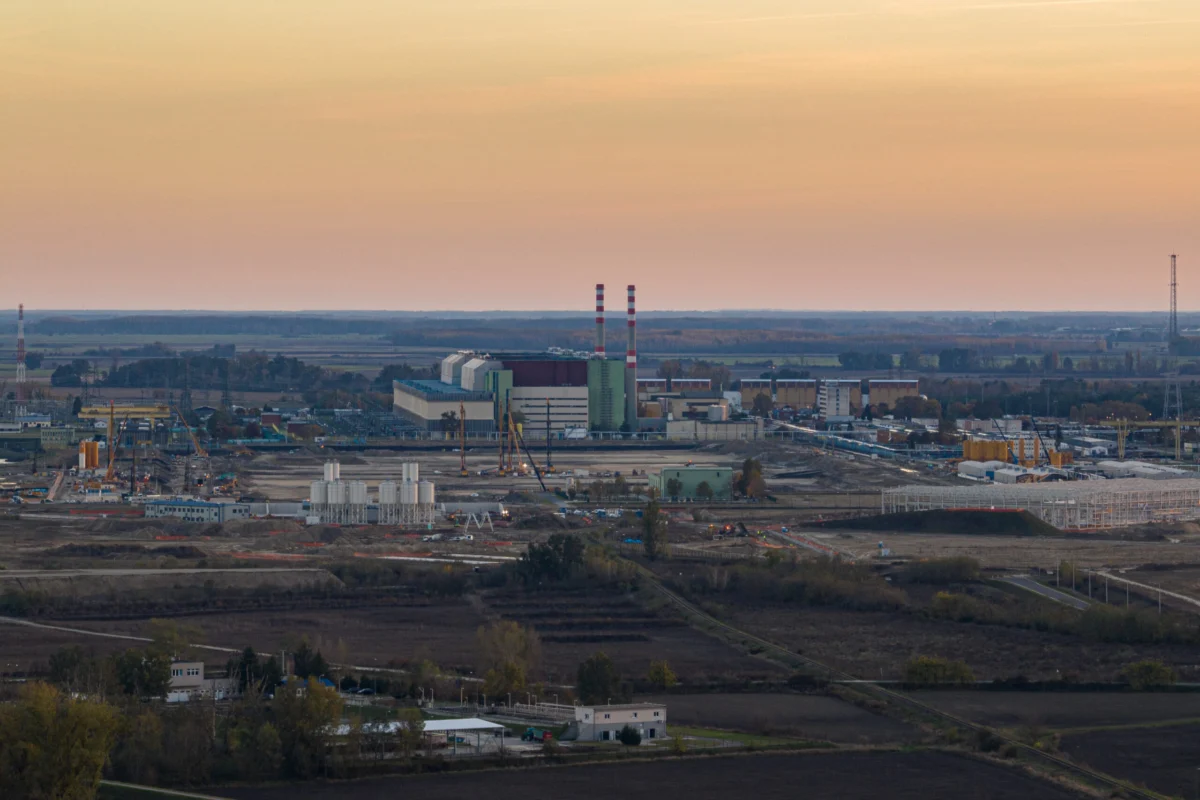
- Nuclear Dependency: The Paks II nuclear power plant project remains the centerpiece of Hungary’s energy strategy. Financed largely through Russian loans and constructed with Rosatom technology, the project is a lightning rod for concerns regarding long-term national sovereignty.
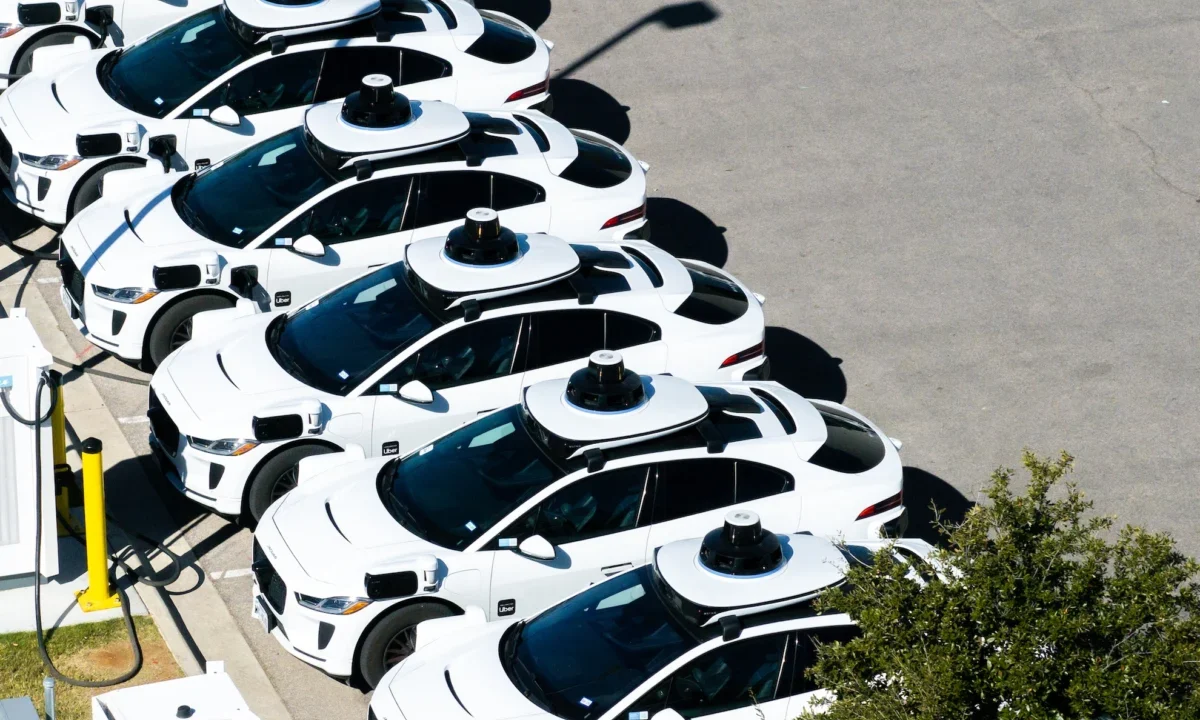
- The Chinese Pivot: China’s growing footprint in the Hungarian electric vehicle (EV) battery manufacturing sector represents a significant shift in industrial policy. These investments are framed by the government as essential for economic modernization, yet they raise questions about Hungary’s long-term alignment with the EU’s "de-risking" strategy.
- The U.S. Influence: Washington’s role has evolved from diplomatic pressure to active engagement in regional energy security, particularly through efforts to promote LNG infrastructure and diversify the transit routes that feed the Central European grid.
Chronology: A Decade of Strategic Shifting
To understand the stakes of the 2026 election, one must examine the timeline of energy policy shifts over the last decade:
- 2014: The Hungarian government signs the intergovernmental agreement with Russia for the expansion of the Paks nuclear power plant, locking in a multi-billion euro investment that would define the country’s energy trajectory for the next half-century.
- 2019: The European Commission launches an in-depth investigation into the Paks II project, scrutinizing state aid and potential market distortions.
- 2022: The outbreak of the war in Ukraine forces a European reckoning. Hungary, citing the risk of immediate energy shortages, secures exemptions from various EU-wide oil and gas sanctions, further straining relations with Brussels.
- 2023: Construction at the Paks II site accelerates, with specialized ground-stabilization works reaching key milestones. Simultaneously, Hungary begins aggressive outreach to Chinese battery manufacturers, aiming to become the European hub for the EV supply chain.
- 2025: Tensions peak as the European Union introduces stricter "anti-interference" directives, aimed at auditing the influence of non-EU actors on critical national infrastructure.
- April 2026: The parliamentary elections occur, serving as a referendum on the government’s "Connectivity" policy, which balances ties between the East and West.
Supporting Data: The Infrastructure Landscape
The complexity of Hungary’s energy dilemma is best illustrated by the data on current infrastructure and investment flows.
The Paks II Factor
The Paks II project is not merely an energy initiative; it is a financial and geopolitical commitment. Current projections suggest that once fully operational, the two new VVER-1200 reactors will provide roughly 40% of Hungary’s electricity. However, the reliance on Russian nuclear fuel and maintenance expertise creates a "technological lock-in" that complicates future efforts to integrate more fully into the Western-led European energy market.
The EV Battery Boom
Hungary has emerged as the premier location for Chinese battery giants such as CATL and Eve Energy. Data indicates that these investments represent billions in Foreign Direct Investment (FDI). While these projects provide a boost to the national economy and support the transition to electric transport, they create a secondary dependence on Chinese supply chains, effectively swapping one form of strategic reliance for another.
Energy Mix Trends
- Renewables: While solar energy production has seen a rapid surge, grid stability remains a challenge, forcing the government to lean heavily on the base-load reliability provided by the nuclear and, to a lesser extent, natural gas sectors.
- Interconnectivity: Hungary’s reliance on the TurkStream pipeline for gas remains a point of contention. Data on gas flows highlights a continued dependence on Russian-sourced volumes, despite the EU’s collective mandate to move toward alternative suppliers like Norway or the U.S.
Official Responses and Diplomatic Friction
The Hungarian government maintains that its energy policy is dictated purely by pragmatic "national interest." Officials argue that by engaging with all global powers, Hungary avoids the volatility associated with choosing sides in a polarized global order. "Energy is not politics; it is survival," a government spokesperson noted in a recent policy brief.
Conversely, the European Commission has intensified its rhetoric regarding "strategic autonomy." Brussels’ stance is that Hungary’s current path undermines the EU’s collective security posture. EU officials argue that reliance on non-democratic partners for critical energy infrastructure leaves Hungary—and by extension, the EU—vulnerable to political blackmail.
The United States has adopted a "soft power" approach, focusing on diplomatic outreach to emphasize the benefits of the Transatlantic energy partnership. However, behind the scenes, U.S. analysts remain deeply concerned about the integration of Chinese technology into European industrial hubs, viewing it as a potential vector for surveillance or economic coercion.
Implications: What to Expect Post-2026
The outcome of the April 12 election will send a clear signal to the European Union and global markets.
Scenario A: Continuity
Should the current government secure a decisive mandate, it is expected that the status quo will hold. This implies a continued acceleration of the Paks II project and an expansion of the Chinese-backed industrial base. For the EU, this would likely trigger more rigorous legal and economic oversight, potentially leading to further withholding of structural funds tied to rule-of-law and market competition benchmarks.
Scenario B: A Policy Pivot
A change in government or a forced coalition could lead to a re-evaluation of current energy partnerships. This would be a high-risk maneuver, as exiting long-term contracts with suppliers like Rosatom would require massive capital to pivot toward Western technologies. The transition would be costly and would likely lead to short-term energy price shocks, testing the patience of the Hungarian electorate.
The European Context
For journalists, the implications go beyond Hungary’s borders. The Hungarian model serves as a "stress test" for the EU’s ability to maintain a unified energy and foreign policy. If Hungary can successfully maintain a path of "multi-aligned" energy dependencies, other member states may feel empowered to pursue similar, individualized strategies. If the EU succeeds in bringing Hungary back into a more integrated energy fold, it will set a precedent for how the bloc handles future attempts at external interference.
Join the Discussion
The CLEW webinar on April 9 is designed to provide journalists with the granular detail required to navigate these complexities. We will host experts in Central European politics, international energy law, and industrial economics to help you:
- Decode the Paks II financing structure: Understand the risks and benefits of the current nuclear arrangement.
- Analyze the "Battery Belt": Separate the economic benefits of Chinese EV investment from the geopolitical risks.
- Navigate EU Law: Learn how the European Commission is utilizing new legislative tools to monitor and curb non-EU influence.
- Field Reporting: Receive tips on how to interview local stakeholders, from energy plant workers to environmental activists, who are living the consequences of these policies.
Event Details:
- Date: 9 April 2026
- Time: 16:00–17:30 CEST
- Platform: Online
- Registration: Open to all registered journalists.
The battle for Europe’s energy future is being fought in the heart of the continent. The Hungarian election of 2026 will be the opening chapter of a new, complex era in global energy relations. Join us to ensure your coverage is informed, nuanced, and ready for the challenges ahead.
