


Introduction: A Nation at the Precipice
On April 12, 2026, Hungary will face a democratic inflection point that resonates far beyond its borders. After 16 consecutive years of governance under Prime Minister Viktor Orbán and his Fidesz party, the Hungarian electorate is heading to the polls in a climate of intense political polarization. Current polling suggests a radical consolidation of the parliamentary landscape: only Fidesz and Péter Magyar’s conservative Tisza movement appear positioned to clear the electoral threshold. This binary outcome threatens to extinguish smaller political voices, leaving the nation’s future in the hands of two competing visions for Hungary’s role in Europe.
For international observers and energy analysts, the stakes are not merely domestic. Hungary sits at a critical intersection of European energy policy, caught between its dependence on Russian hydrocarbons, a controversial nuclear expansion, and an aggressive, state-led push to become the continent’s primary hub for electric vehicle (EV) battery production. As the Clean Energy Wire (CLEW) prepares to host an expert briefing for journalists on April 8, 2026, the question remains: what does the potential end of the Orbán era mean for Hungary’s climate transition and its often-contentious relationship with Brussels?
Main Facts: The Electoral Landscape
The upcoming election is defined by a tightening race that has defied previous expectations of a Fidesz hegemony.
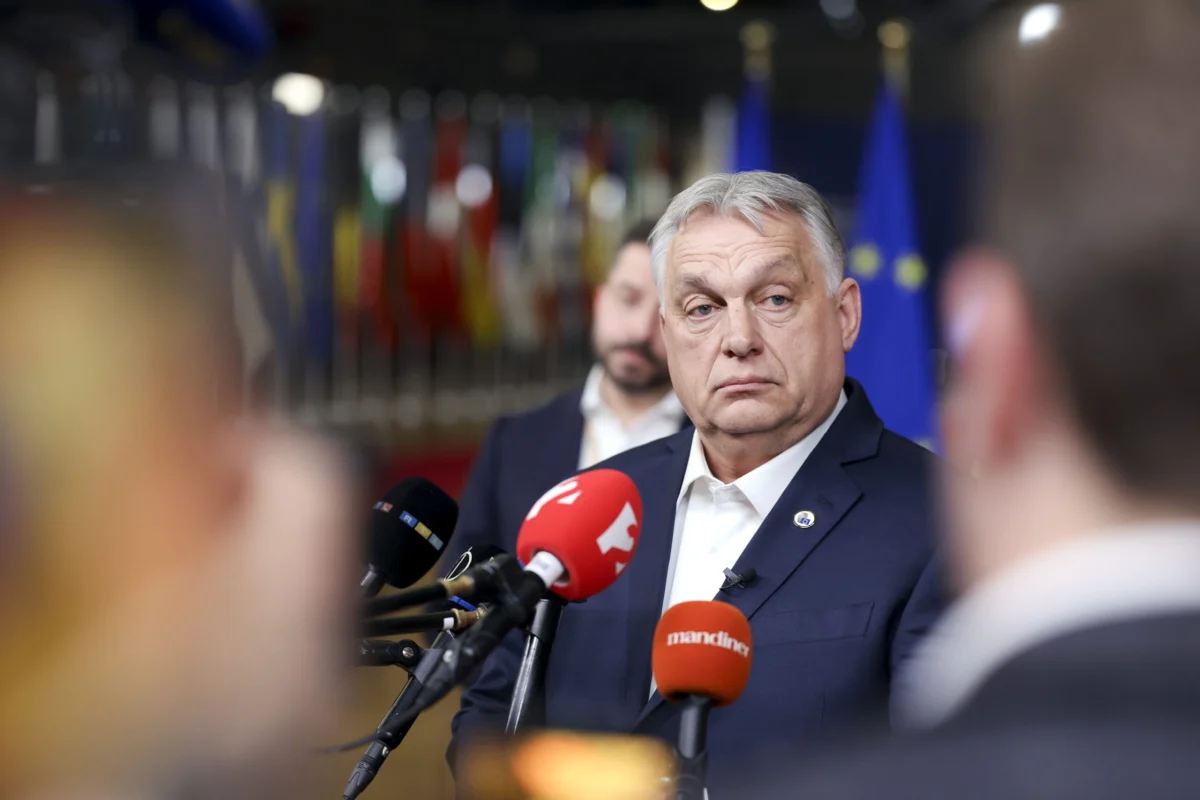
- The Contenders: The incumbent Fidesz party, led by Viktor Orbán, is seeking a fifth consecutive term. Their primary challenger is the Tisza movement, led by the charismatic and increasingly popular Péter Magyar.
- The Threshold Threat: Current electoral projections indicate a "great filter" effect. If only Fidesz and Tisza cross the parliamentary threshold, the Hungarian legislature could become a de facto duopoly, erasing the influence of traditional liberal, green, and socialist parties.
- The Policy Gap: While Fidesz has leaned heavily into "energy sovereignty"—a mix of Russian gas reliance, nuclear energy, and industrial battery manufacturing—Tisza has sought to frame the energy transition as a matter of economic modernization and European integration.
- The Deadline: Election Day is set for April 12, 2026. The preceding days will be critical for public discourse, with analysts closely monitoring how both camps address the EU’s Green Deal and the transition away from fossil fuels.
Chronology: The Road to April 2026
To understand the current volatility, one must look back at the trajectory of the Orbán administration’s energy and political strategy.
2010–2014: The Consolidation of Power
Upon taking office in 2010, the Orbán administration focused on "utility price cuts" (rezsicsökkentés), a populist policy that gained immense support by lowering household energy costs. This period cemented the government’s control over the energy sector and signaled the start of a cooling relationship with EU energy market liberalization.
2014–2020: The Nuclear Pivot
The Paks II nuclear power plant project became the centerpiece of Hungary’s energy policy. By securing a deal with Russia’s Rosatom, Orbán locked Hungary into a long-term strategic partnership with Moscow, effectively shielding the country from broader European energy diversification efforts.
2022–2024: The Geopolitical Crisis
The Russian invasion of Ukraine placed Hungary in a precarious position. While the EU moved to sanction Russian energy, Hungary negotiated exemptions, citing national security. During this time, the government pivoted toward China, courting massive investments in EV battery plants (such as CATL’s facility in Debrecen) to anchor Hungary within the global automotive supply chain.
2025–2026: The Rise of Tisza
The emergence of Péter Magyar as a credible challenger shifted the political narrative from a focus on culture wars to issues of governance, corruption, and economic stagnation. As the 2026 election approached, the climate and energy debate transitioned from an abstract discussion to a core economic concern, as rising costs and EU funding freezes began to bite.
Supporting Data: Energy and Industrial Strategy
Hungary’s energy policy is a study in contradictions. On one hand, the state has actively blocked several EU climate initiatives, citing the need for "energy realism." On the other, it has poured billions into becoming a European hub for green technology.
The Nuclear Dilemma
Paks II remains the elephant in the room. Critics argue that the project is not only economically unviable but also a long-term anchor to Russian technical and financial influence. Proponents, however, view it as the only viable path to baseload power that does not rely on intermittent renewables.
The Battery Manufacturing Gamble
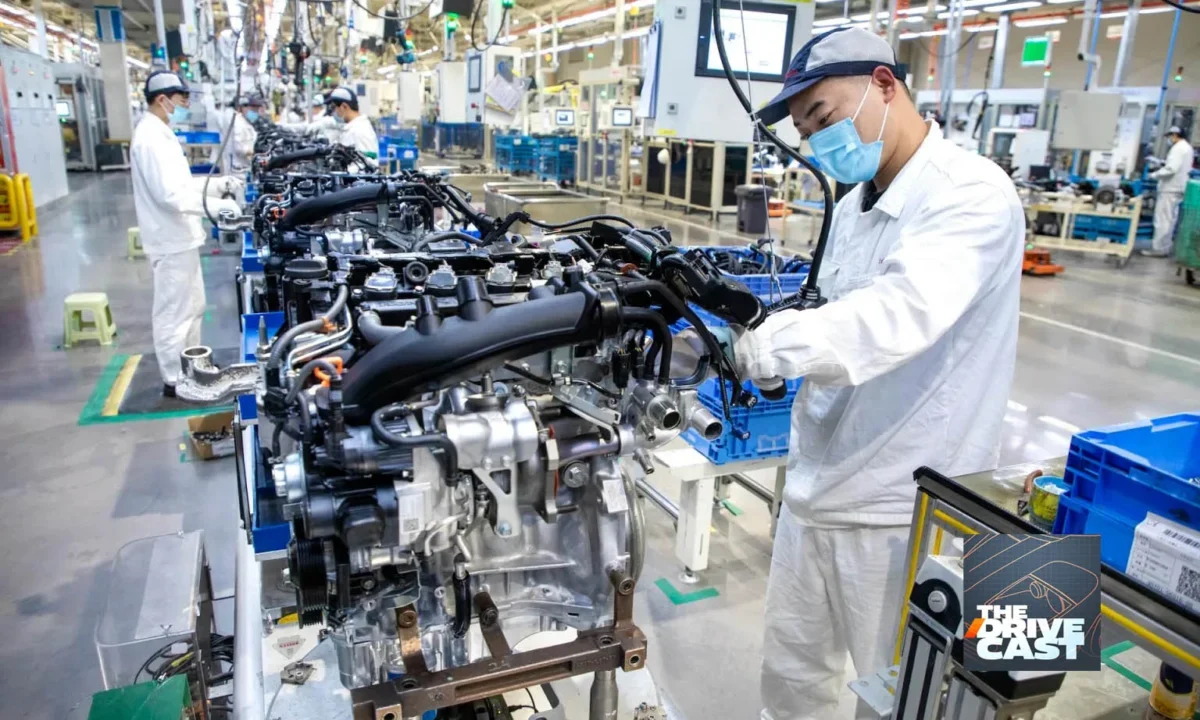
Hungary has positioned itself as the "Battery Capital of Europe." By attracting massive foreign direct investment (FDI) from Asian firms, the government hopes to make the Hungarian economy indispensable to the German automotive industry’s EV transition. However, environmental concerns regarding water usage and waste management have sparked local protests, becoming a key point of contention for opposition movements like Tisza.
Climate Policy as a Bargaining Chip
Hungary’s use of its veto power in the European Council regarding climate legislation has been perceived as a leverage tactic to secure withheld EU funds. This strategy has strained relations with Brussels, creating a feedback loop where environmental policy is held hostage to political disputes over the rule of law.
Official Responses and Perspectives
The divergence in platform between the two front-runners is stark.
The Fidesz Position: Sovereignty and Stability
The ruling party maintains that Hungary’s energy policy is a matter of national survival. They argue that the transition to green energy must not come at the expense of industrial competitiveness or household affordability. Orbán’s team characterizes the EU’s climate goals as "ideological" and insists that nuclear energy must be classified as a green investment to maintain energy independence from "Western ideological dictates."
The Tisza Position: Modernization and European Alignment
Péter Magyar’s Tisza movement advocates for a more balanced approach. They argue that the current government’s focus on large-scale battery plants and Russian-backed nuclear power ignores the potential of decentralized, domestic renewable energy. Tisza has emphasized the need to restore the rule of law to unlock EU funding, which they argue should be directed toward a "green, transparent, and democratic transition" that includes energy efficiency retrofits for housing—a stark contrast to the current focus on heavy industrial subsidies.
Implications: A New Era for Central Europe?
The results of the April 12 election will have profound implications for the continent.
Implications for the EU
Should Fidesz retain power, Brussels will likely face continued obstructionism regarding the European Green Deal. The "Hungarian veto" would remain a constant feature of EU climate diplomacy. Conversely, a victory for a pro-European movement like Tisza could signal a pivot toward alignment with the European Commission, potentially unlocking significant financial support and easing regional tensions.
Implications for the Energy Transition
Regardless of the winner, Hungary’s trajectory is already set in concrete—or, more accurately, in lithium-ion and nuclear fuel. The sheer scale of the existing battery investments means that the next government will be forced to grapple with the environmental consequences and the long-term economic sustainability of these facilities.
Implications for Democracy
The potential for a parliamentary duopoly poses a risk to political diversity. If smaller parties are wiped out, the democratic debate in Hungary could narrow significantly. The upcoming CLEW webinar serves as a vital touchpoint for the international press to understand that this election is not just about candidates, but about the very structure of the Hungarian state and its place in a decarbonizing Europe.
Conclusion: The View from the Briefing Room
As journalists gather on April 8, the narrative is clear: Hungary is in the midst of an existential transition. The interplay between the legacy of the Orbán administration’s "Eastern Opening" and the push for a modern, EU-integrated economy will define the country’s trajectory for the next decade.
The questions raised by the expert panel—regarding nuclear power, EU climate alignment, and the industrial future of the country—are not merely local concerns. They are the same questions facing every nation in Europe as it attempts to balance the three pillars of the "Energy Trilemma": security, affordability, and sustainability. As the polls open on April 12, the world will be watching to see if Hungary chooses the path of continued sovereign isolation or a return to the European mainstream. The outcome will surely ripple across the continent, setting the tone for European energy politics for years to come.
