





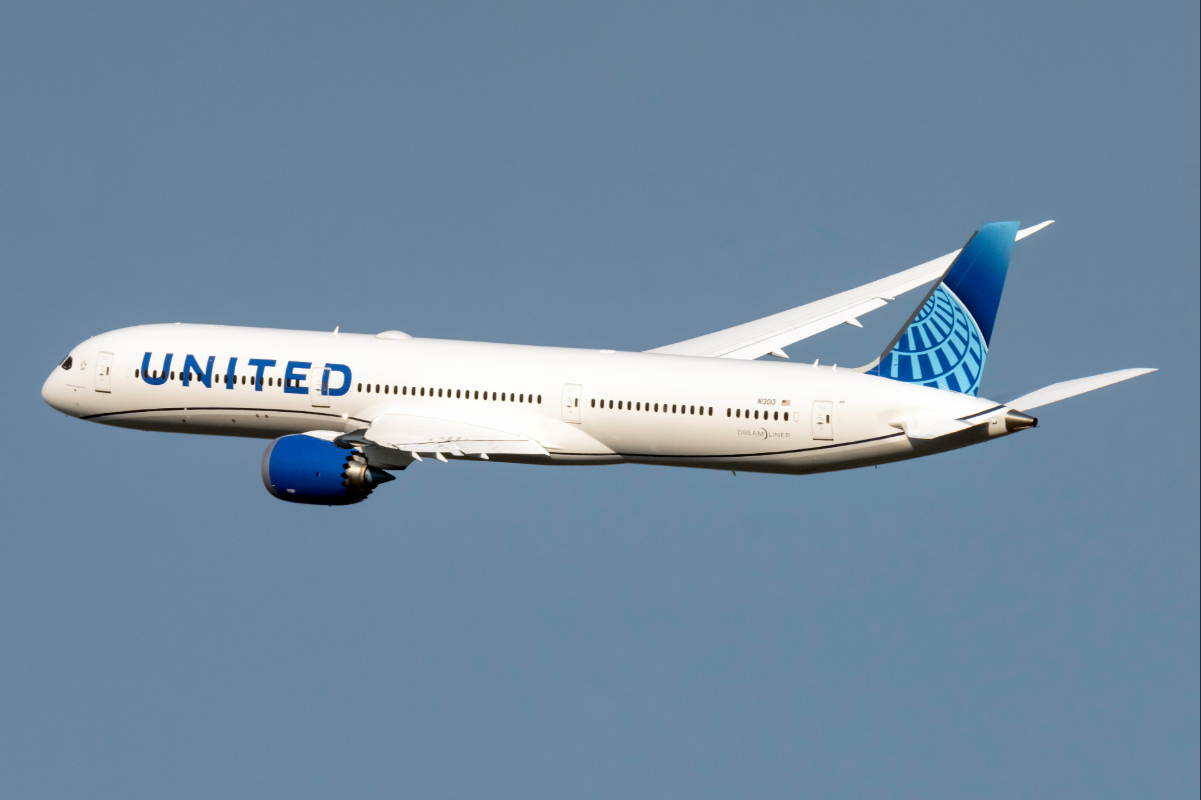
As the aviation industry approaches the final quarter of the year, a flurry of new route announcements has provided a revealing look into the strategic priorities of the world’s leading airlines. From the snowy northern reaches of Japan to the rapidly diversifying desert landscapes of Saudi Arabia, carriers are placing high-stakes bets on emerging travel corridors. These additions, landing before the end of the year, serve as a barometer for shifting global demand and the aggressive pursuit of market share in a post-pandemic landscape.
While the casual traveler may see a new destination as a vacation opportunity, for airline executives, these routes are the culmination of months—sometimes years—of intensive market research, profitability modeling, and competitive intelligence. The launch of a single widebody route is a multi-million-dollar undertaking, and history has shown that even the most well-researched routes can falter under the pressure of macroeconomic shifts, geopolitical volatility, or changing consumer preferences.
The Strategic Logic of Route Development
The selection of a new city pair is rarely an impulsive decision. It is an exercise in complex geometry: balancing aircraft availability, slot allocations at congested hub airports, and the nuances of bilateral air service agreements.
"When an airline announces a new route, they are effectively declaring where they believe the next frontier of growth lies," says aviation analyst Marcus Thorne. "They are looking for ‘white space’—routes where demand is currently being served by inefficient one-stop connections, or emerging markets where the economic trajectory suggests a surge in both business and premium leisure travel."
The current trend toward "quirky" or unconventional pairings—such as Northern Japanese hubs or specific Middle Eastern corridors—suggests that airlines are moving away from the saturation of primary hubs like London or Tokyo-Narita. Instead, they are seeking to capture "niche" demand that allows for higher yield pricing, as these routes often face less direct competition.
Chronology of the Year-End Expansion
The final months of the year are traditionally a period of consolidation, yet this year marks a significant departure from the norm. The following timeline highlights the most anticipated launches set to redefine regional connectivity:
- October–November: European carriers begin aggressive capacity increases, targeting the "Melbourne playbook." Following the success of Turkish Airlines in funneling long-haul traffic through a single major hub, carriers are shifting their focus to connecting high-growth Southern Hemisphere markets to the European core.
- December 11: United Airlines inaugurates its nonstop service between San Francisco (SFO) and Sapporo (CTS), marking a major push into Japan’s Hokkaido region.
- December 17: Air Canada follows suit with the launch of its Vancouver (YVR) to Sapporo service, creating a competitive North American duopoly over the route.
- Late December: Delta Air Lines is slated to launch the first U.S. nonstop to Saudi Arabia, an ambitious move that tests the resilience of a market previously considered "high risk" by its own transatlantic partners.
Sapporo: The New Niche for North American Carriers
Perhaps the most fascinating development is the simultaneous entry of United and Air Canada into the Sapporo market. Historically, Sapporo has been a secondary destination, overshadowed by the pull of Tokyo or Osaka. However, the post-pandemic appetite for "experiential" travel—particularly the world-class skiing and culinary tourism in Hokkaido—has shifted the calculus.
United’s San Francisco-to-Sapporo route, starting December 11, leverages the airline’s massive West Coast hub to funnel travelers from across the Americas into northern Japan. Air Canada’s Vancouver service, launching shortly after on December 17, serves a similar function, capitalizing on the strong historical ties between the Pacific Northwest and Japan.
"These routes aren’t just about tourism," notes industry consultant Sarah Jenkins. "They are about regional connectivity. By providing a direct link to Sapporo, these airlines are bypassing the friction of connecting through Tokyo’s Haneda or Narita airports, which can be a significant deterrent for travelers carrying ski equipment or traveling in large family groups."
The Middle East Gamble: Delta’s Saudi Pivot
While Sapporo represents a growth market for leisure, Delta Air Lines’ re-entry into Saudi Arabia is a calculated risk. The route, which connects a major U.S. gateway to the Kingdom, ventures into territory where Delta’s own transatlantic partners have previously struggled.
The rationale behind this move is rooted in the Saudi Vision 2030 initiative. As the Kingdom undergoes rapid social and economic liberalization, the demand for business travel, government contracting, and luxury tourism has skyrocketed. Delta is clearly betting that the market has matured since the last time a partner attempted to sustain the route. The airline is banking on the fact that its superior premium cabin product—the Delta One suite—will capture the high-spending demographic that was absent in previous iterations of this route.
Supporting Data: The Cost of Ambition
Operating a widebody route is a capital-intensive operation. According to industry data, the cost of flying a Boeing 787 or Airbus A350 on a trans-Pacific route can exceed $100,000 per flight in fuel, crew, maintenance, and airport fees.
For a route to be successful, airlines must achieve a "break-even" load factor that is often higher than 80% to account for the lack of connecting traffic in the early months. Furthermore, the "cannibalization effect"—where a new route pulls traffic away from existing hub connections—must be carefully managed.
In the case of the Sapporo expansion, the seasonal nature of the route creates a unique challenge. Airlines must ensure that the winter surge in ski tourism provides enough margin to justify the costs of repositioning aircraft and staff for what is effectively a four-month peak season.
Official Responses and Corporate Strategy
In official statements, airline spokespeople have emphasized the "unmet demand" and "strategic synergy" of these new routes.
United Airlines’ representatives have touted the Sapporo expansion as a way to "enhance the network depth" and provide "seamless access" to one of Japan’s most sought-after winter destinations. Internally, the airline views this as a low-risk, high-reward move; by utilizing a seasonal schedule, they minimize exposure if the market fails to materialize as expected.
Conversely, Delta’s approach to the Saudi market is framed as a long-term strategic investment. "We are committed to connecting the U.S. to key global economic centers," a Delta spokesperson noted in a recent press release. "Our presence in the Kingdom is part of a broader commitment to serving our global corporate clients who require direct access to emerging economic hubs."
Implications: What This Means for the Future of Air Travel
The current route expansion cycle carries several implications for the future of the aviation industry:
- The Decline of the Mega-Hub: While hubs like Dubai, Doha, and Tokyo remain essential, the proliferation of "point-to-point" long-haul routes suggests that passengers increasingly value time savings over the convenience of a single hub network.
- The Premiumization of Demand: Airlines are increasingly designing routes around the "high-yield" traveler. The focus on markets like Saudi Arabia and premium leisure destinations like Sapporo suggests that airlines are prioritizing margins over pure passenger volume.
- Regional Resilience: The willingness of carriers to test secondary markets indicates a healthy level of optimism regarding the global economy. By diversifying their route maps, airlines are creating a buffer against localized downturns.
Conclusion: The Risk of the Drawing Board
As these new routes appear on the departure boards this December, they represent more than just metal in the air. They are evidence of a shifting global order where the boundaries of "accessible" travel are being pushed further outward.
However, the cautionary tale remains: for every route that becomes a staple of the airline’s network, there are dozens that are quietly suspended after a year of underperformance. The success of the Sapporo and Saudi routes will depend on more than just initial marketing; it will rely on the airlines’ ability to adapt their service levels to the unique demands of these distinct markets.
Ultimately, the aviation industry remains a business of calculated gambles. As the year draws to a close, the industry is watching closely to see which of these bets will pay off and which will serve as a reminder of the volatility inherent in global air travel. For the passenger, the result is a broader map of the world—but for the airlines, it is a constant, high-stakes battle to stay relevant in an ever-changing sky.
